Side-by-Side Cognitive Profiles: A Nuanced Look at Identical Scores
The Cosmic Pet IQ Lab assigns both the Nova Scotia Duck Tolling Retriever (NSDTR) and the Norfolk Terrier identical scores of 3/5 across all five cognitive dimensions: Problem Solving, Training Speed, Social Intelligence, Instinctive Drive, and Memory. This numerical equivalence, however, belies a significant divergence in how these intellectual capacities are expressed and leveraged by each breed, deeply rooted in their historical purposes and inherent temperaments. Understanding this nuance requires moving beyond the numbers to the behavioral manifestations of their intelligence.
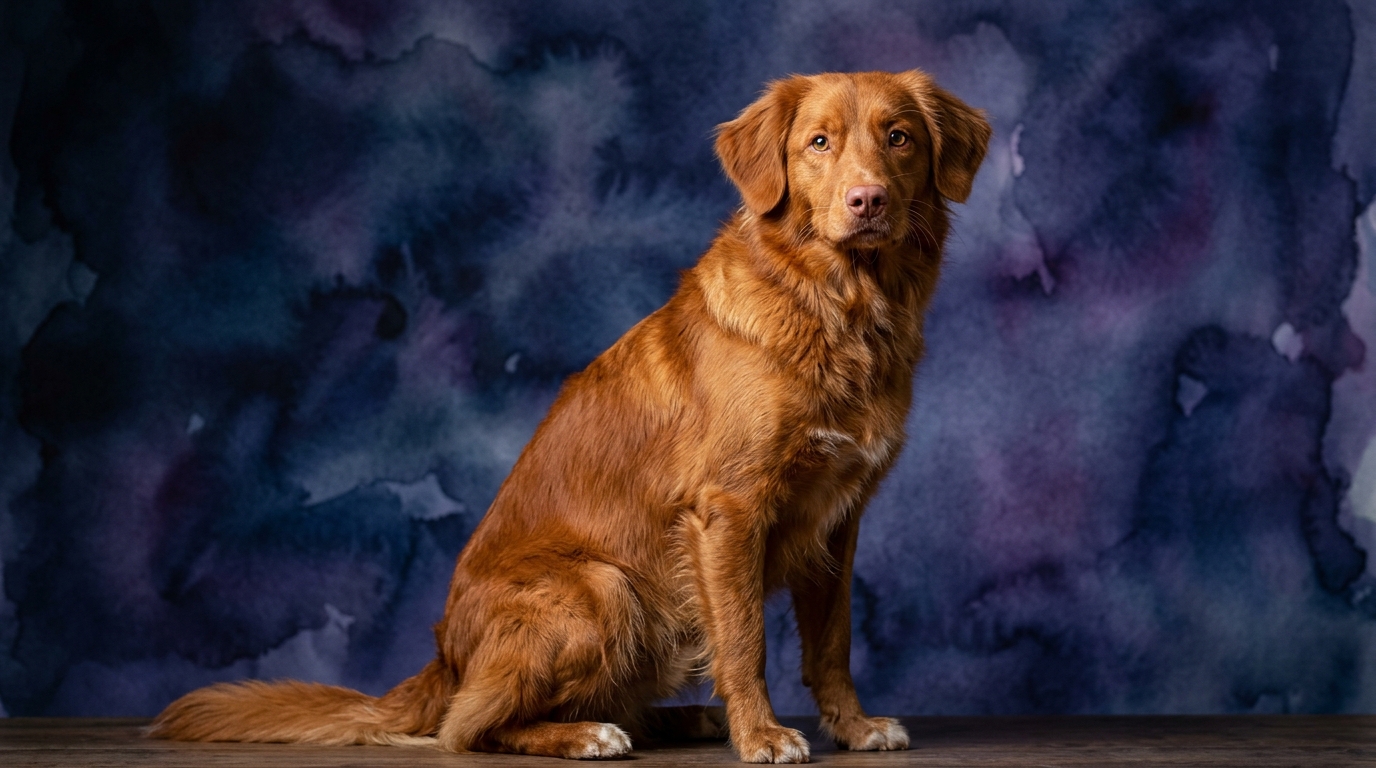
For the Nova Scotia Duck Tolling Retriever, a sporting breed, their 3/5 in Problem Solving typically manifests as practical, goal-oriented reasoning applied to retrieving tasks. This involves efficiently navigating complex terrains, assessing water currents, or strategizing the quickest route to a fallen bird, always in service of a handler's objective. Their Training Speed, also 3/5, reflects a good capacity for learning new commands and multi-step routines, particularly when these align with their natural drives and are reinforced positively, showcasing a cooperative eagerness. Social Intelligence at 3/5 is expressed through their keen ability to read human body language and vocal cues, crucial for effective teamwork in the field, though they can exhibit initial reservation with strangers. The Toller’s Instinctive Drive (3/5) is profoundly centered on their unique ‘tolling’ behavior—luring waterfowl—and an unwavering desire to retrieve, making them highly motivated by tasks that tap into this heritage. Finally, their Memory (3/5) is reliable for retaining complex sequences of retrieves and extensive command sets, essential for their demanding working role.
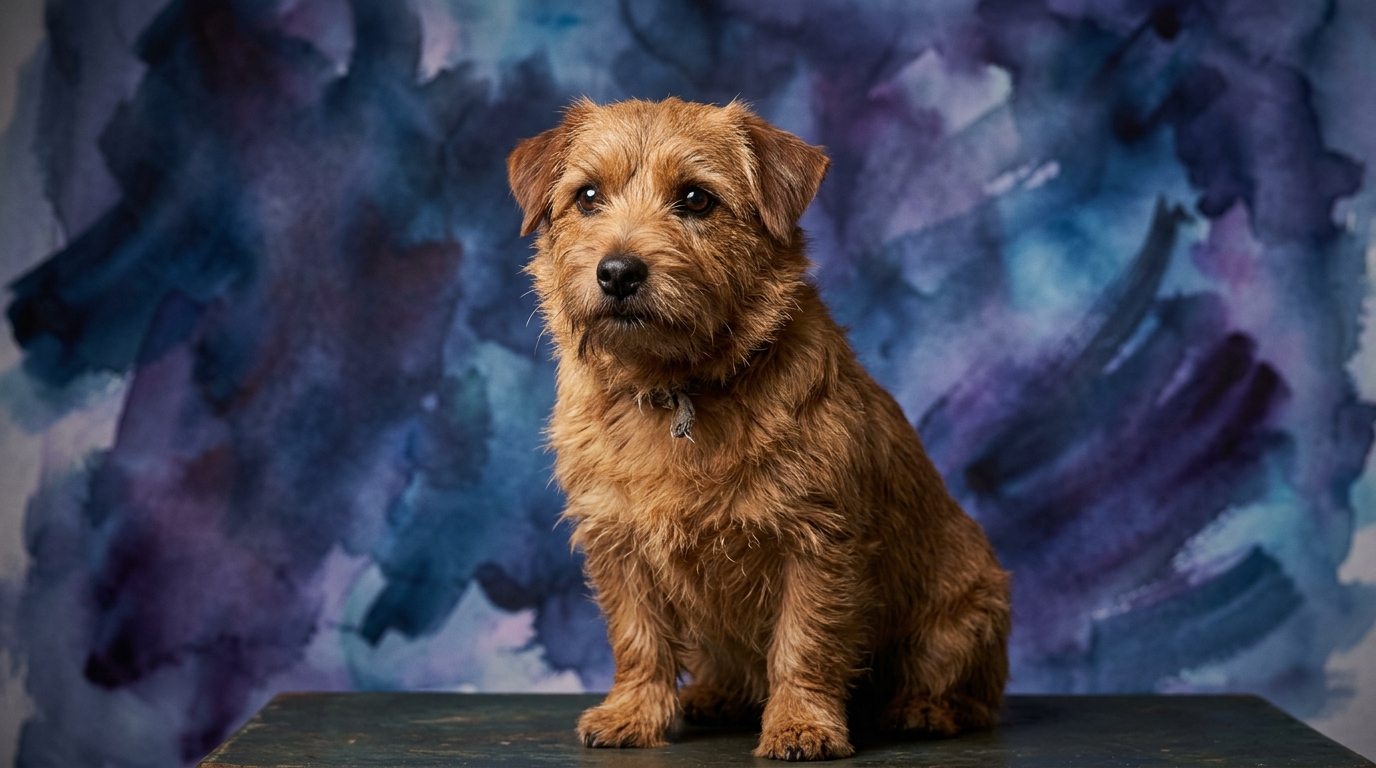
Conversely, the Norfolk Terrier, a feisty terrier breed, expresses its identical 3/5 scores through a distinctly independent lens. Their Problem Solving (3/5) is characterized by tenacious, self-directed thinking, often focused on overcoming physical obstacles to achieve personal goals, such as figuring out how to access an intriguing scent or a potential burrow. Training Speed, also 3/5, indicates they are capable learners, but their inherent independence means instruction must be engaging, varied, and rewarding to prevent boredom and maintain compliance. Social Intelligence (3/5) in a Norfolk often translates to confident interactions within their immediate family and with other animals, coupled with a discerning awareness of their surroundings and territory, rather than cooperative work. Their Instinctive Drive (3/5) is a powerful, self-propelling force of exploration, digging, and prey pursuit, propelling them with fearless determination. Their Memory (3/5) is strong for locations of interest, past experiences, and routines, contributing to their effective navigation of their perceived domain and their ability to recall specific 'targets' or territorial markers.
Where the Nova Scotia Duck Tolling Retriever Shines Cognitively
While sharing the same numerical cognitive ratings, the Nova Scotia Duck Tolling Retriever often demonstrates a distinct advantage in scenarios demanding cooperative intelligence and sustained focus on a handler's directives. Their problem-solving (3/5) is frequently applied to navigating complex field situations, such as strategizing the quickest route to a fallen bird across varied terrain, rather than independent exploration. This reflects an intellect geared towards practical application within a partnership.
The Toller’s social intelligence (3/5) is finely tuned to reading human body language and vocal cues, enabling them to anticipate commands and execute multi-step retrieving sequences with precision. This partnership-oriented intellect makes them exceptionally adept at activities like competitive obedience, advanced field trials, or even complex agility courses where intricate patterns and constant handler communication are paramount. Their memory (3/5) excels at retaining these elaborate routines and the locations of numerous hidden objects, showcasing an associative recall geared towards their sporting purpose and emphasizing their capacity for sequential learning in a working context.
Where the Norfolk Terrier Excels Cognitively
Conversely, the Norfolk Terrier's cognitive strengths, while rated identically, shine brightest in contexts demanding independent thought, robust tenacity, and astute environmental assessment. Their problem-solving (3/5) is less about following a human's lead and more about autonomously figuring out how to achieve *their own* goal, often involving burrowing or navigating tight underground spaces to flush vermin. This manifests as a resourceful determination to overcome physical barriers, whether it’s finding a way under a fence or extracting a toy from a difficult spot.
The Norfolk's instinctive drive (3/5) is a powerful, self-directed force, compelling them to explore, dig, and chase with fearless resolve, making them excellent at tasks requiring individual initiative rather than collaborative teamwork. Their social intelligence (3/5) is often expressed in their confident interactions with their immediate surroundings and other animals, demonstrating a clear understanding of social hierarchies and boundaries within their perceived territory. They possess a keen observational intellect, quickly assessing new environments for potential 'prey' or interesting scents. Their memory (3/5) is particularly strong for spatial awareness and the locations of intriguing smells or past encounters, contributing to their effective independent hunting strategies and environmental mapping.
Training Dynamics: Cooperation Versus Independence
Despite identical 'Training Speed' scores of 3/5, the *experience* of training a Nova Scotia Duck Tolling Retriever versus a Norfolk Terrier differs significantly due to their inherent behavioral predispositions. The Toller, with its sporting background, generally approaches training as a collaborative venture. Their desire to work alongside their handler and their innate retrieving drive make them receptive to learning commands and sequences that align with their purpose. They thrive on positive reinforcement and consistent methods, often eager to please and quick to offer behaviors that earn rewards.
While they may not be the fastest learners compared to some herding breeds, their cooperative spirit means they generally *want* to participate, making the training process smoother and more predictable for a dedicated owner. They respond well to clear instruction and appreciate a structured environment, making them relatively 'easier' in the sense of being more compliant and focused on the human partner during sessions. Their sensitivity means harsh corrections are counterproductive, but their desire to please makes them responsive to gentle guidance.
In contrast, the Norfolk Terrier's 3/5 training speed is coupled with a robust terrier independence. While capable of learning just as quickly, their motivation is often self-directed. They are less inclined to simply 'obey' for the sake of it and require training to be engaging, varied, and to feel like *their* idea or game. Repetitive drills can quickly lead to boredom or stubbornness. Their strong prey drive and investigative nature mean they are easily distracted by environmental stimuli, demanding a trainer who can capture and hold their attention with creativity and high-value rewards.
Training a Norfolk often feels like a negotiation, requiring patience, humor, and a deep understanding of terrier psychology to harness their keen intellect. Therefore, while both *can* learn, the Toller is generally perceived as easier to train due to their inherent cooperativeness and handler focus, whereas the Norfolk demands a more adaptable and inventive approach to overcome their independent streak and channel their tenacious spirit effectively.
Matching Canine Intellect to Owner Lifestyle
Considering their respective cognitive and physical needs, the Nova Scotia Duck Tolling Retriever is decidedly better suited for active owners, while the Norfolk Terrier can adapt more readily to owners seeking a slightly less intense, yet still engaging, companion. The Toller's deep-seated instinctive drive (3/5) for retrieving and high stamina demand consistent, vigorous physical activity. This includes long runs, swimming sessions, and engaging in dog sports like agility, dock diving, or advanced obedience. Their problem-solving (3/5) and memory (3/5) are best stimulated through complex training routines and retrieving games that challenge their intellect alongside their physicality. An owner who can dedicate several hours daily to exercise and mental enrichment will find the Toller a fulfilling partner. A relaxed owner, by contrast, might struggle to meet the Toller's significant energy output, which could lead to boredom and undesirable behaviors.
The Norfolk Terrier, while certainly energetic and spirited, doesn't typically require the same *endurance* level of physical activity as a Toller. Their active lifestyle leans more towards bursts of intense exploration, digging, and chasing, rather than sustained, long-distance efforts. Their problem-solving (3/5) and instinctive drive (3/5) are satisfied with engaging walks that allow for sniffing and investigating, along with interactive games that challenge their terrier wit, such as puzzle toys or scent work. A relaxed owner who enjoys regular, brisk walks and is committed to providing consistent mental stimulation through training and play will find the Norfolk a charming and manageable companion. While they still require daily activity, it can be more varied and less demanding in terms of sheer mileage or intensity than what a Toller thrives on, making them a better fit for owners who prioritize quality of engagement over sheer quantity of strenuous activity.
The Verdict
Choose the Nova Scotia Duck Tolling Retriever if you are an active individual or family seeking a highly cooperative, enthusiastic partner for outdoor adventures and dog sports, prepared to invest significant time in their physical and mental enrichment. They thrive with owners who appreciate a dog's keen desire to work alongside them, particularly in retrieving and water-based activities.
Opt for the Norfolk Terrier if you desire a spirited, independent companion with a confident personality, appreciating a dog that brings tenacious enthusiasm to daily life and engages well with varied mental challenges and brisk, exploratory walks. They suit owners who enjoy a dog with strong individual character and can provide consistent, engaging mental stimulation without requiring extreme endurance activities.
🧠 Find Your Pet's IQ Score
Our Pet IQ Lab assessment covers 25+ tests across 5 cognitive dimensions — personalized to your breed.
Take the Full IQ Test →Frequently Asked Questions
Do Nova Scotia Duck Tolling Retrievers bark a lot?
Tollers are known for their 'tolling' sound, a unique high-pitched bark or scream used to lure waterfowl, indicating a natural vocal inclination. While not generally excessive barkers, they can be vocal when excited or if their needs for mental and physical stimulation aren't met, using their voice to express themselves and communicate with their handlers.
Are Norfolk Terriers good with children?
Norfolk Terriers can be excellent family companions and are generally good with respectful children, often enjoying play and activity due to their spirited nature. However, their terrier tenacity means they may not tolerate rough handling, and interactions should always be supervised to ensure a positive and safe experience for both dog and child.
How do the grooming needs compare for these breeds?
The Nova Scotia Duck Tolling Retriever has a medium-length, water-repellent double coat requiring regular brushing (2-3 times weekly) to prevent mats and manage shedding, especially seasonally. The Norfolk Terrier has a wiry, double coat that needs weekly brushing and professional hand-stripping a few times a year to maintain its texture and minimize shedding, differentiating their grooming routines significantly.