
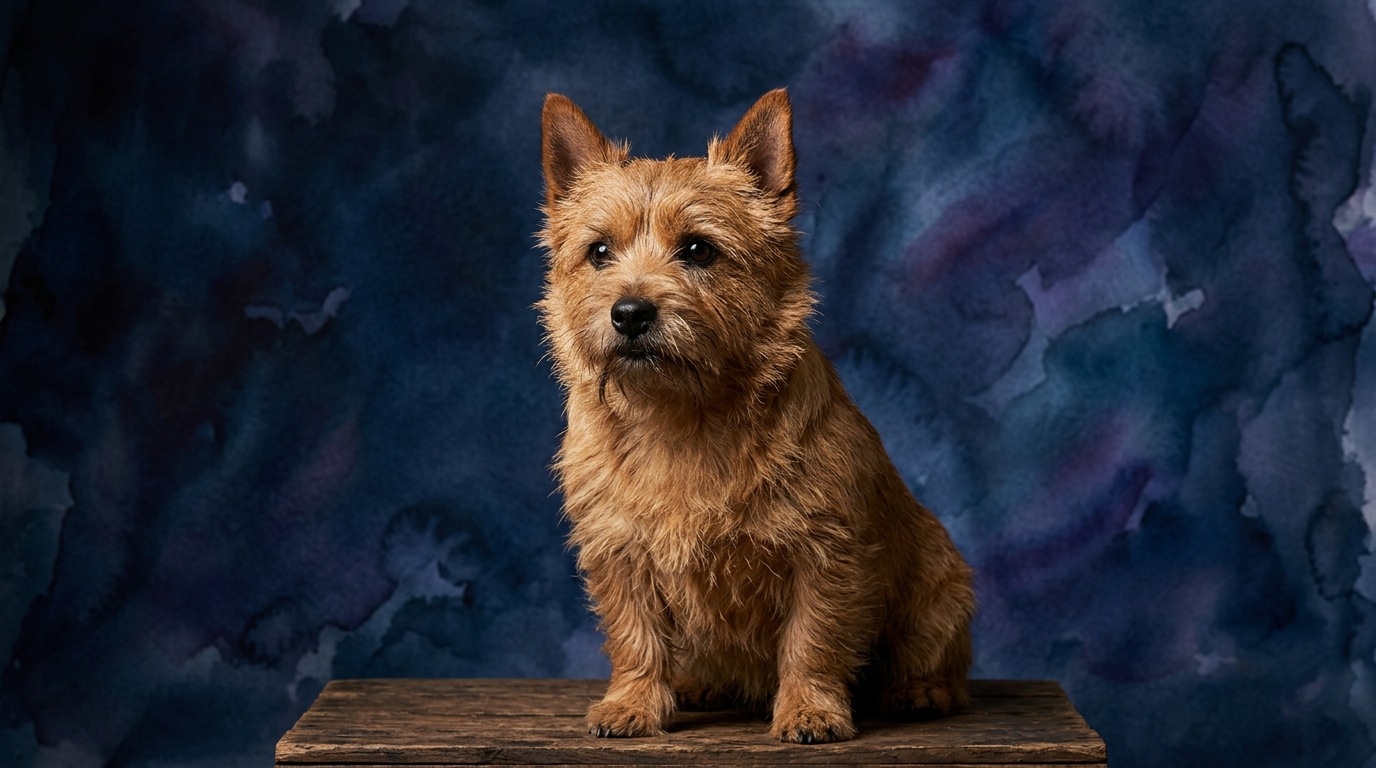
Side-by-Side IQ Profile: Unpacking Their 3/5 Scores
A 3/5 score across the board indicates a solid, well-rounded cognitive foundation, suggesting neither breed struggles significantly with basic learning nor exhibits extreme genius. Instead, it points to a practical, functional intelligence that serves their respective ancestries effectively. This balanced profile means both breeds possess the capacity for learning and adaptation, but the application of these skills varies considerably.
For the Nova Scotia Duck Tolling Retriever, a 3/5 in problem-solving often translates into an aptitude for sequential tasks and understanding complex commands related to retrieving. They can figure out how to navigate obstacles to reach a thrown dummy or deduce the best path to return to their handler with a retrieve, demonstrating a cooperative form of ingenuity. The Norwich Terrier, with the same 3/5, typically showcases problem-solving through independent thought, particularly when pursuing prey or navigating intricate environments. Their ingenuity might involve finding a way under a fence, extracting a toy from a tight space, or outsmarting a small critter, reflecting a tenacious, self-reliant approach to challenges.
A 3/5 in training speed for the Toller indicates a generally responsive nature; they typically pick up new commands and routines with reasonable repetition, often motivated by praise and the opportunity to work. Their eagerness to please often makes them willing participants in training sessions, absorbing new information steadily. The Norwich Terrier’s 3/5 in training speed means they also learn quickly, but their motivation often stems from personal interest or perceived benefit. While they can grasp commands swiftly, their independent terrier spirit means they might choose whether or not to comply based on their immediate priorities, often requiring consistent, engaging, and positive reinforcement to maintain focus.
The Toller's 3/5 social intelligence often manifests as a strong bond with their primary handler and family, exhibiting an awareness of social cues within their “pack.” They are typically attuned to human emotions and intentions, making them effective partners in cooperative activities. They understand their place in a social structure and often seek to maintain harmony. For the Norwich Terrier, a 3/5 social intelligence means they are observant and capable of forming deep connections, but their social interactions can be more nuanced. They are keenly aware of their surroundings and the intentions of others, yet their independent nature means they might choose to engage on their own terms, often displaying a confident self-assurance rather than a constant desire for group validation.
The Toller’s 3/5 instinctive drive is powerfully channeled into their retrieving and “tolling” behaviors. This includes an inherent desire to fetch, a love for water, and a distinctive, high-pitched bark or scream used to attract waterfowl. Their drive is purposeful and often directed towards fulfilling a task for their handler, making them highly motivated for games involving movement and retrieval. The Norwich Terrier’s 3/5 instinctive drive, by contrast, is rooted in their vermin-hunting heritage. This translates into a potent prey drive, an urge to dig, and a readiness to bark at perceived intruders or anything new in their environment. Their drive is often self-directed, fueling their exploration and pursuit of anything that triggers their hunting instincts.
A 3/5 memory for the Toller is crucial for their work, allowing them to remember complex retrieve patterns, multiple command sequences, and the locations of fallen birds or hidden items. They typically retain learned behaviors and social cues over time, contributing to their reliability as working companions. The Norwich Terrier’s 3/5 memory serves its independent nature well, enabling them to recall the layout of their territory, the locations of preferred digging spots, and past successful hunting strategies. They also remember training cues, though their application of these memories might be selectively influenced by their strong instincts.
Where Nova Scotia Duck Tolling Retriever Wins Cognitively
While their raw IQ scores are identical, the Toller’s cognitive strengths often shine brighter in contexts demanding cooperative problem-solving and sustained focus on handler-directed tasks. Their problem-solving (3/5) is particularly adept when it involves sequential steps and adapting to variables within a defined objective, such as navigating varied terrain to retrieve an object. This isn’t about being “smarter,” but about a specific application of their intellect.
The Toller’s social intelligence (3/5) gives them an edge in understanding and anticipating their handler's needs during collaborative activities. They often exhibit a higher degree of attunement to human body language and vocal intonation, which facilitates complex communication in sports like obedience or agility. Their memory (3/5) also appears to be more readily applied to retaining extensive repertoires of commands and multi-step routines, making them exceptionally consistent performers once a task is learned. This cooperative mental framework is a clear “win” for owners seeking a canine partner for intricate, shared endeavors.
Where Norwich Terrier Wins Cognitively
The Norwich Terrier's cognitive profile, while numerically identical, excels in areas requiring independent ingenuity and tenacious self-reliance. Their problem-solving (3/5) is profoundly effective when faced with challenges demanding individual resourcefulness, such as finding a way to get to a perceived “prey” item or navigating a complex environment without direct human guidance. This manifests as a sharp, opportunistic intellect, focused on achieving personal objectives.
The Norwich’s instinctive drive (3/5) gives them a cognitive advantage in situations where perseverance and an unwavering focus on a goal are paramount, even in the absence of external motivation. This translates into a relentless determination in pursuits like scent work or exploring new territories, where their natural curiosity and drive to investigate are powerful cognitive engines. Their memory (3/5), while also robust, is particularly strong for spatial awareness and recalling environmental details pertinent to their independent ventures, such as where they last saw a squirrel or a specific scent trail. This self-directed cognitive application is a significant “win” for owners who appreciate a dog with strong, independent resolve.
Which is Easier to Train and Why
When considering ease of training, the distinction between these two breeds, despite identical 3/5 training speed scores, becomes apparent through their underlying motivations and behavioral tendencies. The Nova Scotia Duck Tolling Retriever often presents as “easier” to train for complex, multi-step tasks due to their inherent desire to work cooperatively with a handler. Their strong social intelligence and eagerness to please mean they typically respond well to positive reinforcement, seeing training as a shared activity that strengthens their bond. They thrive on structure and direction, making them receptive to learning a wide array of commands and tricks.
The Norwich Terrier, while quick to learn new things (3/5 training speed), can be perceived as more challenging in consistent, long-term training due to their independent terrier spirit and potent instinctive drives. They are capable of understanding commands swiftly, but their compliance is often contingent on their current interest level or if the command aligns with their immediate goals, like chasing a scent. Their problem-solving (3/5) is often geared towards their own agenda, and their memory (3/5) might recall a command but their instinctive drive (3/5) may override it. Successful training with a Norwich requires creativity, high-value rewards, and a deep understanding of their independent motivation, focusing on making training sessions engaging and rewarding from their perspective, rather than relying solely on a desire to please.
Which Suits Active Owners vs Relaxed Owners
Owners with an active lifestyle who seek a dedicated partner for outdoor adventures and structured activities will likely find the Nova Scotia Duck Tolling Retriever a more suitable match. Their robust instinctive drive (3/5) for retrieving and water work, combined with their cooperative social intelligence (3/5), means they flourish with consistent physical exercise and mental engagement through tasks like fetching, hiking, swimming, or dog sports. A Toller thrives on having a “job” and will channel their energy and cognitive abilities into shared pursuits, making them an ideal companion for owners who lead an energetic, outdoors-oriented life.
For owners who appreciate a dog with a spirited personality but may not have the capacity for extensive, structured daily exercise, the Norwich Terrier can be a surprisingly good fit, provided their mental stimulation needs are met. While they are energetic and require regular walks and playtime to satisfy their physical needs, their independent problem-solving (3/5) and instinctive drive (3/5) are often satisfied by shorter, intense bursts of activity, engaging scent games, puzzle toys, and opportunities for exploration in a secure environment. They are content to relax indoors after their needs are met, making them suitable for owners who enjoy a balance of spirited engagement and calm companionship, without the constant demand for handler-directed work that a Toller might exhibit.
The Verdict
Choose the Nova Scotia Duck Tolling Retriever if you desire a highly cooperative canine partner for complex, structured activities and outdoor adventures, valuing their collaborative problem-solving and eagerness to work alongside you.
Opt for the Norwich Terrier if you appreciate an independent, spirited companion with tenacious problem-solving skills and a strong, self-directed drive, and are prepared to engage their unique terrier intellect with creative, rewarding interactions.
🧠 Find Your Pet's IQ Score
Our Pet IQ Lab assessment covers 25+ tests across 5 cognitive dimensions — personalized to your breed.
Take the Full IQ Test →Frequently Asked Questions
Do identical IQ scores mean these breeds are equally easy to live with?
Identical IQ scores (3/5) suggest similar underlying cognitive potential, but their manifestation differs greatly due to breed purpose and temperament. Living with them varies based on whether an owner seeks a cooperative partner (Toller) or an independent, spirited companion (Norwich).
How does a Toller's “tolling” behavior relate to its IQ profile?
Tolling utilizes the Toller's instinctive drive (3/5) and problem-solving (3/5) in a unique way: luring waterfowl. It demonstrates their ability to engage in complex, sequential behaviors for a specific purpose, often in cooperation with a handler.
What is the best way to mentally stimulate a Norwich Terrier given its independent nature?
Mental stimulation for a Norwich Terrier thrives on activities that engage their independent problem-solving (3/5) and instinctive drive (3/5), such as puzzle toys, scent games, supervised digging, and short, engaging training sessions that appeal to their curiosity.