Side-by-Side IQ Profile: Interpreting Identical Scores
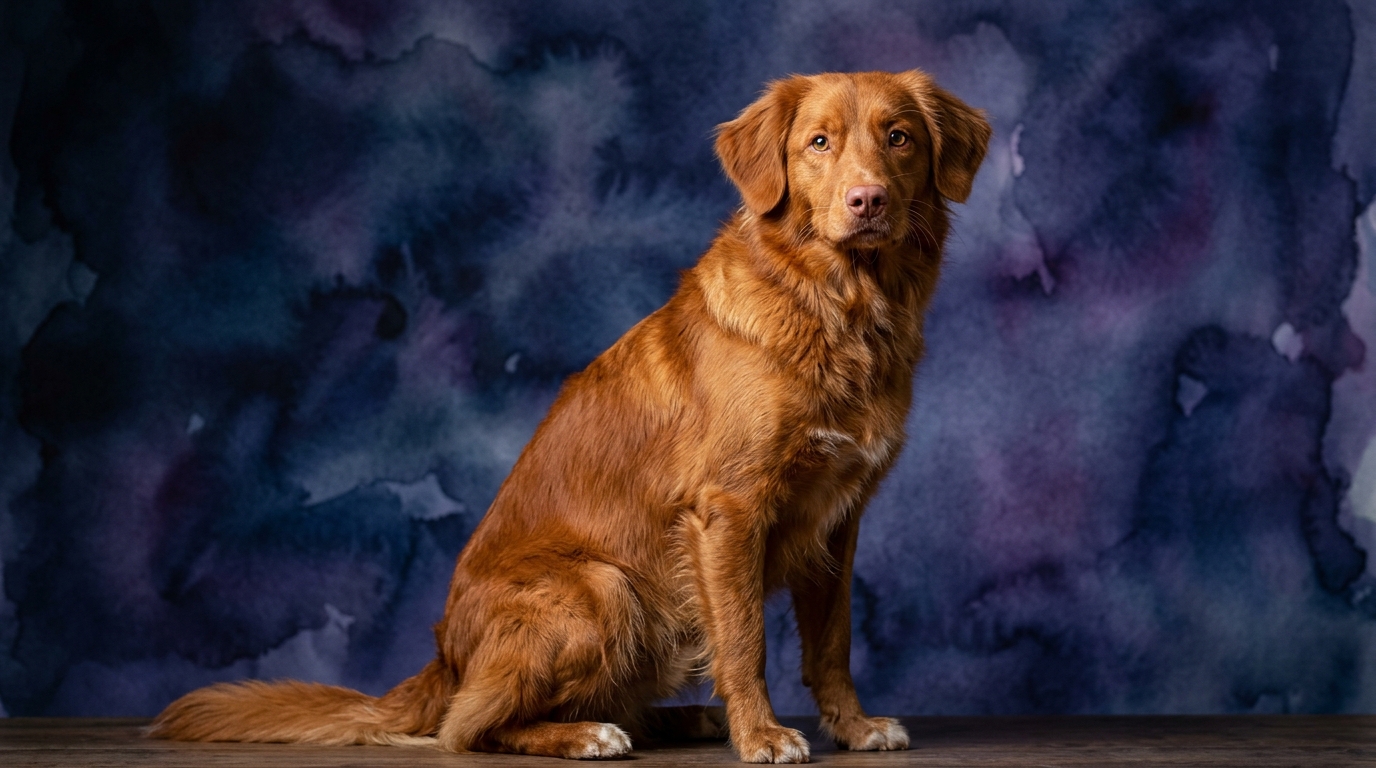
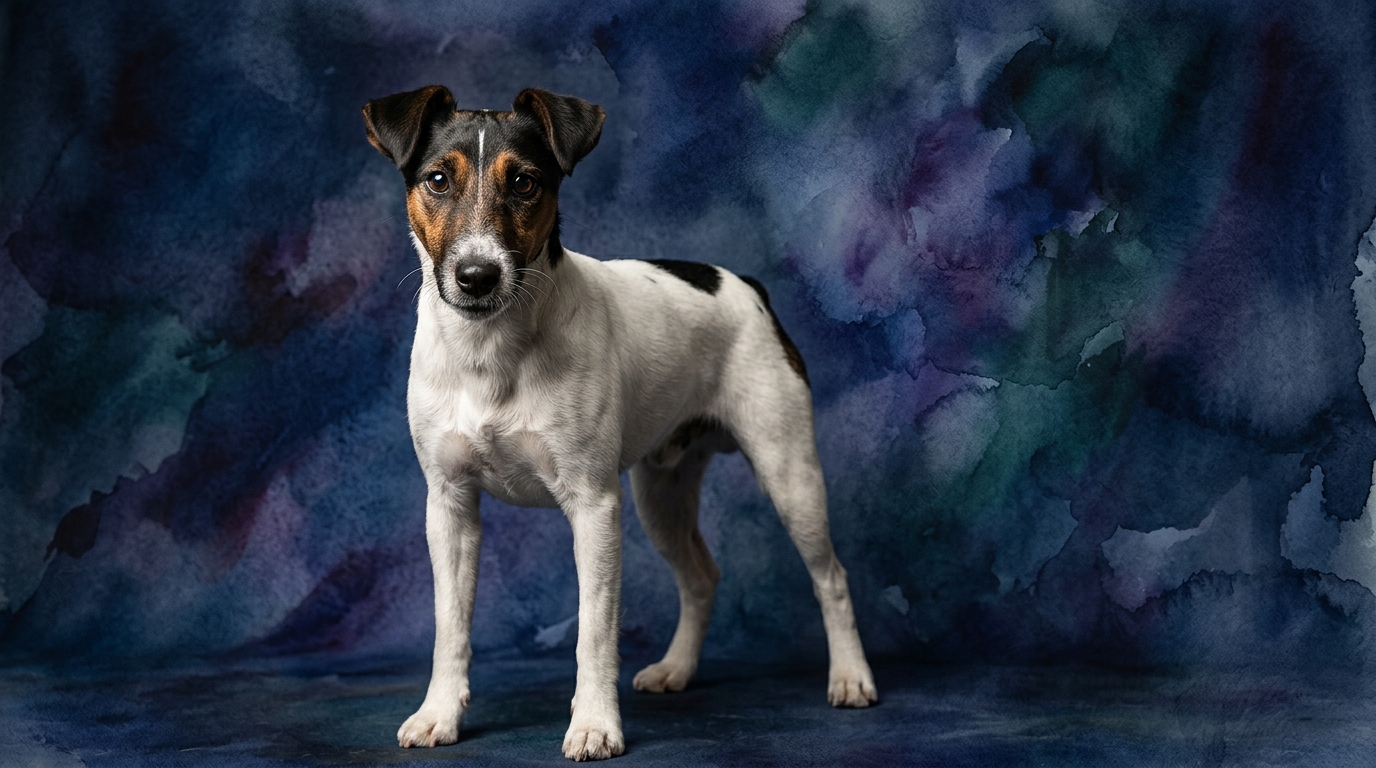
On the surface, a direct comparison of the Nova Scotia Duck Tolling Retriever (NSDTR) and the Smooth Fox Terrier (SFT) using The Cosmic Pet Pet IQ Lab's metrics reveals identical scores across all five cognitive dimensions: Problem Solving 3/5, Training Speed 3/5, Social Intelligence 3/5, Instinctive Drive 3/5, and Memory 3/5. This uniformity, however, is a springboard for deeper exploration rather than an indication of cognitive sameness. It underscores how the application and manifestation of these cognitive aptitudes are profoundly influenced by a breed's historical purpose and inherent temperament, requiring us to look beyond the numbers to their behavioral expressions.
For the Nova Scotia Duck Tolling Retriever, a Sporting group member, a Problem Solving score of 3/5 translates to an aptitude for navigating complex retrieval scenarios, such as locating fallen birds in dense cover or across water, often requiring strategic thought to overcome obstacles. Their Training Speed at 3/5 reflects a moderate pace of learning, often bolstered by their desire to work cooperatively with a handler, particularly when tasks align with their retrieving instincts. Social Intelligence at 3/5 means they are generally adept at reading human cues and family dynamics, fostering a cooperative household environment. An Instinctive Drive of 3/5 is deeply rooted in their unique 'tolling' behavior—luring waterfowl—and a strong drive for retrieving, water work, and scent tracking. Their Memory, also 3/5, aids in recalling complex retrieve patterns, learned commands, and positive or negative experiences in the field.
The Smooth Fox Terrier, a member of the Terrier group, expresses its 3/5 Problem Solving in a very different context: independently strategizing to locate and flush quarry from burrows. This involves tenacious, often creative, solutions to confined space challenges, requiring self-reliance. Their 3/5 Training Speed indicates they grasp new concepts at a moderate rate, but their independent spirit means consistent, engaging training methods are crucial to harness their focus. Social Intelligence at 3/5 often manifests as a keen awareness of their immediate surroundings and a discerning nature, particularly with strangers or other animals, and a clear understanding of their place within the family unit. The Instinctive Drive of 3/5 is powerfully expressed through an intense prey drive, persistent digging, and a vocal, investigative nature, all geared towards their original purpose of vermin control. Lastly, their Memory at 3/5 supports their ability to recall locations of interest, past escapades, and the nuances of their environment, serving their adventurous and often mischievous tendencies.
Where the Nova Scotia Duck Tolling Retriever Excels Cognitively
Despite identical numerical scores, the Nova Scotia Duck Tolling Retriever demonstrates a distinct cognitive edge in cooperative problem-solving and task persistence within a partnership framework. Their 3/5 Problem Solving capacity is finely tuned for scenarios where success hinges on understanding and executing a handler's directions, even when faced with environmental variables like changing currents or dense foliage. This isn't just about following commands; it's about anticipating the next step in a shared objective, showing a form of strategic thinking that integrates human input.
Furthermore, the Toller's 3/5 Instinctive Drive for retrieving and 'tolling' is uniquely paired with their Social Intelligence. This combination fosters a cognitive profile geared towards dedicated, repetitive work alongside a human partner. They excel at pattern recognition in tasks, such as remembering where a decoy was placed or the trajectory of a thrown object, and applying learned behaviors consistently over time. Their memory (3/5) supports this by solidifying training cues and the specifics of successful retrieves, making them exceptionally reliable in their specialized roles. This collaborative cognitive strength is a hallmark of their breed, making them adept at activities requiring synchronized effort.
Where the Smooth Fox Terrier Excels Cognitively
The Smooth Fox Terrier, with its identical 3/5 scores, truly shines in independent problem-solving and situational adaptability, particularly when faced with challenges requiring swift, self-directed action. Their 3/5 Problem Solving skills are honed for navigating tight, unpredictable spaces, like a badger's burrow, where quick decisions and physical dexterity are paramount. This involves a unique form of spatial reasoning and an unwavering tenacity to achieve a goal without direct human instruction, often requiring them to outmaneuver clever prey.
The SFT's 3/5 Instinctive Drive, primarily focused on hunting and digging, fuels a cognitive tenacity that is less about cooperation and more about relentless pursuit. Their Social Intelligence (3/5) in this context helps them quickly assess threats or opportunities in their environment, making them highly alert and responsive to subtle changes. Their memory (3/5) supports their ability to recall the precise location of a scent or a previous digging spot, demonstrating a practical, mission-oriented recall. This breed's cognitive strengths are rooted in self-sufficiency, quick tactical thinking, and an unyielding will to overcome obstacles independently, a testament to their terrier heritage.
Which is Easier to Train and Why
While both breeds score 3/5 for Training Speed, the *ease* of training them differs significantly due to their behavioral predispositions. The Nova Scotia Duck Tolling Retriever, a sporting dog, typically approaches training with an eagerness to please its handler and a natural inclination towards cooperative tasks. Their retrieving drive can be a powerful motivator, making them responsive to positive reinforcement and consistent methods. They are generally focused on the task at hand when engaged, and their social intelligence supports a strong working bond, which streamlines the learning process for obedience and specialized skills.
In contrast, the Smooth Fox Terrier's 3/5 Training Speed is often overshadowed by its independent and tenacious terrier spirit. While capable of learning quickly, an SFT might choose to prioritize its own instincts or perceived 'better' ideas over a handler's command. Training a Smooth Fox Terrier demands creativity, unwavering consistency, and an understanding of their inherent desire to explore and sometimes challenge boundaries. Their problem-solving skills, while valuable, can sometimes be applied to outsmarting the trainer. Successful training with an SFT often involves making the process highly engaging and fun, tapping into their prey drive in a controlled manner, and establishing clear leadership from a young age to channel their considerable energy and will.
Suitability for Active vs. Relaxed Owners
Both the Nova Scotia Duck Tolling Retriever and the Smooth Fox Terrier are undeniably active breeds, making them generally unsuitable for truly relaxed, sedentary owners. However, the *type* of activity and owner engagement they require varies. The Toller thrives with owners who enjoy structured outdoor activities that engage both their body and mind. This includes fetching, swimming, hiking, and participation in dog sports like agility, obedience, or dock diving. They require consistent mental stimulation through training and problem-solving games, making them ideal companions for active individuals or families committed to incorporating their dog into their dynamic lifestyle. Their energy is often channeled into purposeful work or play alongside their human.
The Smooth Fox Terrier, while equally active, expresses its energy with a more independent and often intense zest for exploration and investigation. They need owners who can provide not just physical exercise, but also outlets for their strong prey drive and curiosity, such as structured walks with plenty of sniffing opportunities, earthdog trials, or vigorous play sessions that mimic hunting. They can be prone to mischievous behaviors if under-exercised or under-stimulated, often finding their own 'fun' in digging or chasing. An SFT owner needs to be prepared for a dog that requires robust boundaries and consistent engagement, thriving with individuals who appreciate a spirited, adventurous companion ready for anything, from a brisk run to an impromptu chase in the yard.
The Verdict: When to Choose Each Breed
Choosing between a Nova Scotia Duck Tolling Retriever and a Smooth Fox Terrier hinges less on their identical IQ scores and more on the kind of partnership and lifestyle an owner desires. The Toller is an excellent choice for individuals or families who value a cooperative, dedicated canine companion eager to participate in structured activities, field sports, and a family-centric life. They thrive with consistent engagement in mentally stimulating, goal-oriented tasks, flourishing when given a 'job' that leverages their retrieving instincts and desire to work alongside their human.
Conversely, the Smooth Fox Terrier is perfectly suited for owners who admire an independent, tenacious, and spirited companion with an unwavering zest for life and exploration. This breed thrives with assertive, consistent guidance and ample opportunities to engage its sharp problem-solving skills and intense prey drive in appropriate outlets. An SFT is ideal for those seeking an adventurous, spirited dog that provides constant entertainment and requires an owner who appreciates a dog with a strong, self-reliant personality.
The Verdict
Choose the Nova Scotia Duck Tolling Retriever if you seek a cooperative, dedicated partner for structured activities and a strong family bond, where shared tasks and consistent engagement are key. This breed thrives on purposeful work alongside its human, leveraging its retrieving instincts and desire to please.
Opt for the Smooth Fox Terrier if you appreciate an independent, spirited, and tenacious companion that offers endless entertainment and requires an owner capable of channeling its sharp mind and strong prey drive with consistent, creative leadership. They are best for those who enjoy an adventurous, self-reliant canine personality.
🧠 Find Your Pet's IQ Score
Our Pet IQ Lab assessment covers 25+ tests across 5 cognitive dimensions — personalized to your breed.
Take the Full IQ Test →Frequently Asked Questions
Do Nova Scotia Duck Tolling Retrievers require a lot of grooming?
Tollers have a medium-length double coat that requires moderate grooming to keep it healthy and free of mats. Regular brushing, especially during shedding seasons, helps manage loose hair and maintain coat condition, typically a few times a week.
Are Smooth Fox Terriers good with children?
Smooth Fox Terriers can be good with older, respectful children who understand how to interact with dogs, especially if raised together. Their spirited nature and high energy mean supervision is always recommended, and they may be too boisterous for very young children.
Which breed is more prone to barking?
Smooth Fox Terriers are generally more vocal than Nova Scotia Duck Tolling Retrievers, often using barking to alert their owners to new sights, sounds, or perceived intruders. Their terrier instincts make them excellent watchdogs, but this can translate to more frequent vocalizations if not managed through training.