Side-by-Side IQ Profile: Unpacking the 3/5 Scores
The Cosmic Pet Pet IQ Lab assigns both the Nova Scotia Duck Tolling Retriever and the Staffordshire Bull Terrier a consistent 3/5 across all evaluated cognitive dimensions. While the numerical score is the same, the manifestation and underlying motivations behind these scores differ significantly due to their distinct breed histories and purposes.
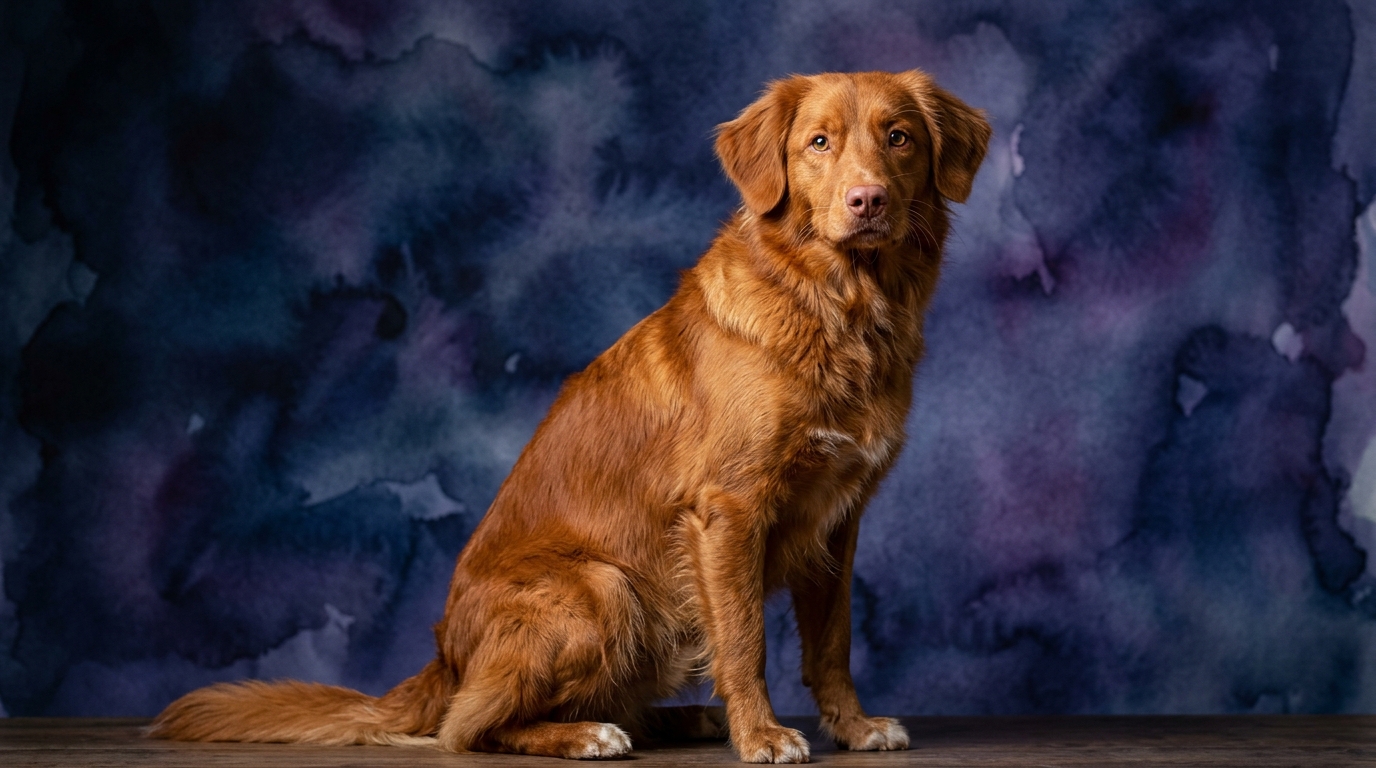
For the **Nova Scotia Duck Tolling Retriever**, a Sporting group dog, their cognitive profile is deeply rooted in their original function: luring and retrieving waterfowl. Their **Problem Solving (3/5)** typically involves strategic thinking within a task-oriented framework, such as figuring out the most efficient path to retrieve a hidden object or navigating complex terrain. They are adept at understanding the 'how' within a defined goal. Their **Training Speed (3/5)** reflects a good capacity for learning commands and sequences, often driven by an eagerness to work collaboratively with their handler, especially when tasks involve retrieve-like activities. This breed's **Social Intelligence (3/5)** is primarily geared towards reading human cues and intentions, crucial for effective teamwork in the field, allowing them to anticipate directions and respond appropriately during a hunt. The **Instinctive Drive (3/5)** is undeniably strong, centered on their innate desire to lure, retrieve, and engage with water, making these activities highly motivating and reinforcing. Finally, their **Memory (3/5)** supports their ability to recall complex retrieve patterns, remember specific locations where objects were dropped, and retain sequences of commands over time.
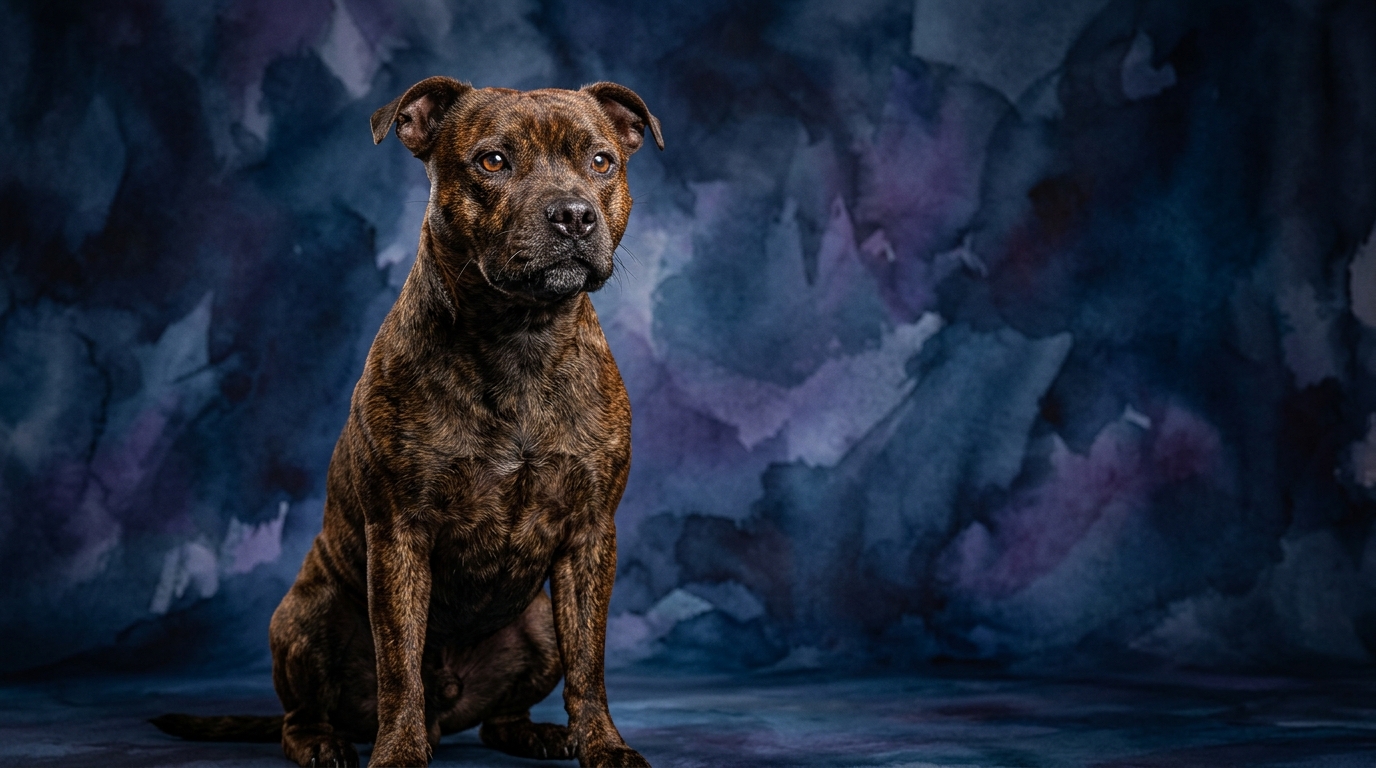
The **Staffordshire Bull Terrier**, a Terrier group dog, carries a heritage that evolved from fighting dogs to cherished companions, shaping a different cognitive expression. Their **Problem Solving (3/5)** often manifests as a tenacious approach to overcoming obstacles, whether it's figuring out a puzzle feeder, finding a hidden toy, or persisting through a challenge. They demonstrate a resilient determination. Their **Training Speed (3/5)** indicates a solid ability to learn, but their strong will and independent streak mean training success often hinges on engaging their interest and making the process enjoyable and rewarding, rather than simply following commands. The Staffy's **Social Intelligence (3/5)** is profoundly expressed in their deep emotional connection with humans. They excel at reading the moods and intentions of their family members, often seeking proximity and offering comfort, reflecting their strong companion drive. Their **Instinctive Drive (3/5)** is characterized by gameness and tenacity, which can translate into a powerful prey drive, an enthusiastic approach to play, or unwavering focus on a desired object or interaction. Their **Memory (3/5)** is robust, allowing them to retain routines, recognize familiar faces and places, and remember past interactions, contributing significantly to their strong family bonds and adaptability within their home environment.
Where the Nova Scotia Duck Tolling Retriever Wins Cognitively
Despite identical scores, the Toller often demonstrates a cognitive edge in tasks requiring sustained, goal-oriented focus within a structured environment. Their inherent purpose as a working retriever means they naturally excel at multi-step tasks that culminate in a specific outcome, such as retrieving. This involves not just memory for commands, but also the ability to strategize the most efficient route, adapt to environmental changes (like water currents or dense cover), and maintain concentration over extended periods.
Their problem-solving, while rated 3/5, is particularly refined for practical application in fieldwork. They are adept at learning and applying complex sequences for retrieving, often demonstrating an impressive understanding of 'what comes next' in a series of commands. This capacity for sequential learning and execution, coupled with their strong drive to please a handler in a working context, gives them a distinct advantage in canine sports like obedience, agility, and especially retrieving trials where precision and sustained attention are paramount.
Where the Staffordshire Bull Terrier Wins Cognitively
The Staffordshire Bull Terrier's cognitive strengths shine in areas demanding resilience, adaptability in social contexts, and an unwavering determination. While their problem-solving is also rated 3/5, it's often characterized by a tenacity that allows them to persist through challenges that might deter other breeds. This can be seen in their relentless pursuit of a favored toy or their cleverness in figuring out how to access something they desire, often employing a trial-and-error approach with great resolve.
Their social intelligence, also 3/5, is arguably more nuanced in its application to human-canine bonding and family dynamics. Staffies possess an exceptional ability to read and respond to human emotions, making them incredibly empathetic companions. They excel at adapting to various social situations within a family unit, often demonstrating a remarkable capacity for forming deep, intuitive bonds. This emotional intelligence, coupled with their physical robustness, allows them to navigate complex social interactions with both humans and, when properly socialized, other animals, showing a resilient and adaptable social cognition.
Which is Easier to Train and Why
Determining which breed is 'easier' to train is less about raw intellectual capacity and more about training methodology and alignment with innate drives. The Nova Scotia Duck Tolling Retriever, with its strong working drive and inherent eagerness to collaborate on tasks, often appears easier to train for obedience and retrieve-based activities. Their desire to work alongside their handler, coupled with their sustained focus on a task, means they often respond well to positive reinforcement methods that incorporate their natural instincts.
The Staffordshire Bull Terrier, while equally capable of learning, can present a different training dynamic due to their strong will and independent streak. Training a Staffy requires consistency, patience, and a deep understanding of their motivations. They learn best when training is engaging, fun, and perceived as a collaborative game rather than a series of strict commands. Their tenacity means they might push boundaries, requiring a handler who is firm, fair, and creative in maintaining their interest and respect. Therefore, while both learn effectively, the Toller's inherent 'eagerness to please' in a working context might make them seem more straightforward for traditional obedience, whereas the Staffy's training often requires a more nuanced, relationship-focused approach.
Which Suits Active Owners vs. Relaxed Owners
The Nova Scotia Duck Tolling Retriever is undeniably suited for active owners who can provide consistent outlets for their strong physical and mental energy. Their 3/5 instinctive drive for luring and retrieving means they thrive on activities like long runs, swimming, fetch, and canine sports that mimic their historical work. Owners who enjoy outdoor adventures, participate in dog sports, or are willing to engage in daily structured training sessions will find the Toller a fulfilling companion. Without sufficient stimulation, their active minds and bodies can lead to boredom and undesirable behaviors.
The Staffordshire Bull Terrier, while robust and energetic, can adapt more readily to a broader spectrum of owner lifestyles. They require regular exercise to maintain physical health and mental well-being, enjoying brisk walks, play sessions, and interactive games. However, their deep social intelligence and desire for companionship mean they are also content to relax with their family once their exercise needs are met. They are often described as 'nanny dogs' due to their affectionate nature and patience, making them suitable for owners who appreciate a balance of activity and affectionate downtime at home.
The Verdict
Choose the Nova Scotia Duck Tolling Retriever if you are an active individual or family seeking a highly engaged canine partner for outdoor adventures, dog sports, and consistent mental challenges.
Opt for the Staffordshire Bull Terrier if you desire a devoted, emotionally intelligent companion who thrives on close family bonds and can adapt to a balanced lifestyle of activity and affectionate relaxation.
🧠 Find Your Pet's IQ Score
Our Pet IQ Lab assessment covers 25+ tests across 5 cognitive dimensions — personalized to your breed.
Take the Full IQ Test →Frequently Asked Questions
Do identical IQ scores mean these breeds are equally easy to live with?
No, identical IQ scores indicate similar cognitive capacities across dimensions, but their inherent drives and temperaments, shaped by breed history, result in vastly different living experiences. Understanding their specific motivations is key.
Can a Staffordshire Bull Terrier participate in dog sports like a Toller?
Absolutely, Staffies can excel in various dog sports like agility, obedience, and even flyball, often bringing great tenacity and athleticism. However, their motivation might differ from a Toller's, requiring a handler to make training highly engaging and fun to maintain interest.
Are Nova Scotia Duck Tolling Retrievers good family dogs?
Yes, Tollers can be wonderful family dogs, known for being affectionate and playful with their family members. However, their high energy and need for mental stimulation mean they thrive best in active households that can meet their considerable exercise and training requirements.