
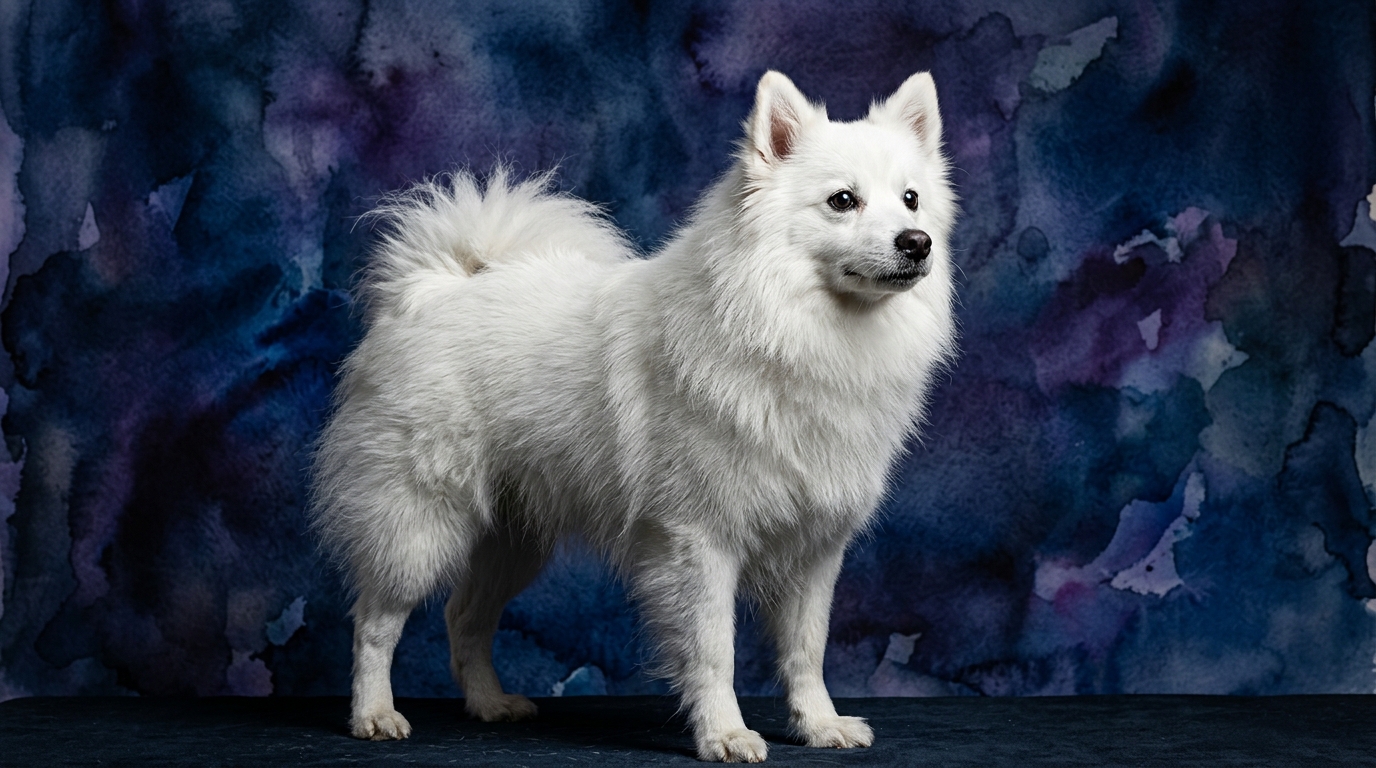
A Side-by-Side Look at Their Cognitive Profiles
The Cosmic Pet Pet IQ Lab offers a fascinating glimpse into the cognitive strengths of our canine companions, and for the Old English Sheepdog (OES) and American Eskimo Dog (Eskie), the scores present a nuanced picture. Both breeds achieve a respectable 3/5 in Problem Solving, indicating they possess a solid capacity to navigate new challenges and figure out how to achieve desired outcomes, whether that's opening a gate or retrieving a hidden toy. This score suggests they are neither master strategists nor easily baffled, but rather consistent in their ability to learn and adapt to various situations.
In terms of Training Speed, both dogs also land at 3/5, meaning they can grasp new commands and routines with moderate repetition and consistent effort. They aren't instant learners who pick up every cue on the first try, but they are certainly capable and willing partners in the learning process. This common score suggests that patience and clear communication are valuable assets when teaching either an OES or an Eskie new behaviors, ensuring the lessons stick over time.
Social Intelligence, another shared 3/5 score, points to both breeds' ability to interpret human cues and interact appropriately within a family structure. They are attuned to their owners' moods and intentions, fostering strong bonds and reciprocal relationships. This level of social understanding means they are generally responsive to praise and correction, making them engaging members of a household.
Instinctive Drive also stands at 3/5 for both the OES and the Eskie, revealing a moderate inherent motivation to engage in breed-specific behaviors. For the Old English Sheepdog, this drive often manifests as a desire to 'herd' family members or objects, a remnant of their working past. The American Eskimo Dog, on the other hand, might exhibit this as an alert watchfulness, often using their voice to signal perceived changes in their environment, reflecting their historical role as a companion and protector.
The most significant divergence in their Pet IQ profiles lies in Memory. The Old English Sheepdog boasts an impressive 4/5, indicating a superior capacity for recalling past experiences, commands, and routines over extended periods. In contrast, the American Eskimo Dog scores 3/5 in Memory, suggesting a good but not exceptional ability to retain information. This difference in memory is a key factor influencing their long-term training retention and how they navigate their daily lives, offering a primary point of distinction between these two otherwise cognitively similar breeds.
Where the Old English Sheepdog Excels Cognitively
The Old English Sheepdog's cognitive strengths primarily stem from its robust memory and its historical role as a herding animal. With a Memory score of 4/5, the OES demonstrates an exceptional ability to recall complex sequences of commands, remember specific locations, and retain lessons from past experiences. This superior recall means that once a skill or behavior is learned, it is likely to be deeply ingrained, reducing the need for constant re-teaching and making them reliable partners in advanced training or sports.
Furthermore, the OES holds a Coren rank of #44, placing them firmly within the 'Above Average Working Intelligence' category. While the Pet IQ Lab scores provide a detailed breakdown, Coren's ranking reflects a broader consensus on a breed's capacity for obedience and working ability, suggesting a strong aptitude for understanding and executing human directives. This ranking implies that beyond their individual cognitive dimensions, the OES possesses a cohesive mental framework that allows them to readily process and respond to training.
Their instinctive drive, while rated 3/5, is specifically geared towards herding, a task that inherently requires complex problem-solving and strategic thinking. An OES isn't just moving animals; they are anticipating their movements, using spatial reasoning, and adapting their approach based on the flock's behavior. This specific application of their moderate instinctive drive showcases a sophisticated form of applied intelligence, where their problem-solving skills are honed by centuries of selective breeding for a demanding occupation.
Where the American Eskimo Dog Shines Cognitively
The American Eskimo Dog, while not Coren-ranked, presents its own distinct cognitive advantages, particularly in areas that support its role as an engaging companion. Their 3/5 score in Problem Solving, combined with their 3/5 Social Intelligence, often manifests as a clever resourcefulness within a domestic environment. Eskies are adept at figuring out how to get attention, open cabinets, or manipulate situations to their advantage, often using their charm and vocalizations to communicate their desires effectively.
Unlike the OES, whose instinctive drive is tied to a specific working function, the Eskie's 3/5 Instinctive Drive is more broadly applied to their environment. This often translates into an exceptional alertness and watchfulness, making them excellent, albeit sometimes vocal, guardians of their home. Their cognitive energy is channeled into observing their surroundings, identifying novel stimuli, and alerting their family to any perceived changes, a valuable trait for a companion dog.
Moreover, the Eskie's placement in the Non-Sporting group, and their historical development as versatile companions, suggests a strong cognitive adaptability to varied living situations. They don't require a specific 'job' in the same way a herding dog might; instead, their intelligence thrives on interactive play, mental enrichment games, and being an integral part of family life. This cognitive flexibility allows them to integrate seamlessly into diverse households, from urban apartments to suburban homes, provided their needs for engagement are met.
Training: Old English Sheepdog vs. American Eskimo Dog
When it comes to training, the Old English Sheepdog generally holds an edge, primarily due to its superior memory and higher Coren ranking. While both breeds share a 3/5 Training Speed, meaning they both learn at a consistent pace, the OES's 4/5 Memory ensures that once a command is learned, it is retained with greater longevity. This means fewer refresher sessions are needed, and complex multi-step commands can be built upon more effectively over time. Their Coren rank of #44 further underscores their general responsiveness and willingness to obey learned commands, making them more straightforward for formal obedience work.
However, the OES's 3/5 Instinctive Drive, specifically its herding nature, can present a unique training challenge. While this drive can be channeled into productive activities like agility or herding trials, it can also manifest as a desire to 'herd' children, other pets, or even moving cars. A trainer must understand and redirect this instinct rather than suppress it, requiring a nuanced approach to leverage their intelligence effectively.
The American Eskimo Dog, with its 3/5 Training Speed and 3/5 Memory, will require more consistent reinforcement to ensure long-term retention of commands. They are eager to please their families, thanks to their 3/5 Social Intelligence, which can be a strong motivator in training. However, their moderate instinctive drive often includes a tendency towards vocalization and an independent streak that can test a trainer's patience. They might be quicker to learn fun tricks that involve interaction and attention-seeking, but formal obedience might demand more repetitive practice.
Ultimately, while both are capable learners, the OES is likely easier to train for structured obedience and complex tasks due to its memory and inherent working intelligence. The Eskie, while trainable, may require more creative and engaging methods, along with greater consistency, to solidify behaviors and manage its vocal nature.
Matching Breeds to Lifestyles: Active vs. Relaxed Owners
Choosing between an Old English Sheepdog and an American Eskimo Dog also involves aligning their inherent energy levels and cognitive needs with an owner's lifestyle. The Old English Sheepdog, with its herding heritage and moderate instinctive drive (3/5), thrives with active owners who can provide consistent mental and physical engagement. They need more than just a walk; they benefit from structured activities, such as advanced obedience, dog sports like agility or rally, or even opportunities for supervised 'herding' games. Their robust memory (4/5) means they can excel in learning complex routines, making them ideal for owners who enjoy dedicating time to training and active pursuits. A relaxed owner who cannot provide sufficient outlets for their energy and cognitive abilities might find an OES prone to boredom and undesirable behaviors.
The American Eskimo Dog, while part of the Non-Sporting group, is by no means a sedentary companion. Their 3/5 Problem Solving and 3/5 Instinctive Drive mean they require regular stimulation, but perhaps less intense and structured than an OES. They are best suited for moderately active owners who enjoy interactive play, daily walks, and incorporating their dog into family activities. Eskies thrive on being central to their family's life, and their social intelligence (3/5) makes them responsive to attention and engagement. They can adapt well to various home environments, provided they receive consistent mental enrichment through games, puzzles, and interactive companionship.
Therefore, the Old English Sheepdog is a better fit for highly active owners who are committed to structured training, dog sports, and providing consistent 'work' for their dog's mind and body. The American Eskimo Dog, on the other hand, suits moderately active owners who seek an engaging, interactive companion that thrives on being an integral part of family life and enjoys regular, but not necessarily intense, physical and mental activity. Both breeds need engagement, but the *type* and *intensity* of that engagement differ significantly.
The Verdict
Choose an Old English Sheepdog if you are an active owner seeking a dog for structured training, potential dog sports, and appreciate a companion with exceptional memory and a history of complex working roles. Be prepared for their grooming needs and commitment to consistent engagement.
Opt for an American Eskimo Dog if you desire an alert, engaging companion who thrives on family interaction, enjoys moderate activity, and can adapt well to various living situations, provided they receive regular mental stimulation and companionship.
🧠 Find Your Pet's IQ Score
Our Pet IQ Lab assessment covers 25+ tests across 5 cognitive dimensions — personalized to your breed.
Take the Full IQ Test →Frequently Asked Questions
Are Old English Sheepdogs difficult to groom?
Yes, Old English Sheepdogs possess a thick, shaggy double coat that requires significant and consistent grooming to prevent matting and maintain skin health. Owners should be prepared for regular brushing sessions, often daily, and professional grooming appointments every few months.
Do American Eskimo Dogs bark frequently?
American Eskimo Dogs are often quite vocal, known for their tendency to bark to alert their families to perceived changes in their environment or to express their excitement. Consistent training and socialization from an early age can help manage this trait, but their inherent watchfulness means they will likely remain alert communicators.
Can Old English Sheepdogs live comfortably in an apartment?
While possible with dedicated effort, living in an apartment can be challenging for an Old English Sheepdog due to their large size and significant need for mental and physical exercise. They require extensive daily walks, playtime, and structured activities to prevent boredom and ensure their well-being in a smaller space.