Side-by-Side IQ Profile
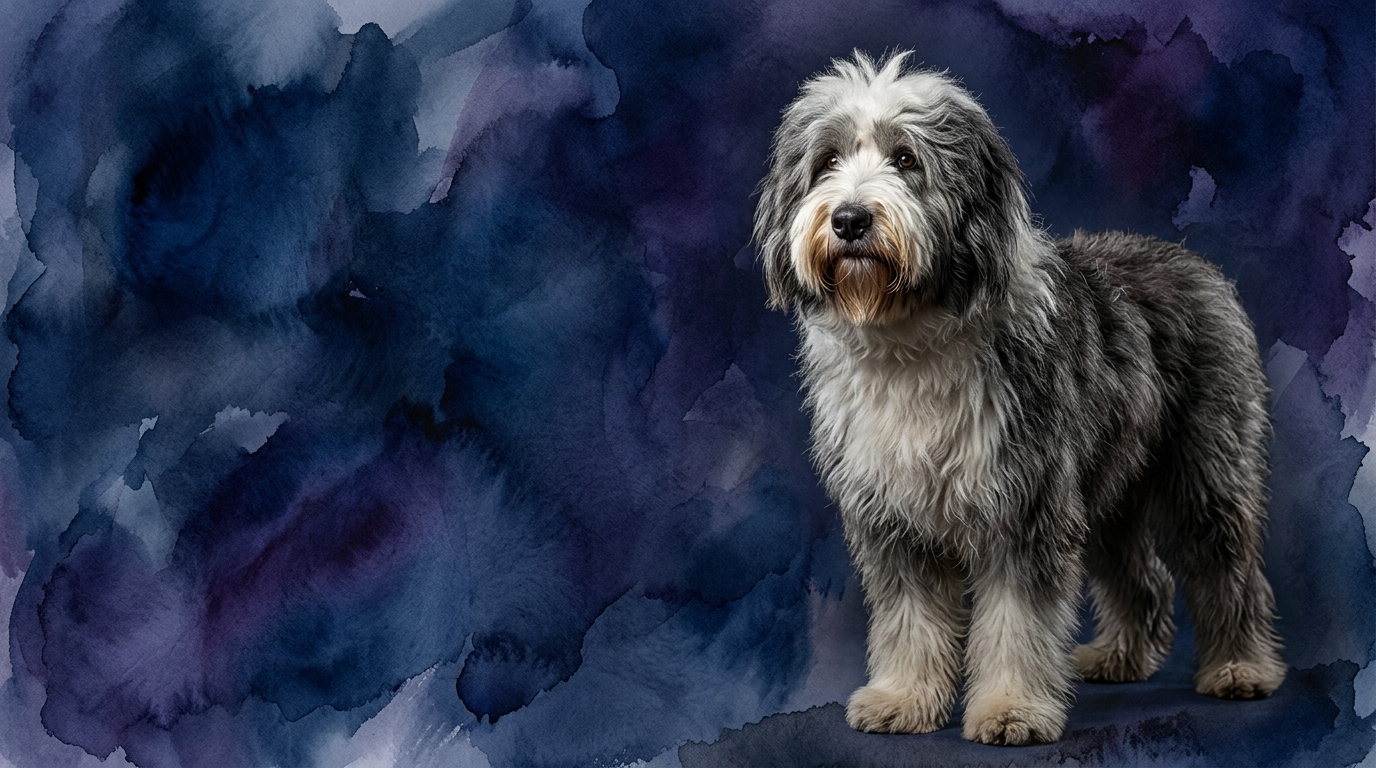
**Old English Sheepdog (Herding Group, Coren Rank #44):** The Old English Sheepdog demonstrates a moderate ability to navigate novel situations and figure out solutions (Problem Solving: 3/5). This manifests in their capacity to understand how to move livestock, requiring them to assess the environment and adjust their approach, though they may not always devise the most innovative strategies without prior experience. Possessing a moderate training speed (Training Speed: 3/5), OES respond well to consistent, positive reinforcement methods; they are not the quickest learners, but with patience and clear communication, they are capable of mastering a wide array of commands. OES exhibit a moderate level of social intelligence (Social Intelligence: 3/5), adept at reading human emotions and intentions within their familiar social circle, forming strong bonds with their families. Their instinctive drive (Instinctive Drive: 3/5), rooted in their herding heritage, is moderate, meaning they possess an innate desire to gather and control, which might manifest as gentle nudging or attempts to 'herd' family members. A notable strength for the Old English Sheepdog is their strong memory (Memory: 4/5); they retain commands, learned behaviors, and past experiences with considerable recall, contributing significantly to the long-term effectiveness of their training.
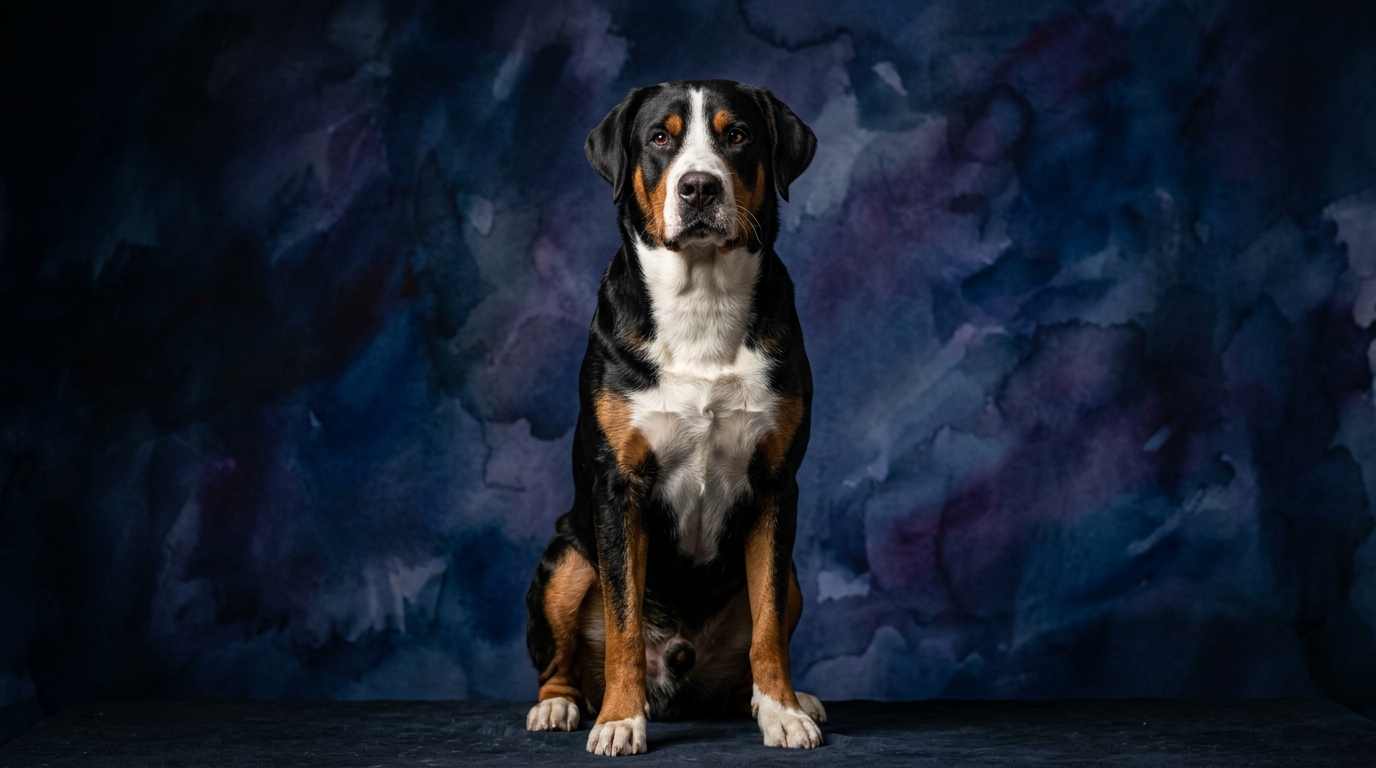
**Greater Swiss Mountain Dog (Working Group, Not Coren-ranked):** The Greater Swiss Mountain Dog shares a moderate problem-solving capacity (Problem Solving: 3/5), often applying it to practical, physical challenges. Their approach to overcoming obstacles tends to be direct and robust, rather than subtle or abstract, allowing them to figure out how to open gates or navigate familiar terrains. GSMD also exhibit a moderate training speed (Training Speed: 3/5); while they are capable learners, their independent working dog temperament can sometimes lead to a more deliberate pace, responding best to fair, consistent, and reward-based training. Their social intelligence is moderate (Social Intelligence: 3/5), characterized by a deep loyalty to their immediate family, making them generally good at discerning the mood of their owners, though they can be more reserved around strangers. The Greater Swiss Mountain Dog's instinctive drive (Instinctive Drive: 3/5), also rated as moderate, manifests as a strong desire to 'have a job' and to use their considerable physical capabilities, such as pulling or guarding. The GSMD possesses a moderate memory (Memory: 3/5); they retain learned commands and routines, and will remember past experiences, but perhaps not with the same depth or long-term precision as the Old English Sheepdog, benefiting from consistent reinforcement.
Where Old English Sheepdog Wins Cognitively
The Old English Sheepdog distinctly shines in the realm of memory, scoring a 4/5 compared to the Greater Swiss Mountain Dog's 3/5. This superior retention capacity means an OES is more likely to recall complex sequences of commands or learned behaviors even after extended periods without practice. For an owner interested in advanced obedience, agility, or even intricate trick training, this strong memory translates to greater efficiency and less need for repetitive refreshers. Their Coren rank of #44 further underscores their general adaptive intelligence and willingness to learn and retain, a characteristic that makes them particularly adept at understanding and adhering to human directives over the long term. This cognitive edge in memory allows them to build a more extensive repertoire of knowledge and skills throughout their lives, making them highly receptive to continuous learning and refinement of behaviors.
Where Greater Swiss Mountain Dog Wins Cognitively
While the Greater Swiss Mountain Dog’s numerical scores mostly align with or fall slightly below the OES, their 'wins' lie in the *application* of their moderate cognitive abilities within their working heritage. Their 3/5 problem-solving and instinctive drive, combined with their physical prowess, are geared towards a unique steadfastness and resilience in practical, often physically demanding tasks. For instance, their problem-solving might be less about abstract puzzles and more about understanding the most efficient way to pull a heavy cart or effectively patrol a property. Their moderate social intelligence often translates into a discerning loyalty, making them excellent watchdogs who carefully evaluate strangers before accepting them. This practical, robust application of their intelligence, focused on strength, endurance, and protective instincts, gives them an edge in roles requiring physical reliability and a more reserved, yet deeply committed, temperament. They excel at understanding and performing tasks that require physical and mental fortitude rather than intricate intellectual agility, showcasing a grounded, purposeful form of cognition.
Which Is Easier to Train and Why
Based on their cognitive profiles, the Old English Sheepdog generally presents as the easier breed to train, primarily due to their superior memory (4/5 versus GSMD's 3/5) and their Coren ranking, which places them well within the above-average working/obedience intelligence category. A stronger memory means the OES will solidify new commands and routines more quickly and retain them for longer periods, reducing the need for constant repetition. Their herding background, which often involves working closely with humans and responding to complex cues, contributes to their inherent willingness to learn and comply. The Greater Swiss Mountain Dog, while certainly trainable, can exhibit a more independent and sometimes stubborn streak, characteristic of many working breeds. Their moderate training speed and memory mean that while they *will* learn, the process may require greater patience, consistency, and a firmer, yet fair, hand to overcome their occasional strong-willed nature. They demand an owner who understands how to motivate a physically robust and purposeful breed, whereas the OES might be more naturally inclined to please and remember, often responding with enthusiasm to positive reinforcement.
Which Suits Active Owners vs. Relaxed Owners
The choice between these two breeds also hinges significantly on an owner's lifestyle and activity level. The Old English Sheepdog, despite its shaggy appearance, is a herding breed that requires a moderately active owner. They need regular exercise—daily walks, playtime, or opportunities to run—to satisfy their physical needs and prevent boredom. Their moderate instinctive drive means they appreciate mental stimulation like puzzle toys or training sessions, but they are also generally content to relax indoors with their family after their exercise needs are met. They are not typically high-strung, but neither are they couch potatoes; they thrive with a balanced routine. The Greater Swiss Mountain Dog, conversely, is better suited for active owners who can provide consistent, structured physical activity and a sense of purpose. As a working breed, they possess considerable strength and endurance, and thrive when given a 'job,' whether it's pulling a cart, hiking, or participating in dog sports. Their moderate instinctive drive leans towards wanting to be engaged in purposeful activity. A relaxed, sedentary owner would likely find a GSMD restless and potentially destructive, as their robust physique and drive for activity require significant outlets and consistent engagement.
The Verdict
The Old English Sheepdog is the ideal choice for owners who prioritize a companion with strong memory retention for complex training, appreciating a social, adaptable breed with moderate activity needs and a playful disposition.
The Greater Swiss Mountain Dog is best suited for owners who value a steadfast, robust working dog with a protective inclination, capable of providing consistent, firm, and positive training, alongside ample opportunities for physical engagement and practical, purposeful tasks.
🧠 Find Your Pet's IQ Score
Our Pet IQ Lab assessment covers 25+ tests across 5 cognitive dimensions — personalized to your breed.
Take the Full IQ Test →Frequently Asked Questions
Is the Old English Sheepdog truly smarter than the Greater Swiss Mountain Dog?
Based on their Pet IQ Lab scores, the Old English Sheepdog shows a cognitive advantage in memory (4/5 vs. 3/5) and holds a Coren rank, suggesting higher general adaptive and obedience intelligence. However, the Greater Swiss Mountain Dog's intelligence is highly practical and robust, excelling in tasks requiring physical and mental fortitude, which isn't always captured by typical 'smartness' metrics. Both breeds possess functional intelligence suited to their historical roles.
How does a dog's 'instinctive drive' impact their daily life?
Instinctive drive refers to a dog's inherent, hardwired behaviors specific to its breed's original purpose. For the Old English Sheepdog, this moderate drive might manifest as a tendency to gently 'herd' family members or chase moving objects, requiring redirection. For the Greater Swiss Mountain Dog, their moderate drive translates to a desire for purposeful physical activity and a strong sense of duty, which, if not channeled, can lead to boredom or destructive behaviors.
What kind of mental stimulation do these breeds need given their IQ scores?
Both breeds, with their 3/5 problem-solving and training speed, benefit significantly from consistent mental stimulation. This can include regular obedience training sessions, interactive puzzle toys that challenge their minds, scent work, or learning new tricks. For the Old English Sheepdog, activities that leverage their strong memory, like complex command sequences or agility, are particularly rewarding. For the Greater Swiss Mountain Dog, tasks that engage their physical strength and purposeful drive, such as drafting or advanced obedience with a job-like feel, will keep them mentally content.