
The Cosmic Pet Pet IQ Lab: Side-by-Side Cognitive Profiles
The Cosmic Pet Pet IQ Lab assesses canine intelligence across five key dimensions, offering a nuanced view beyond simple obedience. For the Old English Sheepdog, its cognitive profile reflects its herding background and capacity for cooperative work. Its Problem Solving is rated 3/5, indicating a moderate ability to navigate novel situations, often following learned patterns rather than swift innovation. Training Speed also scores 3/5, meaning it learns new commands at a moderate pace, thriving on consistency and positive reinforcement. Social Intelligence is 3/5, demonstrating a moderate understanding of human cues and family dynamics, generally making them cooperative companions. Instinctive Drive is likewise 3/5, possessing moderate herding instincts that can be channeled into appropriate activities. The OES's standout trait is its Memory at 4/5, exhibiting strong recall for commands, routines, and past experiences, retaining information effectively.
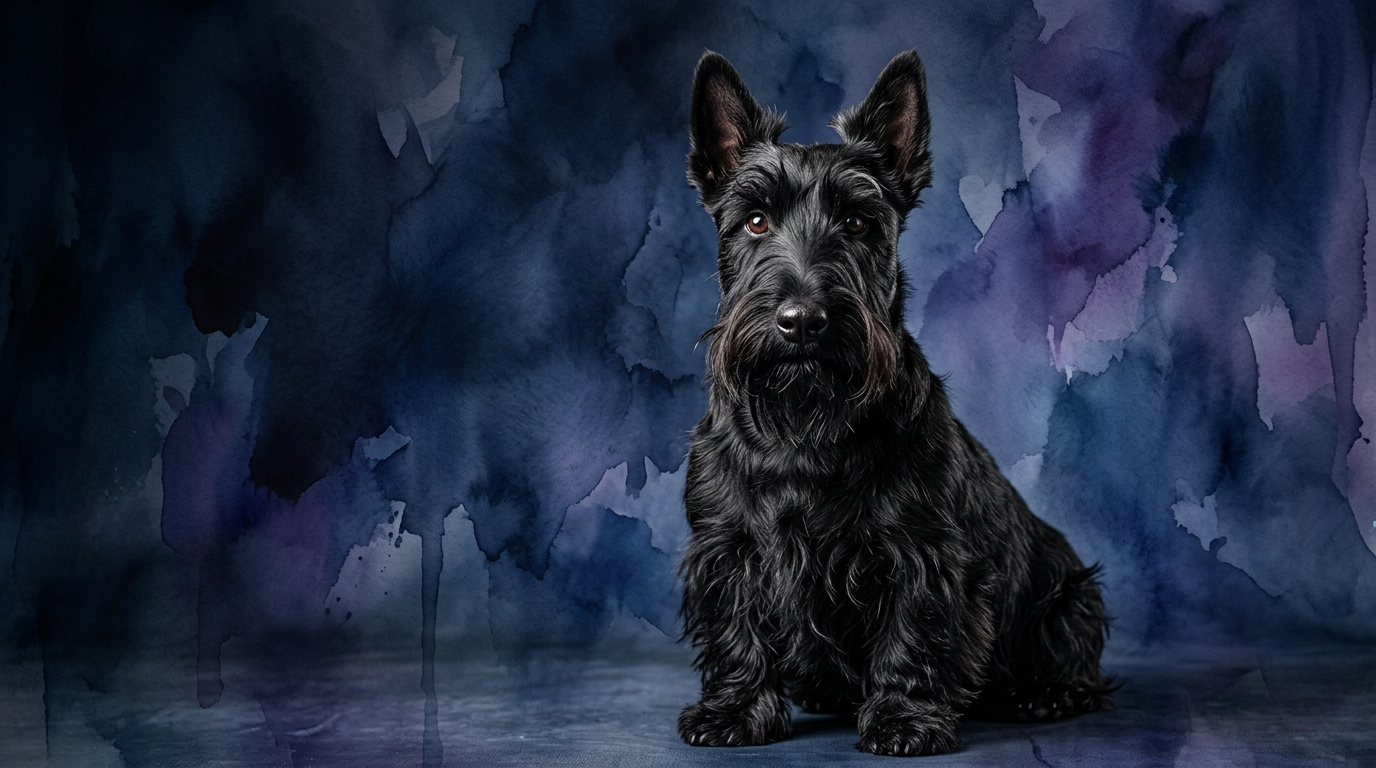
The Scottish Terrier, in contrast, showcases a cognitive makeup shaped by its tenacious terrier role, emphasizing independence and problem-solving through persistence. Its Problem Solving is rated 3/5, approaching challenges with moderate ability, often relying on determination rather than quick strategic shifts. Training Speed scores 3/5, indicating it learns at a moderate pace, though their inherent independence can sometimes pose compliance challenges. Social Intelligence is 3/5, displaying a moderate understanding of social cues, often reserved and selective in interactions. Instinctive Drive is also 3/5, carrying a moderate terrier drive for digging and chasing, requiring specific outlets and management. The Scottie's Memory is 3/5, possessing moderate recall for learned commands and experiences, benefiting from regular refreshers.
Where the Old English Sheepdog Wins Cognitively
The Old English Sheepdog's most pronounced cognitive advantage lies in its superior memory, rated at 4/5. This means they consistently recall learned commands, established routines, and past interactions with greater fidelity, contributing significantly to their reliability and predictability within a household. Their Coren rank of #44 further indicates a general aptitude for obedience and a capacity for working intelligence, a trait historically crucial for understanding and remembering complex signals from a shepherd during intricate herding tasks. While both breeds score 3/5 in social intelligence, the OES's herding lineage often translates into a more outwardly cooperative and family-centric approach to interactions. This nuanced social processing, combined with their robust memory, potentially makes them more attuned to household dynamics and less prone to independent actions that might diverge from human expectations, facilitating smoother integration into family life and group activities.
Where the Scottish Terrier Wins Cognitively
The Scottish Terrier's cognitive strengths, though not always reflected in numerically higher scores, are deeply rooted in their tenacious terrier essence. Their problem-solving, rated 3/5, is distinctly characterized by resolute persistence when faced with a challenge, particularly tasks involving investigation, tracking, or digging. This approach highlights a cognitive style built for individual resourcefulness and determination, rather than collaborative strategy. Their moderate instinctive drive of 3/5 reflects an aptitude for independent vermin control, demanding a specific form of mental resilience and self-reliance without constant human direction. This historical role fosters a capacity for autonomous decision-making in the field, translating to a self-sufficient and determined personality at home. While sharing similar scores in social intelligence and training speed, the Scottie's independence means they process information with a strong sense of self-agency, prioritizing their own objectives and exhibiting a focused grit in pursuing them, making them uniquely adept at self-directed tasks.
Which Is Easier to Train and Why
The Old English Sheepdog generally offers a more straightforward training experience compared to the Scottish Terrier. The OES's Coren rank (#44 vs. #65) immediately signals a greater natural inclination for obedience and responsiveness to human direction. Their superior memory (4/5) is a significant asset, ensuring that once commands or behaviors are learned, they are retained effectively, leading to consistent performance without constant repetition. Their herding ancestry further predisposes them to cooperative work with humans, making them more receptive to guidance and eager to engage in structured learning. While their training speed is 3/5, their willingness to engage and remember reinforces progress, making the overall process more rewarding for an owner.
In contrast, the Scottish Terrier's defining independent nature, a hallmark of its terrier heritage, means they are often less motivated by pleasing their owner and more by their own intrinsic drives and assessments of a situation. Their moderate memory (3/5), coupled with this self-reliant disposition, necessitates greater patience, consistency, and a deep understanding of their unique motivations during training. They might grasp commands at a similar pace but choose to execute them based on their own judgment, making compliance less predictable. Effective training for a Scottie often requires making the desired behavior more rewarding than their independent impulses, demanding a more skilled and persistent approach from the owner.
Which Suits Active Owners vs. Relaxed Owners
The Old English Sheepdog, despite its moderate instinctive drive (3/5), thrives with owners prepared for consistent activity and mental engagement. Their historical role as working dogs means they benefit significantly from structured walks, playtime, and opportunities for problem-solving that tap into their cooperative nature. While not a high-octane athlete requiring extreme endurance, they need outlets for their energy; a truly relaxed owner offering minimal stimulation might find an OES becoming bored or channeling its moderate herding instincts into less desirable behaviors. They suit active owners who enjoy regular training, long walks, and family-inclusive activities that provide both physical and mental enrichment, fostering their responsive and amiable companionship.
The Scottish Terrier, with its moderate instinctive drive (3/5) oriented towards hunting and digging, also benefits from an active owner, though of a different type. They aren't built for prolonged endurance running but require owners who can provide consistent, engaging walks and opportunities for sniffing, exploring, and supervised "hunting" games. Their independent streak means they can appear content when left alone, but they still need mental stimulation to prevent boredom, which often manifests as digging or mischief if not properly managed. They suit owners who appreciate a dog with a distinct personality, are consistent with training, and can provide structured outdoor time that caters to their curious, tenacious nature, rather than expecting constant high-energy interaction. A truly "relaxed" owner offering minimal engagement might struggle with the Scottie's self-directed activities and strong will.
The Verdict
Opt for the Old English Sheepdog if you value a cooperative companion with a strong memory, eager to learn and integrate into family life, and capable of retaining complex routines. They thrive with consistent engagement and owners who appreciate their amiable, responsive nature.
Select the Scottish Terrier if you appreciate a tenacious, independent spirit that offers unique companionship and a resourceful approach to life, and are prepared for a dog that requires patient, consistent training tailored to its self-reliant character.
🧠 Find Your Pet's IQ Score
Our Pet IQ Lab assessment covers 25+ tests across 5 cognitive dimensions — personalized to your breed.
Take the Full IQ Test →Frequently Asked Questions
Do Old English Sheepdogs and Scottish Terriers get along with other pets?
Old English Sheepdogs, with their moderate social intelligence, generally adapt well to other pets, especially if introduced thoughtfully, often displaying a patient and amiable demeanor. Scottish Terriers, while also moderate in social intelligence, can be more selective and may require careful, supervised introductions, particularly with smaller animals due to their ingrained prey drive.
Are Old English Sheepdogs or Scottish Terriers better for first-time dog owners?
The Old English Sheepdog, with its higher Coren rank and superior memory, tends to be more forgiving for first-time owners due to its cooperative nature and easier trainability. The Scottish Terrier's independent streak and need for consistent, firm guidance might present more challenges for those new to dog ownership, requiring a dedicated approach.
What kind of mental stimulation do these breeds need?
Old English Sheepdogs benefit from puzzle toys, obedience training, and activities that leverage their strong memory and desire to work with their owner, like trick training or canine sports. Scottish Terriers thrive on scent work, digging opportunities (in designated areas), and problem-solving games that engage their tenacious, independent hunting instincts and curiosity.