Side-by-Side IQ Profile: Unpacking Canine Minds
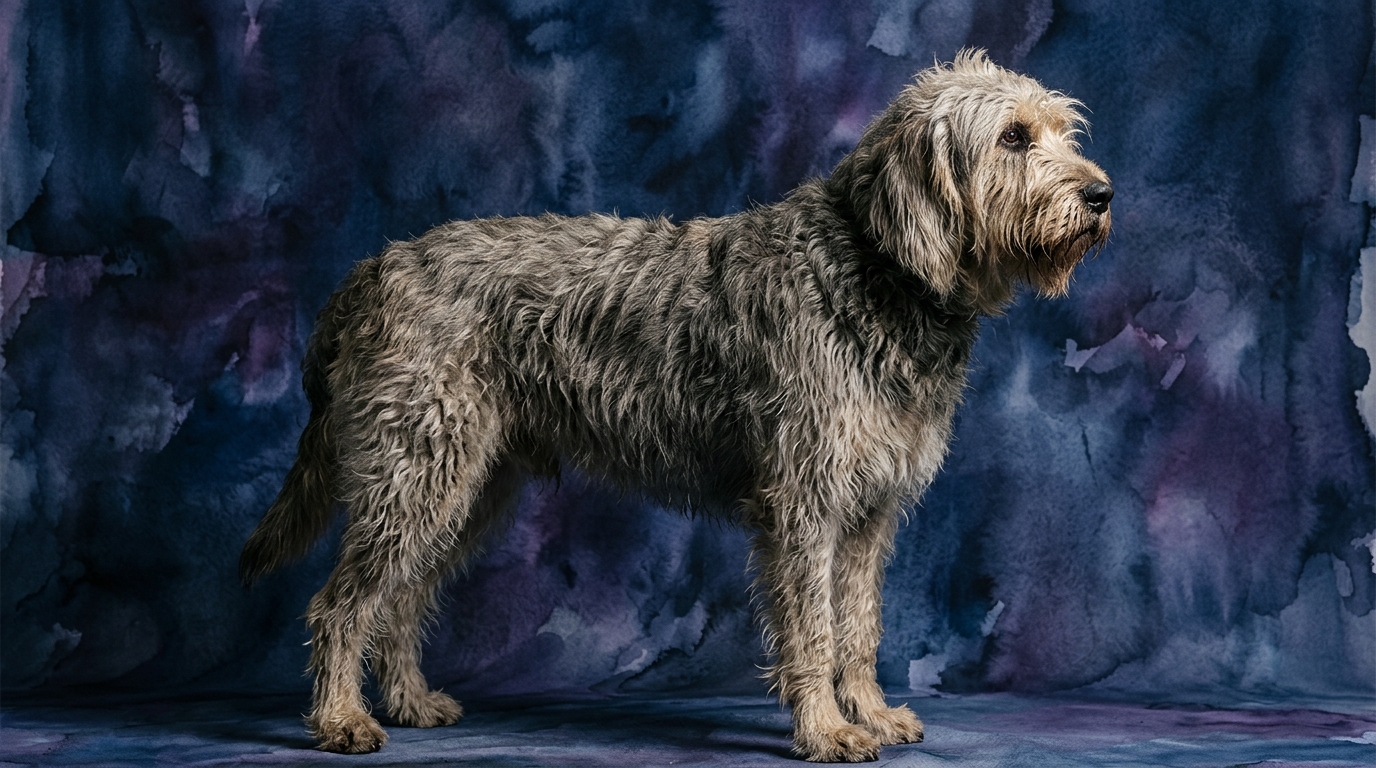
The Cosmic Pet Pet IQ Lab evaluates canine intelligence across five key dimensions, offering a nuanced look beyond generalized perceptions. For the Otterhound, a breed not ranked by Coren, its scores reflect a steady, practical intellect shaped by its working heritage. Its Problem Solving is rated 3/5, indicating an ability to navigate straightforward challenges and learn from experience, typically in a hands-on, investigative manner. Training Speed also sits at 3/5, suggesting a moderate pace of learning new commands and behaviors, requiring consistent and patient instruction. Social Intelligence, at 3/5, means they interact adequately with humans and other dogs, but are not overly people-dependent, maintaining a degree of independent thought. Their Instinctive Drive, also 3/5, points to a discernible, persistent drive, particularly for scent work, which can sometimes override other directives. Finally, Memory at 3/5 implies they retain information sufficiently for daily life and repeated tasks, but may require refreshers for less frequently practiced skills.
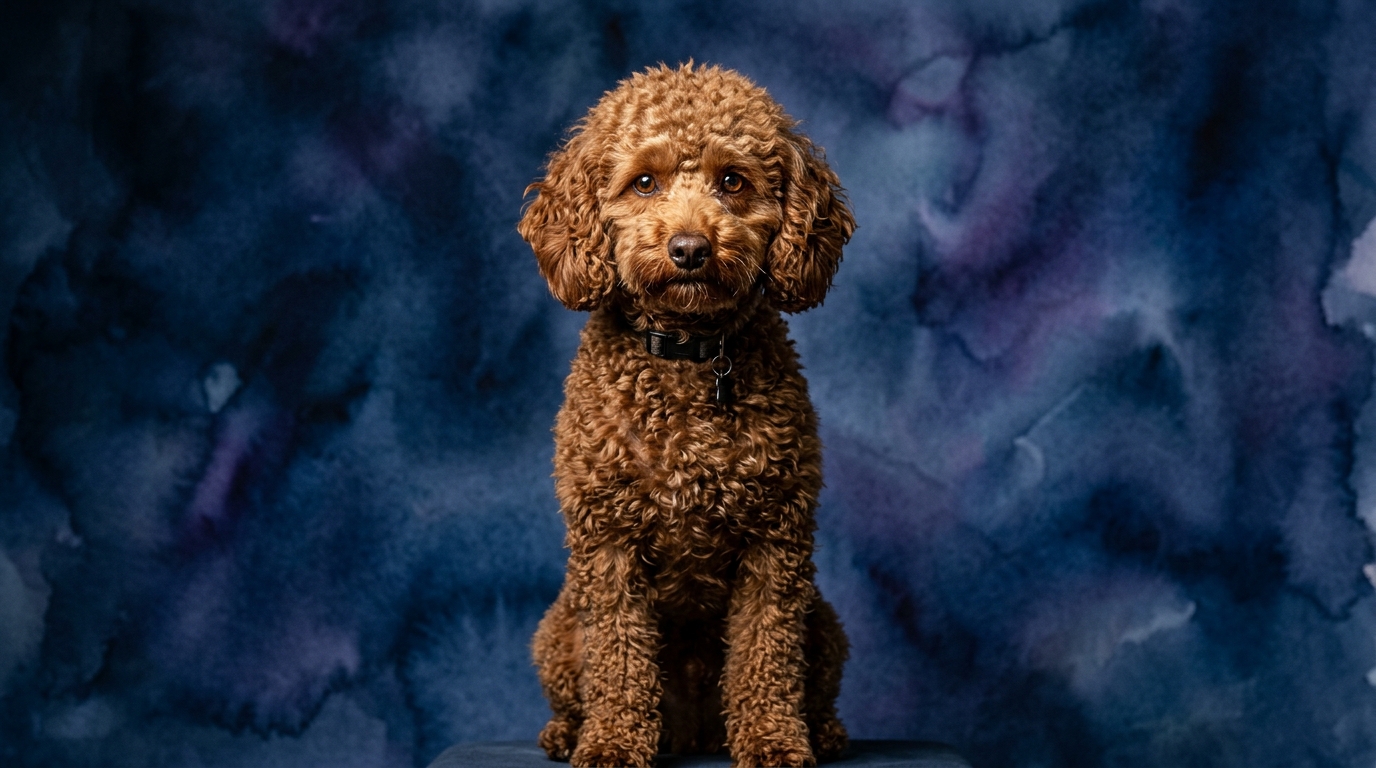
In stark contrast, the Miniature Poodle, famously ranked #2 by Coren, presents a profile marked by exceptional cognitive agility. Its Problem Solving capability shines at 5/5, indicating an aptitude for dissecting complex situations, devising novel solutions, and understanding abstract concepts. Training Speed mirrors this at 5/5, meaning Miniature Poodles typically grasp new commands and routines with impressive rapidity, often after only a few repetitions. Social Intelligence, like the Otterhound, is rated 3/5, suggesting they are responsive and engaged companions without being excessively clingy, capable of independent interaction. Instinctive Drive is also 3/5, reflecting a moderate, adaptable drive that can be channeled into various activities, from retrieving to performance sports. Crucially, their Memory is a strong 5/5, signifying a profound capacity to recall learned behaviors, routines, and past experiences over extended periods, contributing significantly to their ease of training and adaptability.
Where the Otterhound's Cognition Shines Brightest
While the Otterhound's IQ scores might appear modest compared to the Miniature Poodle's, its cognitive strengths lie in a specific, deeply ingrained purpose: independent scent tracking and persistent pursuit. Its 3/5 scores across the board don't signify a lack of intellect, but rather a functional intelligence perfectly suited for its original role. The Otterhound's Problem Solving, though not abstract, excels in practical, environmental challenges, such as deciphering complex scent trails in varied terrains. This involves a keen ability to analyze sensory input, differentiate nuances in odor, and formulate a strategy to follow a fading trail, often without direct human intervention.
Their 3/5 Instinctive Drive, specifically for scent, translates into an unwavering focus and tenacity that can be a cognitive advantage in specific scenarios. When on a trail, an Otterhound exhibits a singular, persistent form of problem-solving, filtering out distractions to achieve its goal. This cognitive persistence, combined with a robust physical constitution, allows them to work independently for extended periods, making decisions based on their sensory input rather than constant human direction. Their moderate Social Intelligence means they are not overly reliant on human cues during these tasks, allowing them to trust their own cognitive processes in the field, a trait highly valued in a working hound.
The Miniature Poodle's Cognitive Edge
The Miniature Poodle's cognitive strengths are evident in its exceptional scores for Problem Solving (5/5), Training Speed (5/5), and Memory (5/5), which collectively paint a picture of a remarkably adaptable and intellectually agile canine. Their superior Problem Solving manifests in an ability to quickly understand and manipulate their environment, solve complex puzzle toys, and even infer solutions to novel situations. This isn't just about following commands; it's about a deep understanding of cause and effect and an eagerness to engage with mental challenges.
The 5/5 Training Speed is a direct reflection of their rapid cognitive processing. They absorb new information with minimal repetition, making them highly receptive to learning a vast repertoire of commands, tricks, and even multi-step routines. This swift acquisition of knowledge is powerfully reinforced by their 5/5 Memory, which ensures that once a concept or command is learned, it is retained with impressive fidelity over time. This combination allows Miniature Poodles to generalize learned behaviors to new contexts and remember past solutions, making them exceptionally versatile companions for a wide array of activities, from obedience and agility to complex service tasks. Their capacity for abstract learning and quick association allows them to thrive in structured learning environments and adapt swiftly to new expectations.
Training: A Tale of Two Learning Styles
When considering ease of training, the differences between these two breeds are pronounced. The Miniature Poodle, with its 5/5 Training Speed and Memory, is generally a joy to train. They possess a natural eagerness to learn and a remarkable ability to connect human cues with desired behaviors rapidly. Their high problem-solving capacity means they often 'figure out' what is expected of them, sometimes even anticipating commands. This allows for efficient, positive reinforcement-based training sessions where new concepts are introduced and solidified quickly. Poodles are often motivated by praise and play, making them highly responsive partners in learning.
The Otterhound, on the other hand, requires a different approach. Its 3/5 Training Speed and Memory indicate that learning will proceed at a more moderate pace, necessitating patience, consistency, and more repetition. Their 3/5 Instinctive Drive, particularly for scent, means they can be easily distracted by compelling environmental stimuli. A scent trail can be far more captivating than a handler's request, requiring owners to make training highly rewarding and engaging to compete with their natural inclinations. Training an Otterhound often involves harnessing their persistence and curiosity, making it a collaborative effort rather than a rapid command-response dynamic. While they are capable of learning, their independent hound nature means they might choose to prioritize their own sensory exploration over immediate compliance, requiring a dedicated and understanding trainer.
Matching Canine Cognition to Lifestyle: Active vs. Relaxed Owners
The cognitive profiles of the Otterhound and Miniature Poodle lend themselves to different owner lifestyles, though both breeds benefit from engagement. The Otterhound, with its strong instinctive drive and robust physique, is best suited for active owners who can provide ample opportunities for physical exercise and, crucially, mental stimulation through scent work. An owner who enjoys long hikes, exploring varied terrains, or participating in scent-related dog sports will find the Otterhound's persistent problem-solving and focused drive a rewarding match. Their independent nature means they thrive with owners who appreciate a dog that thinks for itself, rather than one constantly seeking direction. A relaxed owner might find their energy and tendency to follow their nose overwhelming, leading to a frustrated dog and owner.
The Miniature Poodle, due to its exceptional adaptability and high cognitive function, can surprisingly suit both active and more relaxed owners, provided their mental needs are met. For active owners, Miniature Poodles excel in dog sports like agility, obedience, and rally, where their rapid training speed, memory, and problem-solving skills are invaluable. They thrive on learning complex routines and relish the challenge. For relaxed owners, the key is consistent mental engagement. This can involve daily puzzle toys, learning new tricks, or simply engaging in stimulating play sessions. While they do require regular exercise, their primary need is for their sharp minds to be challenged. An owner who enjoys teaching and interacting intellectually with their dog, whether on a leisurely walk or in a competitive arena, will find the Miniature Poodle a highly gratifying companion.
The Verdict
Choose an Otterhound if you seek a robust, independent companion with a deep love for scent work, valuing persistence and a practical intellect, and are prepared for patient, consistent training.
Opt for a Miniature Poodle if you desire a quick-witted, highly trainable dog capable of mastering complex tasks and adapting to diverse lifestyles, provided their sharp mind receives regular engagement.
🧠 Find Your Pet's IQ Score
Our Pet IQ Lab assessment covers 25+ tests across 5 cognitive dimensions — personalized to your breed.
Take the Full IQ Test →Frequently Asked Questions
Is the Otterhound truly less capable of learning complex tasks than a Miniature Poodle?
Not less capable, but their learning style and speed differ. Otterhounds learn at a moderate pace and their problem-solving is practical, often tied to their environment, whereas Miniature Poodles grasp complex concepts and abstract tasks much faster due to their superior training speed and memory.
How does a Miniature Poodle's high memory score manifest in daily life?
Their strong memory means they retain commands, routines, and past experiences effectively, making them consistent in their learned behaviors and quick to recall solutions to familiar problems or adapt to new situations based on prior knowledge.
Does the Otterhound's instinctive drive make them difficult to live with?
Their instinctive drive for scenting can make them persistent and sometimes distractible outdoors, but with appropriate training, consistent boundaries, and outlets for their energy, it translates into a focused, engaging companion rather than a difficult one, especially for owners who appreciate their hound nature.