Side-by-Side IQ Profile: Understanding the Nuances of 3/5
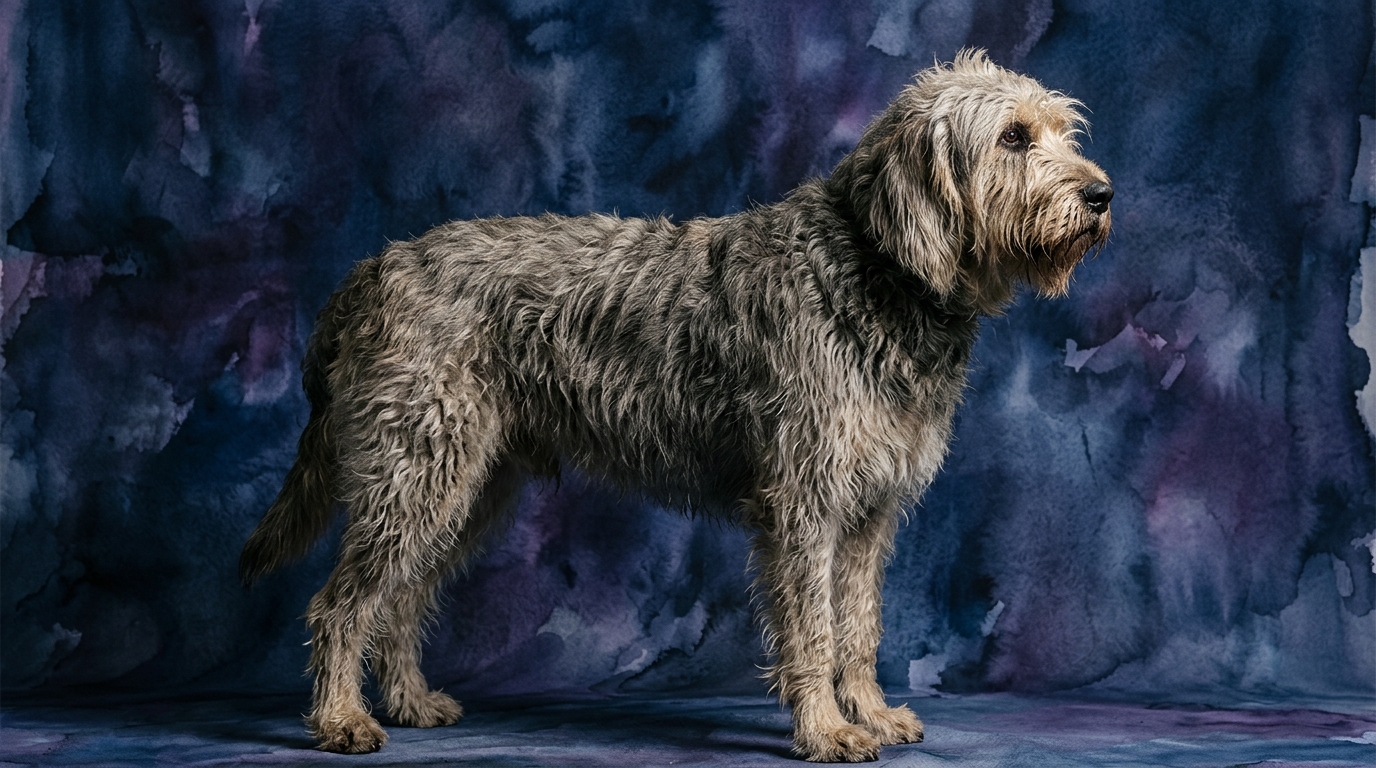
For the Otterhound, a Problem Solving score of 3/5 reflects their persistent, methodical approach to tracking scent, often requiring them to navigate complex environments and overcome obstacles to locate their quarry; their problem-solving is less about quick, abstract thought and more about sustained focus within a sensory-rich task. Their Training Speed of 3/5 means an Otterhound learns at a moderate pace, often requiring repetition and positive reinforcement to cement commands, with their scent-driven nature frequently distracting them unless the reward is compelling. Social Intelligence at 3/5 shows these hounds typically exhibit a genial and outgoing disposition, readily engaging with both familiar humans and other dogs, integrating well into family dynamics though their boisterous enthusiasm might sometimes overshadow subtle social cues. Their Instinctive Drive, also 3/5, is profoundly rooted in scent hunting, driving their curiosity and endurance, meaning their focus can be singularly directed towards a scent trail to the exclusion of other stimuli. Finally, a Memory score of 3/5 indicates Otterhounds possess a good memory for routines, learned commands, and particularly for the locations of interesting scents or rewarding experiences, though a compelling scent trail can easily override other recollections.
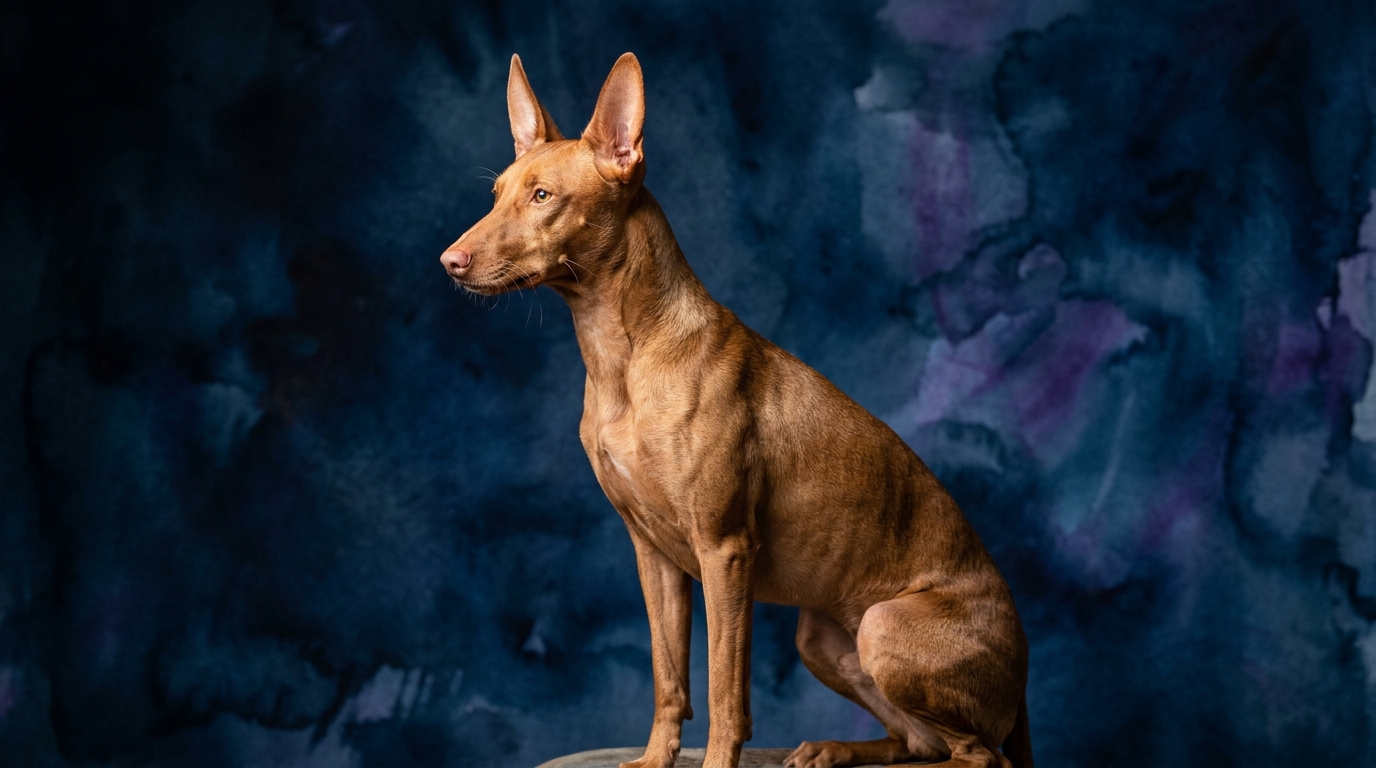
The Pharaoh Hound's Problem Solving at 3/5 often involves keen visual assessment and strategic pursuit, quickly evaluating distances, terrain, and the movement of prey; their cognitive approach is characterized by independent decision-making in open spaces, rather than methodical persistence. Their Training Speed of 3/5 means Pharaoh Hounds can grasp new concepts with moderate speed, particularly when training is engaging, positive, and varied, but their sensitive nature means they respond best to gentle, consistent methods, and their sighthound independence can lead to a perceived slowness if they deem a task uninteresting. Their Social Intelligence at 3/5 often displays a reserved but affectionate social style, forming deep bonds with their immediate family while remaining somewhat aloof with strangers, expressed through subtle body language and a preference for calm interactions. An Instinctive Drive of 3/5 highlights their powerful sighthound instinct to chase and run, activated by movement and visual stimuli, making them highly attuned to their visual environment and prone to independent pursuit. Their Memory, also 3/5, demonstrates a good recall for established routines, commands, and the people they trust, but their visual hunting memory means they can quickly 'forget' a command if a moving object triggers their chase instinct.
Where Otterhound Wins Cognitively
Despite identical numerical scores, the Otterhound's cognitive strengths shine particularly in sustained, complex sensory processing, especially related to olfaction. Their problem-solving, rated 3/5, is a testament to their ability to methodically unravel a scent puzzle over long distances and varied terrain, requiring a specific type of cognitive endurance and focus that a sighthound might not prioritize. This isn't about quicker learning in general, but about a deeper, more persistent engagement with a particular class of cognitive challenge, showcasing a specialized application of their intellect. Their 3/5 memory, when applied to scent trails, suggests an impressive capacity to hold and process intricate olfactory information, allowing them to differentiate and follow a specific scent amidst a multitude of competing odors, a task requiring significant working memory and discrimination. This persistent, sensory-driven cognitive style gives them an edge in tasks demanding methodical investigation and unwavering dedication to a specific sensory input, particularly where endurance and detailed sensory interpretation are key.
Where Pharaoh Hound Wins Cognitively
The Pharaoh Hound, while sharing the same 3/5 cognitive ratings, excels in rapid visual processing and independent, strategic decision-making in dynamic environments. Their problem-solving, though numerically equivalent, manifests as an acute ability to assess and react to visual stimuli with incredible speed and precision, a cognitive skill refined for open-field pursuit. This involves quick calculations of trajectory, speed, and spatial awareness, demanding a different kind of mental agility than a scent hound's methodical tracking. Their 3/5 social intelligence, while more reserved, allows for a nuanced understanding of their immediate family's moods and preferences, often expressed through subtle cues rather than overt displays, indicating a refined emotional perception. They possess a keen environmental awareness, quickly discerning changes in their surroundings, which is a key cognitive asset for a breed that relies on visual vigilance and rapid response. This rapid, visually-oriented cognitive approach provides them with an specific advantage in tasks requiring swift observational skills and independent judgment, especially in expansive, open settings.
Which Is Easier to Train and Why
Neither the Otterhound nor the Pharaoh Hound can be definitively labeled 'easier' to train; instead, they present different sets of challenges and rewards, both rated 3/5 for Training Speed. The Otterhound's training journey is often characterized by their jovial but independent spirit and overwhelming dedication to scent. They learn at a moderate pace, but distractions from compelling odors can frequently sidetrack them, making consistency and patience paramount. Successful training with an Otterhound often hinges on making the desired behavior more rewarding than the allure of a new smell, requiring creative positive reinforcement and a good sense of humor from the trainer. Their social intelligence means they enjoy engagement, but their instinctive drive means their focus can be singularly directed, demanding a trainer who can adapt to their sensory world.
The Pharaoh Hound, conversely, brings a sensitive and independent temperament to the training ring. While they can pick up commands with moderate speed, their sighthound nature means they might find repetitive drills tedious and their attention can quickly wander to visual stimuli outside the training context. They respond poorly to harsh methods, shutting down or becoming resistant, making gentle, motivating, and varied training sessions crucial. Their independent problem-solving means they often prefer to figure things out on their own terms, which can be interpreted as stubbornness, requiring a trainer who values collaboration over strict adherence. Ultimately, the 'easier' breed depends entirely on the owner's training style and what kind of cognitive engagement they find rewarding; Otterhounds demand patience against their nose, while Pharaoh Hounds require understanding of their sensitivity and independent spirit.
Which Suits Active Owners vs. Relaxed Owners
For active owners, the Otterhound often proves to be a more suitable companion. Their robust build, love for water, and enduring stamina mean they thrive on long walks, hikes, and engaging in scent-based activities or even dog sports like tracking. Their jovial and sometimes boisterous social intelligence means they enjoy being an integral part of family adventures and are generally up for anything that involves physical activity and exploration. They require consistent mental and physical stimulation to prevent boredom and channel their instinctive drive, making them ideal for owners who enjoy an active outdoor lifestyle that can accommodate their persistent energy.
The Pharaoh Hound, while possessing an incredible burst of speed and a need for regular exercise, often aligns better with owners who appreciate both activity and periods of quiet companionship. They require secure areas where they can gallop freely to satisfy their instinctive drive for chasing, but their sensitive nature and preference for comfort mean they are equally content to lounge elegantly indoors. Their social intelligence, while affectionate with family, is more reserved than the Otterhound's, making them less demanding of constant, boisterous interaction. They suit owners who can provide outlets for their physical energy in controlled environments, but also value a calm, discerning presence in the home, appreciating their independent spirit and need for serene downtime.
The Verdict
Choose the Otterhound if you seek a robust, jovial companion eager for scent-driven adventures and outdoor exploration, whose persistent problem-solving and social nature thrive on active, engaging family life.
Choose the Pharaoh Hound if you appreciate an elegant, sensitive companion that values independent thought and swift visual action, thriving with secure opportunities for running and quiet, affectionate companionship indoors.
🧠 Find Your Pet's IQ Score
Our Pet IQ Lab assessment covers 25+ tests across 5 cognitive dimensions — personalized to your breed.
Take the Full IQ Test →Frequently Asked Questions
Do Otterhounds and Pharaoh Hounds have similar exercise needs?
Both breeds require regular exercise, but their needs differ in quality; Otterhounds need endurance activities and scent work, while Pharaoh Hounds need opportunities for intense, short bursts of running in a secure area.
Are Otterhounds or Pharaoh Hounds better with children?
Otterhounds are generally known for their good-natured, tolerant demeanor with children, though their boisterousness might require supervision; Pharaoh Hounds can be good with respectful children but might prefer calmer interactions due to their sensitive nature.
Which breed is more prone to separation anxiety?
Both breeds can develop separation anxiety if not properly socialized or left alone for excessive periods, but the sensitive Pharaoh Hound might be slightly more prone to stress from isolation due to their deep bond with family.