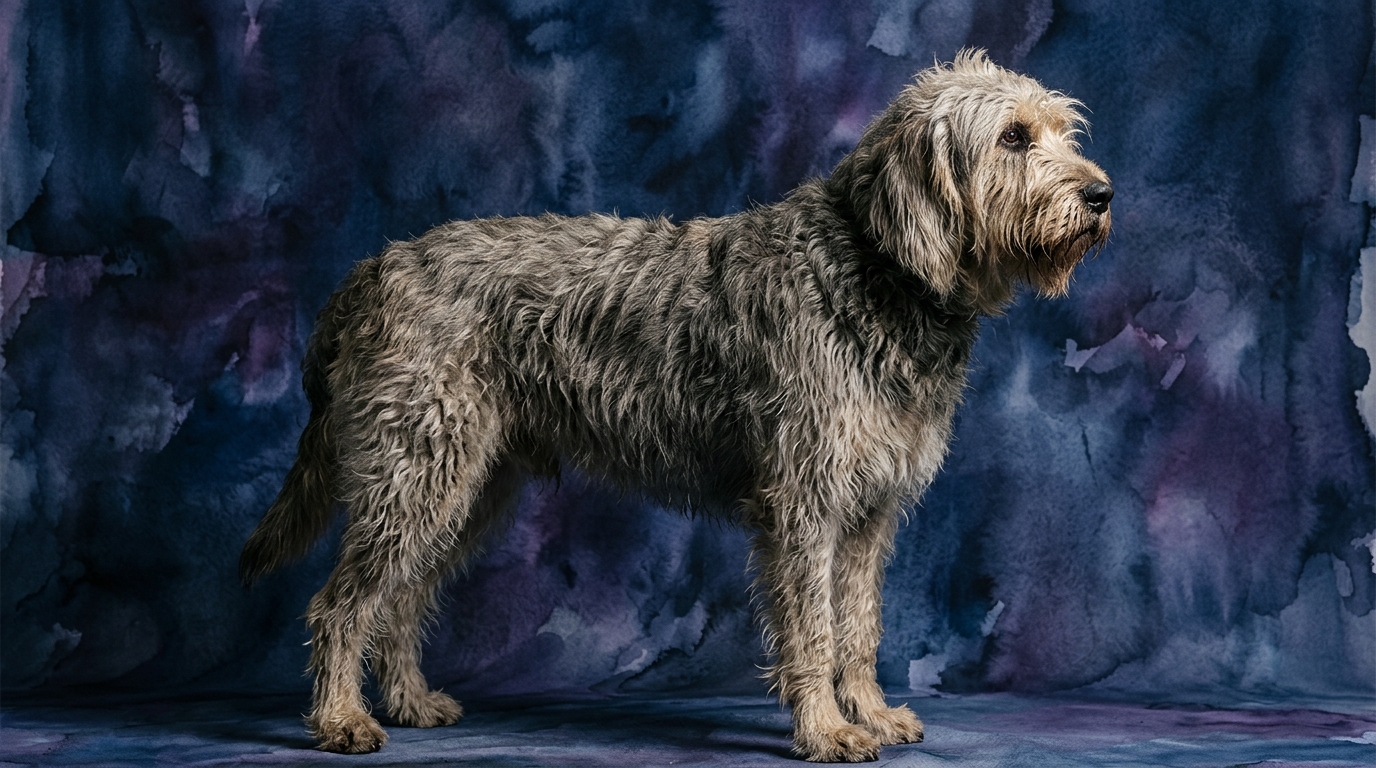
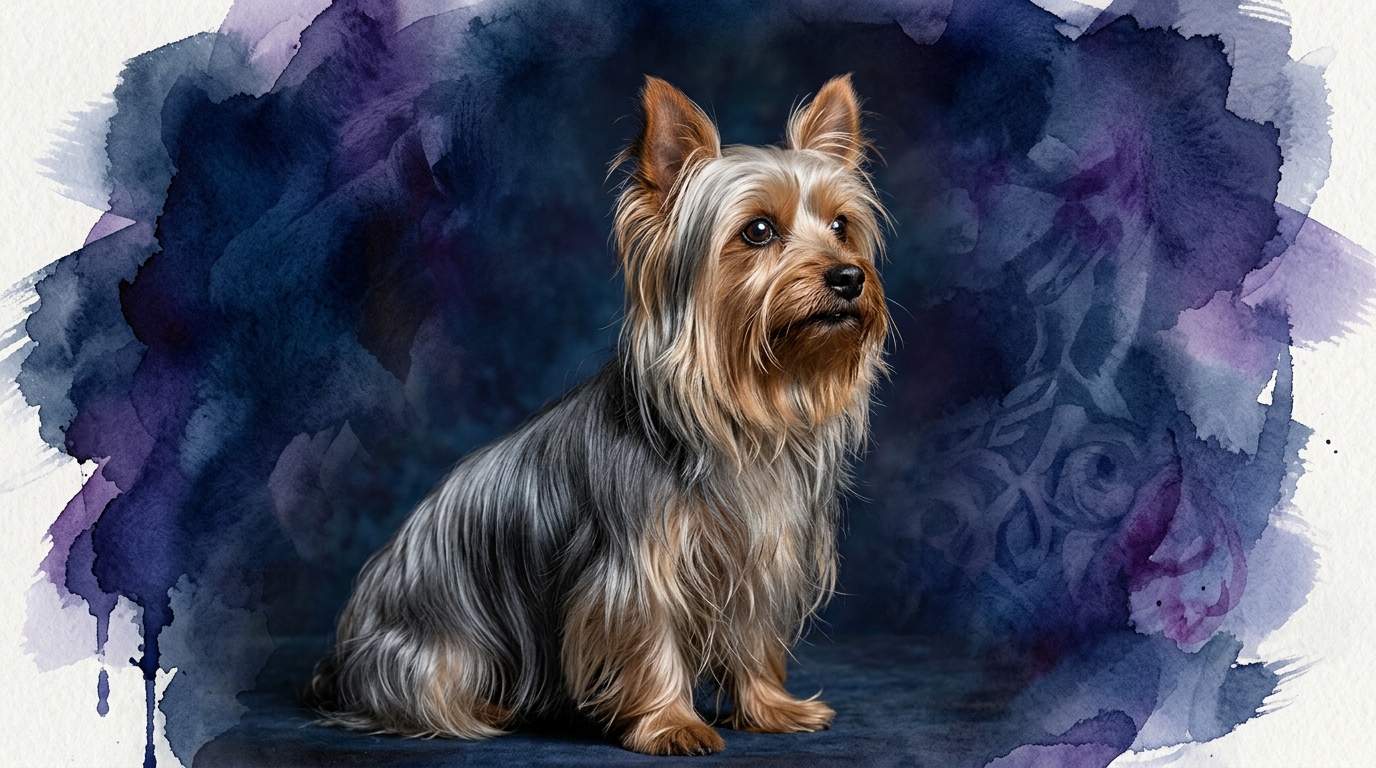
Side-by-Side IQ Profile
**Otterhound (Hound)**
**Problem Solving (3/5)**: This score reflects their methodical approach to scent work, excelling at deciphering complex trails and navigating varied terrain with persistent, sensory-driven deduction, rather than quick, abstract puzzle-solving.
**Training Speed (3/5)**: Otterhounds learn commands at a moderate pace, but their independent nature and strong olfactory focus mean they can be easily diverted by scent, requiring consistent reinforcement and engaging methods.
**Social Intelligence (3/5)**: As a pack hound, their social understanding fosters cooperative interaction within a group, allowing them to read intentions and emotional states adequately, forming strong family bonds.
**Instinctive Drive (3/5)**: This score is overwhelmingly dominated by their profound scenting ability and desire to track, a powerful intrinsic motivation guiding their attention and behavior.
**Memory (3/5)**: Otterhounds demonstrate reliable memory for learned routes, familiar people, and established routines, particularly strong for scent patterns and locations, retaining commands well despite occasional scent-induced "selective deafness."
**Silky Terrier (Toy)**
**Problem Solving (3/5)**: For the Silky, this score reflects their cleverness in navigating domestic environments, figuring out how to access forbidden areas or devising strategies to gain attention with quick, opportunistic ingenuity.
**Training Speed (3/5)**: Silky Terriers are quick learners, absorbing commands with enthusiasm, though a potential terrier stubbornness or independent streak can emerge, requiring consistency and engaging training methods.
**Social Intelligence (3/5)**: These small dogs possess keen awareness of human emotional states and household dynamics, adapting well to social situations and forming strong, protective bonds with their primary caregivers.
**Instinctive Drive (3/5)**: The Silky Terrier's drive is rooted in their terrier heritage: a spirited determination, a keen prey drive for small vermin, and a watchful, alert nature that fuels their personality.
**Memory (3/5)**: Silky Terriers exhibit strong recall for routines, boundaries, and behaviors yielding desired outcomes, remembering past interactions and understanding cause-and-effect within their home environment.
Where Otterhound Wins Cognitively
While both breeds score identically, the Otterhound's cognitive strengths lean towards sustained, independent work requiring deep sensory processing. Their problem-solving (3/5) truly shines in complex scent discrimination, allowing them to unravel hours-old trails across varied terrain, filtering out irrelevant smells. This is a sophisticated analysis of environmental data, identifying subtle shifts in air currents and scent age. Their memory (3/5) is particularly robust for spatial navigation and recalling specific scent signatures, enabling them to re-trace steps or pick up a lost trail with remarkable accuracy, a depth not typically required in a companion breed.
Where Silky Terrier Wins Cognitively
Conversely, the Silky Terrier's 3/5 cognitive scores manifest in a different, more socially nuanced way, particularly within a domestic context. Their problem-solving prowess is quicker and more adaptive to human-centric situations, excelling at figuring out how to open cabinet latches or employing barks and nudges to solicit attention. This practical ingenuity differs from a scenthound's long trail work. Their social intelligence (3/5) allows for astute observation of human behavior and routines, quickly learning which family member is most likely to yield to a plea. This ability to 'read the room' and adapt tactics on the fly gives them a distinct cognitive advantage in managing their social environment.
Which is Easier to Train and Why
Determining which breed is 'easier' to train is less about raw intelligence and more about aligning methods with their inherent drives. Both hold a 3/5 in training speed, indicating capable learners with distinct challenges. The Otterhound, with its profound instinctive drive (3/5) for scent, often finds training challenging due to environmental distractions; their focus on human commands diminishes when a compelling smell arises. Training requires immense patience, consistency, and high-value positive reinforcement to compete with nature's allure. Their independent nature means they aren't always eager to please, and their 'nose-down' tendency makes recall a significant hurdle without early, consistent establishment. The Silky Terrier, also 3/5 in training speed, presents different obstacles. Their terrier tenacity can lead to stubbornness if they perceive a command as unnecessary. While quick to learn, they may choose when to perform. Their social intelligence (3/5) means they are attuned to owner moods, which can be an asset for connection but also exploited if inconsistencies arise. Behavioral differences include 'selective hearing' when guarding against squirrels or using vocalizations to express displeasure. Training success for a Silky often hinges on making lessons fun, engaging, and leveraging their desire for interaction rather than overpowering their will.
Which Suits Active Owners vs Relaxed Owners
The distinction between an active versus a relaxed owner is quite pronounced for these two breeds. The Otterhound, despite its calm indoor demeanor, is fundamentally a working hound built for endurance. Its instinctive drive (3/5) for tracking demands significant physical exercise and mental stimulation engaging its powerful nose. An active owner for an Otterhound isn't just someone who enjoys long walks; it's someone committed to providing opportunities for scent work, long hikes, or structured outdoor activities that satisfy their innate desire to explore. Their cognitive strength in problem-solving (3/5) through scent is best nurtured in environments allowing this capacity, making them ideal for wilderness exploration or tracking sports. A relaxed owner, preferring minimal outdoor activity, would likely find an Otterhound bored and potentially destructive. The Silky Terrier, conversely, with its smaller stature and companion inclination, is more adaptable to a range of activity levels, though not sedentary. Its problem-solving (3/5) and social intelligence (3/5) thrive on interaction within the home and immediate surroundings. While they enjoy walks and playtime, their need for strenuous outdoor activity is less than an Otterhound's. A 'relaxed' owner for a Silky might still enjoy daily walks, yard play, and indoor puzzle toys. They are well-suited to apartment living with adequate mental and physical outlets, thriving on companionship. An overly active owner expecting a Silky to keep pace on long runs might find it a mismatch, just as a sedentary owner might be surprised by their alertness.
The Verdict
Opt for an Otterhound if you are an active individual or family who cherishes outdoor adventures, embraces the unique challenge of training a scenthound, and can provide consistent opportunities for their powerful nose to engage with the world. Their independent spirit and deep sensory intelligence thrive with owners who understand and support their intrinsic drives.
Select a Silky Terrier if you desire a spirited, interactive companion who thrives on close human connection, enjoys engaging in clever problem-solving within a domestic setting, and can appreciate a tenacious personality in a smaller package. They are an excellent fit for owners who enjoy consistent, positive training and can provide ample social and mental stimulation.
🧠 Find Your Pet's IQ Score
Our Pet IQ Lab assessment covers 25+ tests across 5 cognitive dimensions — personalized to your breed.
Take the Full IQ Test →Frequently Asked Questions
Can an Otterhound and a Silky Terrier live together peacefully?
Yes, with proper introductions and supervision, these breeds can coexist. Their size difference means interactions should always be monitored, especially during play, but their social intelligence (3/5 for both) allows for adaptation to a multi-pet household.
Do Otterhounds or Silky Terriers typically excel at dog sports?
Both can enjoy dog sports, but their strengths differ. Otterhounds might shine in scent work, tracking, and perhaps even some forms of agility where their stamina is an asset, while Silky Terriers often excel in obedience, rally, and smaller-scale agility due to their quickness and desire to engage with their handler.
How do their memory scores (3/5) impact their daily lives?
For an Otterhound, a 3/5 memory means they reliably recall familiar routes and commands, but their scent drive might temporarily override recall in exciting situations. For a Silky Terrier, this score indicates they remember routines and how to get what they want, making them consistent in their habits and adept at training for desired outcomes.