Side-by-Side IQ Profile: Papillon vs. Airedale Terrier
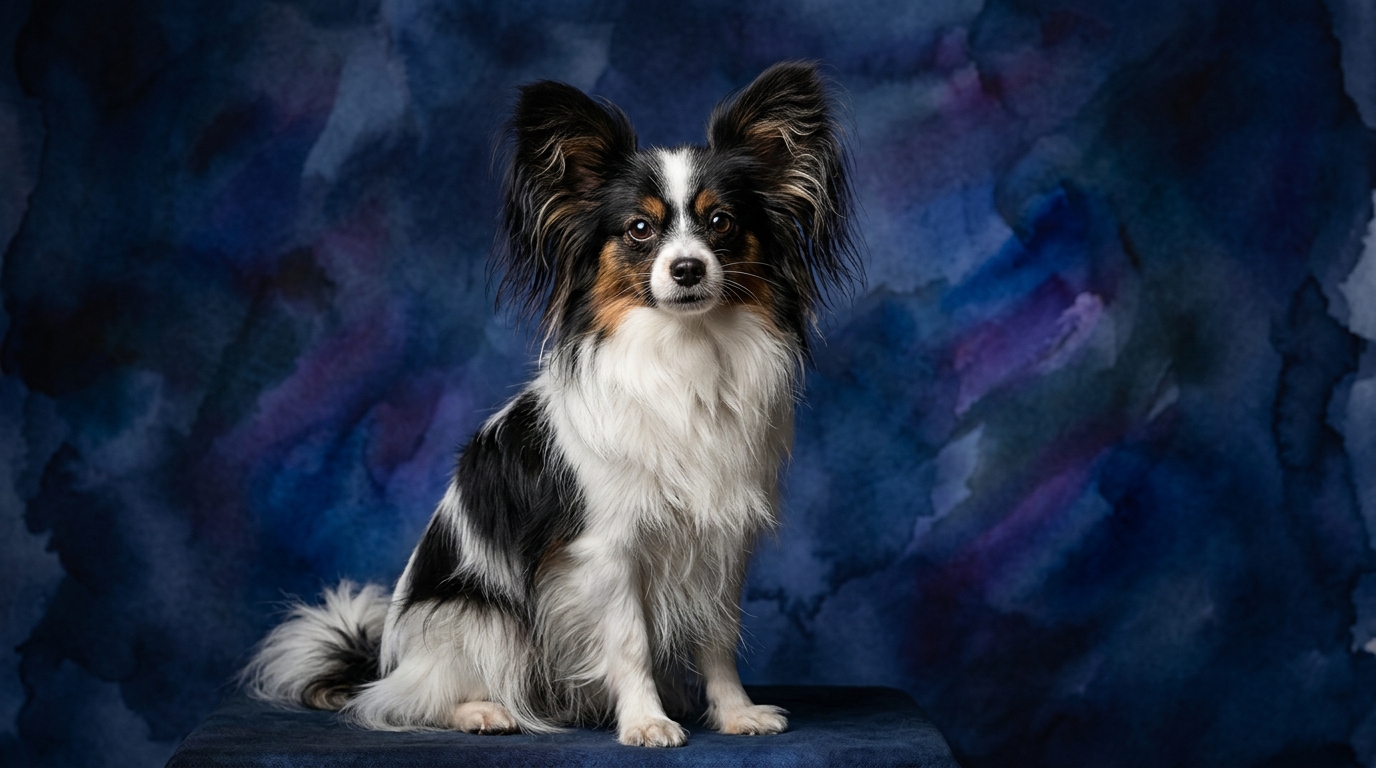
The Cosmic Pet Pet IQ Lab employs five key dimensions to evaluate canine intelligence, offering a nuanced perspective beyond simple obedience. For the Papillon, ranking #8 on the Coren intelligence scale, its profile is marked by exceptional mental agility. It scores a perfect 5/5 in Problem Solving, indicating an outstanding capacity for innovative thought and overcoming novel challenges. Its Training Speed is also 5/5, reflecting remarkable swiftness in grasping new commands and routines. Social Intelligence for the Papillon stands at 4/5, demonstrating a strong ability to interpret human cues and adapt behavior within social contexts. Instinctive Drive is moderate at 3/5, suggesting a balanced approach to innate behaviors. Finally, its Memory is a stellar 5/5, ensuring excellent retention of learned information and experiences.
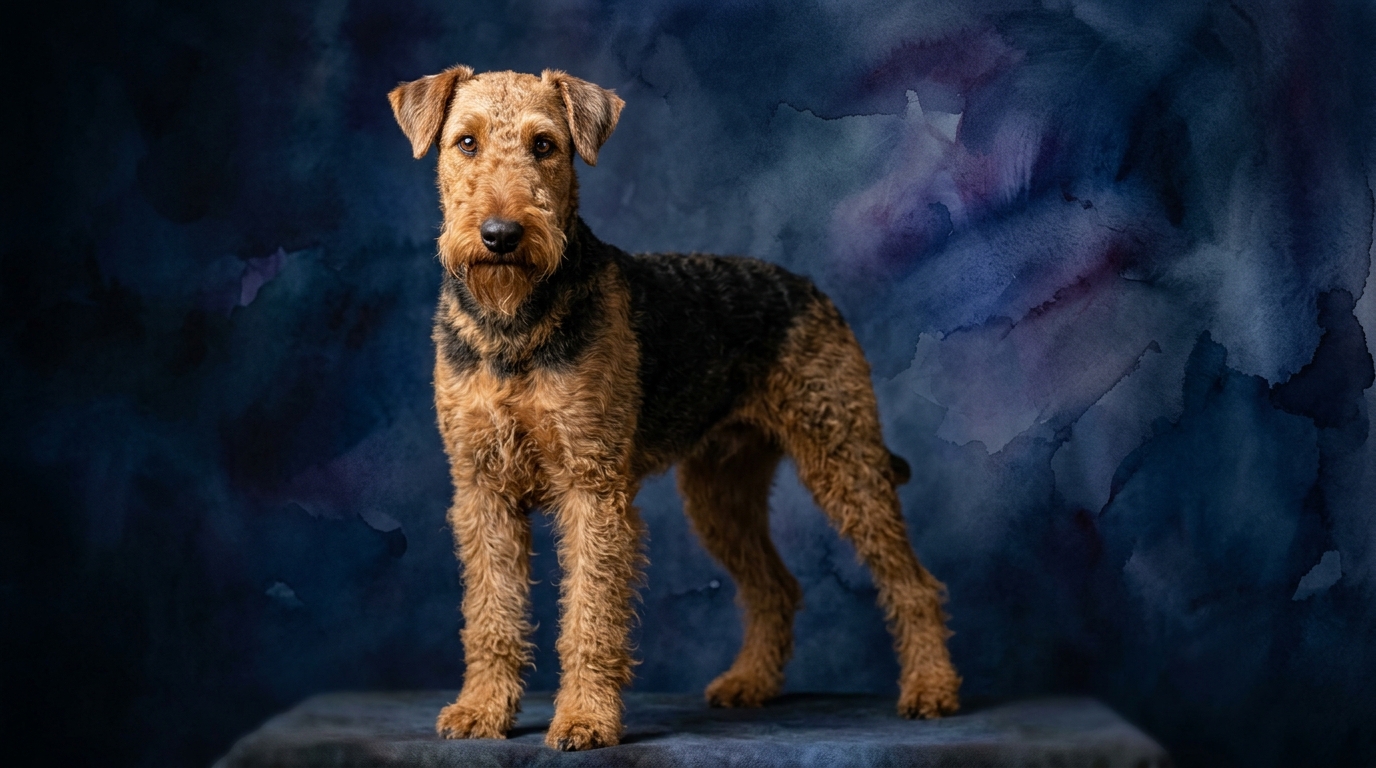
In contrast, the Airedale Terrier, holding a Coren rank of #29, presents a different yet capable cognitive landscape. Its Problem Solving ability is rated 4/5, indicating robust capacity to strategize and achieve goals, often with a determined approach. Training Speed for the Airedale is 4/5, signifying efficient learning, though perhaps requiring more consistent engagement than the Papillon. Social Intelligence is 3/5, suggesting a solid but often more independent social understanding. Instinctive Drive is also 3/5, reflecting its working terrier heritage with a moderate but present inclination for activities like chasing or exploring. The Airedale’s Memory score is 4/5, showcasing good retention of commands and experiences, contributing to its reliability once behaviors are established.
Where the Papillon Wins Cognitively
The Papillon’s cognitive profile reveals several distinct advantages, particularly in areas of rapid acquisition and nuanced interaction. Their perfect 5/5 score in Problem Solving means they don't just learn tasks; they often devise innovative ways to achieve desired outcomes, whether it's figuring out a tricky puzzle toy or manipulating a gate latch. This translates to a dog that can adapt quickly to new environments and challenges, often surprising owners with their ingenuity. Coupled with a 5/5 in Training Speed, Papillons absorb new commands and complex sequences with minimal repetition, making them exceptionally receptive to advanced obedience, trick training, or even agility. They excel at deciphering what is expected of them almost intuitively. Furthermore, their 5/5 Memory ensures that once a lesson is learned, it's retained with remarkable fidelity, leading to consistent performance even after breaks. This robust recall extends beyond commands to routines and social cues. Their 4/5 Social Intelligence allows them to pick up on subtle human emotions and intentions, often preempting owner needs or moods, fostering a deeply connected relationship where communication feels almost telepathic.
Where the Airedale Terrier Wins Cognitively
While the Papillon excels in speed and finesse, the Airedale Terrier brings a different kind of cognitive strength to the table, rooted in their terrier lineage. Their 4/5 in Problem Solving, though numerically lower, manifests as a persistent, determined approach. An Airedale might take slightly longer to solve a puzzle, but they are less likely to give up, applying a tenacious focus until the solution is found. This resilience is a valuable cognitive trait, especially for tasks requiring sustained effort or overcoming physical challenges. Their 4/5 in Training Speed indicates a strong capacity for learning, but often paired with an independent streak that requires a confident, consistent trainer. They learn effectively, but their compliance is often earned through clear leadership and engaging methods rather than an eagerness to please. The Airedale's 3/5 Social Intelligence, while not as acutely sensitive as the Papillon's, means they process social interactions with a certain robustness; they are less likely to be overwhelmed by subtle shifts in human emotion and often prefer direct, unambiguous communication. Their 3/5 Instinctive Drive, while moderate, means they retain a powerful drive for activity and engagement, making them excellent partners for active pursuits where their physical and mental stamina shine, such as scent work or outdoor exploration, where they can apply their problem-solving to real-world tasks like tracking.
Which Is Easier to Train and Why
Considering their respective IQ profiles, the Papillon is demonstrably easier to train for most owners, largely due to its superior scores in Training Speed (5/5 vs. 4/5) and Problem Solving (5/5 vs. 4/5). Papillons have an almost innate desire to learn and engage, combined with an exceptional ability to quickly connect actions with consequences. They require fewer repetitions to master a command, meaning basic obedience can be established rapidly, and they often delight in learning complex tricks or intricate routines. Their high social intelligence also means they are highly attuned to their trainer's expressions and tone, making communication during training more fluid. In contrast, the Airedale Terrier, while certainly capable, often presents a more independent and sometimes stubborn streak. Their 4/5 training speed means they learn effectively, but they need a trainer who can consistently demonstrate leadership and make training sessions engaging and rewarding to maintain their focus. An Airedale might challenge a command or try to find a workaround if they perceive it as unnecessary, requiring a firm yet positive hand to channel their intelligence effectively. For a novice owner or someone seeking a highly compliant and quick-learning companion, the Papillon offers a less challenging training journey.
Which Suits Active Owners vs. Relaxed Owners
The cognitive and physical makeup of these breeds naturally aligns them with different owner lifestyles. The Papillon, with its keen problem-solving, rapid training speed, and strong social intelligence, thrives with owners who enjoy interactive mental stimulation, such as puzzle games, trick training, or dog sports like agility. They are adaptable and can be content with moderate exercise, enjoying walks and playtime, but their minds crave engagement. They suit owners who appreciate a companion that is deeply involved in daily activities, quick to learn new routines, and responsive to nuanced interaction. Conversely, the Airedale Terrier, with its robust problem-solving, moderate instinctive drive, and more independent social intelligence, is better suited for active owners. They possess significant stamina and a desire for purpose, making them ideal partners for hiking, jogging, or structured activities like tracking, advanced obedience, or even protection work. Their cognitive abilities are best expressed when channeled into tasks that require both mental and physical effort. Relaxed owners might find the Airedale's need for consistent engagement and exercise challenging, whereas the Papillon can more readily adjust to a quieter, mentally stimulating home environment.
The Verdict
Choose the Papillon if you seek a highly responsive, quick-learning companion eager for mental challenges and nuanced social interaction, thriving on a blend of moderate activity and engaging brain games.
Opt for the Airedale Terrier if you are an active individual or family looking for a robust, tenacious companion that excels in purposeful activities and requires a confident leader to channel its independent problem-solving drive.
🧠 Find Your Pet's IQ Score
Our Pet IQ Lab assessment covers 25+ tests across 5 cognitive dimensions — personalized to your breed.
Take the Full IQ Test →Frequently Asked Questions
Do Papillons truly have superior problem-solving skills compared to Airedale Terriers?
Yes, based on our IQ Lab metrics, Papillons score 5/5 in Problem Solving, indicating an exceptional ability to devise creative solutions and adapt to novel situations. Airedale Terriers, while strong at 4/5, often approach problems with more tenacity and directness rather than the Papillon's nuanced ingenuity.
How does the training speed difference impact daily life for these two breeds?
The Papillon's 5/5 Training Speed means they typically grasp new commands and routines with remarkable swiftness, making basic obedience and trick training very efficient. An Airedale Terrier, with a 4/5 score, learns effectively but may require more consistent, engaging methods and a patient, confident handler to overcome their independent streak.
Is an Airedale Terrier less social than a Papillon?
The Airedale Terrier scores 3/5 in Social Intelligence compared to the Papillon's 4/5. This suggests Airedales are socially capable but often exhibit a more independent and less overtly demonstrative social style, preferring clear communication. Papillons are generally more attuned to subtle human cues and eager for interactive social engagement.