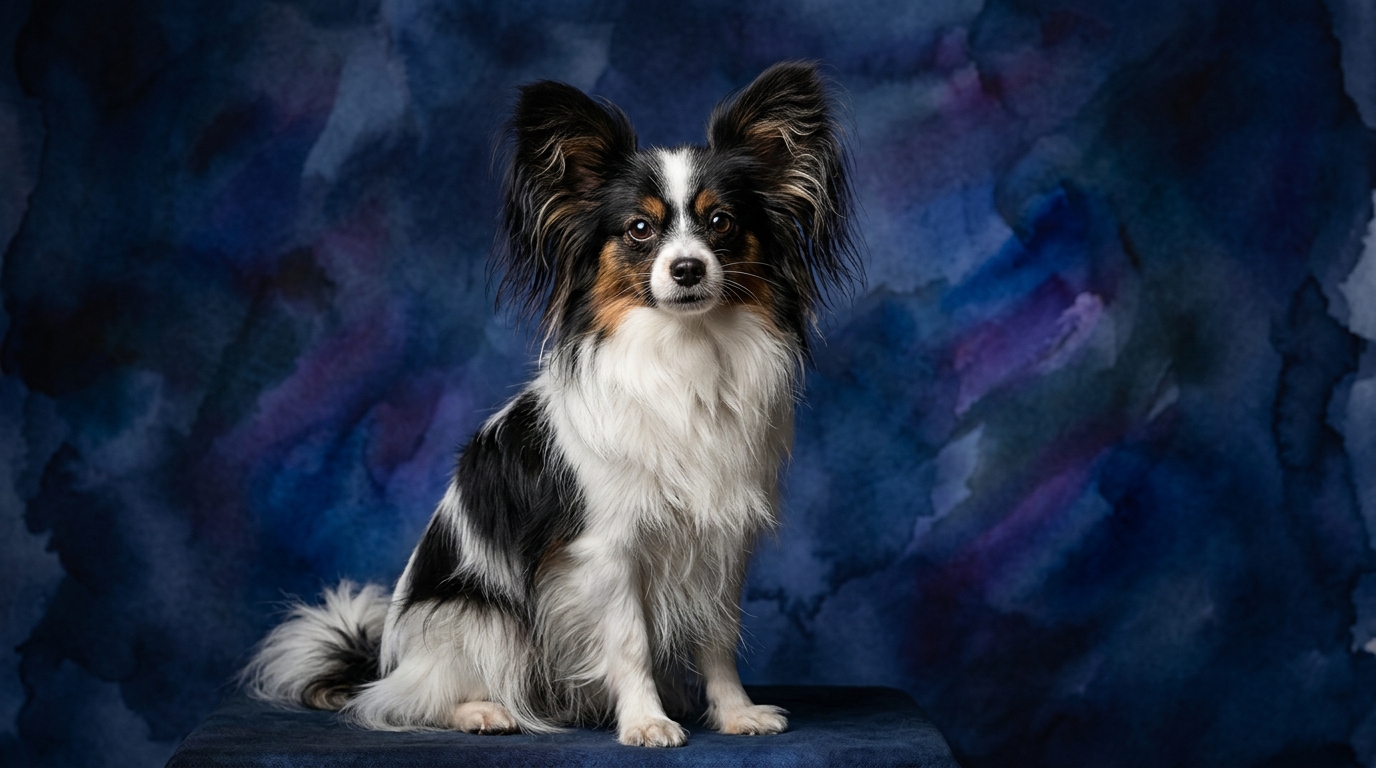
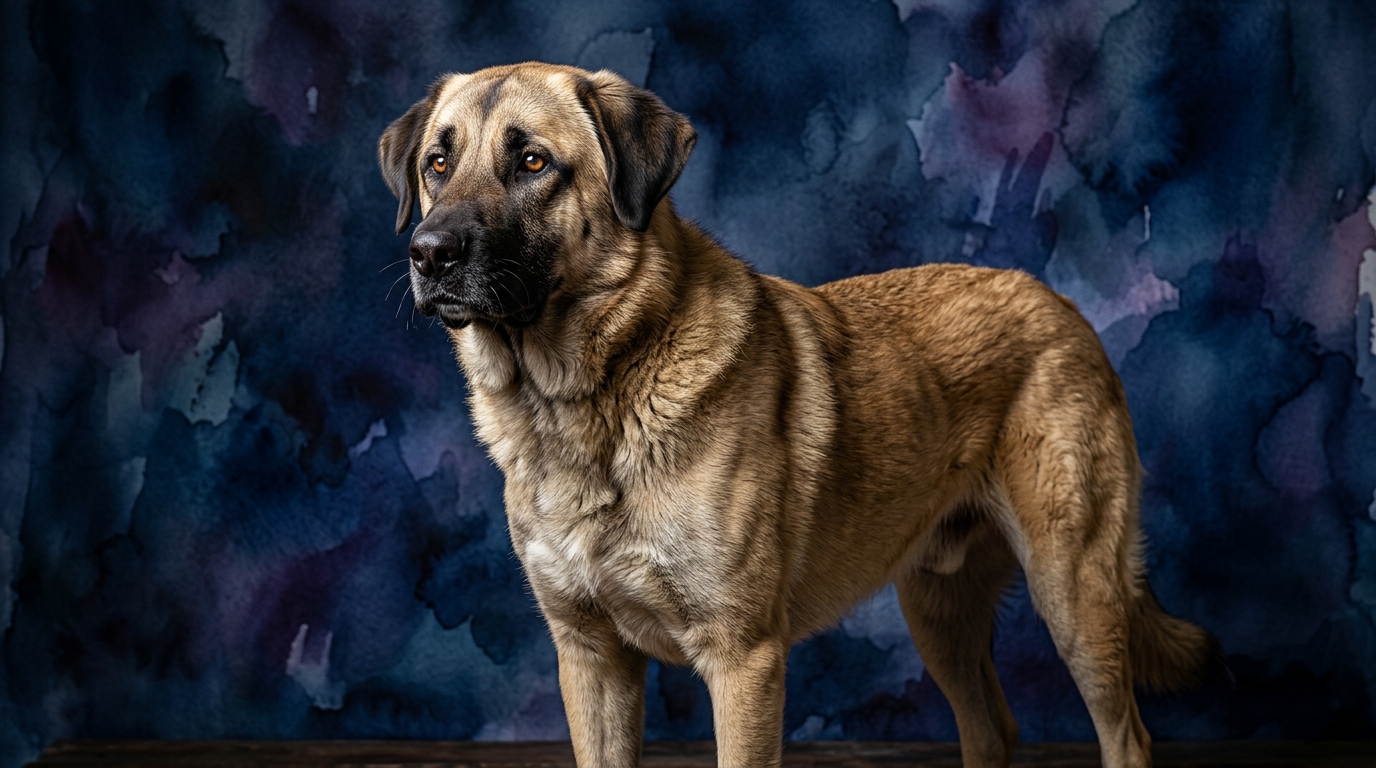
Side-by-Side IQ Profile
**Papillon (Toy, Coren rank #8):** This breed showcases exceptional cognitive prowess. Their Problem Solving is rated 5/5, indicating a remarkable capacity to navigate novel situations and figure out complex tasks independently. Training Speed also scores 5/5, suggesting they grasp new commands and routines with impressive swiftness, often requiring fewer repetitions. Social Intelligence stands at 4/5, reflecting their strong ability to interpret human cues and adapt to social contexts, making them generally responsive companions. Their Instinctive Drive is 3/5, a moderate score that means while they possess natural dog behaviors, these are typically manageable. Finally, their Memory is 5/5, allowing them to retain learned behaviors and past experiences over long periods, greatly aiding in consistency and advanced training.
**Anatolian Shepherd Dog (Working, Not Coren-ranked):** In contrast, the Anatolian Shepherd Dog presents a cognitive profile shaped by centuries of independent guardianship. Their Problem Solving is rated 3/5. While capable of addressing challenges, their approach often leans towards self-reliance rather than seeking human direction, vital for their protective duties. Training Speed also receives a 3/5; they are certainly trainable, but their inherent independence means they might require more patient and consistent methods, processing information on their own terms. Social Intelligence is 3/5, meaning they understand social cues but prioritize their assessment of the environment and potential threats over immediate human approval. Their Instinctive Drive is 3/5, which in their case translates to a strong, inherent protective instinct towards their flock or family, driving vigilant behaviors. Memory is 3/5, allowing them to recall important learned boundaries and past interactions, though perhaps not with the same intricate detail or speed as the Papillon.
Where Papillon Wins Cognitively
The Papillon's cognitive strengths are evident in its exceptional Problem Solving and Training Speed, both scoring a perfect 5/5. This breed demonstrates an uncanny ability to quickly analyze new situations and devise solutions, whether it's figuring out a treat puzzle or navigating an agility course. Their rapid learning curve means they pick up new commands and tricks with remarkable ease, often enjoying the mental challenge of learning itself. This quick processing and retention, supported by their 5/5 Memory, makes them superb candidates for advanced obedience, dog sports like agility, flyball, and complex trick training. Their 4/5 Social Intelligence further enhances their adaptability in various human environments, allowing them to adjust their behavior based on subtle social cues. This combination of mental agility and social awareness allows them to excel in roles requiring intricate understanding and rapid response, often outperforming many larger breeds in structured competitive contexts.
Where Anatolian Shepherd Dog Wins Cognitively
While the Anatolian Shepherd Dog's scores might appear lower in traditional obedience metrics, their cognitive strengths are uniquely tailored to their role as formidable livestock guardians. Their 3/5 Problem Solving isn't about solving puzzles for human entertainment, but about independently assessing threats and making critical decisions to protect their charges without human intervention. This breed's intellect manifests as profound situational awareness and an innate ability to distinguish between normal occurrences and genuine dangers. Their Instinctive Drive, rated 3/5, is a powerful, unwavering commitment to protection, guiding their decisions and actions. Their Memory, at 3/5, is sufficient for retaining territory boundaries, recognizing familiar faces, and remembering past threats, crucial for consistent guardianship. Their Social Intelligence, also 3/5, allows them to form strong, protective bonds with their family or flock, while maintaining a discerning wariness towards strangers—a vital trait for a guardian that must operate with healthy skepticism. These attributes combine to create a dog mentally equipped for independent, life-preserving judgment in challenging, dynamic environments.
Which is Easier to Train and Why
Based on their cognitive profiles, the Papillon is demonstrably easier to train for most conventional tasks. The Papillon’s 5/5 Training Speed means they absorb new commands and behaviors rapidly, often eager to please. Their 5/5 Memory ensures consistent retention. For instance, a Papillon might master "sit" and "stay" in just a few short sessions, driven by positive reinforcement and their desire for engagement. Their 4/5 Social Intelligence also makes them highly attuned to their trainer's intentions, allowing for nuanced communication.
The Anatolian Shepherd Dog, with a 3/5 Training Speed, requires a different approach. Their independence, a core aspect of their guardian role, means they are not inherently driven to perform for human approval. While capable of learning, they process information more deliberately and may question a command's utility from their own perspective. Teaching an Anatolian "come" might involve extensive patience and consistent motivation, as their instinct is often to survey surroundings. Their 3/5 Social Intelligence means they value their own assessment, making them less inclined to blindly follow commands if perceived as conflicting with protective duties. Training an Anatolian requires building a strong, respectful relationship and demonstrating *why* a command is important.
Which Suits Active Owners vs Relaxed Owners
The choice between a Papillon and an Anatolian Shepherd Dog hinges significantly on an owner's lifestyle, particularly activity levels and desired engagement. The Papillon, despite its small stature, often suits active owners who enjoy engaging their dogs in mentally stimulating activities. While not requiring vast amounts of strenuous physical exercise, their 5/5 Problem Solving and 5/5 Memory demand consistent mental engagement. Owners who enjoy teaching tricks, participating in dog sports like agility, or regular puzzle toys will find the Papillon rewarding. Their social nature (4/5 Social Intelligence) means they thrive on interaction and being a central part of family life, less suited for owners who prefer minimal interaction. A relaxed owner might find a Papillon's persistent need for mental stimulation demanding, potentially leading to boredom-related behaviors.
Conversely, the Anatolian Shepherd Dog, while physically robust and requiring space, often suits owners who appreciate a more independent companion. Their 3/5 Problem Solving and 3/5 Instinctive Drive are geared towards independent decision-making and vigilance rather than constant human-directed activity. They need ample space to patrol and observe, fulfilling guardian instincts. Owners who appreciate a dog that is self-possessed and less demanding of constant interactive play will find a good match. However, "relaxed" doesn't mean "hands-off"; an Anatolian requires consistent, firm, and fair handling, early socialization, and an understanding of its protective nature. They are not dogs for passive owners, but for those who can provide a secure environment and respect their independent working mindset.
The Verdict
Choose the Papillon if you seek a highly trainable, mentally agile companion eager for interactive learning, dog sports, and a prominent role in family activities. They thrive with owners who enjoy consistent mental stimulation and can provide a rich, engaging environment.
Opt for the Anatolian Shepherd Dog if you need a steadfast, independent guardian with a profound protective instinct, ample space, and an owner committed to understanding and managing their unique working temperament. They are best for experienced owners who respect their self-reliant nature.
🧠 Find Your Pet's IQ Score
Our Pet IQ Lab assessment covers 25+ tests across 5 cognitive dimensions — personalized to your breed.
Take the Full IQ Test →Frequently Asked Questions
Can an Anatolian Shepherd Dog live in an apartment?
Generally, no. Anatolian Shepherd Dogs require significant space to patrol and exercise their guardian instincts, making an apartment unsuitable for their well-being. A home with a large, securely fenced yard or acreage is typically necessary for this breed.
Are Papillons good with children?
Papillons can be good with respectful children, especially if socialized early, but their delicate build means interactions must be supervised to prevent accidental injury. Their intelligence and playful nature make them engaging companions for older, gentle children.
Do Anatolian Shepherd Dogs need a lot of exercise?
While not requiring high-intensity bursts of exercise like some working breeds, Anatolian Shepherd Dogs need regular, moderate exercise and ample space for purposeful patrolling. Long walks and access to a large, secure yard are more suitable than intense agility training.
Can Papillons be left alone for long periods?
Papillons thrive on social interaction and mental engagement, so extended periods of solitude can lead to boredom and potential behavioral issues. They generally prefer company and benefit from owners who are frequently present or provide alternative stimulation.