Side-by-Side IQ Profile: Papillon
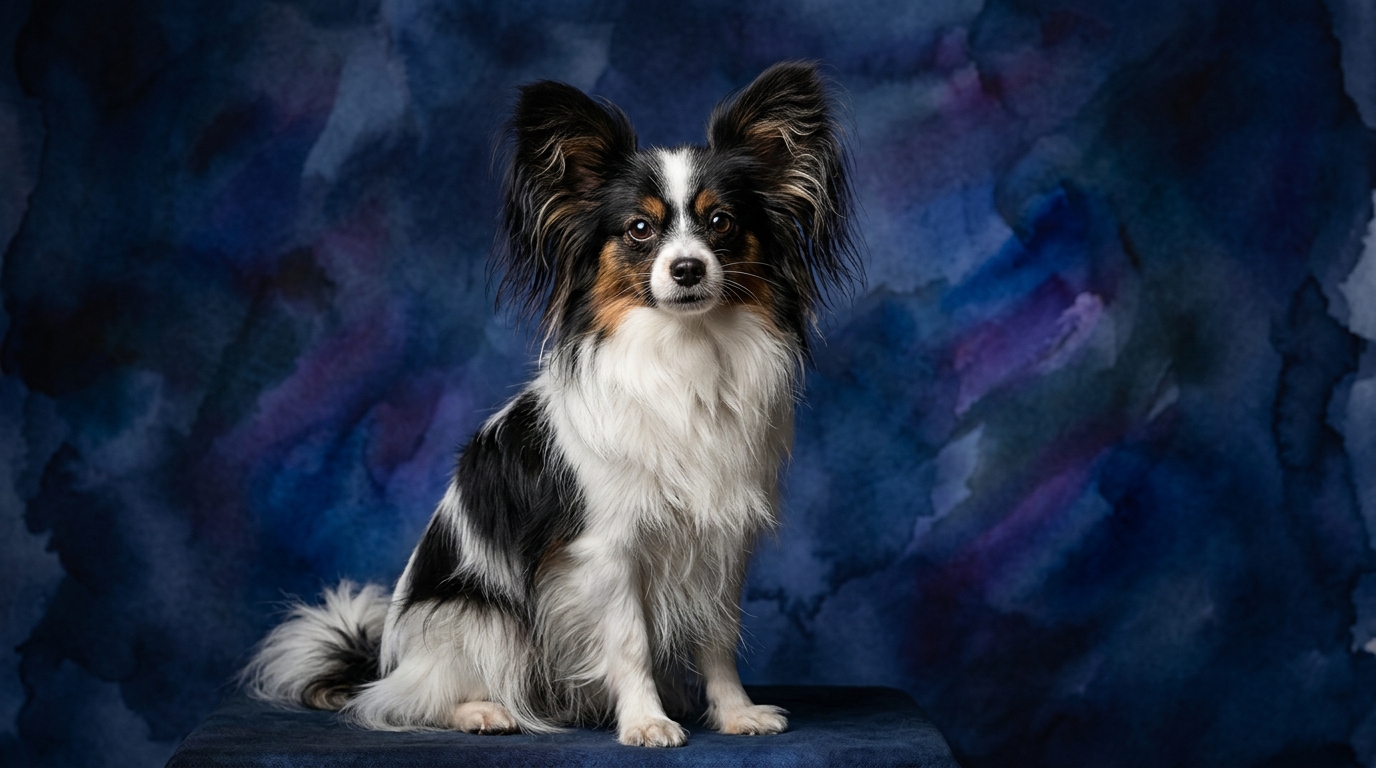
The Papillon, ranking #8 on Coren's scale, presents a fascinating blend of mental agility within a compact form. Their Problem Solving is rated 5/5, indicating an exceptional ability to navigate complex environments, figure out puzzle toys with determination, or even devise clever strategies to gain owner attention. Training Speed also stands at 5/5, meaning these dogs grasp new commands and routines with impressive swiftness, often requiring minimal repetitions to achieve proficiency in obedience or trick training. Their Social Intelligence, at 4/5, highlights a strong aptitude for reading human cues and adapting their behavior, forming deep emotional bonds and frequently anticipating their owners' needs. With an Instinctive Drive of 3/5, Papillons possess a moderate level of inherent drive, often manifesting as curiosity or a playful chase instinct, a remnant of their historical role as companion hunters, yet their primary focus remains on companionship and mental engagement rather than intense physical work. Finally, their Memory is 5/5, ensuring excellent recall for learned commands, daily routines, and even specific individuals or places, which contributes significantly to their consistent and reliable performance in various settings.
Side-by-Side IQ Profile: Belgian Malinois
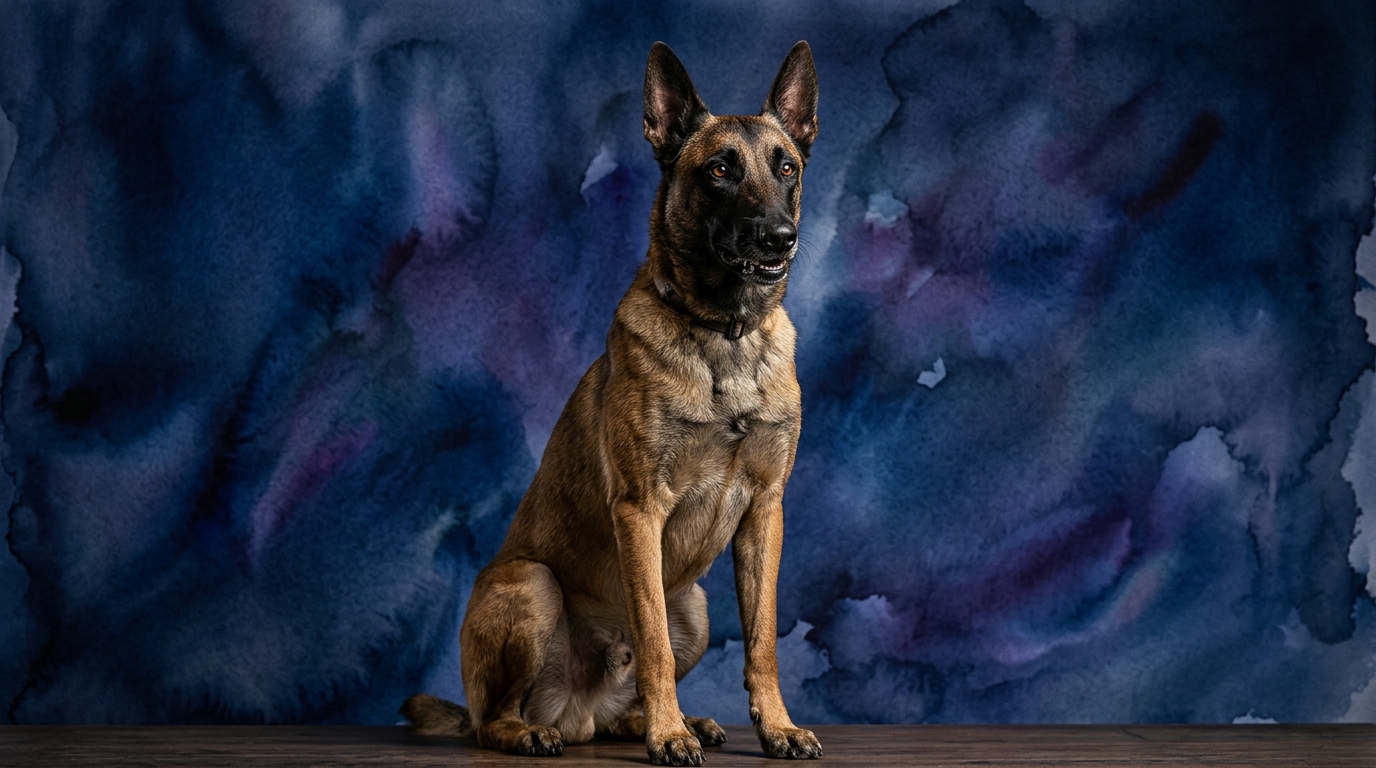
The Belgian Malinois, securing rank #22 on Coren's scale, showcases a formidable cognitive architecture optimized for demanding tasks. Their Problem Solving ability is an outstanding 5/5, reflecting an exceptional capacity for strategic thinking, overcoming obstacles, and adapting to novel situations, which is crucial for their rigorous working roles. Training Speed matches this at 5/5, as Malinois master new tasks with astonishing precision and speed, often achieving high levels of proficiency in complex sequences in remarkably short order. Their Social Intelligence is also 4/5, demonstrating an acute awareness of their handler's intentions and commands, fostering an intense, almost telepathic working partnership, though their social interactions can often be more task-oriented than purely affectionate. The Malinois truly shines in Instinctive Drive, rated 5/5, possessing powerful herding, prey, and protection drives that manifest as unwavering focus, incredible endurance, and a relentless work ethic essential for their demanding careers. Their Memory is also 5/5, allowing them to retain intricate sequences of commands, environmental cues, and complex learned behaviors over extended periods, vital for sustained high-level performance in working disciplines.
Where the Papillon Wins Cognitively
While both breeds exhibit top-tier scores in many cognitive dimensions, the Papillon often demonstrates a distinct advantage in specific, nuanced applications of their intellect. Their high social intelligence, combined with their compact size and historical role as companions, allows them to excel in adapting to diverse social dynamics and subtle household cues with remarkable finesse. A Papillon might more readily interpret a quiet sigh or a shift in body language, adjusting their behavior to provide comfort or solicit interaction in a way that prioritizes emotional connection over task execution. Furthermore, their problem-solving abilities are often applied to intricate, detail-oriented challenges within a home environment, such as manipulating complex puzzle toys with delicate precision or figuring out how to access a coveted treat from a seemingly secure container, demonstrating a fine motor cognitive coordination that their larger counterpart might overlook in favor of brute force.
Where the Belgian Malinois Wins Cognitively
The Belgian Malinois' cognitive strengths truly come to the fore in scenarios demanding sustained intensity, physical prowess, and strategic application of instinct. Their 5/5 instinctive drive, combined with equally high problem-solving and memory, allows them to excel in complex, multi-stage working tasks where endurance and focus are paramount. A Malinois won't just solve a problem; they will do so repeatedly, under pressure, across varied environments, and with an unwavering commitment to the objective, whether it's tracking, protection, or advanced agility. Their capacity for long-term strategic planning in dynamic situations, such as navigating a complex search pattern or apprehending a suspect, showcases a cognitive robustness that prioritizes efficiency and effectiveness in high-stakes contexts. This breed's intellect is intrinsically linked to its drive, creating a powerhouse of applied cognition.
Which is Easier to Train and Why
While both breeds boast a 5/5 rating for Training Speed, the concept of "easier to train" depends significantly on the owner's experience and the desired outcome, primarily due to their vastly different instinctive drives. A Papillon is generally more accessible for a novice or first-time dog owner because their moderate instinctive drive (3/5) means they are less likely to develop destructive behaviors if their mental and physical needs aren't met to an extreme degree. They quickly pick up household manners, basic obedience, and tricks with positive reinforcement, eager to please their human companions. Their social intelligence helps them form a strong desire to cooperate, making training a joyful, often intuitive process.
In contrast, the Belgian Malinois, with its formidable 5/5 instinctive drive, requires a highly experienced and dedicated handler. While they learn commands with astonishing speed, the challenge lies in consistently channeling and managing their intense drives. A Malinois' inherent need for rigorous mental and physical engagement means that if not properly exercised and stimulated, their drives can quickly manifest as problem behaviors such as excessive barking, destructive chewing, or reactivity. Training a Malinois isn't just about teaching commands; it's about shaping a powerful working mind, requiring consistent structure, advanced methods, and an understanding of high-drive breed psychology. Therefore, for most owners, the Papillon presents a much "easier" training journey due to its more manageable inherent motivations.
Which Suits Active Owners vs. Relaxed Owners
The cognitive profiles of the Papillon and Belgian Malinois dictate very different ideal living arrangements and owner commitment levels. The Papillon, while possessing a sharp mind and enjoying activity, can adapt to more relaxed owners provided they receive consistent mental stimulation through puzzle toys, training sessions, and engaging walks. Their smaller size makes them suitable for apartment living, and their social intelligence allows them to thrive as perceptive indoor companions who appreciate quiet time just as much as a playful romp. They require daily exercise but are generally satisfied with moderate walks and indoor play, making them a good fit for individuals or families who enjoy regular, but not extreme, activity.
The Belgian Malinois, however, is unequivocally suited only for highly active, experienced, and committed owners. Their 5/5 instinctive drive and need for constant mental and physical engagement mean they are not merely active; they are relentless. A Malinois needs multiple hours of vigorous exercise daily, coupled with structured training, dog sports, or a working role to truly thrive. Owners must be prepared to integrate their dog into a demanding, structured lifestyle that caters to their breed's intense need for purpose and activity. A relaxed owner attempting to keep a Malinois will invariably find themselves overwhelmed by the dog's unmet energy and mental demands, leading to frustration for both dog and human.
The Verdict
Choose a Papillon if you seek a highly perceptive, agile companion for agility, trick training, or a devoted indoor partner who thrives on mental engagement and nuanced social interaction within a moderately active household.
Choose a Belgian Malinois if you are an experienced, highly active individual seeking a powerful, driven working partner for advanced dog sports, protection work, or a demanding service role, capable of sustained, intense focus and physical exertion.
🧠 Find Your Pet's IQ Score
Our Pet IQ Lab assessment covers 25+ tests across 5 cognitive dimensions — personalized to your breed.
Take the Full IQ Test →Frequently Asked Questions
Do Papillons require as much mental stimulation as a Belgian Malinois?
While both breeds need significant mental engagement, the *intensity* and *type* differ. Papillons thrive on puzzles, trick training, and social interaction, whereas Malinois require complex, sustained tasks that tap into their high instinctive drives and incredible endurance.
Is a Belgian Malinois suitable for a first-time dog owner?
Generally, no. A Belgian Malinois' intense instinctive drives and demanding physical and mental needs require an experienced handler who understands high-drive working breeds. A first-time owner might quickly become overwhelmed by their requirements.
How do their social intelligence scores translate into daily interactions?
Both breeds score 4/5, but manifest differently. Papillons often use their social intelligence to form deep emotional bonds and adapt to family dynamics. Malinois leverage theirs for intense working partnerships, keenly anticipating handler commands and intentions in a task-oriented manner.