Side-by-Side IQ Profile
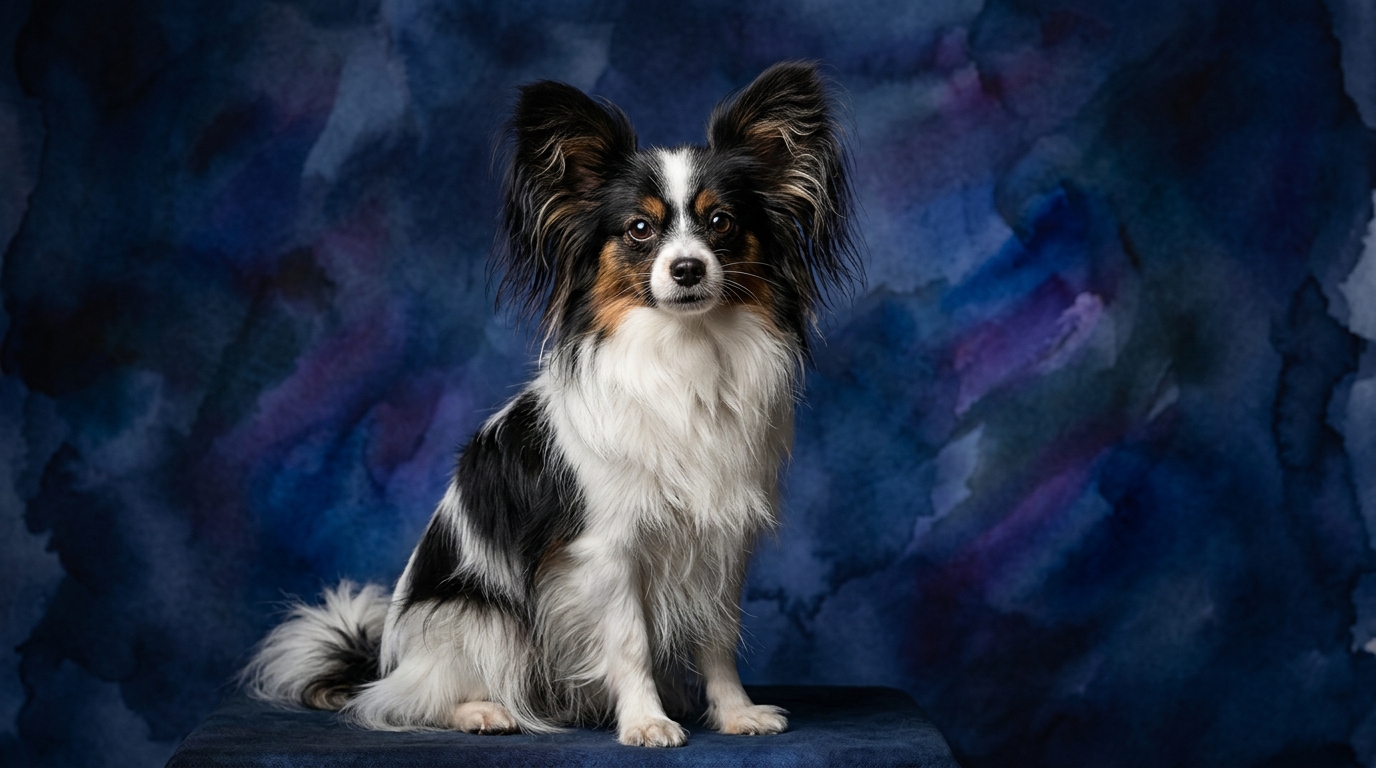
The Cosmic Pet Pet IQ Lab provides a nuanced look into canine cognition across five key dimensions. For the Papillon, a Toy breed with a Coren rank of #8, its profile reveals a remarkable mental aptitude. Its Problem Solving score of 5/5 indicates a profound capacity for independent thought and creative solutions to novel challenges. A Papillon might quickly figure out how to open a complex puzzle toy or navigate an intricate obstacle course without prior instruction, demonstrating genuine innovation beyond mere learned patterns. Its Training Speed, also a perfect 5/5, means Papillons absorb new commands and routines with remarkable rapidity, often requiring fewer repetitions than many other breeds to grasp a concept, displaying an eagerness and attentiveness during learning sessions. With a Social Intelligence of 4/5, they are adept at reading human cues and understanding social dynamics, picking up on subtle changes in tone or body language to anticipate intentions. An Instinctive Drive of 3/5 suggests moderate innate behaviors, such as a keen interest in chasing small moving objects or natural curiosity, which are generally manageable. Finally, a Memory score of 5/5 means Papillons possess an outstanding ability to recall learned commands, past experiences, and even specific locations or individuals over long periods, making them consistent performers.
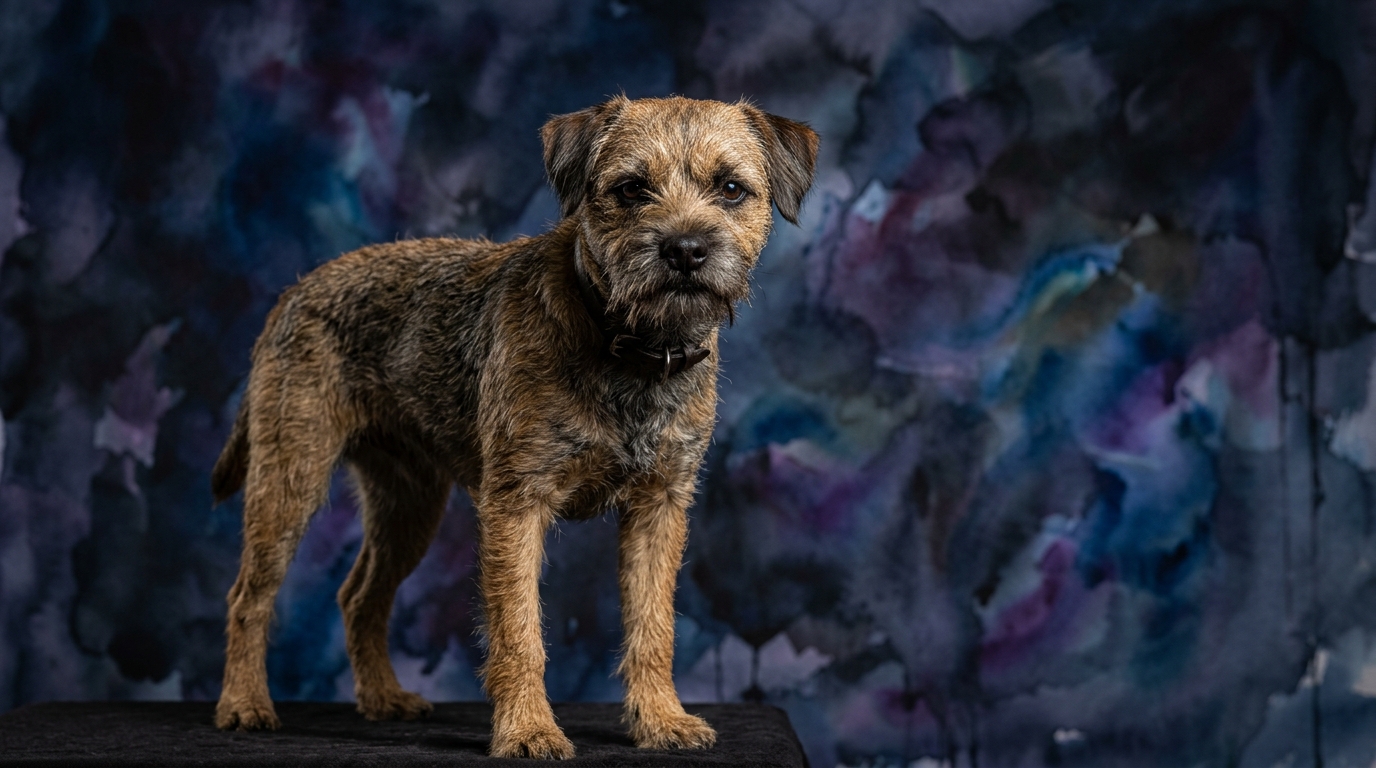
In contrast, the Border Terrier, a Terrier breed with a Coren rank of #30, presents a different yet equally compelling cognitive makeup. Its Problem Solving score of 4/5 demonstrates a robust ability to tackle challenges. Border Terriers are practical problem-solvers, often employing persistence and a methodical approach, systematically trying different solutions until they succeed, often leveraging their physical capabilities and tenacity. Their Training Speed of 4/5 means they learn at a good pace, picking up new commands efficiently, though they may require slightly more repetition or motivation than a Papillon. Their terrier tenacity can sometimes translate into stubbornness, necessitating consistent and engaging training. A Social Intelligence of 3/5 indicates a solid, practical level of social cognition; they understand their family's routines and expectations but might be less inclined to constantly seek human approval or interpret subtle emotional cues compared to breeds with higher scores. The Border Terrier's Instinctive Drive, also 3/5, strongly reflects their historical purpose – a drive to hunt, dig, and explore dens, which, while moderate, is deeply ingrained and requires appropriate outlets. A Memory score of 4/5 ensures they retain information well, remembering training cues, routines, and experiences, contributing to their reliability once a behavior is learned.
Where Papillon Wins Cognitively
The Papillon's cognitive edge is most apparent in its superior Problem Solving and Memory scores, both a perfect 5/5, alongside its unparalleled 5/5 Training Speed. This combination makes them exceptionally quick studies, capable of not just memorizing commands but also understanding the underlying concepts. For instance, a Papillon might generalize a learned behavior to a new context much faster, or independently devise a novel way to retrieve a toy from an inaccessible spot, demonstrating genuine insight rather than rote learning. Their high Social Intelligence (4/5) further enhances this, allowing them to precisely tune into human instructions and emotional states, making the learning process a highly collaborative and efficient endeavor. They excel in activities requiring rapid learning, intricate sequences, and precise execution, such as competitive obedience, agility, or even complex trick training, where their mental agility allows them to quickly master new challenges and retain them for extended periods.
Where Border Terrier Wins Cognitively
While the Papillon excels in rapid cognitive processing, the Border Terrier's strength lies in a robust, persistent application of its cognitive abilities, particularly in areas related to its ancestral working purpose. Its Problem Solving score of 4/5, though slightly lower, often manifests as a tenacious, systematic approach to challenges. A Border Terrier might not solve a puzzle box instantly, but it will work at it with unwavering determination, trying different angles and methods until it achieves its goal. This persistence, combined with its moderate Instinctive Drive (3/5), means they possess a practical intelligence geared towards independent action and overcoming obstacles in a real-world context, such as scent work or navigating varied terrain. Their memory (4/5) ensures that once a solution or strategy is found, it is retained, allowing them to build upon past successes. This breed thrives when given tasks that require endurance and follow-through, making them adept at activities like earthdog trials or long hikes where problem-solving involves navigating environments and maintaining focus over time.
Which Is Easier to Train and Why
The Papillon, with its perfect 5/5 Training Speed and 5/5 Memory, is unequivocally easier to train for a wide array of tasks. They demonstrate an almost instant grasp of new commands, often understanding the intent behind a cue with minimal repetition. Their high Social Intelligence further contributes to this ease, as they are naturally attuned to human communication and eager to please. This means fewer frustrations for the trainer and quicker progress through various levels of obedience or skill acquisition. Real behavioral differences include their propensity to offer behaviors readily, their sustained focus during training sessions, and their capacity for complex, multi-step routines. In contrast, the Border Terrier, while a capable learner with a 4/5 Training Speed and 4/5 Memory, can present more of a challenge due to its independent terrier spirit. They learn effectively, but their attention might wander if training isn't consistently engaging, and their innate drives can sometimes override a desire to comply, requiring more creative motivation and patience from the trainer.
Which Suits Active Owners vs Relaxed Owners
The Papillon, despite its small size, is a surprisingly suitable companion for active owners who enjoy engaging their dogs in mental and physical activities. Their high Problem Solving (5/5) and Training Speed (5/5) means they thrive on learning new tricks, participating in agility, or excelling in competitive obedience. They require consistent mental stimulation to prevent boredom, making them a poor fit for purely relaxed owners who prefer minimal interaction. A Papillon needs its mind exercised as much as its body. Conversely, while Border Terriers are also active and enjoy outdoor adventures, their cognitive profile makes them particularly well-suited for owners who appreciate a dog with independent spirit and a tenacious drive. Their Instinctive Drive (3/5) means they enjoy exploring, digging, and scent work, making them ideal for hiking partners or those interested in earthdog activities. While they enjoy companionship, they are less dependent on constant human direction than a Papillon, making them a better fit for owners who want a capable, self-sufficient partner for outdoor pursuits, rather than a dog that constantly seeks to learn new complex routines indoors. A truly 'relaxed' owner, however, might struggle with the Border Terrier's inherent need for purposeful activity and mental engagement, which, while different from the Papillon's, is still significant.
The Verdict
Choose a Papillon if you seek a highly responsive, quick-learning companion eager to master complex commands and participate in dog sports, thriving on intricate mental challenges and close collaborative work.
Opt for a Border Terrier if you desire a tenacious, practical problem-solver who enjoys independent exploration and outdoor adventures, valuing a resilient partner for active, purposeful pursuits.
🧠 Find Your Pet's IQ Score
Our Pet IQ Lab assessment covers 25+ tests across 5 cognitive dimensions — personalized to your breed.
Take the Full IQ Test →Frequently Asked Questions
Are Papillons easy to house train?
Yes, Papillons, with their 5/5 Training Speed and 5/5 Memory, generally house train quickly. Their capacity to rapidly associate actions with consequences and remember routines makes the process efficient, provided consistency and positive reinforcement are used.
Do Border Terriers need a lot of mental stimulation?
Border Terriers do require significant mental stimulation, though it differs from a Papillon's. Their 4/5 Problem Solving and 3/5 Instinctive Drive mean they need outlets for their natural desires to explore, dig, and 'work,' such as puzzle toys, scent games, or consistent training to prevent boredom.
Which breed is better for first-time dog owners?
The Papillon's exceptional Training Speed and Social Intelligence often make it a more forgiving choice for first-time owners, as they are highly receptive to guidance. Border Terriers, while trainable, may require a more experienced hand to manage their independent terrier traits and innate drives effectively.