Side-by-Side IQ Profile: Papillon vs. Boston Terrier
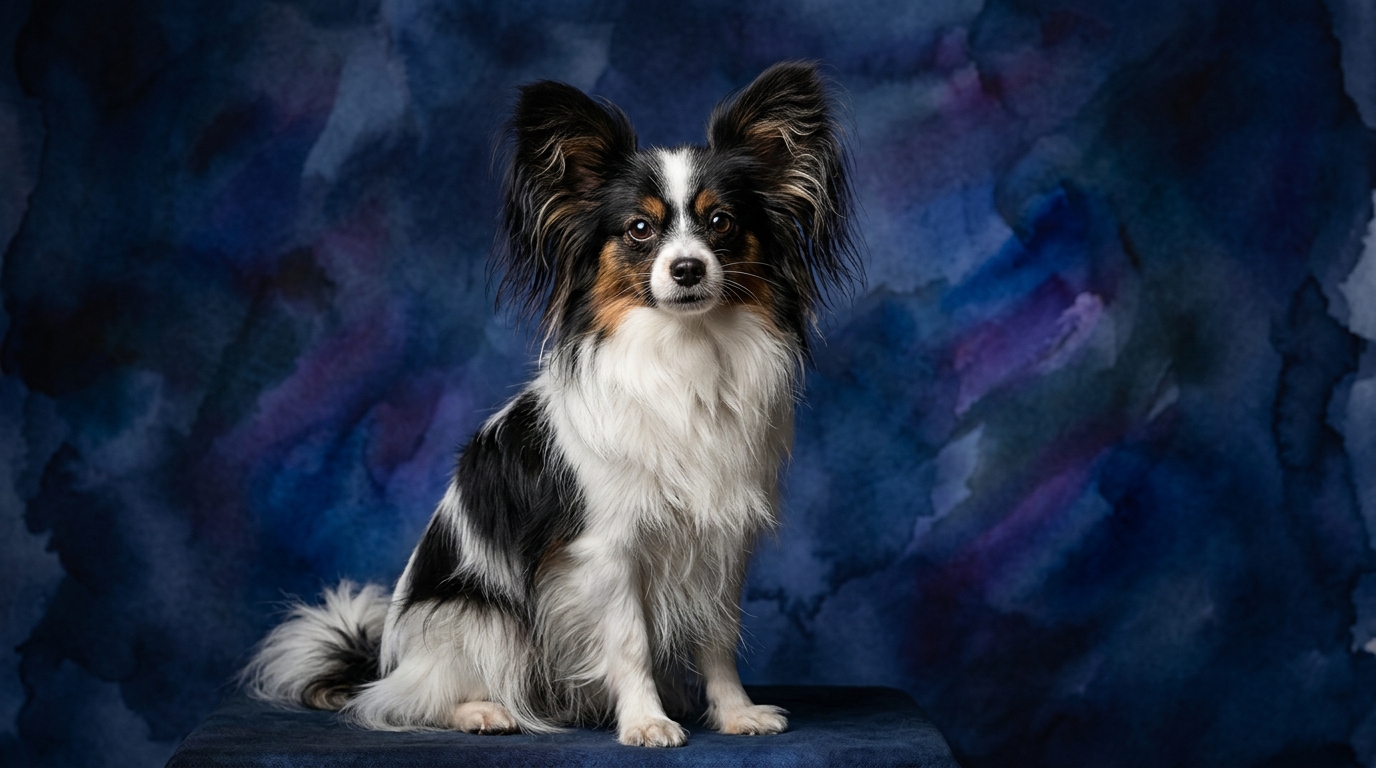
The Cosmic Pet Pet IQ Lab employs a robust five-dimensional framework to assess canine intelligence, offering a nuanced understanding beyond simple labels. For the elegant Papillon, ranked #8 by Coren, its profile is marked by exceptional cognitive agility. Its problem-solving score of 5/5 indicates a natural aptitude for navigating complex situations and figuring out novel solutions, while a training speed of 5/5 means new commands are grasped with remarkable swiftness, often requiring minimal repetition. Social intelligence, at 4/5, suggests a strong capacity to interpret human emotions and intentions, fostering deep connections. An instinctive drive of 3/5 implies a moderate urge to engage in breed-specific behaviors like chasing or herding, and a memory score of 5/5 ensures they retain learned information and experiences with impressive recall.
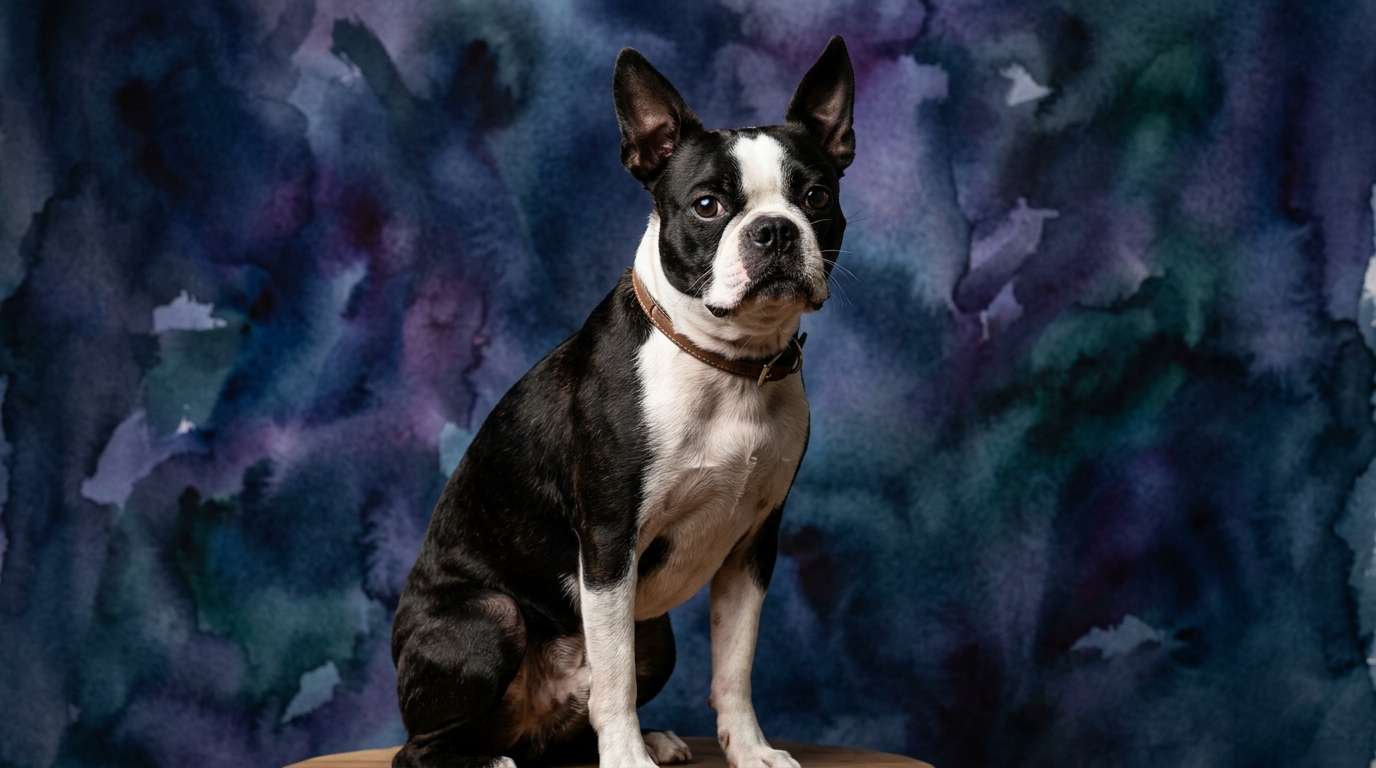
In contrast, the amiable Boston Terrier, holding a Coren rank of #54, presents a cognitive profile geared more towards companionship than complex tasks. Its problem-solving ability is rated 3/5, indicating competence in routine challenges but less inclination for abstract or intricate puzzles. Training speed, also 3/5, means they learn at a steady pace, requiring consistent and patient instruction to master new skills. Matching the Papillon, their social intelligence stands at 4/5, highlighting an excellent capacity for understanding human cues and forming strong emotional bonds. The Boston Terrier's instinctive drive is notably lower at 2/5, suggesting minimal innate urges for independent work or intense physical tasks. Finally, their memory score of 3/5 indicates a reliable recall for familiar commands and routines, though perhaps not the encyclopedic retention of their Papillon counterparts.
Where the Papillon Wins Cognitively
The Papillon’s cognitive profile clearly excels in areas demanding mental agility and rapid processing. Its perfect 5/5 scores in both problem-solving and training speed mean these dogs are not just quick learners, but also proactive thinkers, adept at independently figuring out how to open a cabinet or navigate an obstacle course. This superior cognitive processing translates into a dog that can quickly adapt to new routines, master intricate trick sequences, or even excel in advanced dog sports like agility and obedience with minimal effort from their handler. Furthermore, their 5/5 memory ensures that once a lesson is learned or an experience encountered, it is retained with remarkable fidelity, making training gains durable and complex sequences easily recalled over time. This makes them exceptionally responsive and capable of building a vast repertoire of behaviors and understandings.
Where the Boston Terrier Wins Cognitively
While the Papillon shines in pure cognitive horsepower, the Boston Terrier's cognitive profile offers distinct advantages for owners seeking a different kind of companion. Their social intelligence, matching the Papillon at 4/5, indicates an equally strong capacity for understanding human emotions and intentions, making them exceptionally intuitive and empathetic companions. This means they are just as likely to offer comfort or respond appropriately to a handler's mood, fostering a deep, reciprocal bond. Crucially, the Boston Terrier's lower instinctive drive (2/5 compared to the Papillon's 3/5) can be a significant 'win' for owners who prefer a less demanding and more settled home life. This reduced drive translates into less inclination for independent exploration, chasing, or a constant need for mental 'work,' making them less prone to destructive behaviors born from boredom or an overactive mind, and generally easier to integrate into a relaxed household environment without constant management of inherent urges.
Which is Easier to Train and Why?
Based on The Cosmic Pet Pet IQ Lab data, the Papillon is demonstrably easier to train due to its superior cognitive attributes. Their training speed of 5/5 means they absorb new commands and concepts almost instantaneously, often understanding after just a few repetitions. This rapid comprehension is coupled with a 5/5 problem-solving ability, allowing them to not only learn what to do but also how to apply that knowledge in varied contexts, making generalization of skills much smoother. For instance, teaching a Papillon a complex multi-step trick or a nuanced obedience routine will likely be a swift and rewarding process, as they quickly grasp the sequence and purpose.
In contrast, the Boston Terrier, with a training speed of 3/5 and problem-solving at 3/5, requires a more patient and consistent approach. While certainly trainable, they will generally need more repetitions and a clearer, more structured teaching method to solidify new behaviors. Real behavioral differences might manifest as a Boston Terrier taking longer to reliably 'stay' amidst distractions or needing more time to perfectly execute a 'heel.' Their moderate problem-solving means they might struggle more with abstract concepts or require more guidance to figure out how to manipulate a puzzle toy, whereas a Papillon might solve it through sheer trial and error and quick deduction.
Which Suits Active Owners vs. Relaxed Owners?
The cognitive profiles of these two breeds naturally align with different owner lifestyles. The Papillon, with its high problem-solving (5/5), training speed (5/5), and memory (5/5), thrives with active owners who can provide consistent mental stimulation and engagement. These dogs excel in activities that challenge their intellect, such as advanced obedience, agility, trick training, or even canine freestyle. An owner who enjoys teaching new skills, participating in dog sports, or simply engaging in interactive games that require thought and strategy will find the Papillon an eager and capable partner. Their moderate instinctive drive (3/5) still means they appreciate regular physical exercise and opportunities to explore, making them a good fit for owners who enjoy hiking or long walks.
Conversely, the Boston Terrier's balanced cognitive profile—moderate problem-solving (3/5), training speed (3/5), and memory (3/5), paired with a lower instinctive drive (2/5)—makes them an ideal companion for more relaxed owners. While they certainly benefit from regular walks and basic training, their contentment doesn't hinge on constant intellectual challenges or intense physical exertion. They are often happy to be a warm presence on the couch, enjoying gentle play and social interaction without needing a 'job' to do. Their equal social intelligence (4/5) ensures they are deeply connected to their family, making them excellent companions for those who prioritize affectionate companionship and a generally calm household atmosphere over high-octane activities.
The Verdict
Choose a Papillon if you seek a highly engaged, intellectually driven canine partner eager to learn complex commands, excel in dog sports, and consistently challenge its keen mind.
Opt for a Boston Terrier if you desire a warm, affectionate companion who thrives on social interaction, requires less intense mental stimulation, and fits seamlessly into a more relaxed home environment.
🧠 Find Your Pet's IQ Score
Our Pet IQ Lab assessment covers 25+ tests across 5 cognitive dimensions — personalized to your breed.
Take the Full IQ Test →Frequently Asked Questions
Are Papillons difficult to live with due to their high cognitive abilities?
Not necessarily; their cognitive abilities make them highly trainable and responsive. However, they do require consistent mental engagement to prevent boredom, which could lead to unwanted behaviors if not addressed.
Do Boston Terriers need less training than Papillons?
Boston Terriers still benefit greatly from consistent training, but their learning pace is more moderate. They may require more repetition to solidify commands compared to the quick-learning Papillon.
How does social intelligence differ between the two breeds?
Both breeds score 4/5 in social intelligence, indicating a strong capacity for understanding human cues and forming bonds. This means both are highly attuned to their owners' emotions and intentions, making them excellent companions.