Side-by-Side Cognitive Profiles
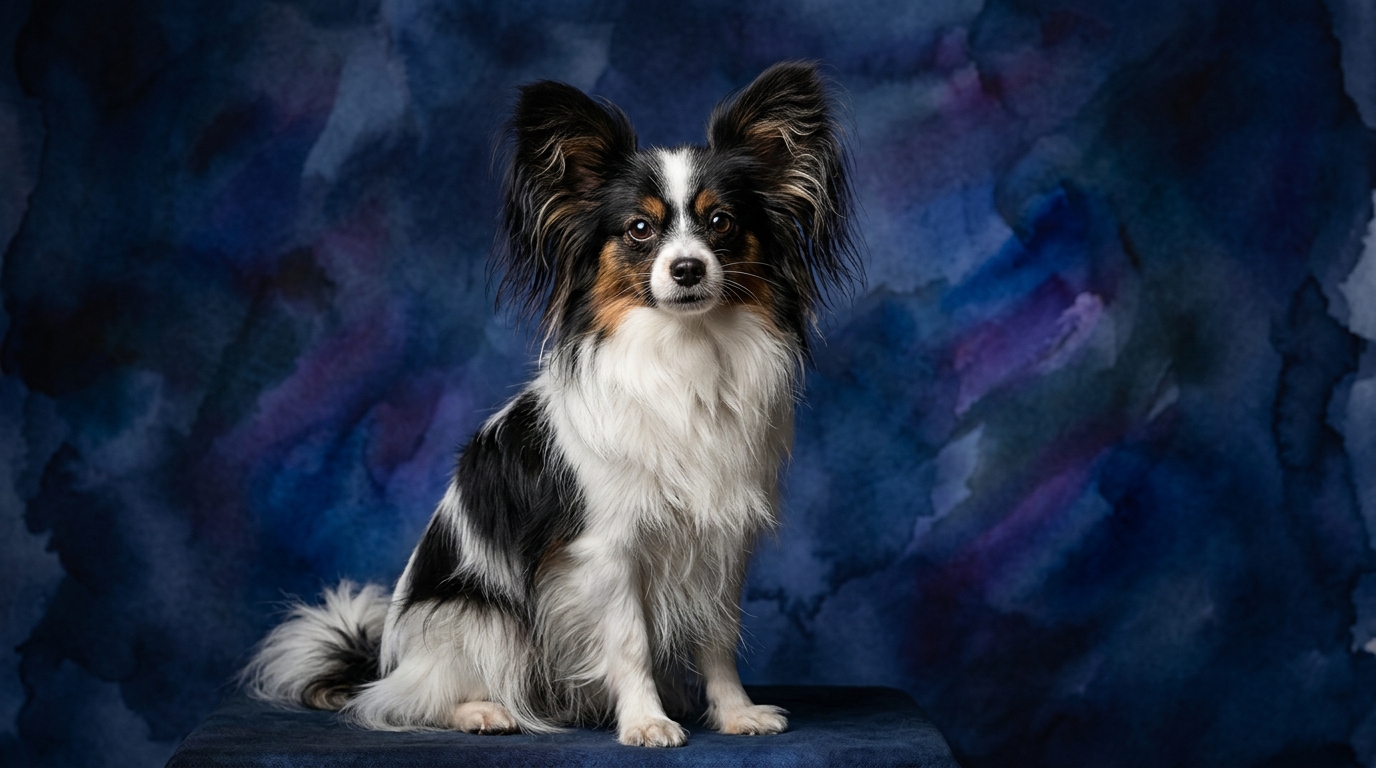
The Papillon, a Toy breed, holds an impressive Coren rank of #8, reflecting its significant cognitive capabilities. Its Problem Solving is rated 5/5, indicating an exceptional capacity to navigate complex situations and devise novel solutions, often figuring out intricate puzzles or escape routes with minimal guidance. Training Speed is also 5/5, meaning Papillons absorb new commands and routines with remarkable alacrity, typically requiring very few repetitions to master a task, making them highly responsive to instruction. Social Intelligence is 4/5, showing they are adept at reading human cues and understanding social dynamics within their family unit, though their focus on human interaction might sometimes overshadow broader canine social nuances. Instinctive Drive is 3/5; while they possess some natural dog behaviors, their inherent drives for activities like hunting or guarding are moderate, allowing their cognitive functions to be more directed towards learned tasks. Finally, Memory is 5/5, as Papillons exhibit an outstanding ability to recall commands, learned behaviors, and even specific events or people over long periods, making their training durable and their recognition keen.
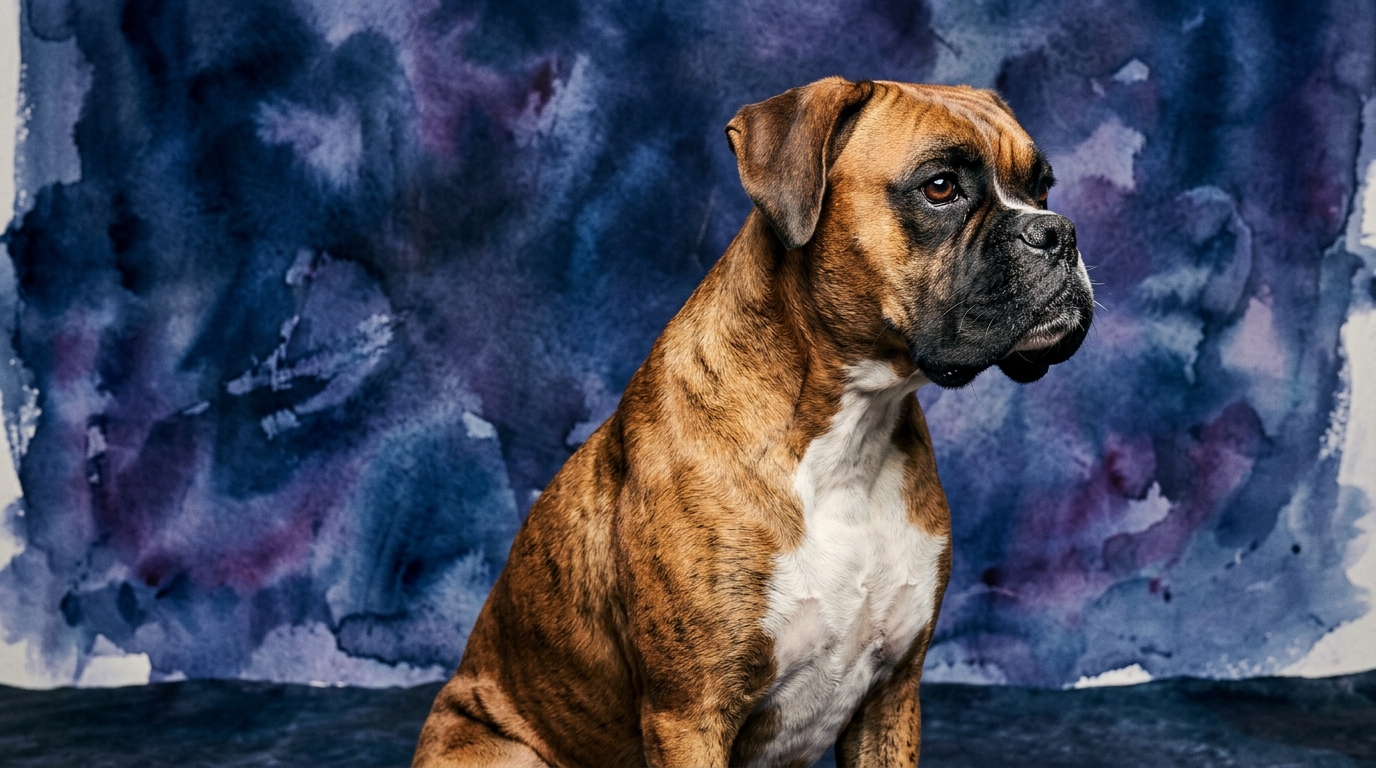
The Boxer, a Working breed, ranks at Coren #48, showcasing a different but equally valuable set of cognitive strengths. Its Problem Solving is 3/5, meaning Boxers approach challenges with a more straightforward, often physical, determination, sometimes requiring more guidance to understand abstract solutions or multi-step tasks. Training Speed is 3/5; they learn at a steady pace, requiring consistent repetition and positive reinforcement to solidify new commands, but once learned, they are generally reliable. Social Intelligence is a perfect 5/5, demonstrating that this breed excels in understanding and navigating social hierarchies and emotional states, both human and canine, forming strong bonds and often acting as empathetic companions. Instinctive Drive is 4/5; Boxers possess a strong natural inclination for guarding, play, and physical activity, driven by their working heritage, which can influence their focus and motivation. Memory is 3/5; while they can recall important commands and routines, their memory might not be as sharp for nuanced details or complex sequences compared to breeds with higher scores, necessitating regular refreshers.
Where the Papillon Excels Cognitively
The Papillon's cognitive strengths are undeniably rooted in its superior problem-solving and memory capabilities. Their 5/5 rating in problem-solving means they are not just rote learners but active thinkers, capable of strategizing to achieve a goal, like opening a tricky latch or finding a hidden treat. This intellectual curiosity, combined with a perfect 5/5 memory score, allows them to build upon past experiences, recalling solutions and applying them to new, similar challenges with impressive consistency. Their ability to quickly grasp and retain information distinguishes them in scenarios requiring intricate sequences or rapid adjustments to changing rules, making them formidable competitors in dog sports like agility and obedience.
Where the Boxer Excels Cognitively
The Boxer shines with a perfect 5/5 in social intelligence, a domain where the Papillon, at 4/5, is slightly outranked. This superior social acumen means Boxers are exceptionally attuned to the emotional states of their human companions and other dogs, often displaying a profound empathy and an innate understanding of social cues, making them intuitive family members. Their 4/5 instinctive drive, higher than the Papillon's 3/5, also signifies a strong, inherent motivation for specific tasks, often related to protection or vigorous play, which, when channeled correctly, can make them formidable working partners. This blend of social awareness and robust instinctive motivation allows them to excel in roles requiring deep connection and a natural drive to engage with their environment and companions, often thriving in therapy work or as dedicated guardians.
Trainability: Papillon vs. Boxer
Based on The Cosmic Pet Pet IQ Lab metrics, the Papillon is demonstrably easier to train, primarily due to its 5/5 training speed and 5/5 memory. These breeds assimilate new commands with minimal repetition, often picking up complex tricks or obedience routines in just a few sessions, making them a joy for owners who enjoy teaching. Their excellent memory ensures that once a behavior is learned, it is retained for a long time, reducing the need for constant refreshers and solidifying their reliability. Papillons tend to be more intrinsically motivated by intellectual challenge and human interaction, often eager to please and quick to offer new behaviors.
In contrast, the Boxer’s 3/5 training speed and 3/5 memory mean they require more consistent, patient, and repetitive training methods. While capable learners, Boxers benefit from shorter, more frequent training sessions and clear, unambiguous instructions to build and maintain their behavioral repertoire, which can feel like a slower process. Boxers often respond best to play-based rewards, clear demonstrations of the desired action, and a strong, positive bond with their trainer, as their motivation is often tied to physical engagement and social connection rather than purely intellectual challenge.
Matching Breeds to Owner Lifestyles
For active owners seeking a mentally engaging companion, the Papillon is an ideal match. Their high problem-solving and rapid training speed mean they thrive on activities like agility, trick training, or puzzle toys that challenge their quick minds, making them excellent partners for those who enjoy dog sports. They are energetic and enjoy regular walks, but their exercise needs are generally met with moderate activity, making them adaptable to urban living as long as their cognitive needs are addressed through consistent interaction and learning opportunities. Relaxed owners might find the Papillon's constant need for mental stimulation a bit demanding if they prefer a dog that is content with minimal engagement.
Conversely, for owners who appreciate robust physical activity and strong social bonding, the Boxer is a superb choice. Their higher instinctive drive and larger size necessitate substantial daily exercise, including vigorous play, long walks, or runs, making them perfect for active individuals or families who enjoy outdoor adventures and can provide consistent outlets for their energy. While they enjoy mental engagement, their primary need is often physical exertion and social interaction, including rough-and-tumble play with their human companions. Relaxed owners might struggle to meet the Boxer's significant exercise requirements, potentially leading to boredom or undesirable behaviors if their energy isn't properly channeled.
The Verdict
Opt for a Papillon if you seek a highly trainable, mentally agile companion who excels in problem-solving and remembers complex sequences, thriving on intellectual challenges and consistent, engaging interaction.
Choose a Boxer if you desire a deeply social, empathetic, and physically robust companion with a strong drive for play and protection, perfect for active households that can provide ample exercise and social engagement.
🧠 Find Your Pet's IQ Score
Our Pet IQ Lab assessment covers 25+ tests across 5 cognitive dimensions — personalized to your breed.
Take the Full IQ Test →Frequently Asked Questions
Are Papillons good for first-time dog owners?
Papillons can be excellent for first-time owners due to their high trainability and eagerness to please, provided the owner is committed to providing consistent mental stimulation and early socialization. Their small size also makes them manageable for those new to dog ownership, though their intelligence means they need engaging activities to prevent boredom and destructive behaviors.
Do Boxers need a lot of exercise?
Yes, Boxers are a high-energy breed with a strong instinctive drive, requiring substantial daily exercise to stay healthy and content. They thrive on vigorous play, long walks, and opportunities to run, making them best suited for active individuals or families who can consistently meet these physical demands.
Which breed is better with children?
Both breeds can be good with children, but in different ways. Papillons are generally gentle and can be wonderful companions for older, respectful children who understand how to interact with a small dog, though their delicate nature requires supervision with very young kids. Boxers, with their perfect social intelligence and playful nature, often form strong, protective bonds with children, making them excellent family dogs, especially with proper training and socialization from a young age to channel their boisterous energy.