Side-by-Side IQ Profile: Papillon vs. Cesky Terrier
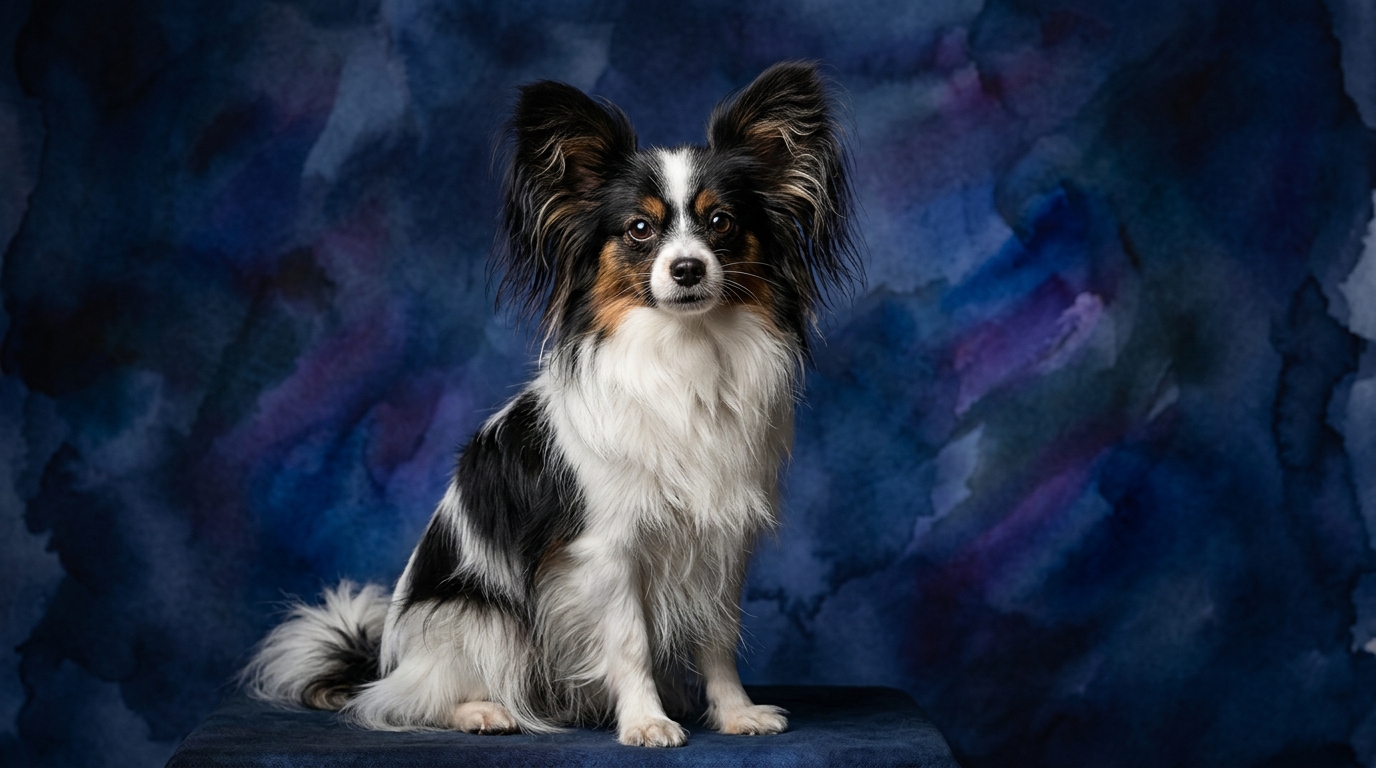
The Papillon, a breed often lauded for its elegant appearance, also holds a distinguished place in canine cognition, ranking #8 on Dr. Stanley Coren's list for working and obedience intelligence. Their problem-solving ability is exceptional (5/5), manifesting in a quick understanding of environmental challenges and a knack for figuring out complex sequences. Training speed is equally impressive (5/5), as they grasp new commands with minimal repetition, often seeming to anticipate their handler's next cue. Social intelligence is robust (4/5), allowing them to keenly interpret human emotions and intentions, though they maintain a spark of independent thought. Their instinctive drive (3/5) is moderate, often channeled into playful chasing rather than intense prey pursuit, while their memory (5/5) is outstanding, ensuring long-term retention of learned behaviors and routines.
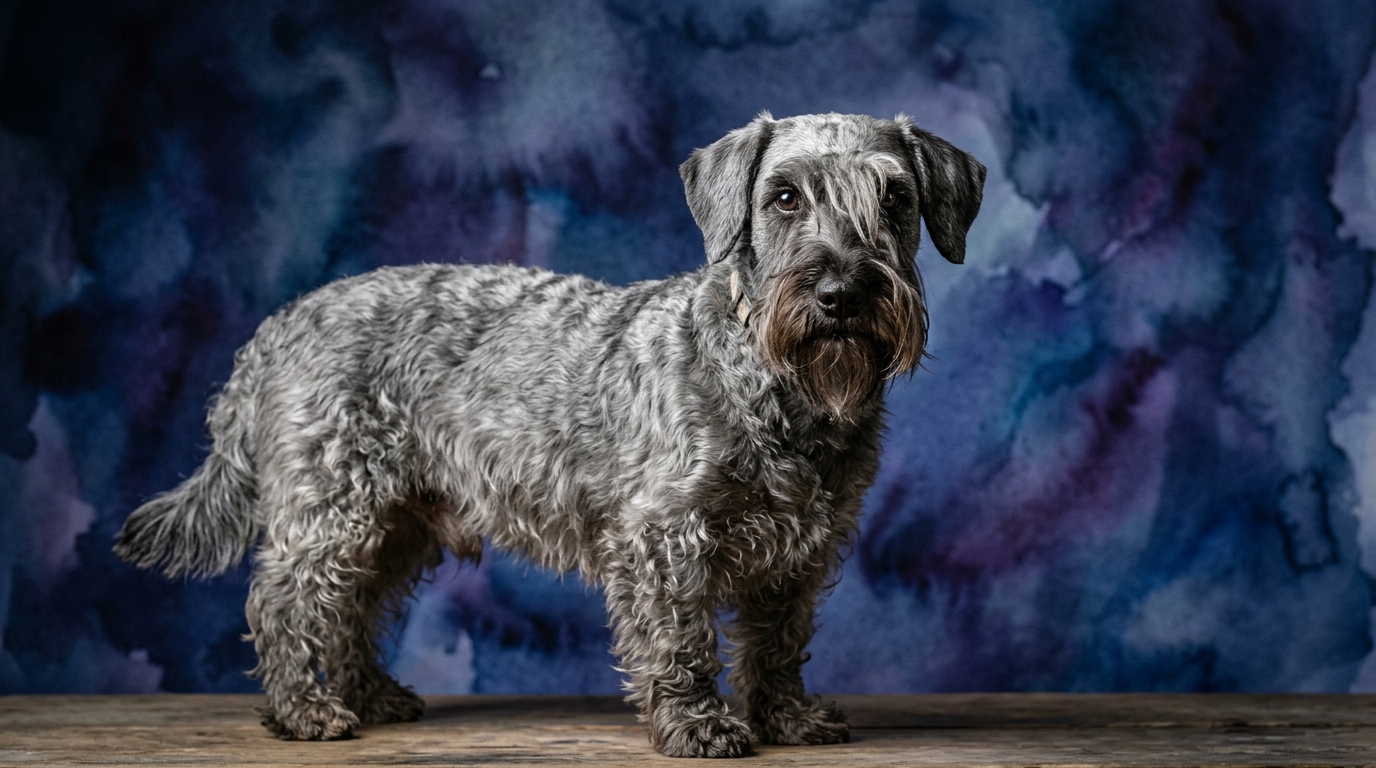
In contrast, the Cesky Terrier, a sturdy and less widely recognized member of the terrier group, presents a distinct cognitive blueprint. While not listed on Coren's widely cited rankings, our Cosmic Pet Pet IQ Lab assessment provides a detailed look. Their problem-solving skills rate at 3/5, indicating a practical, task-oriented approach, particularly adept at navigating physical environments and persistent in achieving specific goals, such as digging. Training speed is a steady 3/5; they learn reliably with consistent, patient reinforcement, though their terrier independence means they often require compelling motivation. Social intelligence also stands at 3/5; they form deep bonds with their inner circle but can be reserved or discerning with strangers, valuing trust over immediate amiability. Their instinctive drive is a moderate 3/5, often manifesting as a focused pursuit of small prey or an intense interest in scent work, while their memory also registers at 3/5, allowing for retention but perhaps needing more frequent refreshers for less practiced commands.
Where the Papillon's Cognitive Profile Excels
The Papillon's cognitive strengths primarily lie in their remarkable speed of learning and their capacity for complex problem-solving. A Papillon can master intricate agility courses, stringing together multiple commands and obstacles with astonishing fluidity, often after just a few repetitions. This isn't merely rote memorization; it's a deep understanding of cause and effect, enabling them to adapt to variations in tasks and even anticipate next steps in a sequence. Their 5/5 memory score means that once a trick or behavior is learned, it's typically retained for life, making them superb candidates for advanced obedience, freestyle, and even competitive trick training.
Beyond structured training, their superior social intelligence (4/5) allows Papillons to excel in nuanced communication with their human companions. They are adept at reading subtle body language and vocal tones, often adjusting their behavior to match the mood of the room. This makes them highly responsive partners in daily life, capable of offering comfort or engaging in play based on perceived human cues. Their capacity for abstract thought, as reflected in their problem-solving score, extends to figuring out how to gain attention or manipulate situations in charming ways, showcasing a flexible and inventive mind.
Distinct Cognitive Strengths of the Cesky Terrier
While the Cesky Terrier’s IQ scores might appear lower in comparison, their cognitive profile reflects a different kind of strength, deeply rooted in their working terrier heritage. Their 3/5 problem-solving ability is less about abstract puzzles and more about practical ingenuity and perseverance in the face of physical challenges. A Cesky will methodically work to extract a toy from under furniture or diligently follow a scent trail, demonstrating a focused determination that can overcome obstacles through sheer tenacity. This practical intelligence makes them superb at tasks requiring sustained effort and sensory engagement, like scent work or barn hunt activities.
The Cesky Terrier's social intelligence, while rated 3/5, reflects a discerning and loyal nature rather than a broad desire to please every individual. They form profound, enduring bonds with their chosen family, and their perceived 'reserve' with strangers is often a sign of careful assessment rather than a lack of social capacity. This selective amiability means their affection is earned, making their companionship particularly rewarding for owners who appreciate a dog with a strong, independent personality. Their moderate instinctive drive (3/5) is often channeled into productive outlets like supervised digging areas or tracking games, satisfying a core cognitive need in a constructive manner.
Training Dynamics: Papillon's Eagerness vs. Cesky's Persistence
When it comes to training, the differences between these two breeds are pronounced, largely driven by their respective scores in training speed, social intelligence, and memory. The Papillon, with its 5/5 training speed and 4/5 social intelligence, often approaches training as an engaging collaboration. They are eager to learn, quickly forming associations between commands and actions, and they genuinely seem to enjoy the process of understanding and responding to their handler. Their excellent memory (5/5) means that once a command is taught, it rarely needs extensive review, allowing for rapid progression to more complex behaviors and a wide range of tricks and skills.
The Cesky Terrier, on the other hand, presents a different training journey, characterized by their 3/5 scores across training speed, social intelligence, and memory. Training a Cesky requires patience, consistency, and a deep understanding of terrier motivation. They are capable learners, but they often need more repetitions and a clear 'why' – strong positive reinforcement, often food-based, to make a task worthwhile. Their independence means they might question the necessity of a command, and their focus can be momentarily diverted by an interesting scent or sound. While they retain information, occasional refreshers help solidify less practiced behaviors, making consistency key to their educational success.
Lifestyle Suitability: Active Minds vs. Practical Pursuits
For owners seeking a mentally agile and highly interactive companion, the Papillon is an ideal match. Their boundless curiosity and high cognitive scores demand consistent mental stimulation, making them perfect for active owners who enjoy engaging in dog sports like agility, rally obedience, or advanced trick training. A Papillon thrives on learning new things and solving puzzles, requiring an owner who can dedicate time to daily training sessions and provide a variety of brain games. While they are a toy breed, their physical energy is also considerable, necessitating regular walks and play sessions to match their lively spirit.
The Cesky Terrier, with its practical intelligence and robust physical build, is better suited for owners who appreciate a dog with a sturdy constitution and a more independent streak. While they enjoy their creature comforts indoors, they need structured outdoor activities that tap into their terrier instincts, such as exploring varied terrains, scent tracking, or supervised digging. They are not as demanding of constant mental 'puzzles' as the Papillon, but they do require consistent training and clear boundaries. Owners who prefer a dog that is loyal and discerning, rather than universally effusive, and who enjoy outdoor adventures that allow for a dog's natural curiosity and perseverance to shine, will find a rewarding companion in the Cesky Terrier.
The Verdict
Choose the Papillon if you desire a canine partner eager for complex learning, excels in interactive training, and thrives on constant mental engagement, making them a brilliant companion for dog sports and trick enthusiasts.
Opt for the Cesky Terrier if you appreciate a resilient, discerning companion with a practical, task-oriented mindset, and are prepared to engage their natural instincts through consistent training and outdoor exploration.
🧠 Find Your Pet's IQ Score
Our Pet IQ Lab assessment covers 25+ tests across 5 cognitive dimensions — personalized to your breed.
Take the Full IQ Test →Frequently Asked Questions
Are Papillons always good with children?
Papillons can be wonderful with respectful children, especially if raised together. However, due to their delicate build, supervision is crucial to prevent accidental injury, and they typically thrive best with older, calmer children who understand how to interact gently with a small dog.
Do Cesky Terriers shed a lot?
Cesky Terriers have a unique coat that requires hand-stripping rather than clipping to maintain its texture and minimize shedding. When properly cared for, they are considered low-shedding, making them a suitable option for some individuals with mild allergies, though no dog is truly hypoallergenic.
What kind of mental stimulation do Cesky Terriers need?
Cesky Terriers benefit from mental stimulation that taps into their terrier instincts, such as scent work, puzzle toys that require problem-solving to get treats, and structured training sessions that reinforce good behavior. Activities that allow them to use their nose and engage in 'work' are particularly satisfying for them.