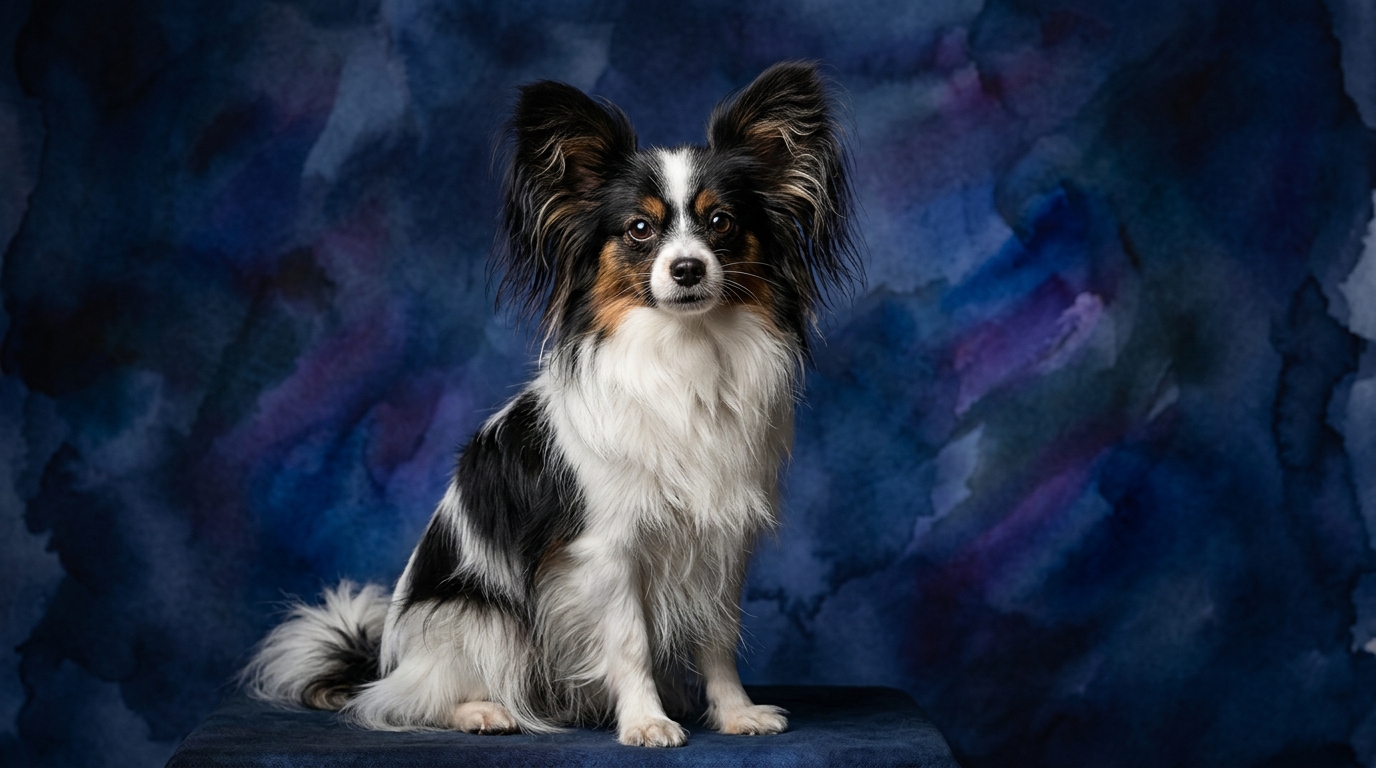
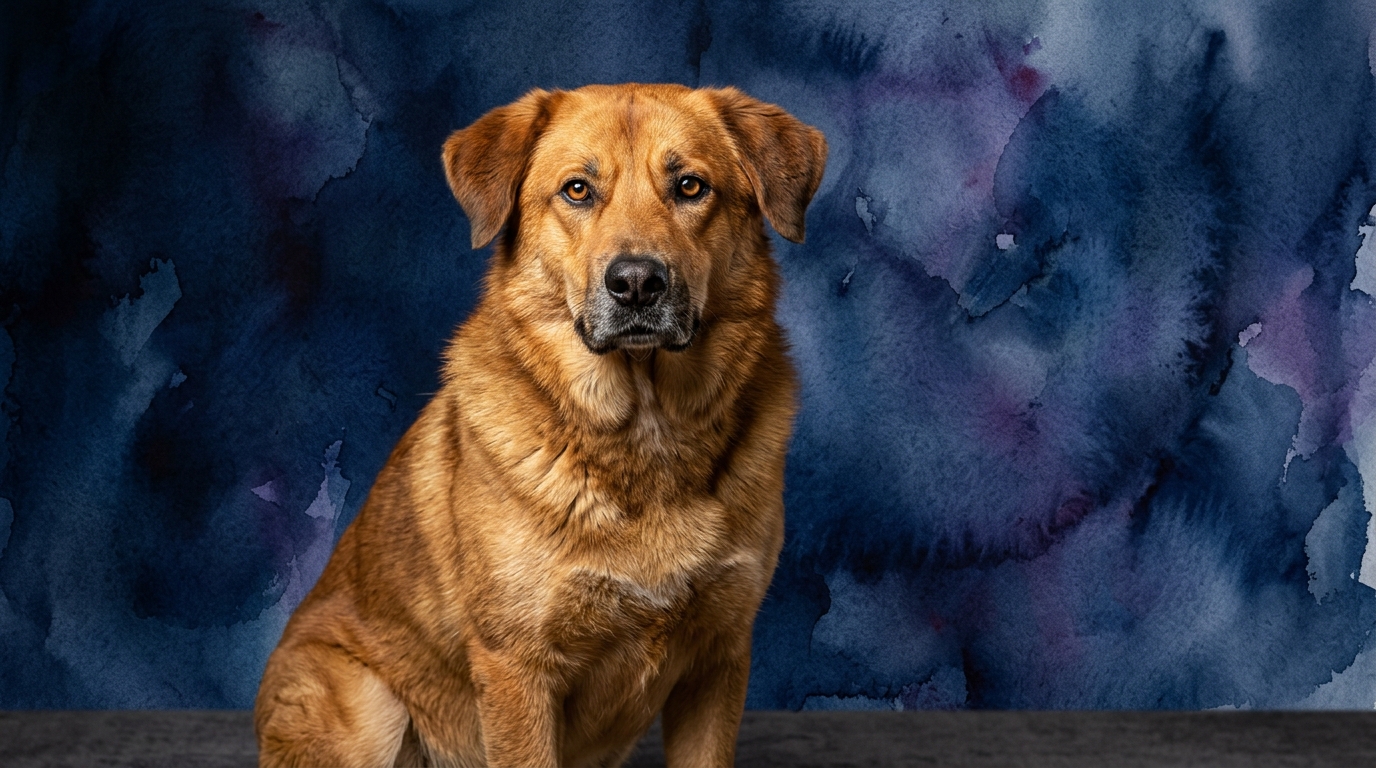
Side-by-Side IQ Profile: Papillon vs. Chinook
The Cosmic Pet Pet IQ Lab categorizes canine intelligence across five key dimensions, offering a detailed lens through which to view these breeds. The Papillon, a Toy breed ranked #8 by Coren, presents a profile reflecting its long history as a companion and performer. Its Problem Solving ability is rated 5/5, indicating a strong capacity for independent thought and navigating novel situations. Training Speed also scores a perfect 5/5, highlighting its rapid grasp of new commands and concepts. Social Intelligence, crucial for human-dog bonding, stands at 4/5, while Instinctive Drive, less emphasized in companion breeds, is 3/5. Its Memory is exceptional, earning a 5/5, suggesting a deep retention of learned behaviors and routines.
In contrast, the Chinook, a Working breed not ranked by Coren, exhibits a more balanced and robust cognitive profile suited to its demanding heritage. Its Problem Solving ability is rated 3/5, suggesting a practical, task-oriented approach rather than complex abstract thinking. Training Speed is also 3/5, indicating a steady but not instantaneous learning pace. Social Intelligence is 3/5, demonstrating a cooperative nature essential for team-based work. Instinctive Drive, while not overwhelming, also sits at 3/5, reflecting its purpose-driven nature. Memory for the Chinook is 3/5, sufficient for retaining task-specific information and routines over time.
Where the Papillon Wins Cognitively
The Papillon's cognitive strengths shine in areas requiring mental agility and rapid processing. Their 5/5 rating in Problem Solving means they excel at figuring out puzzles, manipulating objects to achieve a goal, or navigating complex environments to reach a desired outcome, often with surprising independence. This breed can quickly assess a situation and devise a solution, whether it's opening a cabinet or finding a hidden treat.
Their perfect 5/5 Training Speed allows them to absorb new commands and multi-step routines with remarkable efficiency, often requiring only a few repetitions to solidify a behavior. This makes them stars in obedience and trick training, where their ability to link actions to verbal cues is exceptional. Furthermore, their 5/5 Memory ensures these learned skills are not easily forgotten, allowing them to build an extensive repertoire of behaviors and reliably recall them even after long periods. This combination makes them adept at advanced obedience and canine sports like agility, where quick decision-making and precise execution are paramount.
Where the Chinook Wins Cognitively
While the Papillon excels in rapid mental gymnastics, the Chinook's cognitive advantages lie in steadfastness, sustained application, and cooperative focus. Their 3/5 Problem Solving, while not as flashy, translates into a practical intelligence geared towards overcoming physical obstacles in a methodical manner, particularly when working alongside a handler. They might not invent a novel solution on the fly, but they will consistently apply known methods to achieve a goal, such as finding the easiest path through snow or pulling a load efficiently.
The Chinook's 3/5 Training Speed, combined with a 3/5 Memory, means they learn through consistent, patient repetition, building a strong foundation of reliable behaviors. This isn't about quick tricks, but about deeply ingrained habits and a dependable work ethic. Their 3/5 Social Intelligence fosters a strong, cooperative bond with their human companions, making them excellent team players in tasks that require sustained effort and mutual understanding. They thrive on clear direction and a sense of purpose, demonstrating a quiet determination that underpins their working capabilities. This breed's strength is in its robust mental endurance and unwavering commitment to a given task, rather than quick-fire intellectual displays.
Which is Easier to Train and Why
Based on The Cosmic Pet Pet IQ Lab's metrics, the Papillon is demonstrably easier to train, primarily due to its superior Training Speed (5/5 vs. Chinook's 3/5) and Problem Solving (5/5 vs. 3/5). Papillons quickly grasp new concepts and associate commands with actions, often requiring fewer repetitions to master a skill. Their innate curiosity and eagerness to engage mentally mean they are often highly motivated by novelty and intellectual challenge, making positive reinforcement highly effective. A Papillon might learn a complex sequence of tricks in a single session, driven by their intrinsic desire to solve and perform.
Conversely, the Chinook, while trainable, demands more patience and consistency. Their 3/5 Training Speed suggests they absorb information steadily, but not instantaneously. They benefit from clear, consistent instruction and a methodical approach to training, where each step is thoroughly practiced before moving on. Chinook owners might find that while their dog eventually learns a command reliably, it takes more time and repetition than with a Papillon. This difference isn't a lack of ability in the Chinook, but rather a reflection of their working heritage, where reliability and endurance often trump rapid acquisition of complex, abstract behaviors. Their training success often hinges on building a strong, cooperative relationship and providing a clear purpose for the learned tasks.
Which Suits Active Owners vs. Relaxed Owners
The suitability of these breeds for active versus relaxed owners hinges on their cognitive and physical energy profiles. The Papillon, despite its Toy group classification, thrives with owners who are active in a mentally stimulating sense. Their high Problem Solving and Memory scores mean they require consistent mental engagement, enjoying activities like dog sports (agility, rally obedience), learning new tricks, or puzzle toys. While they enjoy walks, their activity needs are often more about intellectual challenge than sheer physical endurance. A "relaxed" owner who provides little mental stimulation might find a Papillon resorting to mischief out of boredom, despite their modest physical demands. They are ideal for owners who enjoy interactive play and teaching.
The Chinook, on the other hand, is a working breed through and through, requiring owners who are genuinely active in a physical sense and can provide a consistent "job." Their moderate cognitive scores, coupled with their physical build, mean they are best suited for owners who enjoy outdoor adventures like hiking, skijoring, or long-distance walks. Their mental stimulation comes from applying their physical capabilities to a purpose, rather than solving abstract puzzles. A Chinook needs a routine and a sense of contribution; a "relaxed" owner who cannot provide ample exercise and consistent engagement will likely find their Chinook becoming restless or destructive due to pent-up energy and lack of purpose. They are best for owners seeking a steadfast partner for outdoor activities and consistent, purposeful work.
The Verdict
If you seek a mentally agile companion who thrives on complex learning, excels at problem-solving games, and can rapidly master an extensive repertoire of commands and tricks, the Papillon is an exceptional choice. They are ideal for owners who enjoy intellectual engagement, dog sports, and a dog whose primary "job" is intelligent companionship and interactive play within a home setting.
If your lifestyle involves consistent outdoor activity, a desire for a steadfast and cooperative working partner, and an appreciation for methodical learning and enduring application of skills, the Chinook will be a rewarding companion. They are best suited for owners who can provide ample physical exercise, a sense of purpose, and value a loyal, robust dog that excels in sustained, purposeful endeavors rather than quick mental feats.
🧠 Find Your Pet's IQ Score
Our Pet IQ Lab assessment covers 25+ tests across 5 cognitive dimensions — personalized to your breed.
Take the Full IQ Test →Frequently Asked Questions
Are Papillons good for first-time dog owners?
A Papillon can be a good choice for a first-time owner who understands their significant need for mental stimulation and consistent training. Their eagerness to learn makes training straightforward, but their intelligence also means they can become bored or mischievous if not adequately engaged.
Do Chinooks require a lot of grooming?
Chinooks have a dense, double coat that requires moderate grooming, typically weekly brushing to manage shedding and prevent mats. Their coat is designed for protection in cold climates, so regular maintenance is important, especially during seasonal sheds.
Can a Chinook live in an apartment?
While a Chinook can adapt to apartment living if their significant exercise and mental stimulation needs are consistently met, it is not ideal. They thrive with access to a yard and owners dedicated to long daily walks, hikes, or other outdoor activities that fulfill their working breed instincts.