Side-by-Side Cognitive Profiles: Papillon vs. French Bulldog
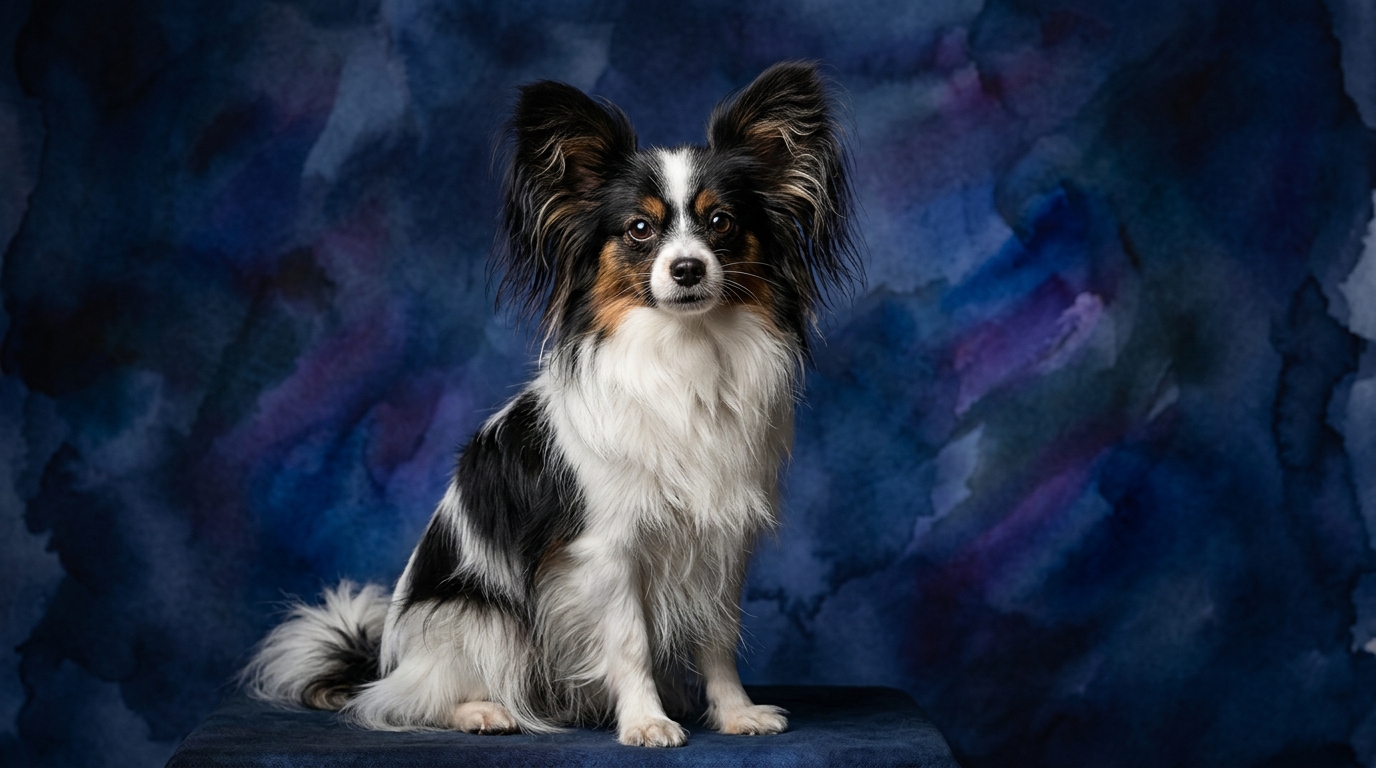
The Cosmic Pet Pet IQ Lab employs five key dimensions to evaluate canine intelligence, offering a nuanced understanding beyond simple 'smart' labels. For the Papillon, a breed ranked #8 by Stanley Coren, their profile suggests a highly adaptable and quick-thinking companion. They excel with a Problem Solving score of 5/5, indicating a remarkable capacity to navigate novel situations and figure out solutions independently, often demonstrating inventive approaches to challenges. Their Training Speed is also a perfect 5/5, meaning they grasp new commands and routines with impressive swiftness, making them a trainer's delight. Social Intelligence, at 4/5, highlights their good understanding of human cues and emotional states, though they might not always prioritize social connection above all else. Their Instinctive Drive is moderate at 3/5, suggesting they possess some natural dog behaviors like chasing or exploring, but these are generally manageable. Finally, their Memory is exceptional at 5/5, allowing them to retain a vast repertoire of learned behaviors and experiences over time.
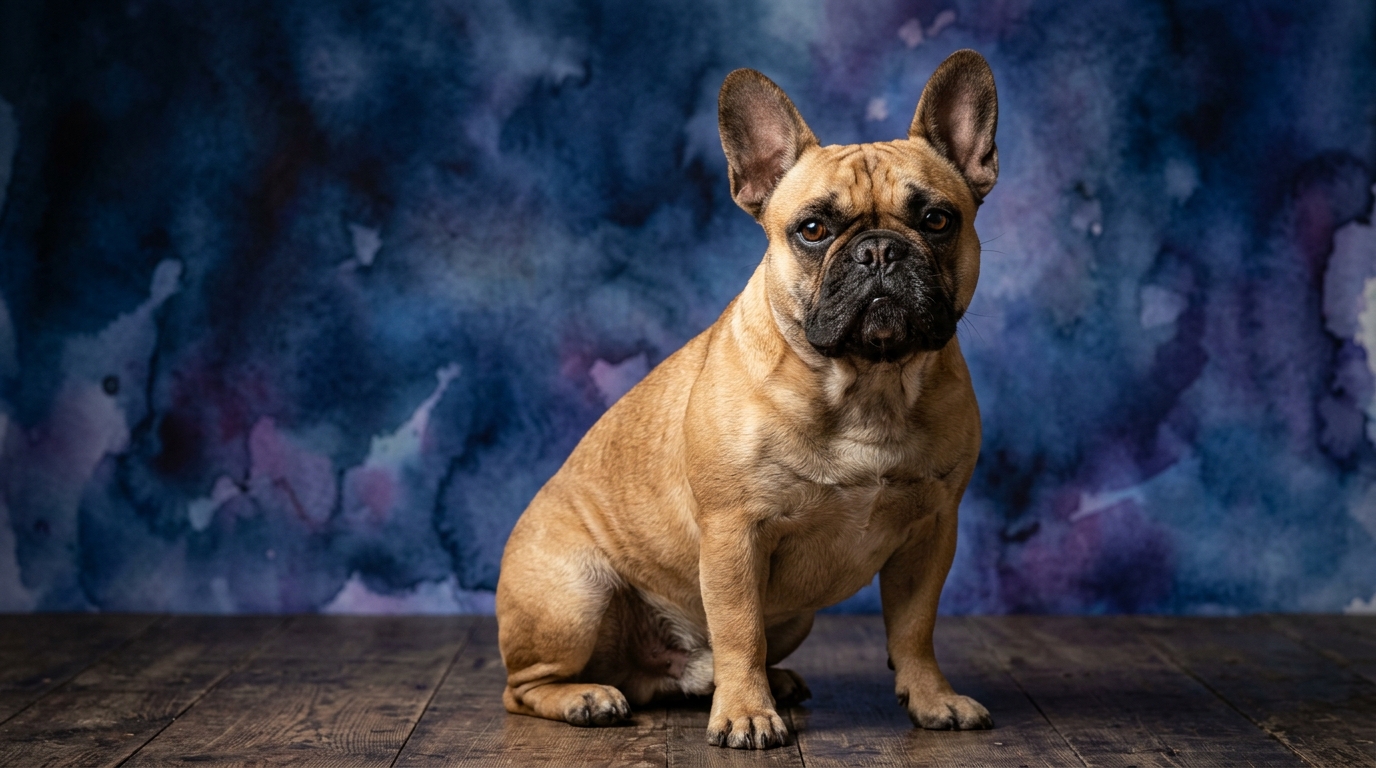
In contrast, the French Bulldog, a Non-Sporting breed not ranked by Coren, presents a different set of cognitive strengths tailored to companionship. Their Problem Solving is rated at 3/5, indicating they can solve practical issues but may not seek out complex mental puzzles or show the same inventive flair as a Papillon. Their Training Speed also stands at 3/5; they are capable of learning, but typically require more repetition and consistent motivation than their Papillon counterparts, preferring a steady, positive approach. Where the French Bulldog truly shines is in Social Intelligence, scoring a perfect 5/5. This reflects their deep attunement to human emotions, their desire for close interaction, and their innate ability to comfort and connect. Their Instinctive Drive is low at 2/5, meaning they have minimal prey drive or strong urges to perform traditional working dog tasks, aligning with their role as devoted companions. Their Memory is rated 3/5, suggesting they retain information adequately for daily life and basic training, but may not recall intricate sequences or commands with the same precision as a Papillon.
Where the Papillon Wins Cognitively
The Papillon's cognitive prowess is most evident in its capacity for rapid learning and intricate problem-solving. A perfect 5/5 in Training Speed means a Papillon can master complex agility courses, learn numerous tricks, or even excel in obedience competitions with fewer repetitions than many other breeds. Their high Problem Solving score (5/5) translates into an ability to independently figure out how to retrieve a toy from under furniture, open a cabinet, or even manipulate puzzle feeders without extensive human guidance. This quick intellectual grasp, combined with their 5/5 Memory, allows them to build an extensive mental catalog of commands, cues, and past experiences, making them incredibly adaptable to new situations and capable of retaining advanced skills over their lifetime. For owners who relish engaging in dog sports or teaching elaborate trick sequences, the Papillon offers an unparalleled partner in cognitive challenges.
Where the French Bulldog Wins Cognitively
While the Papillon excels in technical problem-solving, the French Bulldog's cognitive strengths lie in their profound social intelligence. Their 5/5 score in this dimension means they are exceptionally adept at reading human emotions, understanding subtle body language, and responding with empathy and affection. A French Bulldog might not solve a complex puzzle toy as quickly, but they are far more likely to instinctively offer comfort when an owner is distressed, or adjust their behavior based on a person's mood. Their intelligence is geared towards fostering deep, reciprocal bonds, making them masters of companionship. This manifests in their ability to anticipate an owner's needs for snuggles, or their gentle persistence in seeking attention when they sense their human could use some cheering up, making them intuitive emotional support animals.
Training Ease: Papillon vs. French Bulldog
When it comes to training, the Papillon generally offers a smoother, faster experience due to their superior Problem Solving (5/5) and Training Speed (5/5). They are eager to learn and quick to connect actions with consequences, often requiring only a few repetitions before a new command is mastered. Their strong memory (5/5) ensures that once learned, commands are rarely forgotten, allowing for continuous progression to more advanced behaviors. For example, a Papillon might learn to 'fetch' a specific named toy after just a handful of attempts, and retain that skill for years. Their inclination to engage mentally makes them highly responsive to positive reinforcement and praise, thriving on the challenge of learning new things.
The French Bulldog, with a 3/5 in both Problem Solving and Training Speed, requires a more patient and consistent approach. They are not unintelligent, but their learning style is more deliberate; they need clear, frequent repetitions and strong motivation, often in the form of high-value treats or effusive praise. They are less likely to spontaneously figure out a new task and may become stubborn if training is rushed or overly demanding. For instance, teaching a French Bulldog 'stay' will likely take more sessions and consistent reinforcement than with a Papillon, but once they understand the expectation and motivation, they will reliably perform. Their social intelligence means they respond well to training that strengthens the human-dog bond, viewing it as a cooperative activity rather than a purely intellectual exercise.
Suitability for Active vs. Relaxed Owners
The Papillon is an ideal companion for active owners who enjoy engaging their dogs in various mentally stimulating and physically demanding activities. Their moderate Instinctive Drive (3/5) combined with their exceptional problem-solving and training speed makes them excellent candidates for dog sports like agility, flyball, or advanced obedience. They thrive on having a 'job' and benefit from structured play, regular walks, and opportunities to explore and learn. Owners who are keen to teach tricks, participate in canine events, or simply want a dog that can keep up with a dynamic lifestyle will find the Papillon to be an incredibly rewarding and enthusiastic partner.
Conversely, the French Bulldog is perfectly suited for more relaxed owners seeking a devoted, low-key companion. Their low Instinctive Drive (2/5) means they have minimal urges for extensive exercise or complex mental tasks, preferring comfort and close proximity to their human family. They are content with moderate daily walks and short play sessions, primarily valuing companionship and affection. Owners who enjoy cozy evenings at home, require a dog that adapts well to apartment living, and prioritize emotional connection over athletic prowess will find the French Bulldog's social intelligence and calm demeanor to be an ideal match. They are masters of the art of relaxed companionship, bringing warmth and presence without demanding constant activity.
The Verdict
Choose a Papillon if you seek a highly trainable, mentally agile companion eager to learn complex tasks and participate in dynamic activities, thriving on intellectual engagement and structured challenges.
Opt for a French Bulldog if your priority is a deeply social, emotionally attuned companion who offers unwavering affection and thrives on close human interaction, preferring a relaxed lifestyle over intense mental or physical exertion.
🧠 Find Your Pet's IQ Score
Our Pet IQ Lab assessment covers 25+ tests across 5 cognitive dimensions — personalized to your breed.
Take the Full IQ Test →Frequently Asked Questions
Which breed is better for first-time dog owners?
Both breeds can be suitable, but for first-time owners seeking a more straightforward training experience, the Papillon's quick learning might be appealing. However, the French Bulldog's lower exercise needs and strong desire for companionship can also make them a forgiving choice, provided owners are patient with training.
Do Papillons and French Bulldogs get along with children?
Papillons, with their social intelligence, can be excellent with respectful, older children who understand how to interact with a smaller, more delicate dog. French Bulldogs, with their high social intelligence and sturdy build, are often very tolerant and affectionate with children of all ages, making them a popular family pet.
Which breed requires more mental stimulation?
The Papillon significantly benefits from more mental stimulation due to their high problem-solving ability and memory. They thrive on puzzle toys, learning new tricks, and engaging in interactive games. French Bulldogs appreciate some mental engagement, but their needs are less intense and often satisfied through social interaction and gentle play.