Side-by-Side IQ Profile: Papillon vs. Leonberger
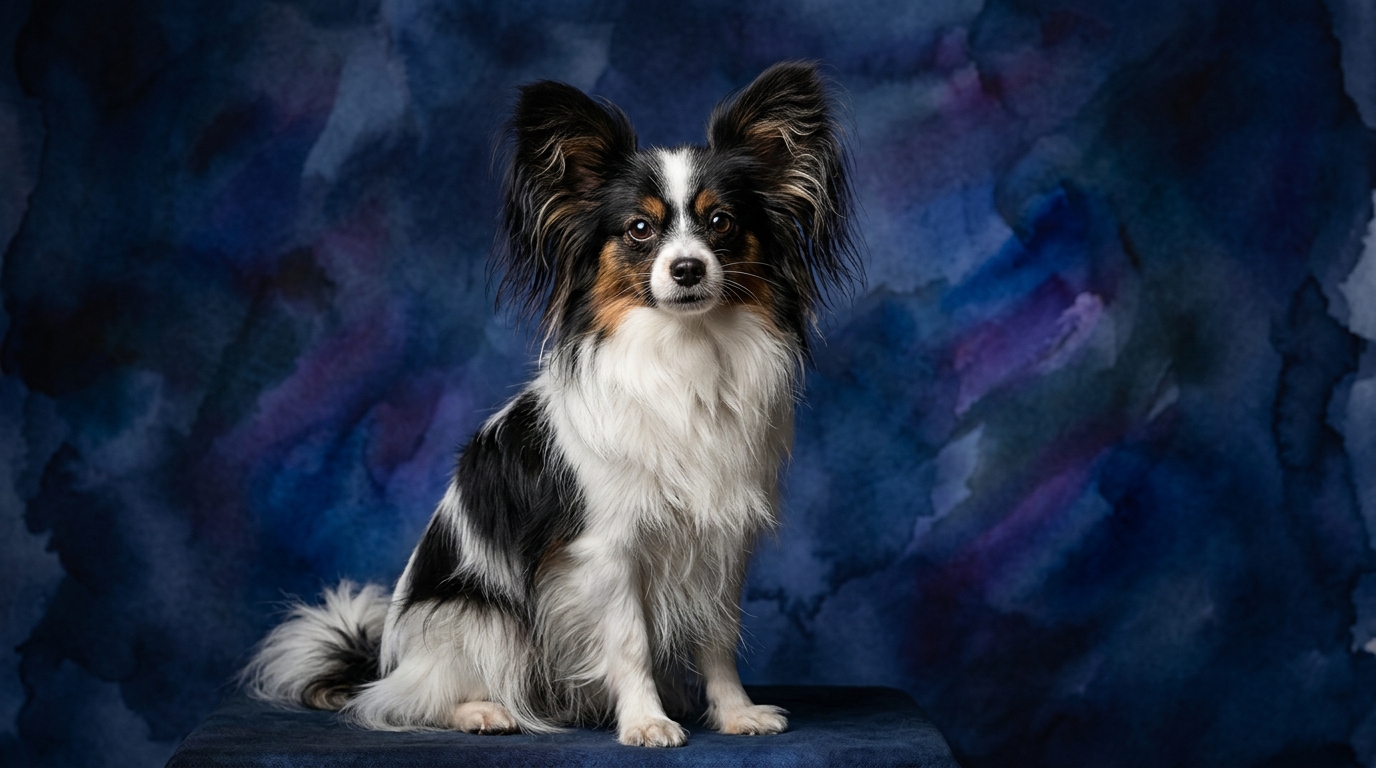
Our Pet IQ Lab evaluates five critical dimensions of canine intelligence, offering a comprehensive look at how each breed processes the world. For the Papillon, a breed ranked #8 by Coren for its working and obedience intelligence, its cognitive profile is exceptionally sharp across the board. It scores a perfect 5/5 in Problem Solving, demonstrating an exceptional capacity to navigate novel situations and figure out solutions independently. Its Training Speed also earns a top 5/5, reflecting its remarkable ability to quickly grasp and execute new commands. Social Intelligence is strong at 4/5, indicating a keen understanding of human cues and emotions, while its Instinctive Drive is a moderate 3/5, meaning it possesses natural dog behaviors without being overwhelmingly driven by them. Finally, its Memory is outstanding at 5/5, allowing it to retain a vast repertoire of information and experiences.
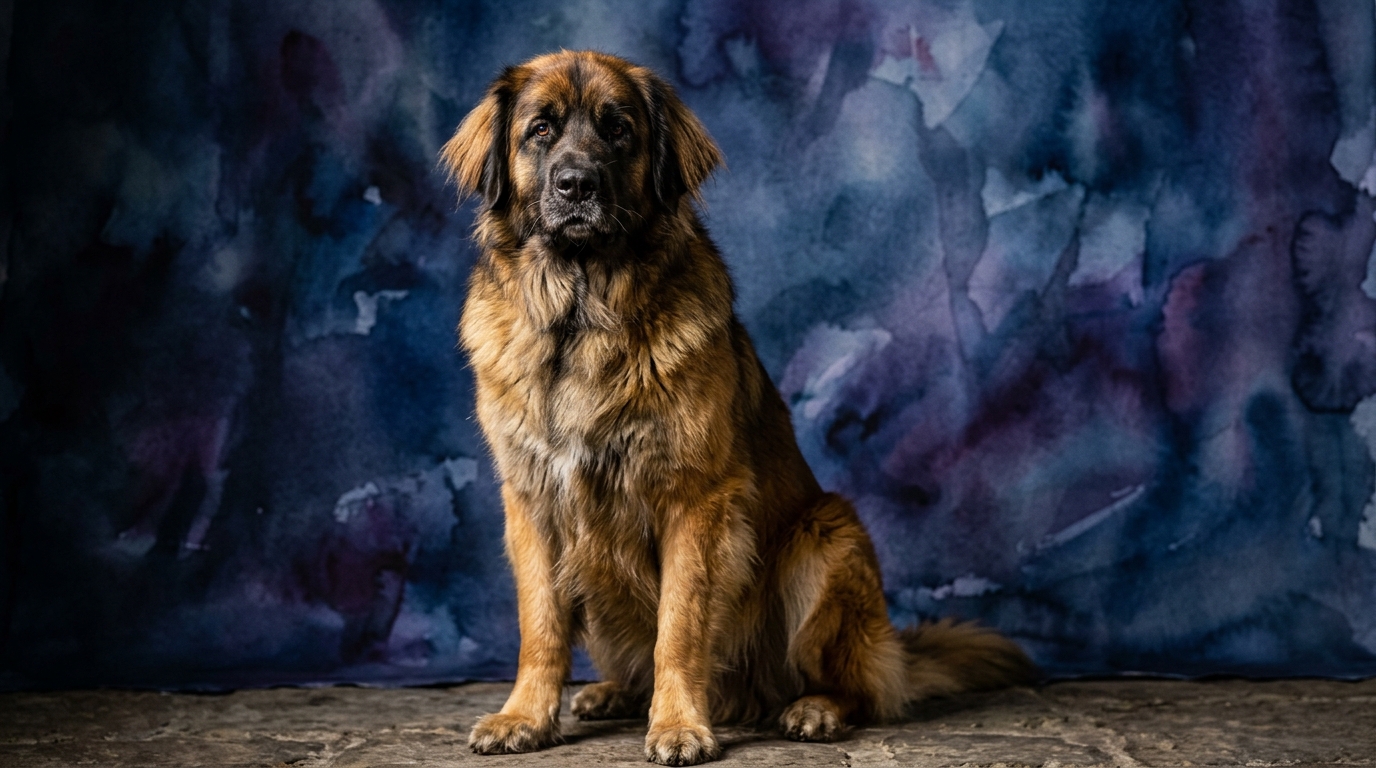
The Leonberger, a dignified working breed not listed in Coren's top rankings, presents a more balanced and steady cognitive profile, perfectly suited to its role as a gentle giant and reliable companion. Across all five IQ dimensions – Problem Solving, Training Speed, Social Intelligence, Instinctive Drive, and Memory – the Leonberger consistently scores a 3/5. This consistent scoring suggests a dog that is capable and competent without the extreme peaks seen in some breeds. Its moderate Problem Solving indicates it can learn and adapt, albeit perhaps not with the same rapid ingenuity as a Papillon. A Training Speed of 3/5 means it is receptive to learning, requiring patience and clear methods. Its Social Intelligence at 3/5 points to a loyal and perceptive companion, while an Instinctive Drive of 3/5 suggests a balanced temperament. A Memory score of 3/5 reflects a reliable ability to recall learned behaviors and experiences over time.
Where the Papillon Wins Cognitively
The Papillon's cognitive victories are evident in its speed and acuity. Its perfect 5/5 in Problem Solving means this small dog isn't just following orders; it's actively analyzing its environment and devising strategies. For instance, a Papillon might quickly figure out how to open a child-proof gate or manipulate a puzzle toy designed for much larger dogs, showcasing a remarkable capacity for independent thought. This ability to think on its paws makes it an excellent candidate for complex dog sports like agility or competitive obedience, where quick decision-making under pressure is paramount. Furthermore, its 5/5 Training Speed translates into a dog that picks up new commands and routines with astonishing swiftness, often requiring fewer repetitions than other breeds to solidify a behavior. This makes the training process not just efficient but also highly engaging for both dog and owner. Its exceptional memory (5/5) means that once a lesson is learned, it's rarely forgotten, building a robust foundation of knowledge and skills.
Where the Leonberger Wins Cognitively
While the Papillon excels in rapid acquisition and complex problem-solving, the Leonberger's balanced cognitive profile offers a different kind of strength—one rooted in stability and consistency. Its moderate instinctive drive (3/5) means it's less prone to chasing small animals or exhibiting intense prey drive compared to breeds with higher scores in this area, making it a steadier companion in varied environments, particularly around children or other pets. Furthermore, its consistent social intelligence (3/5) ensures it can form strong, reliable bonds and understand human cues without the potential for over-stimulation or the need for constant mental gymnastics that a higher-scoring breed might demand. The Leonberger's steady memory (3/5) means it retains commands and routines reliably, fostering a predictable and calm household atmosphere rather than one requiring continuous novel challenges. This breed's cognitive 'win' lies in its unwavering temperament and dependable nature, making it a steadfast presence rather than a flashy performer.
Which is Easier to Train and Why?
Based on our Pet IQ Lab scores, the Papillon is undeniably the easier breed to train, primarily due to its superior Training Speed (5/5) and Problem Solving (5/5). A Papillon will typically grasp a new command, like 'stay' or 'heel,' after only a handful of repetitions, often eager to please and quick to connect actions with rewards. Their problem-solving acumen means they can generalize learned behaviors to new situations more readily, and they often seek out ways to earn reinforcement. For instance, if a Papillon learns to sit for a treat, it will likely offer a sit in various contexts when it wants something, demonstrating proactive application of its knowledge.
The Leonberger, with its 3/5 scores in both Training Speed and Problem Solving, requires a more patient and consistent approach. While perfectly capable of learning, a Leonberger might need more repetitions to solidify a command and may not generalize as quickly. Their training is more about steady reinforcement and clear communication rather than rapid-fire learning. For example, teaching a Leonberger to 'stay' might involve longer, more structured sessions with gradual increases in duration and distraction, relying on consistent cues rather than expecting the dog to anticipate the next step. Their training success hinges on the owner's commitment to repetition and positive reinforcement, building a solid foundation over time.
Which Suits Active Owners vs. Relaxed Owners?
The Papillon, with its exceptionally quick mind and high cognitive scores, is ideally suited for active owners who thrive on mental engagement and consistent interaction. These dogs require regular mental stimulation, whether through learning new tricks, participating in dog sports like agility or flyball, or engaging in complex puzzle toys. An owner who enjoys teaching, problem-solving alongside their pet, and providing varied daily challenges will find the Papillon a remarkably rewarding companion. Their cognitive agility means that without sufficient mental exercise, they can become bored and potentially develop undesirable behaviors out of frustration. They are not content to merely observe; they want to participate and contribute.
The Leonberger, possessing a more balanced and steady cognitive profile, is an excellent match for owners who appreciate a calm, predictable, and affectionate presence. While they certainly benefit from regular exercise and training, their cognitive needs are less about constant novel challenges and more about consistent routines and companionship. A relaxed owner who enjoys leisurely walks, quiet evenings, and a dog that is stable and dependable will find the Leonberger's temperament a perfect fit. Their moderate instinctive drive and social intelligence make them less prone to high-strung behavior, fostering a harmonious home environment where their gentle nature can truly shine without demanding constant mental gymnastics.
The Verdict
Choose the Papillon if you're an owner seeking a highly interactive, quick-witted companion eager to learn and excel in mental challenges and dog sports.
Opt for the Leonberger if you desire a steadfast, calm, and dependable giant whose balanced cognitive profile makes for a wonderfully stable and affectionate family member.
🧠 Find Your Pet's IQ Score
Our Pet IQ Lab assessment covers 25+ tests across 5 cognitive dimensions — personalized to your breed.
Take the Full IQ Test →Frequently Asked Questions
Do Papillons require a lot of mental stimulation?
Yes, Papillons, with their 5/5 problem-solving and memory, thrive on mental engagement. Daily puzzle toys, training sessions, and opportunities to learn new skills are crucial to keep their sharp minds content and prevent boredom.
Is the Leonberger difficult to train due to its lower IQ scores?
No, the Leonberger is not difficult to train; rather, it requires consistency and patience. Its 3/5 training speed means it learns reliably, but at a steady pace, benefiting from clear, repetitive methods rather than expecting rapid acquisition of complex commands.
Can a Papillon live peacefully with other pets?
A Papillon's 4/5 social intelligence suggests it generally adapts well to other pets, especially with proper socialization. Its moderate instinctive drive (3/5) also helps prevent an overly strong prey drive towards smaller animals, making harmonious multi-pet households achievable.