Side-by-Side Cognitive Profiles
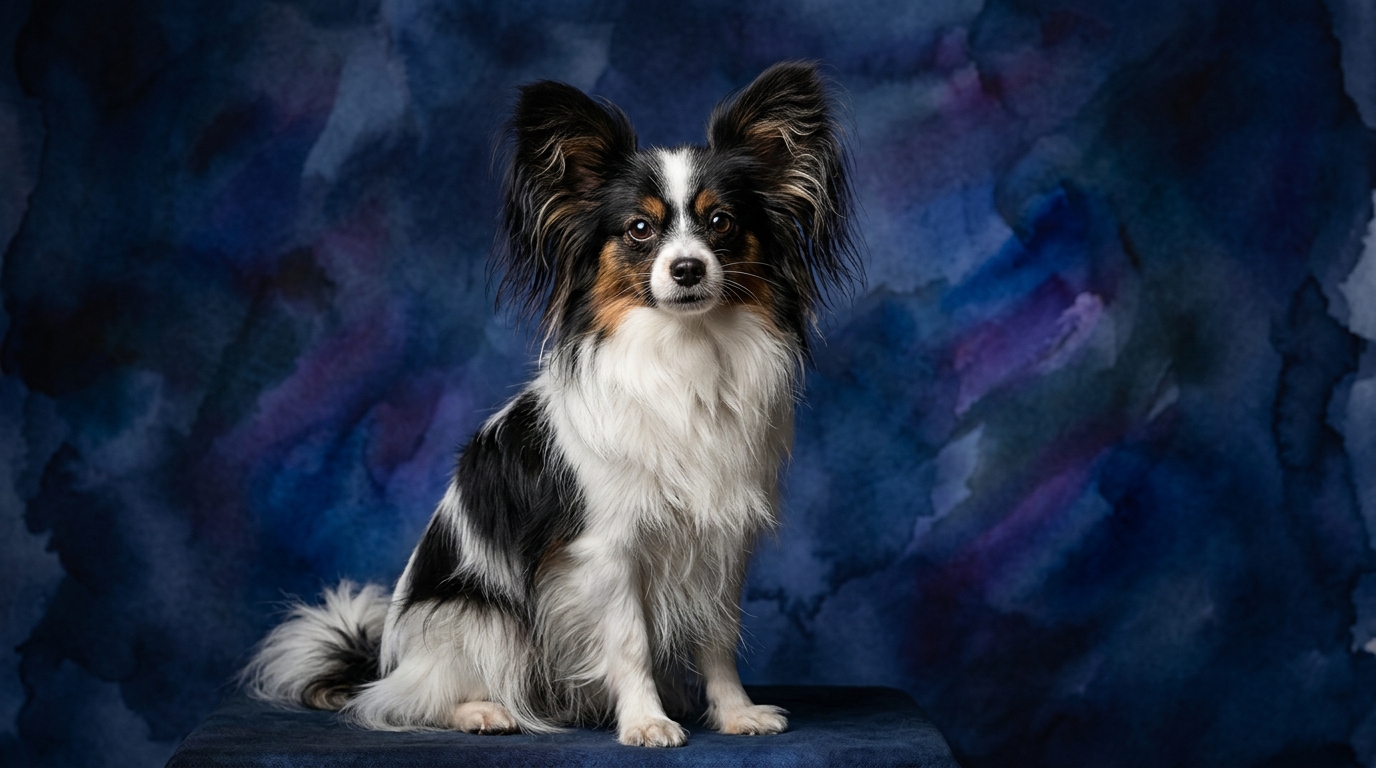
The Cosmic Pet Pet IQ Lab's assessment offers a fascinating glimpse into the distinct cognitive architecture of the Papillon and the Mastiff, highlighting how their evolutionary paths have shaped their mental capacities. For the Papillon, ranked #8 by Coren, its Problem Solving score of 5/5 indicates an exceptional ability to navigate novel challenges, quickly understanding cause-and-effect and devising solutions to complex scenarios. Its Training Speed, also 5/5, means new commands are grasped almost immediately, showcasing a profound eagerness and capacity for rapid learning. A Social Intelligence of 4/5 suggests a nuanced understanding of human emotions and social cues, enabling adaptable and responsive interactions. The Papillon's Instinctive Drive is a moderate 3/5, meaning while some natural drives persist, they are not overwhelmingly dominant, and its Memory at 5/5 signifies an outstanding ability to retain learned behaviors and recall specific events over extended periods.
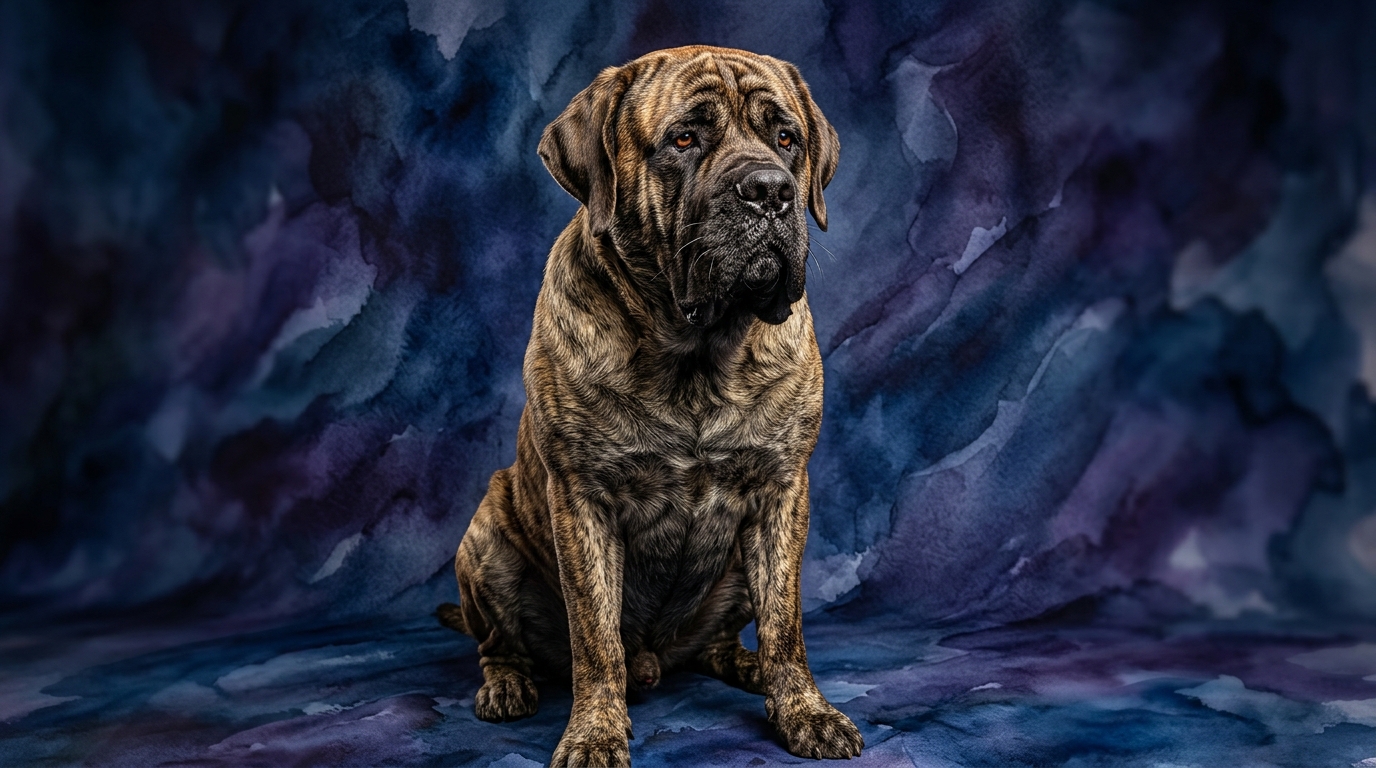
In contrast, the Mastiff, with a Coren rank of #72, presents a cognitive profile built for steadfastness and deliberate action. Its Problem Solving score of 3/5 indicates an ability to tackle straightforward issues but with a preference for established routines over spontaneous problem-solving, often requiring more guidance for complex tasks. A Training Speed of 3/5 means new commands are learned steadily and reliably with consistent reinforcement, rather than through rapid-fire acquisition. The Mastiff's Social Intelligence, also 3/5, reflects a solid, often quiet understanding of its human companions, expressed through deep loyalty and protective instincts rather than overt, quick responsiveness. Its Instinctive Drive is 3/5, typically manifesting as a strong guardian instinct rather than a high prey drive, while a Memory score of 3/5 suggests reliable recall of routines, people, and basic commands, contributing to its dependable nature without the detailed recall of its smaller counterpart.
Where the Papillon's Mind Excels
The Papillon's cognitive prowess truly shines in areas demanding rapid acquisition and flexible application of knowledge, making them exceptional students in various disciplines. Their 5/5 score in Problem Solving means these small dogs are adept at navigating complex environments, quickly understanding cause-and-effect relationships, and devising solutions to novel situations, such as figuring out how to retrieve a toy from an enclosed space or manipulating intricate puzzle feeders. This sharp mental agility, combined with a 5/5 Training Speed, makes them exceptionally quick learners, absorbing new commands and tricks with minimal repetition, often seeming to anticipate their handler's next instruction. Their excellent 5/5 Memory further solidifies these gains, ensuring that once a skill is learned, it is retained with remarkable fidelity, allowing for a vast repertoire of learned behaviors and a consistent understanding of household rules. This combination of quick wit, rapid learning, and strong retention positions the Papillon as a breed that thrives on mental engagement and complex interaction, consistently demonstrating a capacity for sophisticated cognitive tasks. Their 4/5 Social Intelligence also enables them to read human moods and intentions with precision, fostering a responsive and communicative relationship.
Where the Mastiff's Mind is Particularly Effective
While the Mastiff's cognitive profile might not boast the rapid processing speeds of some breeds, their strengths lie in a profound steadiness and discerning application of their capacities, particularly concerning their historical role. Their 3/5 Social Intelligence manifests as a deep, unwavering loyalty and a nuanced understanding of their immediate family unit, expressed through quiet vigilance and protective instincts rather than overt responsiveness. They excel at discerning friend from perceived threat, demonstrating a patient, observational intelligence that prioritizes the safety and security within their domain. The Mastiff's 3/5 Instinctive Drive is channeled effectively into their historical role as guardians; they possess an innate sense of responsibility for their family and territory, which is a form of practical intelligence focused on risk assessment and protective action. Their 3/5 Memory, though not photographic, is perfectly suited for establishing reliable routines and remembering the faces and intentions of those within their trusted circle, contributing to their dependable and consistent nature. This breed's cognitive strengths are rooted in a calm, deliberate processing style, emphasizing reliability and a profound, stable understanding of their social and environmental roles.
Training: Papillon's Zest vs. Mastiff's Steadiness
When it comes to ease of training, the Papillon holds a distinct advantage due to its exceptional 5/5 Training Speed and 5/5 Memory. These dogs pick up new commands and behaviors almost instantaneously, often requiring only a few repetitions before a concept is firmly grasped. Their eagerness to engage and their ability to quickly associate verbal cues with actions make positive reinforcement highly effective, allowing for the rapid expansion of their obedience repertoire, from basic commands to complex agility sequences or trick training. They thrive on mental challenges, viewing training as an engaging game rather than a chore, actively seeking to understand what is being asked.
In contrast, the Mastiff, with a 3/5 Training Speed and 3/5 Memory, requires a more patient, consistent, and reward-based approach. While certainly trainable, they learn at a more deliberate pace, necessitating shorter, more frequent training sessions to avoid overwhelming them. Their inherent calm nature means they might not display the same zest for rapid learning; instead, they benefit from clear, consistent expectations and a focus on foundational obedience and good manners. Real behavioral differences include the Papillon's tendency to offer behaviors more readily, actively seeking to understand what is being asked, while the Mastiff might require more intrinsic motivation and a slower build-up of associations to solidify learning.
Matching Cognitive Style to Owner Lifestyle
The distinct cognitive profiles of the Papillon and Mastiff naturally align with different owner lifestyles and expectations. Owners with an active, engagement-focused lifestyle, who enjoy dog sports, advanced obedience, or simply a companion eager for constant mental stimulation, will find the Papillon an ideal match. Their high problem-solving capacity and rapid learning mean they thrive when given regular opportunities to use their brains, whether through learning new tricks, participating in agility, or solving puzzle toys. They are dogs that enjoy being 'in on the action,' appreciating owners who can keep up with their quick wit and provide varied intellectual challenges and consistent interaction.
Conversely, the Mastiff is better suited for relaxed owners who appreciate a calm, steadfast presence and are prepared for a more deliberate pace of interaction. While they still require consistent training and socialization, their cognitive strengths lean towards observational learning and steady adherence to routine rather than constant novelty. Owners who value a quiet, watchful companion, content with a comfortable home life and predictable interactions, will find the Mastiff's serene temperament and profound loyalty deeply rewarding. They are not dogs that demand constant high-energy mental games but rather a secure, stable environment where their discerning social intelligence and protective instincts can quietly flourish.
The Verdict
Choose a Papillon if you seek a highly trainable, mentally agile companion eager for complex learning, dog sports, and constant interactive engagement, thriving on varied mental challenges.
Opt for a Mastiff if you desire a calm, loyal, and steadfast guardian that thrives on routine, a secure home environment, and a relaxed, patient approach to companionship, valuing quiet stability.
🧠 Find Your Pet's IQ Score
Our Pet IQ Lab assessment covers 25+ tests across 5 cognitive dimensions — personalized to your breed.
Take the Full IQ Test →Frequently Asked Questions
Do Papillons need more mental exercise than Mastiffs?
Yes, Papillons, with their 5/5 problem-solving and training speed, require significantly more mental stimulation than Mastiffs to prevent boredom and maintain their cognitive sharpness. They thrive on learning new tricks, puzzle toys, and interactive games, whereas Mastiffs are generally content with a more routine-based mental engagement.
Can a Mastiff still learn complex commands despite a lower training speed?
Absolutely. While a Mastiff's training speed is rated 3/5, they are fully capable of learning complex commands. The key is patience, consistency, and breaking down tasks into smaller, manageable steps, utilizing positive reinforcement to build associations over time. Their learning style is deliberate rather than rapid.
How does social intelligence differ between these two breeds?
The Papillon's 4/5 social intelligence often manifests as keen responsiveness and adaptability to various social situations and human emotions, making them very communicative and engaging. The Mastiff's 3/5 social intelligence is more about deep, quiet loyalty and discerning observation within their trusted circle, expressing profound, stable attachment rather than overt, rapid emotional mirroring.