Side-by-Side IQ Profile: Papillon vs. Miniature Schnauzer
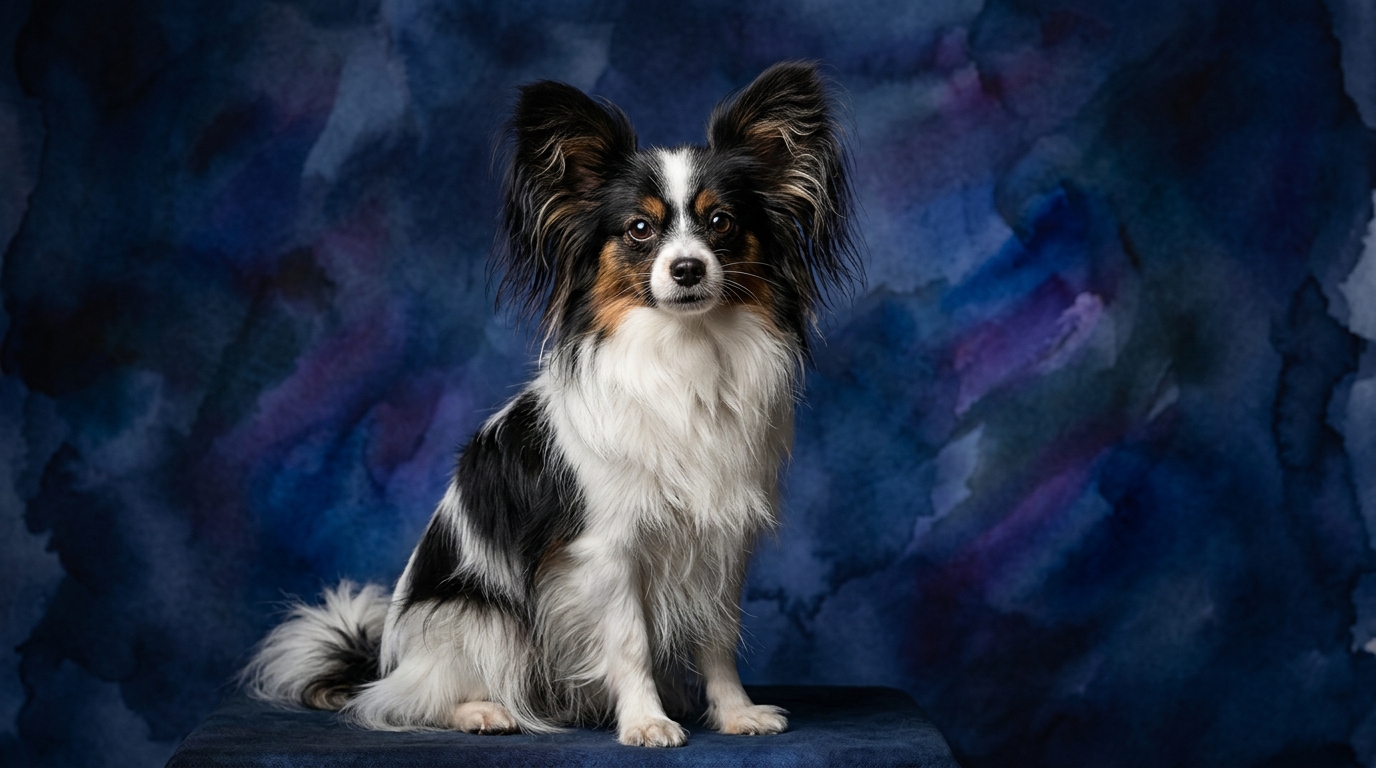
The Cosmic Pet Pet IQ Lab assesses canine intelligence across five dimensions. For the Papillon, a Toy breed ranking #8 on the Coren scale, its profile is marked by exceptional Problem Solving (5/5) and Memory (5/5), indicating an adeptness at novel challenges and retaining complex information. Its Training Speed (5/5) signifies rapid command acquisition, while Social Intelligence (4/5) reflects a good grasp of human cues. A moderate Instinctive Drive (3/5) typically manifests as a desire for companionship.
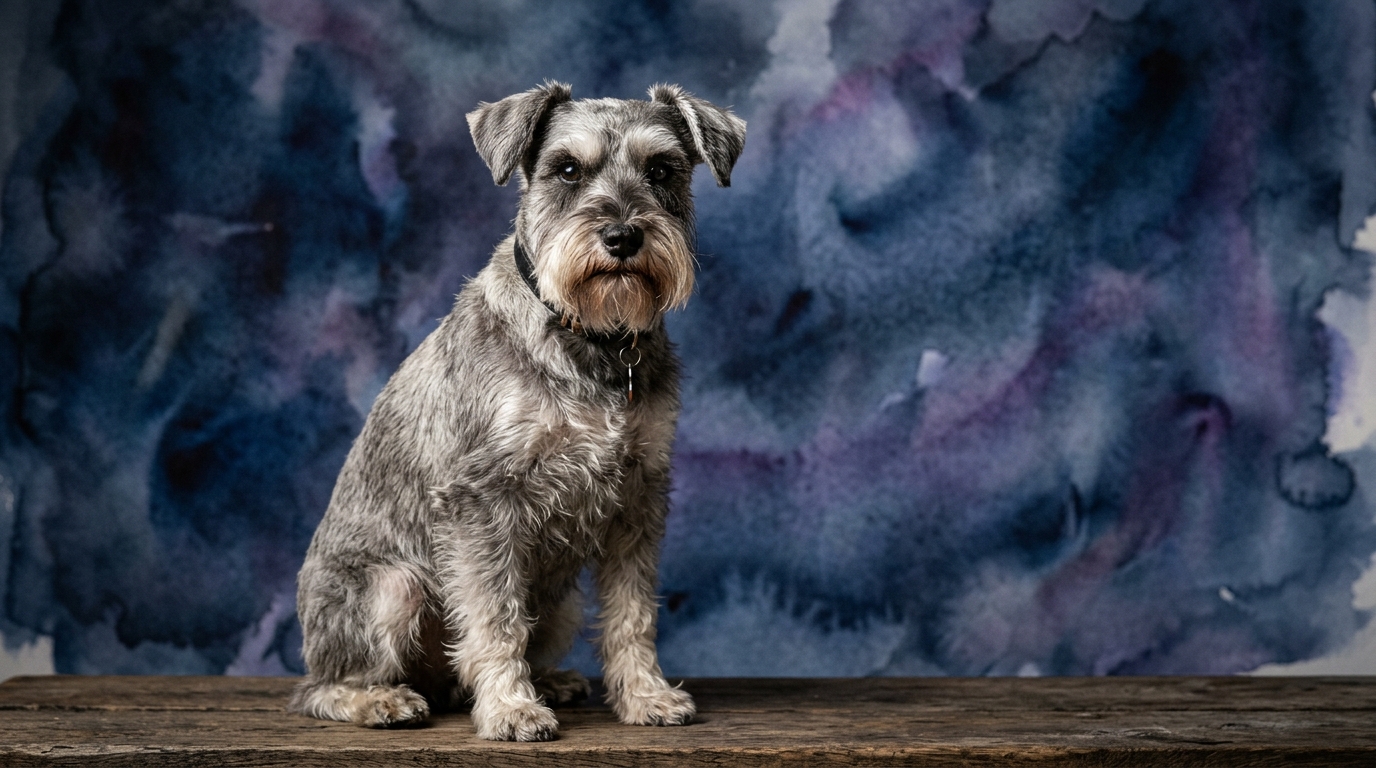
The Miniature Schnauzer, a Terrier at #12 on the Coren scale, presents a different emphasis. It shares the Papillon’s remarkable Training Speed (5/5) and robust Social Intelligence (4/5). Its Problem Solving (4/5) is strong, though a shade less innovative. A key differentiator is its pronounced Instinctive Drive (4/5), reflecting its terrier heritage with inclinations towards vigilance and chasing. The Miniature Schnauzer’s Memory (4/5) is solid, allowing effective recall of routines, though perhaps not with the same intricate detail as the Papillon.
Where the Papillon Wins Cognitively
The Papillon’s cognitive prowess particularly shines in areas demanding intricate mental engagement. Its perfect score in Problem Solving (5/5) illustrates an exceptional capacity for analytical thought and innovative solutions to novel dilemmas. This breed excels at assessing situations, devising strategies, and executing them, often without prior experience, such as quickly mastering a complex puzzle toy. This demonstrates a remarkable flexibility of thought, adapting its approach when an initial solution fails.
Furthermore, the Papillon's top-tier Memory (5/5) complements its problem-solving skills, extending beyond basic commands to recall intricate sequences, complex trick routines, and subtle nuances of past interactions. An owner might observe their Papillon recalling a specific toy's location after months or remembering an elaborate agility course layout with minimal refreshers. This robust memory contributes significantly to its rapid training speed and its ability to generalize learned concepts effectively in new contexts.
Where the Miniature Schnauzer Wins Cognitively
The Miniature Schnauzer’s cognitive strengths are rooted in its terrier lineage, manifesting most clearly in its elevated Instinctive Drive (4/5). While the Papillon’s drive often centers on social engagement, the Schnauzer’s is intrinsically tied to its historical purpose: vigilance, hunting small vermin, and a tenacious pursuit of perceived duties. This translates into a heightened awareness of its surroundings, a natural inclination to investigate novel sounds or smells, and a determination that, once focused on a task, is difficult to deter. For example, a Miniature Schnauzer might exhibit exceptional focus when tracking a scent or guarding its territory, demonstrating sustained cognitive effort driven by innate purpose.
This strong instinctive drive also informs its practical problem-solving. While the Papillon might abstractly solve a puzzle, the Schnauzer uses its determination and persistence to "solve" the problem of catching a perceived pest or alerting its family. Its solid memory (4/5) supports this drive, allowing recall of effective strategies for these instinct-driven tasks and remembering areas requiring particular vigilance. The Miniature Schnauzer's cognitive profile is thus geared towards active engagement with its environment, characterized by focused tenacity and a keen sense of purpose.
Which is Easier to Train and Why
Both the Papillon and Miniature Schnauzer boast a perfect Training Speed (5/5), indicating they grasp new commands swiftly. However, the overall ease of training can vary due to other cognitive factors, particularly problem-solving abilities, memory, and instinctive drives.
The Papillon, with superior Problem Solving (5/5) and Memory (5/5), often presents as marginally "easier" for a wider array of complex tasks. Their innate ability to quickly grasp novel concepts and remember intricate sequences means they excel in advanced obedience, trick training, and dog sports, often requiring fewer repetitions. Their lower Instinctive Drive (3/5) also means they are generally less distracted by environmental stimuli, remaining more consistently focused on the trainer. Their motivation often stems from a desire for mental engagement and positive interaction.
The Miniature Schnauzer, while equally quick to learn, can present a different dynamic due to its more pronounced Instinctive Drive (4/5). Their terrier tenacity and environmental focus can lead to selective hearing or prioritizing a scent over a command. While they understand quickly, their independent streak and drive to pursue their own interests might demand more consistent and engaging motivation from the trainer, especially in distracting environments. Training a Schnauzer often involves channeling their determination into constructive activities, making consistency and clear boundaries crucial. Thus, while both learn fast, the Papillon’s profile makes it slightly more adaptable and consistently compliant across diverse training challenges.
Which Suits Active Owners vs. Relaxed Owners
Matching a dog’s cognitive profile with an owner’s lifestyle is essential. The Papillon, despite its delicate appearance, is not a sedentary lap dog; its exceptional Problem Solving (5/5) and Memory (5/5) demand significant mental stimulation. Owners who enjoy complex training, teaching tricks, participating in dog sports like agility, or providing puzzle toys will find the Papillon an eager and capable partner. While its physical exercise needs are moderate, its mental exercise requirements are substantial. This breed suits an owner prepared to provide consistent intellectual challenges to prevent boredom, enjoying mentally engaging activities over solely strenuous physical excursions.
The Miniature Schnauzer, with its robust Instinctive Drive (4/5) and sturdy build, typically requires a more physically active and structured lifestyle. This breed benefits immensely from owners who appreciate regular, vigorous exercise, be it brisk walks, hiking, or structured play. Their natural vigilance and tendency to explore scents make them well-suited for owners who enjoy outdoor activities and can provide outlets for these behaviors, perhaps exploring earthdog trials. A purely "relaxed" owner unable to consistently provide both physical and mental engagement for their strong instinctive drives might find the Miniature Schnauzer's energy challenging. They thrive with owners actively involved in their daily routine, offering consistent leadership and training.
The Verdict
For those seeking a canine companion with unparalleled mental agility, exceptional memory, and a keen desire for intellectual engagement, the Papillon is an ideal choice, excelling in complex training and innovative problem-solving.
Conversely, if your lifestyle calls for a sturdy, vigilant, and spirited partner with a strong, purposeful drive, the Miniature Schnauzer stands out, thriving with owners who can channel its terrier instincts into productive activities and appreciate unwavering determination.
🧠 Find Your Pet's IQ Score
Our Pet IQ Lab assessment covers 25+ tests across 5 cognitive dimensions — personalized to your breed.
Take the Full IQ Test →Frequently Asked Questions
Are Papillons better at learning tricks than Miniature Schnauzers?
Given the Papillon's 5/5 problem-solving and memory scores, they generally excel at learning complex tricks and routines, often grasping new concepts with remarkable speed and retaining them long-term. While Miniature Schnauzers are also quick learners (5/5 training speed), their focus might lean more towards practical tasks or instinct-driven behaviors.
Which breed is more prone to independent thinking?
The Miniature Schnauzer, with its terrier heritage and stronger instinctive drive (4/5), often exhibits more independent thinking, especially when its instincts like scent following or guarding are engaged. Papillons are also capable of independent problem-solving (5/5) but are generally more eager to please their handlers and less likely to prioritize an instinctual urge over a known command.
Do both breeds adapt well to apartment living?
Both breeds can adapt well to apartment living provided their specific cognitive and physical needs are met. Papillons require significant mental stimulation and regular, though not necessarily extensive, exercise. Miniature Schnauzers need consistent physical activity and outlets for their instinctive drives, which might require more structured outdoor time and training to manage their vigilance and energy in a confined space.