Side-by-Side Cognitive Profiles: Papillon vs. Neapolitan Mastiff
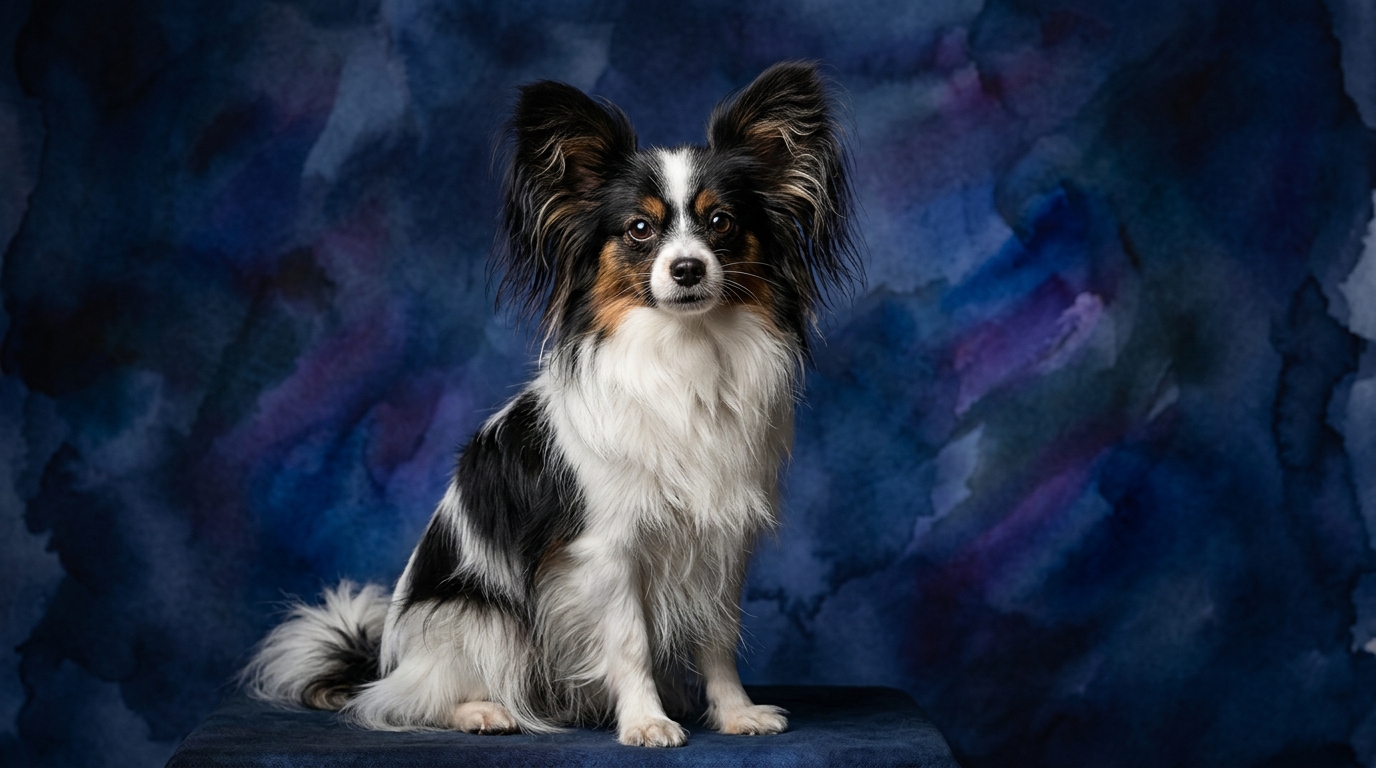
The Cosmic Pet Pet IQ Lab employs a five-dimensional framework to assess canine intelligence, offering a nuanced view beyond simple obedience. For the Papillon, a breed often recognized for its mental agility, the scores paint a picture of a highly responsive and adaptable companion. Its Problem Solving is rated 5/5, indicating an exceptional capacity to navigate novel situations and figure out solutions independently. Training Speed also sits at a perfect 5/5, signifying rapid learning and retention of commands. Social Intelligence is strong at 4/5, showing a keen awareness of human cues and emotional states. Instinctive Drive is a balanced 3/5, reflecting manageable innate urges, and Memory is outstanding at 5/5, contributing significantly to its trainability and recall.
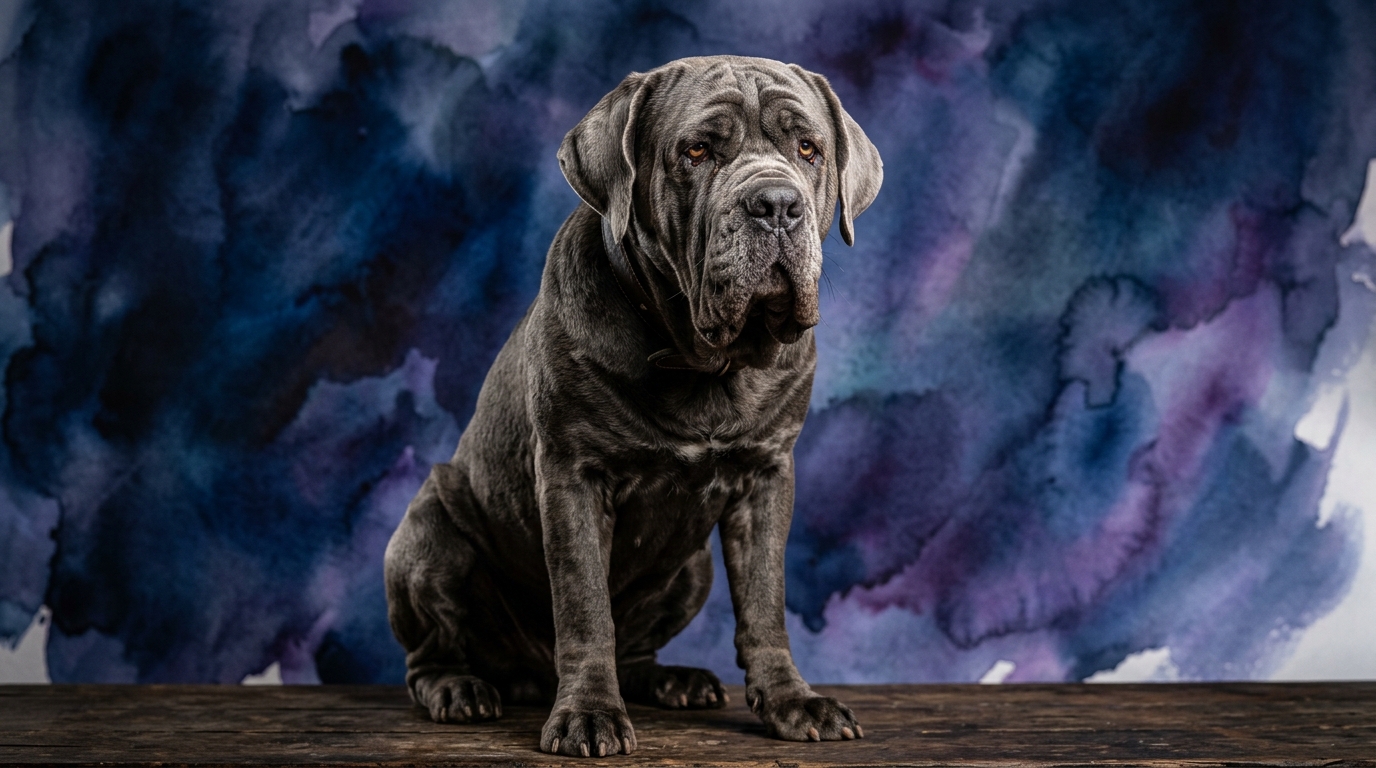
In contrast, the Neapolitan Mastiff, a breed celebrated for its imposing presence and loyalty, exhibits a more deliberate cognitive style. Across all five dimensions—Problem Solving, Training Speed, Social Intelligence, Instinctive Drive, and Memory—it consistently scores 3/5. This indicates a functional and purposeful intelligence, but one that is neither geared towards rapid abstract learning nor highly complex problem-solving. Its cognitive strengths lie more in steadfastness and a focused application of its innate protective drives rather than the quick-witted adaptability seen in breeds like the Papillon. These scores are not a measure of worth, but rather an indicator of different cognitive priorities and breed-specific aptitudes.
Where the Papillon's Cognition Excels
The Papillon's cognitive profile is a testament to its agility of mind, particularly in areas demanding rapid assimilation and application of knowledge. Their top scores in Problem Solving, Training Speed, and Memory signify a dog that not only learns quickly but also retains that learning with impressive fidelity. This means a Papillon can master a diverse repertoire of commands, tricks, and even complex agility courses, often excelling in competitive obedience with minimal effort compared to many other breeds. They consistently demonstrate an eagerness to engage in mental challenges, making them stellar candidates for advanced training.
Their superior Problem Solving ability allows them to navigate intricate environments, figure out how to open gates, or even devise novel ways to get attention or access desired items. This isn't just about following instructions; it's about independent thought and creative application of learned principles. Combined with their high Social Intelligence, a Papillon can often anticipate an owner's mood or intentions, making them remarkably intuitive and responsive companions, capable of adapting seamlessly to various social situations and forming deep, empathetic bonds.
Where the Neapolitan Mastiff's Cognition Shines
While the Neapolitan Mastiff's cognitive scores might appear modest compared to the Papillon, their strengths lie in a different sphere of intelligence, one deeply rooted in their historical purpose. Their 3/5 in Instinctive Drive, coupled with their imposing physical presence, translates into an unwavering dedication to guarding and protection. This isn't about complex problem-solving in an abstract sense, but about a deep, primal understanding of territory and family safety. Their cognitive makeup prioritizes vigilance and a steady, discerning nature over flashy displays of quick wit.
The Neapolitan Mastiff's deliberate approach, reflected in their 3/5 scores across Problem Solving, Training Speed, and Memory, often translates into a steady, thoughtful demeanor rather than frantic reactivity. This cognitive profile allows them to be steadfast and observant guardians, less prone to overthinking or impulsive actions in their primary role. Their social intelligence, though more reserved, means they form profound, loyal bonds, making them discerning judges of character rather than indiscriminately friendly, a valuable trait for a protector whose primary 'job' is to assess and respond to potential threats.
Training Dynamics: A Tale of Two Approaches
Without question, the Papillon presents a significantly easier training experience due to its exceptional 5/5 Training Speed and 5/5 Memory. These traits mean Papillons absorb new commands and behaviors with remarkable alacrity, often requiring only a few repetitions to solidify a concept. They are eager to please and thrive on mental challenges, making positive reinforcement highly effective and training sessions engaging and productive. Their high problem-solving skills also mean they can generalize learned behaviors to new situations more readily, making them a joy to teach and a consistent performer in various contexts.
Conversely, the Neapolitan Mastiff, with a 3/5 Training Speed and 3/5 Memory, demands a more patient, consistent, and structured training approach. They are not as quick to pick up abstract commands and may require more repetitions and longer sessions to fully grasp and retain new information. Their training often relies on clearly defined boundaries, strong leadership, and consistent routines, playing into their more deliberate nature and protective instincts. Training success with a Neapolitan Mastiff hinges on understanding their inherent drive and working with it, rather than against it, focusing on clarity and repetition to embed desired behaviors.
Matching Canine Cognition to Owner Lifestyle
The Papillon, with its vibrant cognitive profile, is ideally suited for active owners who relish engaging their dog in mental and physical activities. Their high problem-solving ability, rapid training speed, and excellent memory mean they thrive on learning new tricks, participating in dog sports like agility or obedience, and engaging in interactive puzzle toys. An owner who enjoys daily training sessions, structured play, and consistent mental stimulation will find the Papillon a wonderfully responsive and fulfilling companion. A relaxed owner who cannot provide this level of mental engagement might find a Papillon resorting to self-directed problem-solving, which could manifest as unwanted behaviors or a frustrated demeanor.
The Neapolitan Mastiff, while requiring consistent physical exercise to maintain health and prevent lethargy, is more aligned with owners who appreciate a calm, watchful presence and are prepared for a deliberate approach to training and socialization. Their lower scores in rapid problem-solving and training speed suggest they do not demand constant, complex mental stimulation in the same way a Papillon does. However, their strong instinctive drive for guarding means they need an owner who is confident in managing this trait through early socialization and consistent, firm guidance. A relaxed owner, in this context, is one who can provide a stable, predictable environment and is content with a dog whose 'work' is primarily watchful companionship and territorial oversight, rather than performing complex tricks or excelling in dog sports.
The Verdict
Opt for a Papillon if you seek a highly trainable, mentally agile companion eager to engage in complex learning, dog sports, and constant interaction.
Select a Neapolitan Mastiff if you desire a loyal, protective, and calm guardian that thrives on clear structure and a steady, predictable environment.
🧠 Find Your Pet's IQ Score
Our Pet IQ Lab assessment covers 25+ tests across 5 cognitive dimensions — personalized to your breed.
Take the Full IQ Test →Frequently Asked Questions
Do Papillons need a lot of mental stimulation?
Yes, Papillons possess exceptional problem-solving and memory skills, requiring consistent mental engagement through training, puzzle toys, and interactive play to prevent boredom and channel their cognitive energy constructively. Their quick learning ability means they thrive on new challenges and can become bored if not adequately stimulated.
Is a Neapolitan Mastiff difficult to train for a first-time dog owner?
A Neapolitan Mastiff's training requires significant patience and consistency due to their moderate training speed and memory. While not impossible for a first-time owner, it demands a confident, committed individual who can provide clear leadership and consistent socialization from a young age, understanding their protective instincts.
How do their social intelligence scores impact their interaction with families?
Papillons, with 4/5 social intelligence, are highly attuned to family dynamics and emotions, making them adaptable and responsive companions who often seek to be involved in all household activities. Neapolitan Mastiffs, at 3/5, form deep, protective bonds with their immediate family but are typically more reserved and discerning with strangers, prioritizing loyalty and guarding over broad social engagement.