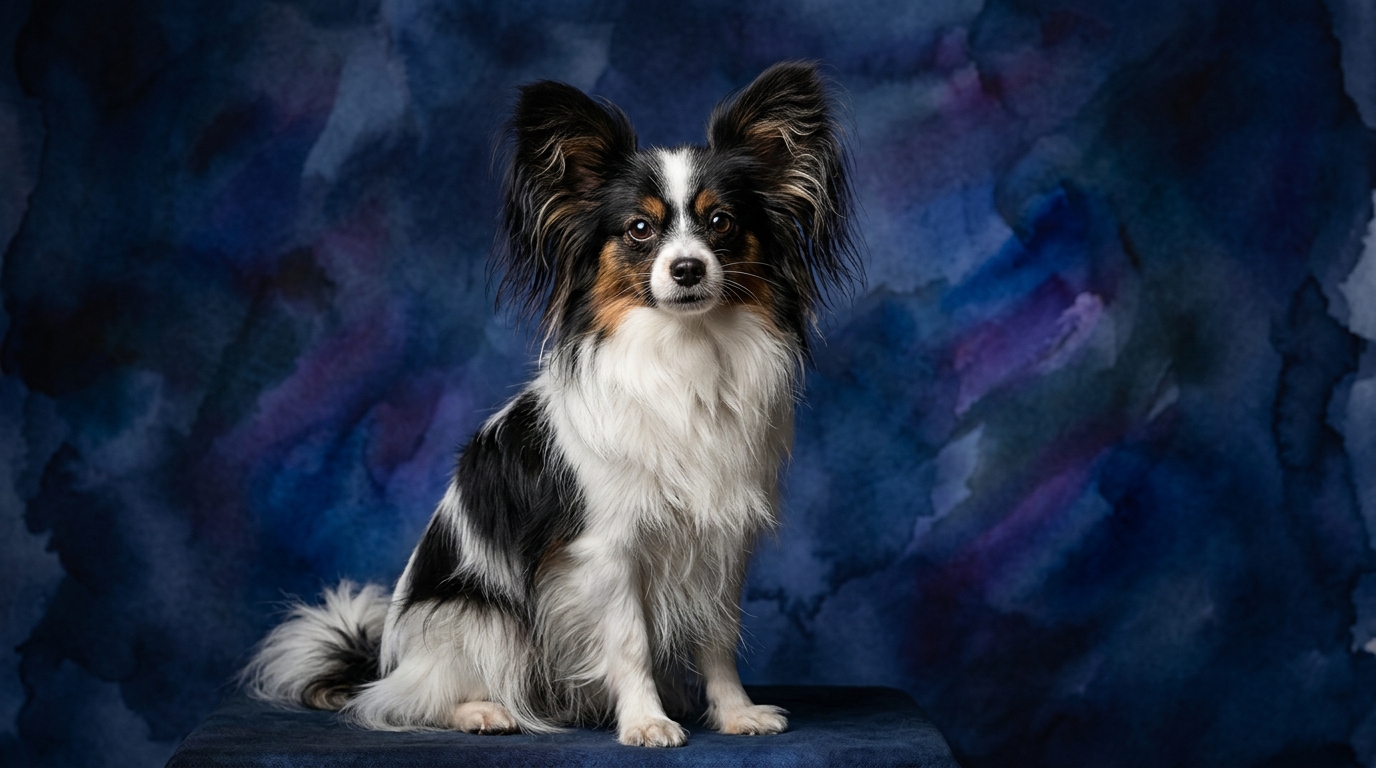
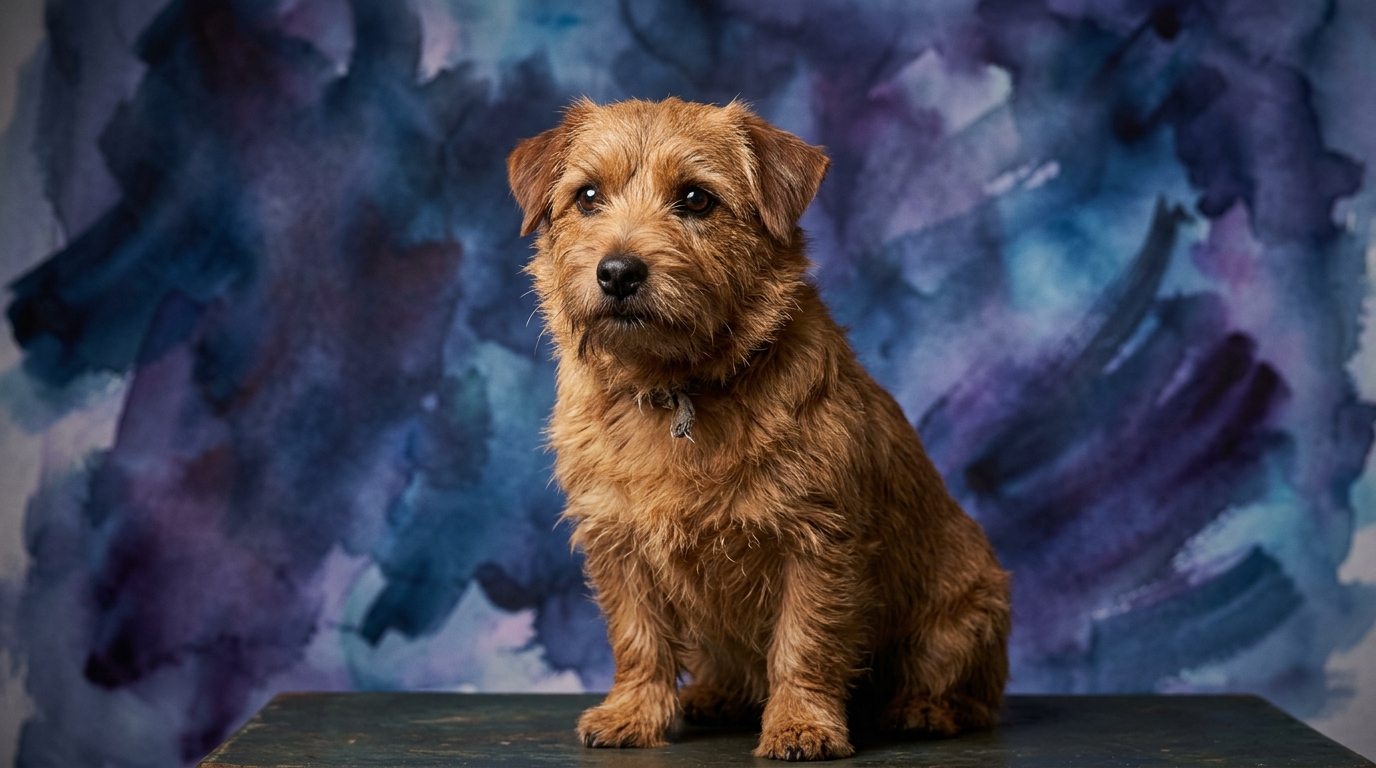
Side-by-Side IQ Profile
**Papillon**: Ranked #8 by Stanley Coren, the Papillon is a cognitive powerhouse. Its Problem Solving (5/5) means it approaches challenges with remarkable ingenuity, quickly assessing situations and devising effective solutions, whether it's figuring out a complex puzzle toy or navigating a tricky agility course. Its Training Speed (5/5) indicates it grasps new commands and routines with astonishing rapidity, often requiring only a handful of repetitions to solidify a behavior, making it highly responsive to positive reinforcement methods. For Social Intelligence (4/5), its ability to read human cues and adapt behavior accordingly is pronounced; it excels at understanding intentions and emotions, fostering a deep, empathetic bond with its families. Its Instinctive Drive (3/5) suggests that while not devoid of natural instincts, its drives are moderate, allowing it to be an attentive companion without being overly consumed by prey drive or territoriality, making it adaptable to various home environments. Finally, its Memory (5/5) is exceptional, showing long-term recall for learned commands, routines, and even specific people or places with impressive accuracy, which contributes significantly to its advanced trainability.
**Norfolk Terrier**: Not listed in Coren's top ranks, the Norfolk Terrier presents a balanced, robust intelligence. Its Problem Solving (3/5) indicates it is capable, particularly when motivated by a task that aligns with its inherent terrier nature, like digging or tracking; it learns through trial and error but may take more time than a Papillon to conceptualize abstract solutions. Its Training Speed (3/5) shows it learns at a steady pace, requiring consistent and patient instruction to master new commands; its independent streak means it might not always be as eager to please as some other breeds, necessitating engaging training sessions. For Social Intelligence (3/5), Norfolks are personable and form strong bonds with their families, but their social acumen is more focused on their immediate pack; they are generally friendly but may not possess the same nuanced understanding of subtle human emotional shifts as the Papillon. Its Instinctive Drive (3/5) means possessing a classic terrier drive, where instincts for chasing small animals and digging are present but manageable; this score suggests it is less prone to extreme prey drive compared to some other terrier breeds, making early socialization and leash training crucial. Its Memory (3/5) retains information adequately, remembering commands and routines once thoroughly learned; however, occasional refreshers might be necessary, and it might not recall specific events or people with the same vividness as a breed with higher memory scores.
Where Papillon Wins Cognitively
The Papillon's cognitive strengths are undeniable, particularly in areas demanding mental agility and rapid learning. Their 5/5 score in Problem Solving means they don't just follow instructions; they actively engage with their environment to find solutions, making them exceptional candidates for intricate puzzle toys or advanced obedience and agility challenges. This breed's 5/5 Training Speed is a testament to their quick uptake of new information, allowing them to master complex command sequences or learn novel tricks in remarkably few repetitions. Furthermore, their superior Memory (5/5) ensures that once a lesson is learned, it is deeply ingrained, leading to reliable long-term recall and consistent performance. This combination results in a dog that is not only eager to learn but also retains that learning, making them highly adaptable to varied training disciplines and lifestyle changes.
Where Norfolk Terrier Wins Cognitively
While the Norfolk Terrier may not boast the same high scores in pure cognitive speed or abstract problem-solving, its balanced intelligence profile offers distinct advantages for specific owners and lifestyles. Its 3/5 in Instinctive Drive, while still a terrier trait, means a more manageable prey drive compared to some of its terrier cousins, making it potentially easier to train for off-leash reliability in appropriate environments and less likely to be solely driven by the hunt. The Norfolk's consistent 3/5 across all categories suggests a dog that is adaptable and robust, neither overly sensitive to social nuances nor overly complex in its intellectual demands, which can be a "win" for owners seeking a straightforward, resilient companion. Their moderate Social Intelligence (3/5) means they form devoted bonds without exhibiting the intense codependency or separation anxiety sometimes seen in breeds with extremely high social scores, offering a healthy degree of independence that many owners appreciate in a companion dog. This breed's tenacity and self-reliance, stemming from its balanced cognitive traits, allow it to thrive in varied environments where a degree of independent thought is valued.
Which is Easier to Train and Why
When it comes to ease of training, the Papillon clearly holds the advantage due to its exceptional cognitive profile. Its 5/5 Training Speed means it absorbs new commands and routines almost instantly, often understanding what is expected after only a few repetitions. This rapid comprehension, coupled with its 5/5 Problem Solving, allows Papillons to quickly generalize learned behaviors to new situations and even anticipate trainer cues, making training sessions highly productive and engaging. Their strong Memory (5/5) ensures long-term retention of commands, reducing the need for constant refreshers. In contrast, the Norfolk Terrier's 3/5 Training Speed indicates a more deliberate learning pace, requiring greater patience and consistency from the trainer. While Norfolks are certainly trainable, their independent terrier spirit means they may require more creative motivation and a firm but fair approach to ensure compliance. They are less likely to offer behaviors proactively and may need more repetitions to solidify a command, reflecting their moderate Problem Solving and Memory scores. Therefore, for an owner prioritizing rapid learning and a highly responsive training partner, the Papillon is the easier choice.
Which Suits Active Owners vs Relaxed Owners
For active owners who enjoy engaging their dog in various mental and physical pursuits, the Papillon is an exceptional match. Its high scores in Problem Solving, Training Speed, and Memory indicate a significant need for mental stimulation. These dogs thrive on activities like agility, obedience, trick training, and even canine freestyle, where their quick wits and eagerness to learn are fully utilized. An active owner who provides structured learning and consistent challenges will find the Papillon to be an incredibly rewarding and enthusiastic partner. For more relaxed owners, however, the Papillon's intense cognitive needs might become overwhelming if not adequately met, potentially leading to boredom-driven behaviors. The Norfolk Terrier, with its balanced 3/5 scores across the board and moderate instinctive drive, suits active owners who appreciate a dog that is robust and enjoys physical activity but doesn't necessarily demand constant, intricate mental puzzles. They are excellent companions for regular walks, hikes, or playful backyard romps, and while they benefit from training, their cognitive demands are less intense than the Papillon's. A relaxed owner who enjoys consistent daily walks and some basic training without the commitment to advanced canine sports might find the Norfolk's independent yet affectionate nature more aligned with their lifestyle.
The Verdict
Opt for a Papillon if you are an active owner seeking a highly intelligent, rapidly trainable companion eager for complex mental challenges and capable of excelling in advanced dog sports.
Select a Norfolk Terrier if you desire a resilient, independent, yet affectionate companion who enjoys physical activity and consistent training without demanding intense intellectual engagement or exhibiting extreme social dependency.
🧠 Find Your Pet's IQ Score
Our Pet IQ Lab assessment covers 25+ tests across 5 cognitive dimensions — personalized to your breed.
Take the Full IQ Test →Frequently Asked Questions
Are Papillons good for first-time dog owners?
Papillons can be suitable for first-time owners who are prepared for their significant mental stimulation needs and are committed to consistent positive reinforcement training. Their high intelligence makes them quick learners, but they require engagement to prevent boredom.
Do Norfolk Terriers get along with other pets?
With their moderate instinctive drive and proper early socialization, Norfolk Terriers can generally coexist peacefully with other pets, though their terrier instincts might require careful introductions with smaller animals. Their balanced social intelligence allows them to integrate well into a multi-pet household.
Which breed is more prone to separation anxiety?
While both breeds can develop separation anxiety, Papillons, with their higher social intelligence and strong bonds, might be slightly more prone if not properly accustomed to alone time. Norfolk Terriers' more independent nature, reflected in their moderate social intelligence, often makes them a bit more resilient to being left alone for reasonable periods.