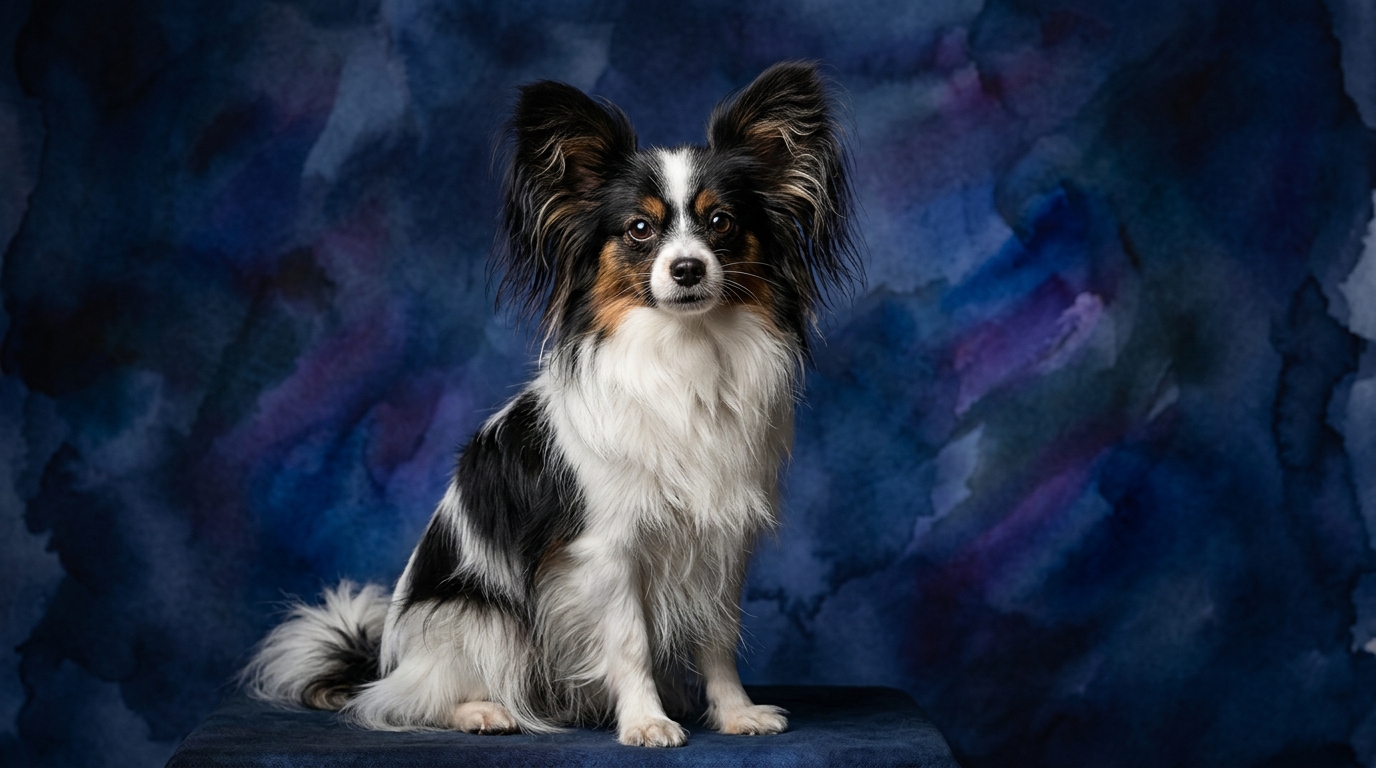
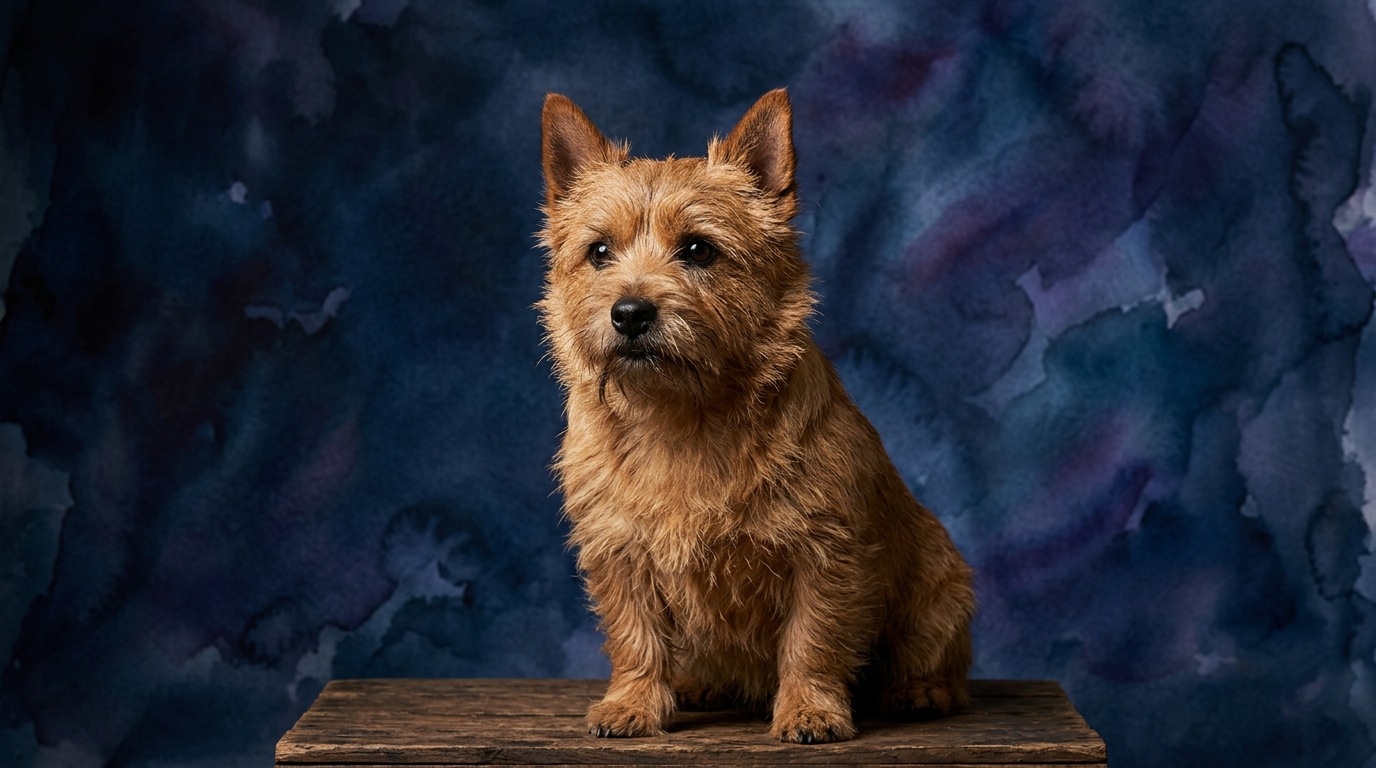
Side-by-Side Cognitive Profile
The Cosmic Pet Pet IQ Lab employs a unique five-dimensional framework to assess canine intelligence, offering a nuanced view beyond traditional metrics. For the Papillon, a breed recognized by Stanley Coren as ranking #8 in working and obedience intelligence, this framework illuminates a highly adaptive and mentally agile companion. Its Problem Solving score of 5/5 indicates an exceptional capacity for navigating complex situations, often demonstrating foresight in solving puzzles or manipulating objects to achieve a goal, such as figuring out how to open a child-proof latch. A Training Speed of 5/5 means new commands are absorbed with exceptional swiftness; a Papillon often grasps a new cue after only a few repetitions, making them highly receptive to advanced obedience, agility, or trick training. Their Social Intelligence, rated 4/5, points to an acute perceptiveness of human emotional states and subtle body language, often anticipating needs or reacting empathetically to their human companions' moods, fostering deep, nuanced bonds. An Instinctive Drive of 3/5 suggests their natural instincts are generally moderate, typically manifesting as an interest in exploration rather than a strong urge for hunting or digging. Finally, a Memory score of 5/5 highlights their outstanding ability to retain information, from elaborate trick sequences to household routines, allowing them to build a vast repertoire of learned behaviors and adapt quickly based on prior experience.
In contrast, the Norwich Terrier, while not appearing on Coren's traditional ranking, presents a distinct cognitive blueprint rooted in its terrier heritage. Its Problem Solving score of 3/5 indicates a determined, often hands-on methodology; a Norwich Terrier faced with a challenge might not devise intricate solutions but will persistently try different approaches, like digging around an obstacle rather than attempting to open it, relying on instinct and physical effort. A Training Speed of 3/5 means they are capable of learning, but require more consistent and patient instruction; they process new commands at a steady pace, but their independent spirit means successful training often hinges on making the process highly engaging and rewarding. Their Social Intelligence, also 3/5, suggests a clear understanding of their social hierarchy and family dynamics, but their interpretation of subtle human emotional cues may be less complex than some breeds; they express affection and loyalty in a straightforward, robust manner. An Instinctive Drive of 3/5 is characteristic of terriers, often directed towards exploring, scent tracking, and the occasional digging endeavor, which can sometimes override immediate obedience if a compelling environmental stimulus arises. Their Memory score of 3/5 indicates that Norwich Terriers retain learned behaviors and routines, but they may benefit from more frequent reinforcement of less commonly used commands, reliably recalling established cues without necessarily retaining long, complex sequences with the same ease as breeds with higher memory scores.
Where the Papillon Excels Cognitively
The Papillon’s cognitive strengths are evident in its exceptional problem-solving abilities and rapid learning. With a 5/5 in both Problem Solving and Training Speed, this breed demonstrates a remarkable capacity for cognitive flexibility. They can quickly analyze new situations, devise novel strategies, and execute them with precision. This manifests in their aptitude for complex puzzle toys, where they might manipulate multiple components in sequence to retrieve a treat, or their ability to master intricate agility courses after minimal exposure. Their 5/5 Memory further amplifies these strengths, allowing them to recall vast repertoires of commands, tricks, and even the specific steps required for a multi-stage task, making cumulative learning highly effective. The Papillon's 4/5 Social Intelligence also gives them an edge in human-canine communication, enabling them to pick up on subtle cues and intentions, making them highly responsive and eager partners in training and daily interactions. This breed thrives on mental engagement, showcasing a deep understanding of cause and effect and a desire to engage intellectually with their environment and companions.
Where the Norwich Terrier Shows Its Unique Cognitive Strengths
While the Papillon excels in fluid, rapid cognitive processing, the Norwich Terrier’s cognitive strengths lie in areas reflective of its tenacious terrier heritage. Their 3/5 problem-solving score, while numerically lower, translates into a remarkable persistence and practical application of intellect. A Norwich Terrier faced with a challenge, such as locating a dropped toy under furniture, might not devise an elegant solution, but will relentlessly work at it, pushing, nudging, and digging until the objective is met. This tenacious drive, often linked to their instinctive problem-solving, makes them formidable at tasks requiring sustained effort rather than intricate mental gymnastics. Furthermore, their 3/5 social intelligence, while indicating less emotional nuance, contributes to a robust independence. This cognitive self-reliance means they are less prone to separation anxiety and can confidently navigate new environments or situations without constant human reassurance. They possess a grounded, resilient cognitive framework, less swayed by fleeting environmental changes, making them steadfast companions in varied circumstances. Their memory, also a 3/5, is practical and functional, retaining what is essential for their daily routines and established behaviors without being overwhelmed by excessive detail, allowing for a focused approach to their world.
Ease of Training: Behavioral Differences
The contrast in training ease between the Papillon and Norwich Terrier is pronounced, stemming directly from their differing cognitive profiles. The Papillon, with its 5/5 Training Speed and 5/5 Memory, is often considered a dream to train. They learn commands rapidly, require few repetitions, and retain that knowledge for extended periods. Their high Social Intelligence (4/5) means they are attuned to their owner's desires and motivations, often working enthusiastically for praise and interaction, making positive reinforcement highly effective. A Papillon typically exhibits an eager-to-please demeanor, quickly forming associations between commands and actions, leading to swift mastery of complex tricks, obedience routines, and even advanced canine sports like agility or rally. Their focus is often on their human, making them highly attentive students.
The Norwich Terrier, with 3/5 scores across Training Speed, Memory, and Social Intelligence, presents a different training dynamic. They are trainable, but their inherent terrier independence means they require more patience, consistency, and creative motivation. A Norwich might question a command or prioritize an interesting scent over immediate compliance, characteristic of their moderate instinctive drive. Training sessions need to be engaging and varied to hold their attention, and rewards must be highly valued. Their memory, while functional, benefits from more frequent refreshers, particularly for less practiced commands. Owners often find success by understanding the Norwich's practical intelligence and strong will, framing training as a collaborative effort rather than strict adherence. While they may not pick up new skills as quickly as a Papillon, a well-trained Norwich Terrier is a reliable and spirited companion, albeit one that may occasionally challenge boundaries with a charming stubbornness.
Matching Breeds to Lifestyles: Active vs. Relaxed Owners
When considering which breed aligns best with an owner's lifestyle, it's crucial to look beyond physical size and consider cognitive needs. The Papillon, despite its small stature, is far from a sedentary lap dog. Its 5/5 problem-solving and training speed scores mean it thrives on consistent mental stimulation. An 'active owner' for a Papillon isn't necessarily someone who hikes miles daily, but rather someone who engages their dog in regular training sessions, puzzle toys, interactive games, and potentially canine sports like agility or flyball. They are adaptable to apartment living, provided their minds are kept busy and challenged. A relaxed owner who offers little mental engagement might find a Papillon resorting to undesirable behaviors out of boredom, as their sharp minds require an outlet.
The Norwich Terrier, on the other hand, suits owners who appreciate a robust, spirited companion with a practical, independent mind. While their cognitive scores are moderate, their terrier nature imbues them with a need for purposeful activity. They enjoy exploring, sniffing out interesting scents, and patrolling their territory. An active owner for a Norwich might be someone who enjoys regular walks in varied environments, allowing for scent work and exploration, or someone who engages in Earthdog trials or similar activities that tap into their natural instincts. They possess a sturdy build and a determined spirit, making them excellent companions for outdoor adventures, even if shorter in duration. A truly relaxed owner might struggle with a Norwich's need for consistent engagement and independent spirit, as they are not content to simply be decorative and require an outlet for their physical and mental energy.
The Verdict
Choose the Papillon if you seek a highly responsive, mentally agile companion who thrives on complex learning, intricate social interaction, and delights in mastering new skills with remarkable speed.
Opt for the Norwich Terrier if you appreciate a spirited, persistent companion with a practical, independent mind, valuing exploration, tenacity, and a robust, straightforward social dynamic.
🧠 Find Your Pet's IQ Score
Our Pet IQ Lab assessment covers 25+ tests across 5 cognitive dimensions — personalized to your breed.
Take the Full IQ Test →Frequently Asked Questions
Are Papillons good for first-time dog owners?
Yes, Papillons can be excellent for first-time dog owners due to their eagerness to please, rapid learning ability, and relatively small size. However, prospective owners must be prepared to provide consistent mental stimulation to prevent boredom and harness their sharp intellect positively.
Do Norwich Terriers bark a lot?
Norwich Terriers can be vocal, often barking to alert their owners to new sights or sounds, reflecting their terrier watchfulness. Consistent training from an early age can help manage excessive barking, but their natural inclination to communicate vocally should be anticipated.
How much exercise do these breeds need?
While both breeds are small, their exercise needs differ: Papillons require moderate physical exercise combined with significant mental stimulation through training and puzzles, whereas Norwich Terriers need regular, purposeful activity like walks, scent work, and opportunities to explore, aligning with their robust terrier nature.