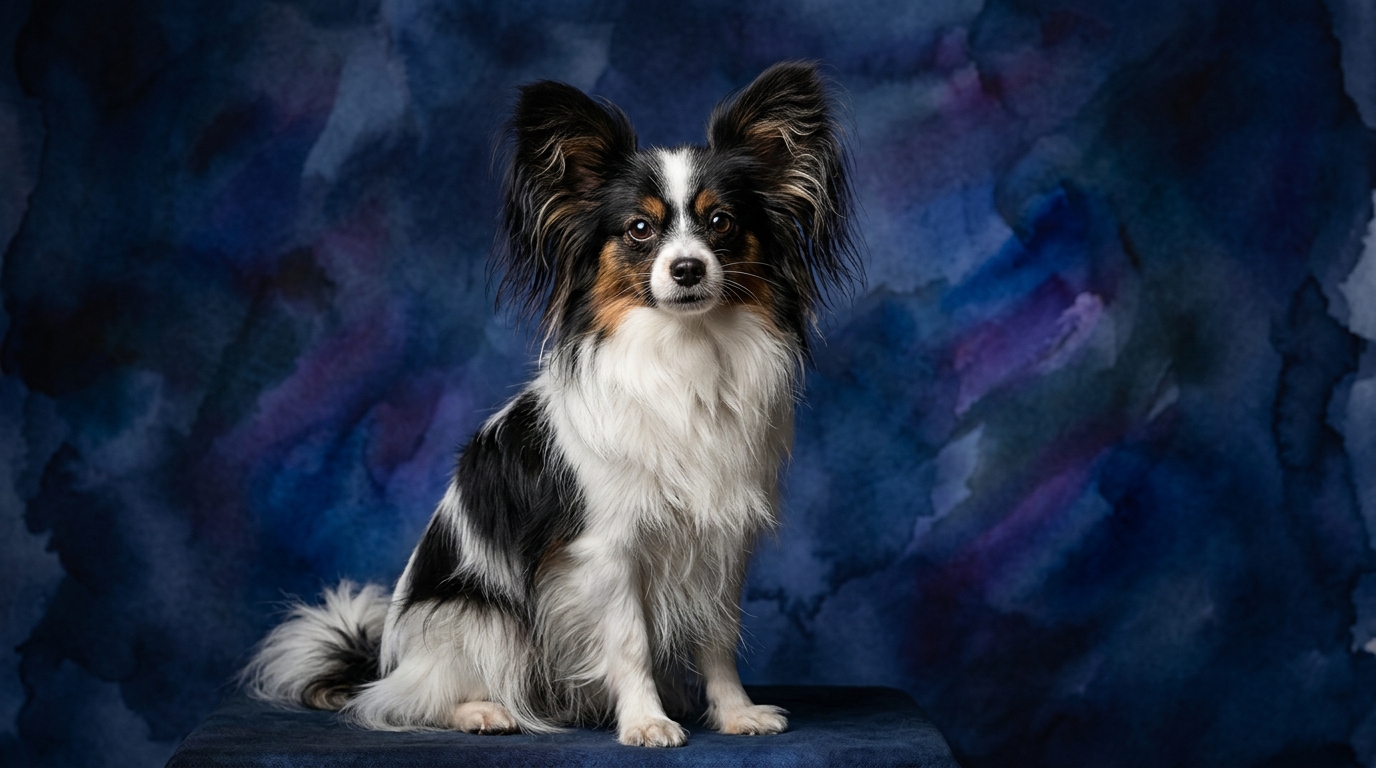
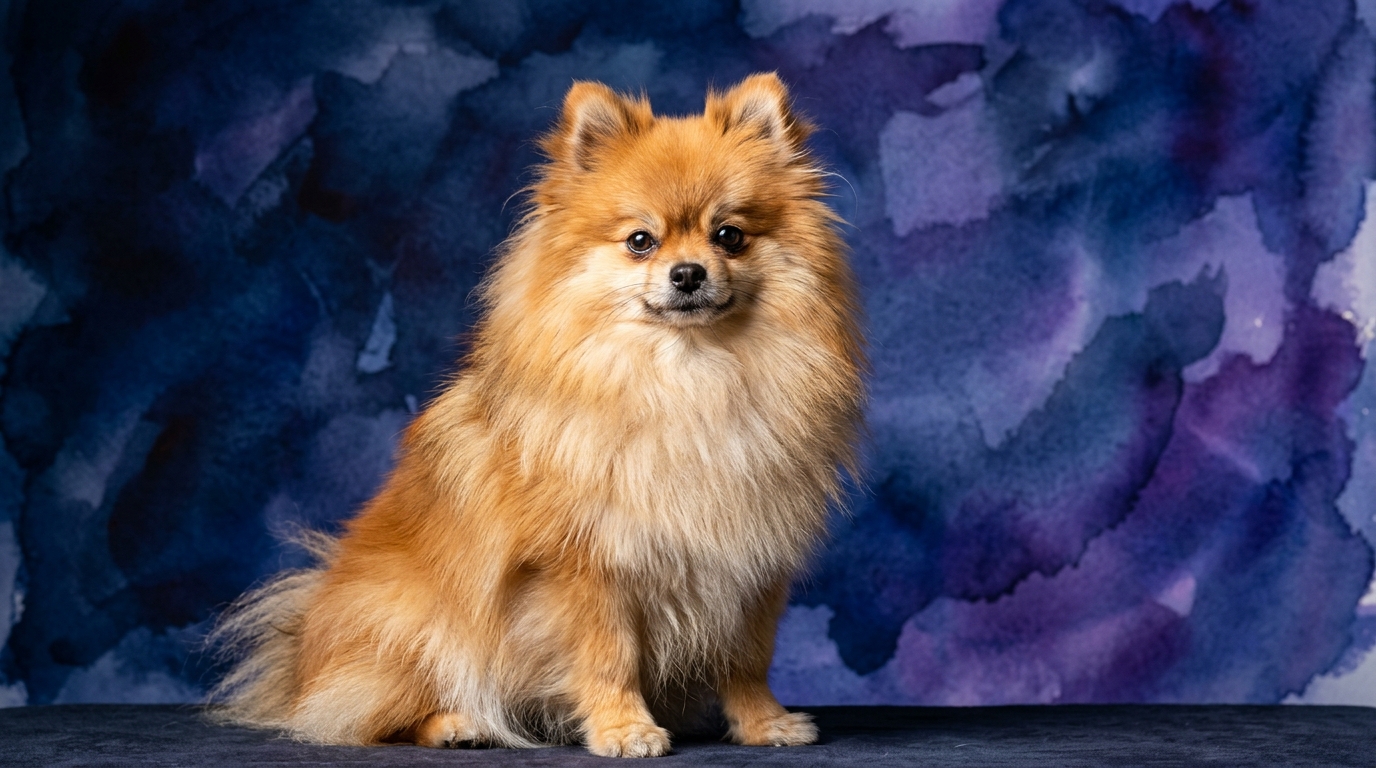
Side-by-Side Cognitive Profiles: Papillon vs. Pomeranian
At The Cosmic Pet Pet IQ Lab, we analyze canine cognition across five crucial dimensions, providing a granular view of each breed's mental prowess. The Papillon, ranking #8 in Coren's intelligence scale, presents a profile marked by exceptional mental agility. Their Problem Solving is rated 5/5, indicating a remarkable capacity to independently figure out novel challenges and adapt to new situations. Training Speed also stands at a perfect 5/5, meaning they grasp new commands and behaviors with astonishing rapidity, often requiring minimal repetitions. Social Intelligence scores a strong 4/5, reflecting their adeptness at understanding human emotions and intentions, fostering deep, communicative bonds. Their Instinctive Drive is a moderate 3/5, suggesting a balanced level of natural behaviors like chasing or herding that are present but not overwhelming. Finally, their Memory is an impressive 5/5, allowing them to retain learned skills and recall experiences over long periods, making complex training enduring.
The Pomeranian, holding Coren's rank #23, demonstrates a robust and balanced cognitive makeup that makes them equally engaging companions. Their Problem Solving is rated 4/5, indicating a strong ability to tackle mental puzzles and navigate their environment effectively, though they might benefit from a touch more guidance than a Papillon in highly complex scenarios. Training Speed is also a solid 4/5, meaning Pomeranians learn new commands efficiently, responding well to positive reinforcement and consistent methods. Their Social Intelligence matches the Papillon at 4/5, showcasing a keen awareness of their human family's moods and social dynamics, often forming very close attachments. Instinctive Drive is similar at 3/5, manifesting as occasional bursts of prey drive for small objects or a confident, sometimes assertive, demeanor. Their Memory is rated 4/5, signifying good retention of routines, commands, and familiar faces, ensuring that once a behavior is learned, it tends to stick.
Where the Papillon's Cognition Shines Brighter
The Papillon's cognitive profile reveals distinct advantages, particularly in areas demanding rapid assimilation and independent thought. Their 5/5 score in Problem Solving means they are inherently adept at assessing and resolving new situations without extensive human intervention. For instance, a Papillon might quickly figure out how to open a child-proof gate or manipulate a puzzle toy to retrieve a treat after just a few attempts, showcasing a level of cognitive flexibility that is truly remarkable. This isn't merely about following commands; it's about genuine understanding and innovative application.
Furthermore, the Papillon's perfect 5/5 in Training Speed is a standout feature. They process and internalize new commands with an almost effortless grace, often mastering complex sequences in fewer sessions than many other breeds. This rapid learning curve makes them exceptional candidates for advanced obedience, canine freestyle, or intricate trick training, where precision and quick comprehension are paramount. Coupled with their 5/5 Memory, once a Papillon learns something, it becomes deeply ingrained, ensuring consistent performance and minimizing the need for frequent refreshers. This combination of quick learning and steadfast retention creates a highly adaptable and capable canine partner, ready for diverse mental challenges and sustained skill development.
The Pomeranian's Unique Cognitive Strengths
While the Papillon garners higher numerical scores in some categories, the Pomeranian's cognitive profile possesses its own unique strengths, particularly in its balanced and robust nature. A 4/5 across Problem Solving, Training Speed, and Memory, coupled with a 4/5 Social Intelligence, signifies a highly capable and adaptable companion. Their problem-solving ability, though a point lower than the Papillon's, is still excellent, allowing them to navigate complex environments and learn new strategies effectively. They are certainly not lacking in mental acumen; rather, their approach might be slightly more methodical or require a bit more context to fully grasp novel challenges.
The Pomeranian's strong 4/5 Social Intelligence, combined with their often confident and assertive personality, allows them to excel in social dynamics within their household. They are very attuned to their family's emotions and routines, making them sensitive and communicative companions. This social awareness means they often 'win' in scenarios where a dog's primary role is to be a bright, engaged, and emotionally responsive family member. Their good memory ensures they remember family members, routines, and house rules, contributing to a harmonious living environment. While they may not always be the quickest to pick up a brand-new, abstract trick, their consistent performance of learned behaviors and their deep understanding of social cues make them incredibly rewarding pets for owners who appreciate a dog with a strong, balanced cognitive foundation.
Training Dynamics: Papillon's Swiftness vs. Pomeranian's Consistency
When it comes to ease of training, the Papillon generally presents a more straightforward experience due to their superior cognitive attributes. Their 5/5 Training Speed means they absorb new commands almost instantly, often understanding the expectation after just a few repetitions. This is bolstered by their 5/5 Problem Solving, allowing them to independently deduce what is being asked of them, and their 5/5 Memory, which ensures these lessons are retained long-term. Papillons often exhibit an intense focus and a strong desire to engage with their handlers, which makes them highly responsive to positive reinforcement and quick to generalize learned behaviors to different environments. This combination allows for rapid progress in obedience, trick training, and dog sports like agility, where complex sequences need to be learned and executed precisely.
The Pomeranian, with 4/5 in Training Speed, Problem Solving, and Memory, is certainly a trainable breed, but their approach to learning can differ. They might require a few more repetitions to solidify a new command, and trainers may need to be more creative and persistent to maintain their focus, as they can sometimes exhibit an independent streak or a shorter attention span, especially if not adequately motivated. Real behavioral differences might include a Papillon's natural inclination to 'figure things out' independently versus a Pomeranian's tendency to sometimes rely more on clear, consistent cues from their handler. While Pomeranians can master a wide array of commands and tricks, their training journey may benefit from shorter, more frequent sessions and highly engaging rewards to overcome any potential for willful behavior, ensuring consistency is key to their success.
Matching Cognitive Profiles to Lifestyles: Active vs. Relaxed Owners
Choosing between a Papillon and a Pomeranian based on their cognitive profiles often comes down to an owner's lifestyle and their desired level of daily engagement. For active owners who thrive on mental stimulation and enjoy participating in dog sports or advanced training, the Papillon is an exceptional match. Their 5/5 Problem Solving and Training Speed make them ideal partners for activities like agility, rally obedience, or even canine freestyle, where quickly learning complex routines and executing them precisely is crucial. These dogs revel in challenges and thrive when their cognitive abilities are regularly put to the test, making them perfect for owners who want a highly interactive and intellectually engaged companion capable of mastering intricate tasks.
Conversely, for owners who prefer a more relaxed pace but still appreciate a bright and responsive companion, the Pomeranian's cognitive profile aligns beautifully. While they still require mental engagement, their slightly less intense (though still excellent) scores in Problem Solving and Training Speed mean they might not demand the same level of constant, high-stakes cognitive challenges as a Papillon. Their strong 4/5 Social Intelligence ensures they are deeply attuned to their family, making them content in a home environment where their primary role is that of a cherished companion. They are perfectly capable of learning tricks and commands, remembering routines, and engaging in interactive play, but they may be more forgiving of an owner who doesn't dedicate extensive time to competitive dog sports, making them suitable for those who desire a clever and affectionate pet without the pressure of constant advanced training.
The Verdict: When to Choose Each Breed
The Verdict
Choose a Papillon if you are an owner seeking a highly engaged, quick-learning partner for dog sports, advanced trick training, or complex interactive games, valuing a dog that grasps new commands with exceptional speed and remembers them for life.
Opt for a Pomeranian if you desire a bright, sociable companion who learns well and adapts readily to routines, appreciating a dog with good memory and social awareness capable of learning tricks and commands at a slightly more deliberate pace without demanding constant high-level cognitive challenges.
🧠 Find Your Pet's IQ Score
Our Pet IQ Lab assessment covers 25+ tests across 5 cognitive dimensions — personalized to your breed.
Take the Full IQ Test →Frequently Asked Questions
Are Papillons good at agility?
Yes, their exceptional problem-solving, rapid training speed, and excellent memory make them outstanding agility competitors. They quickly learn courses and complex sequences, often excelling in the sport due to their mental agility and eagerness.
Can Pomeranians be trained for advanced tricks?
Absolutely. While they may take a few more repetitions than a Papillon, Pomeranians possess good problem-solving abilities and memory, making them capable of mastering a wide array of advanced tricks with consistent, engaging training methods and patient instruction.
Which breed is more prone to separation anxiety based on their social intelligence?
Both breeds have a 4/5 social intelligence score, indicating strong bonds with their families, which means both could potentially develop separation anxiety if not properly socialized and accustomed to alone time. Neither breed's social intelligence score inherently makes them more or less prone than the other, but their strong desire for companionship across both breeds means owners should be mindful of fostering independence.