Side-by-Side IQ Profile
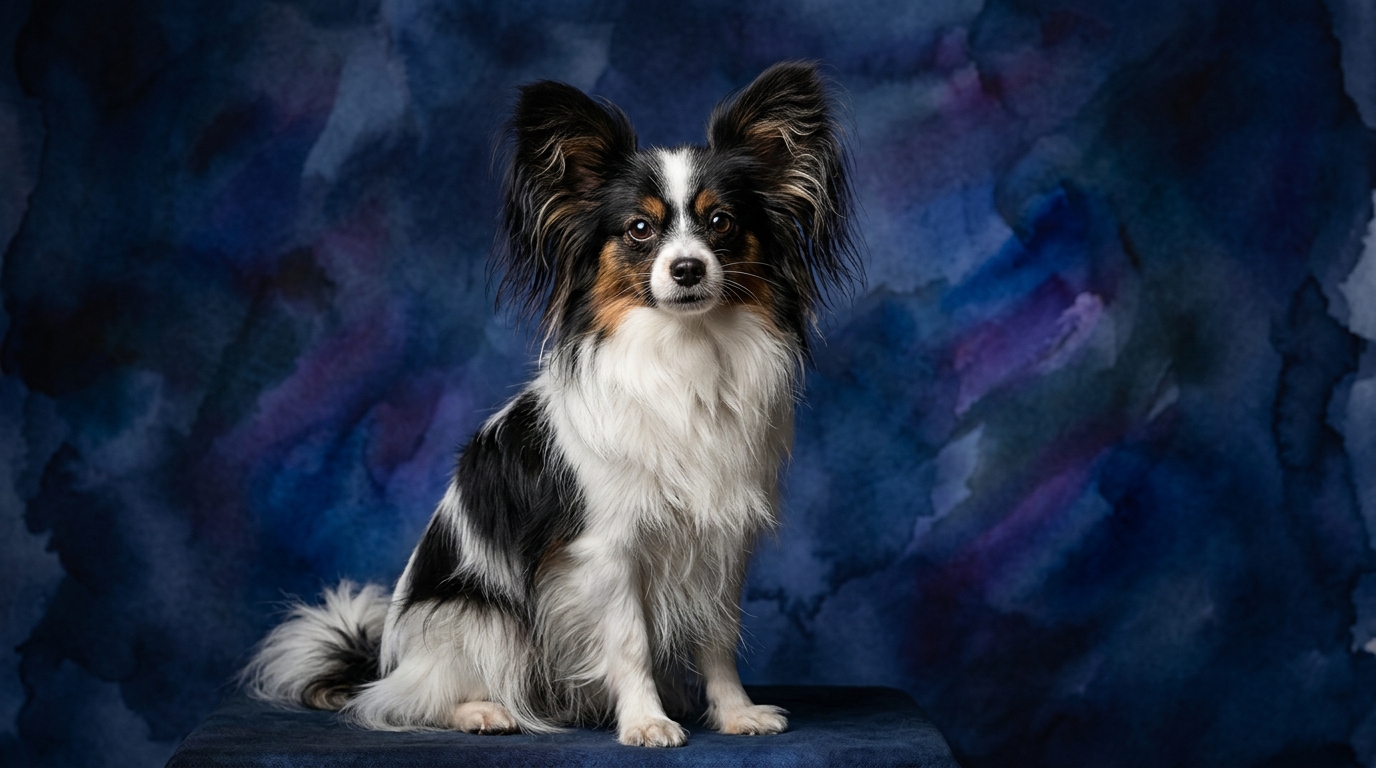
The Cosmic Pet Pet IQ Lab employs five distinct dimensions to assess canine intelligence, providing a nuanced understanding beyond a single 'smartness' score. For the Papillon, we see a profile indicative of a highly perceptive and adaptable companion. Their Problem Solving is rated 5/5, reflecting an exceptional capacity to rapidly assess novel situations, devise swift solutions, and adapt their strategies on the fly; they excel at figuring out complex puzzle toys or navigating new environments without extensive trial-and-error. Training Speed also scores 5/5, meaning they require remarkably few repetitions to grasp new commands or behaviors, exhibiting an eagerness to engage and a quick uptake for intricate sequences or agility courses. Social Intelligence is 4/5, highlighting their strong ability to interpret human body language, vocal tones, and intentions, allowing them to adjust their behavior to social contexts and form deep, responsive bonds. Their Instinctive Drive sits at 3/5, indicating a moderate level of inherent behaviors such as a mild chase instinct for small, fast-moving objects, but generally a focus on companionship rather than a strong working drive. Finally, Memory, at 5/5, underscores their exceptional ability to retain learned commands, routines, and past experiences over extended periods, making their training cumulative and remarkably resilient.
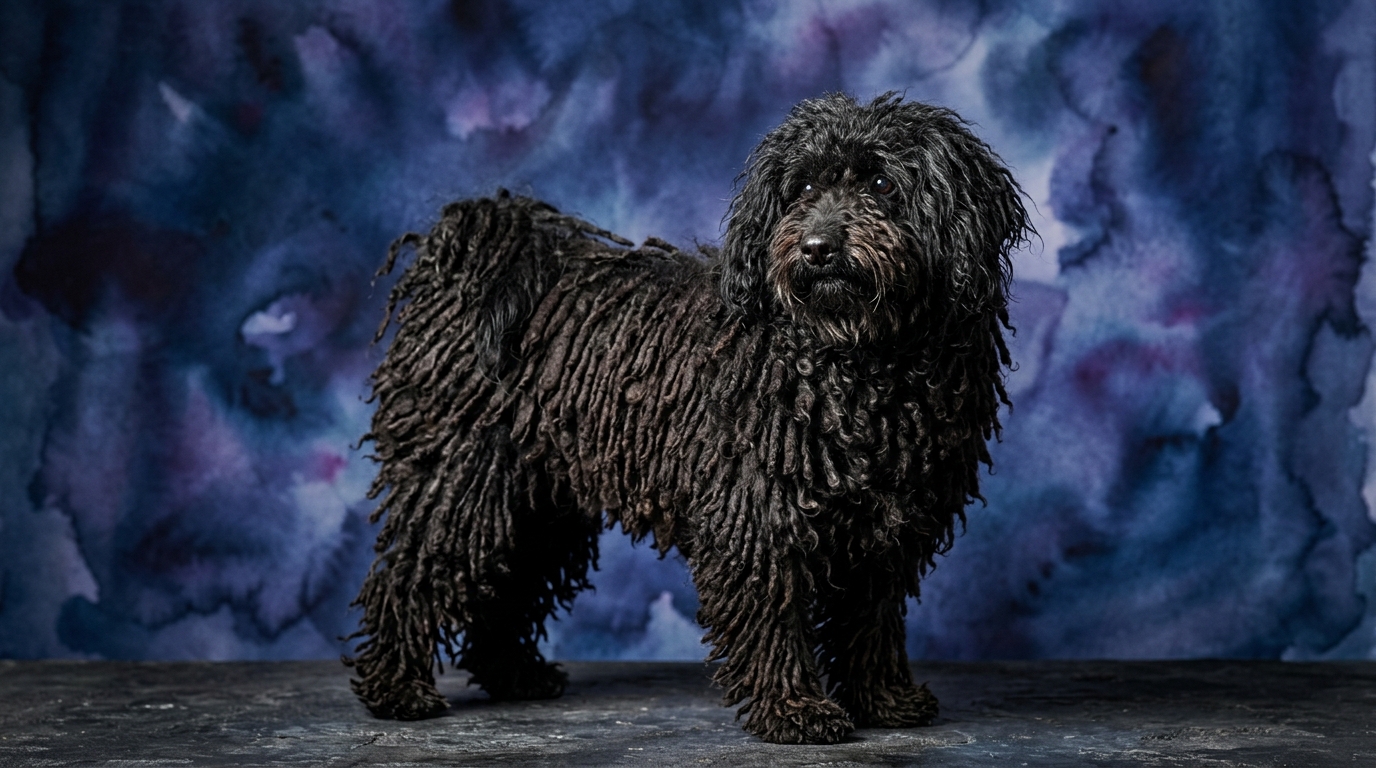
In contrast, the Puli, a breed forged for demanding herding tasks, presents a different yet equally compelling cognitive profile. Their Problem Solving is rated 4/5, signifying a strong, persistent, and often methodical approach to challenges; they might take more time than a Papillon but are relentless in finding solutions, such as figuring out a complex gate latch or strategically maneuvering livestock. Training Speed is 4/5, meaning they learn efficiently and effectively, though they may require more consistency and motivation than a Papillon, often needing a clear purpose or reward structure to engage fully. Social Intelligence is 3/5, reflecting their capacity to form profound bonds with their immediate family, yet often displaying a reserved or watchful demeanor with strangers; while they understand human cues, their independent nature sometimes leads them to prioritize their own judgment. Their Instinctive Drive is 3/5, primarily manifested as a potent herding instinct—a natural inclination to gather, control movement, and maintain order, which requires appropriate outlets and direction. Memory, at 4/5, indicates a solid capacity to recall learned behaviors, commands, and routines, which is crucial for consistent herding work, ensuring reliability and long-term retention of their duties.
Where Papillon Wins Cognitively
The Papillon's cognitive strengths shine particularly bright in areas demanding rapid adaptability and quick processing. Their top scores in Problem Solving (5/5), Training Speed (5/5), and Memory (5/5) combine to create a canine mind that is exceptionally agile. Papillons can quickly grasp complex sequences of commands, making them star pupils in advanced obedience or trick training. They demonstrate an almost instantaneous understanding of new concepts, often requiring only a handful of repetitions before a behavior is ingrained. This rapid acquisition extends to their ability to generalize learned behaviors across different environments, meaning a 'sit' command learned in the living room is readily performed at the park. Furthermore, their superior memory ensures that once a skill is learned, it is rarely forgotten, providing a robust foundation for continuous learning and diverse skill acquisition. They are masters of adapting their behavior to achieve a desired outcome, often anticipating human intentions or environmental changes with remarkable precision.
Where Puli Wins Cognitively
While the Puli's scores might appear slightly lower in some dimensions compared to the Papillon, their cognitive strengths are distinct and profoundly effective within their intended domain. The Puli's 4/5 in Problem Solving signifies a tenacious and strategic intellect, particularly in dynamic, real-world scenarios. Unlike the Papillon's quick adaptability, the Puli excels at sustained, focused problem-solving that often involves observation, planning, and persistent execution, especially when managing livestock or navigating complex terrains. Their 4/5 in Training Speed, combined with their 3/5 Instinctive Drive, means they learn robustly and reliably, particularly when the training aligns with their innate purpose. They develop a deep understanding of tasks, not just rote memorization, and are capable of independent decision-making when necessary—a critical trait for a herding dog working at a distance from its handler. This breed demonstrates a profound capacity for self-reliance and an unwavering focus on a task once committed, offering a different form of cognitive excellence rooted in endurance, strategic foresight, and unwavering dedication to their duties.
Which is Easier to Train and Why
For the average owner seeking rapid results and a diverse skill set, the Papillon is generally considered the easier breed to train. Their 5/5 Training Speed and Memory mean they pick up new commands with remarkable swiftness, often eager to please and highly responsive to positive reinforcement. A Papillon can master a wide array of tricks, agility courses, and obedience routines with relatively few repetitions, responding quickly to even subtle verbal or hand cues. Their smaller size also makes them physically easier to manage during training sessions, reducing potential handling challenges. They thrive on interactive learning and mental engagement, making training a rewarding experience for both dog and owner, leading to a highly responsive and versatile companion.
The Puli, while certainly trainable, presents a different set of considerations that can make the training journey more challenging for inexperienced owners. Their 4/5 Training Speed means they learn efficiently, but their 3/5 Social Intelligence (more reserved) and 3/5 Instinctive Drive (strong herding urges) can lead to an independent streak. Training a Puli requires significant patience, consistency, and a deep understanding of their herding temperament. They might test boundaries or display a 'what's in it for me?' attitude, requiring engaging, purpose-driven training methods to maintain their focus. While they learn commands thoroughly, achieving the same level of instantaneous, diverse responsiveness as a Papillon often demands a more dedicated and experienced trainer who can channel their natural drives productively. Their physical strength and unique corded coat can also add practical layers to training considerations, particularly in terms of physical management and grooming.
Which Suits Active Owners vs. Relaxed Owners
Despite their Toy breed classification, Papillons are far from sedentary lap dogs; their high cognitive scores demand significant mental and physical engagement, making them suitable for active owners. They thrive when involved in dog sports like agility, rally obedience, or flyball, where their quick thinking and agility can truly shine. They enjoy frequent, varied outings, long walks, and engaging puzzle toys that challenge their problem-solving abilities. A Papillon will become bored and potentially mischievous if not adequately stimulated, so owners who enjoy an active lifestyle and are keen to involve their dog in daily activities and learning are an ideal match. They are not content to simply lounge all day; their sharp minds need constant interaction and new experiences.
The Puli, with its heritage as a working herding dog, is unequivocally suited for highly active owners. Their robust physique and strong instinctive drive necessitate substantial physical exercise and consistent mental work. Owners must be prepared to provide daily, vigorous activity, whether it's long hikes, secure off-leash running opportunities, or participation in dog sports like herding trials, advanced obedience, or competitive agility. A Puli requires a 'job' or a sense of purpose to be truly content; without adequate outlets for their energy and herding instincts, they can become restless, destructive, or develop undesirable behaviors like 'herding' family members or other pets. A relaxed owner who cannot commit to their demanding exercise and mental stimulation needs would likely find themselves overwhelmed by a Puli's drive and stamina.
The Verdict
Choose a Papillon if you seek a highly responsive, adaptable companion keen on mastering diverse skills and engaging in fast-paced mental games, thriving on close partnership and consistent mental stimulation.
Opt for a Puli if you appreciate a resilient, independent problem-solver with a strong work ethic, ready for demanding physical and mental challenges alongside a dedicated, consistent owner who understands their herding heritage.
🧠 Find Your Pet's IQ Score
Our Pet IQ Lab assessment covers 25+ tests across 5 cognitive dimensions — personalized to your breed.
Take the Full IQ Test →Frequently Asked Questions
Do Papillons truly have superior memory?
Yes, with a 5/5 Memory score, Papillons demonstrate an exceptional capacity to recall learned commands, routines, and past experiences over long periods. This makes their training cumulative and ensures that once a skill is acquired, it's rarely forgotten, allowing them to build an extensive repertoire of behaviors.
How does the Puli's herding drive impact its trainability?
The Puli's 3/5 Instinctive Drive, rooted in herding, means training needs to be engaging and often purpose-driven to hold their attention. While they learn efficiently (4/5 Training Speed), their independent nature stemming from this drive requires patience, consistency, and a trainer who can channel their natural instincts into productive activities rather than simply expecting rote obedience.
Are Papillons and Pulis good for first-time dog owners?
A Papillon can be a good choice for an engaged first-time owner willing to provide consistent mental stimulation and training, due to their eagerness and quick learning. A Puli, however, is generally not recommended for first-time owners due to their high exercise needs, strong herding instincts, and independent streak, which require experienced handling and dedicated guidance.