Side-by-Side IQ Profile: Unpacking Canine Cognition
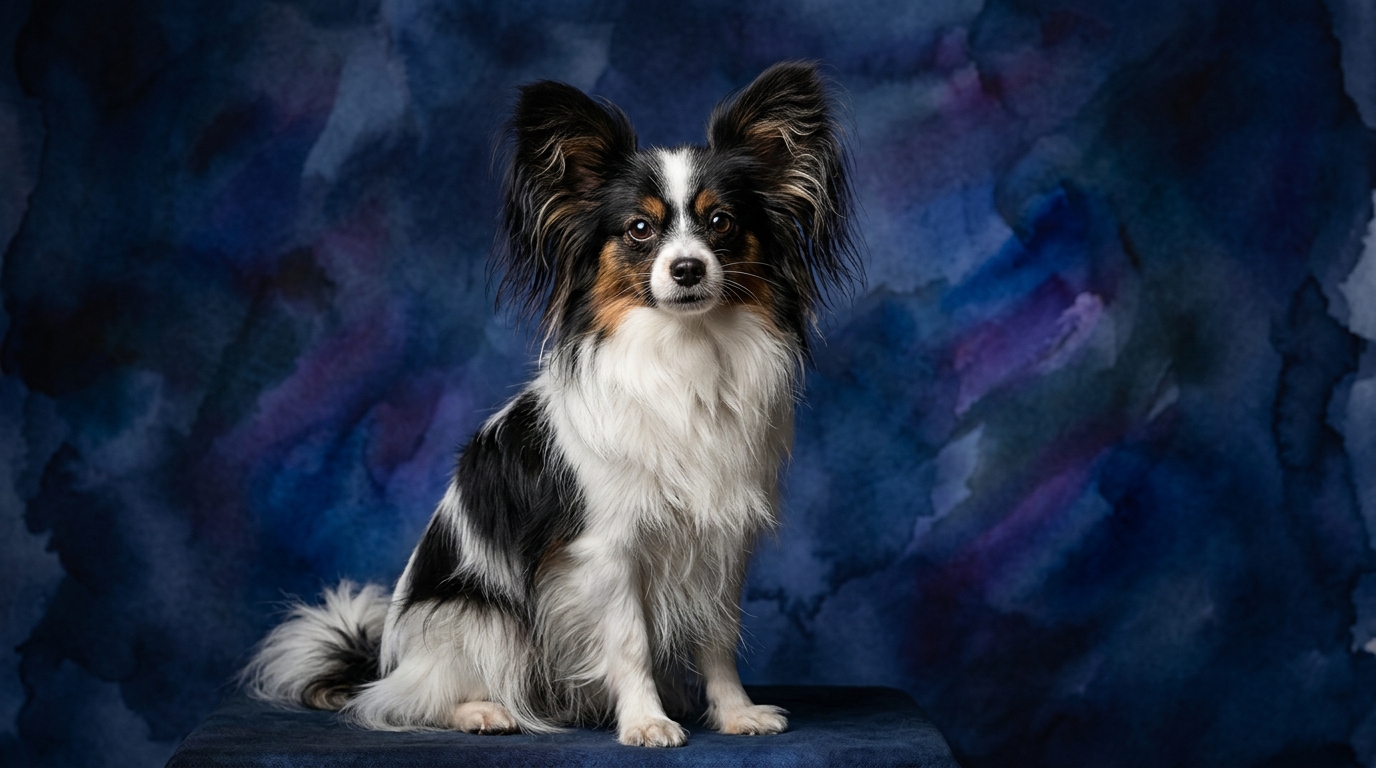
**Papillon's Cognitive Blueprint:**
*Problem Solving (5/5):* Demonstrates exceptional capacity for navigating complex scenarios, quickly grasping cause-and-effect, and devising strategies to achieve outcomes. Their ability to decipher puzzles or manipulate objects for reward is consistently high, suggesting a proactive, analytical approach.
*Training Speed (5/5):* Absorbs new commands and routines with remarkable alacrity, often requiring minimal repetitions. Their eagerness to engage and rapid associative learning make them incredibly responsive, excelling in disciplines demanding precision.
*Social Intelligence (4/5):* Possesses a keen awareness of human cues and emotional states, adept at interpreting subtle body language. They form strong attachments, often anticipating owner intentions, thriving on interaction.
*Instinctive Drive (3/5):* While not primarily driven by intense predatory or territorial instincts, they retain a moderate level of curiosity and desire to explore. Their drive often channels into playful pursuits and environmental engagement.
*Memory (5/5):* Exhibits superior capacity for long-term retention, remembering learned commands, routines, and event sequences over extended periods. Their robust memory significantly contributes to training success.
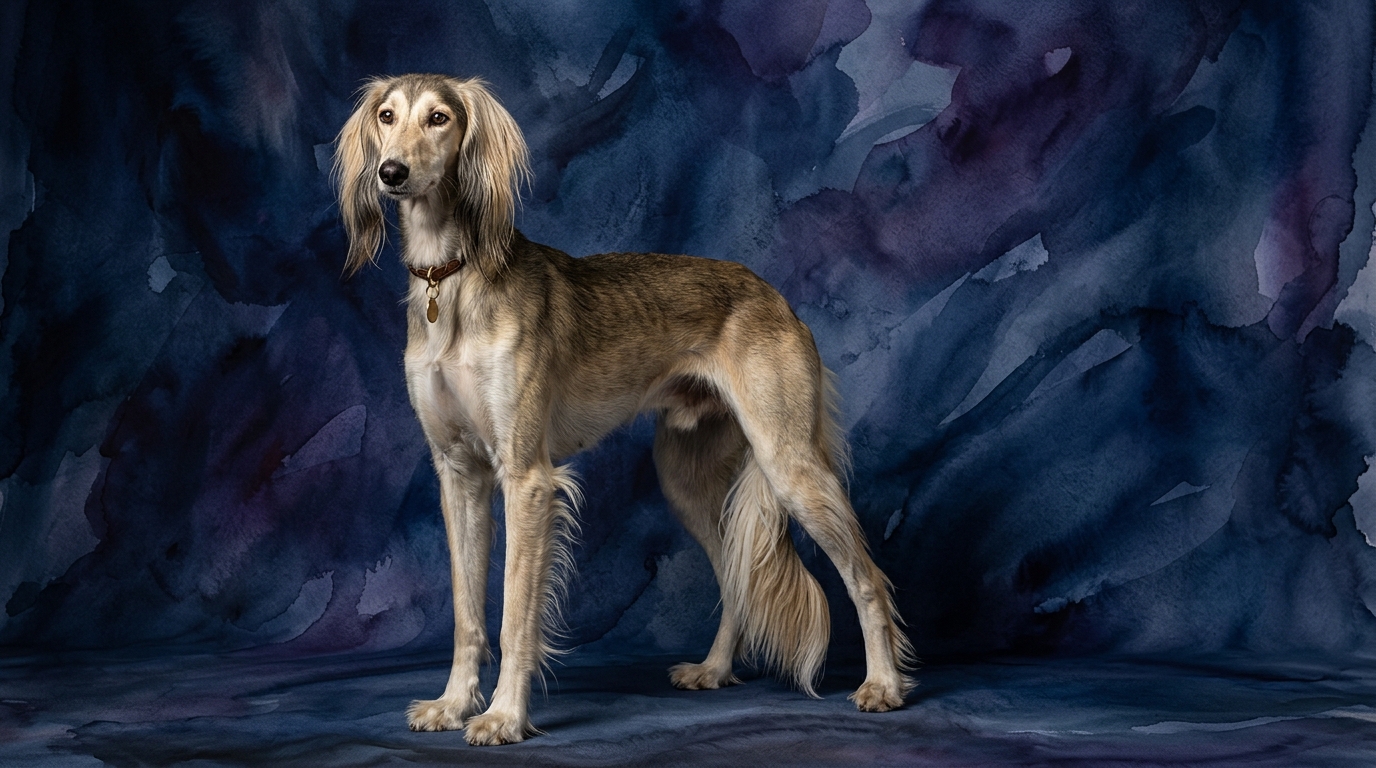
**Saluki's Cognitive Blueprint:**
*Problem Solving (3/5):* Approaches challenges with a measured, often independent, perspective. Solutions are less about intricate manipulation and more about direct, efficient routes, particularly when their chase drive is engaged.
*Training Speed (3/5):* Their training pace is steady but requires consistency and patience, as they process information and integrate commands deliberately. Their independent nature often demands more repetition and motivation for reliable responses.
*Social Intelligence (3/5):* Connects deeply with primary caregivers, but their social intelligence manifests as reserved dignity, not overt eagerness to please. They are observant of family moods but may not actively seek constant social interaction.
*Instinctive Drive (3/5):* Ancestral sighthound purpose means their drive is strongly tied to observation and pursuit of movement. This powerful, innate urge to chase can override other learned behaviors.
*Memory (3/5):* Possesses functional memory for established routines and familiar people. Recall for complex sequences or less-reinforced commands may not be as robust or instant, requiring continuous reinforcement.
Where the Papillon's Mind Shines Brightest
The Papillon clearly holds an advantage in domains requiring rapid cognitive processing and intricate mental dexterity. Their 5/5 scores in problem-solving and training speed translate into a dog that actively seeks mental engagement and thrives on learning complex sequences. For instance, a Papillon can quickly master multi-step agility courses, remembering obstacle order and executing with minimal prompts, showcasing superior sequential memory and strategic planning. They excel at deciphering advanced puzzle toys, often figuring out mechanisms like levers or sliding panels with surprising speed. This breed's 4/5 social intelligence further amplifies its cognitive strengths; they are acutely tuned into human communication, making them exceptionally responsive partners. They learn *with* you, understanding context and intent, fostering a fluid, collaborative training process.
Unveiling the Saluki's Unique Cognitive Strengths
While the Saluki's IQ profile appears more moderate compared to the Papillon's, their cognitive strengths are deeply rooted in their sighthound heritage and manifest uniquely. Their 3/5 instinctive drive represents a powerful, specialized focus on visual stimuli and pursuit—a finely honed predatory intelligence. A Saluki demonstrates exceptional spatial awareness and memory in open environments, recalling the precise location of perceived "prey" even after it's vanished, and calculating optimal interception paths. This requires immediate, instinctual problem-solving. Their social intelligence (3/5) is discerning; they form deep bonds with chosen humans, offering a quiet, empathetic presence. A Saluki's cognitive prowess truly emerges in activities like lure coursing, where their ability to anticipate, react, and remember the course layout is paramount, showcasing their specialized, independent mental acuity.
Training Dynamics: Swift Student vs. Independent Thinker
The contrast in training ease between the Papillon and Saluki is significant. The Papillon, with its 5/5 training speed and 5/5 memory, is an enthusiastic, rapid learner. They thrive on positive reinforcement, quickly associating commands with actions, eager to please and receptive to new challenges. Teaching a Papillon a complex trick sequence can be achieved in relatively few sessions due to their strong associative learning and retention. Their high social intelligence means they constantly look to their handler for cues, making them highly biddable.
Conversely, the Saluki's 3/5 training speed and memory, coupled with independence, mean training requires patience. They process information at their own pace, needing consistent repetition. A Saluki might understand "stay" but break it if a compelling visual stimulus appears, reflecting their powerful instinctive drive overriding learned behavior. Effective Saluki training leverages their natural drives and requires consistent, understanding handlers.
Owner Suitability: Active Engagement vs. Calm Companionship
For owners seeking an actively engaged, mentally stimulating canine partner, the Papillon is an exceptional match. Their high problem-solving and training speed necessitate consistent mental enrichment; owners who enjoy teaching tricks, dog sports like agility, or daily puzzle games will find a willing participant. They thrive when cognitive abilities are challenged, ideal for interactive households.
The Saluki suits owners appreciating an independent yet deeply affectionate companion, often reserved indoors. While requiring significant physical exercise—daily sprints in a secure, fenced area are crucial—their mental engagement leans towards observation rather than structured problem-solving. They are content with quiet companionship, preferring elegant lounging. Owners understanding their need for intense, instinct-driven exercise alongside serene rest will find the Saluki a graceful, loyal presence, valuing dignity and a bond built on mutual respect.
The Verdict
Choose the Papillon if you seek a highly interactive, quick-witted companion eager to learn complex tasks and engage in constant mental challenges, thriving on a close, communicative partnership.
Opt for the Saluki if you appreciate a dignified, independent companion that requires ample space for instinctual exercise and offers quiet, devoted companionship, valuing a bond built on respect for their unique, ancient spirit.
🧠 Find Your Pet's IQ Score
Our Pet IQ Lab assessment covers 25+ tests across 5 cognitive dimensions — personalized to your breed.
Take the Full IQ Test →Frequently Asked Questions
Do Papillons bark a lot due to their high social intelligence?
Papillons, with their keen awareness of their surroundings, can be alert barkers, using their voice to communicate perceived changes or excitement. Early socialization and training can help manage this tendency, teaching them appropriate times to vocalize.
How much exercise does a Saluki truly need given its instinctive drive?
Salukis require substantial physical exercise, ideally daily opportunities to run at full speed in a safe, enclosed space to satisfy their sighthound instincts. Leashed walks are beneficial but don't fully replace their need for a proper sprint.
Can a Saluki be trained for advanced obedience or agility despite its training speed rating?
Yes, Salukis can be trained for advanced activities, but it often requires more patience, consistency, and highly motivating rewards than with breeds like the Papillon. Their independence means they might perform when they understand the command and see the value, not just to please.