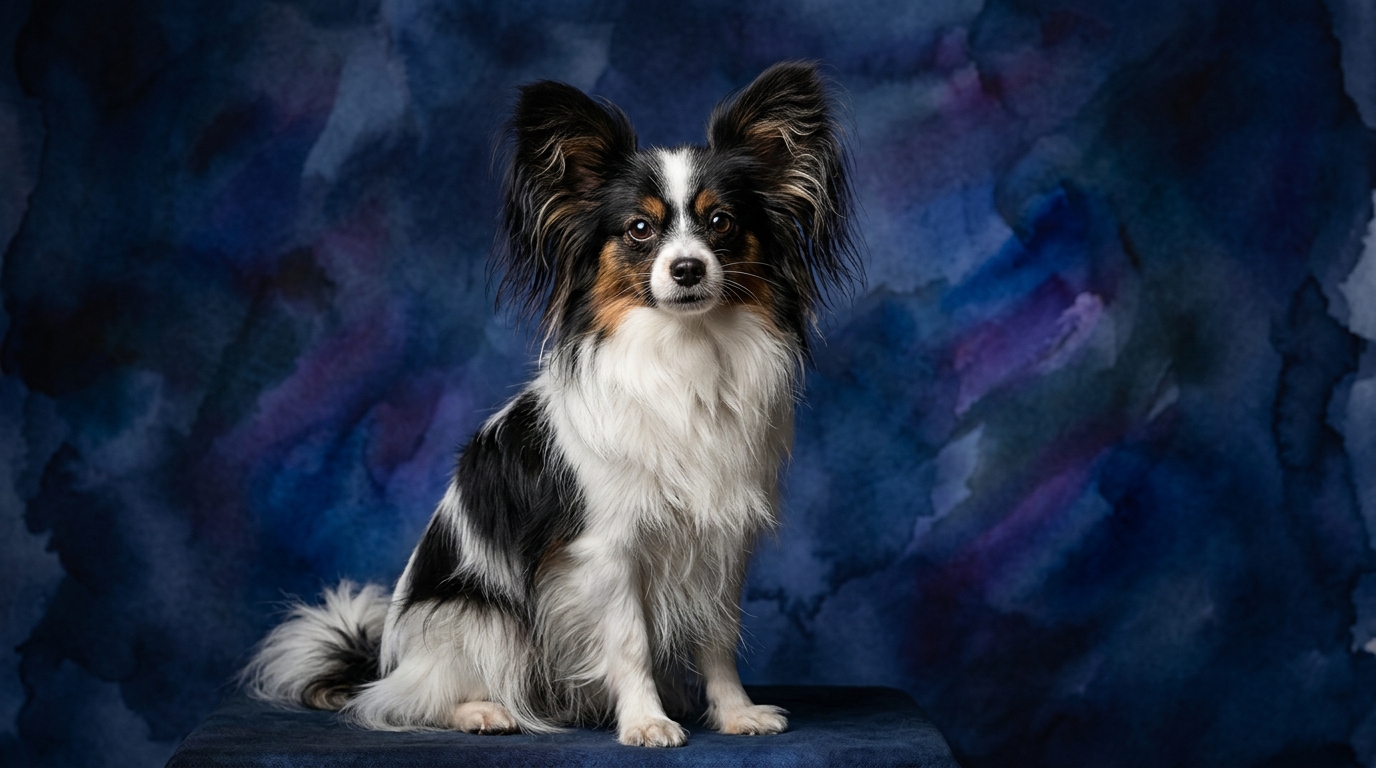
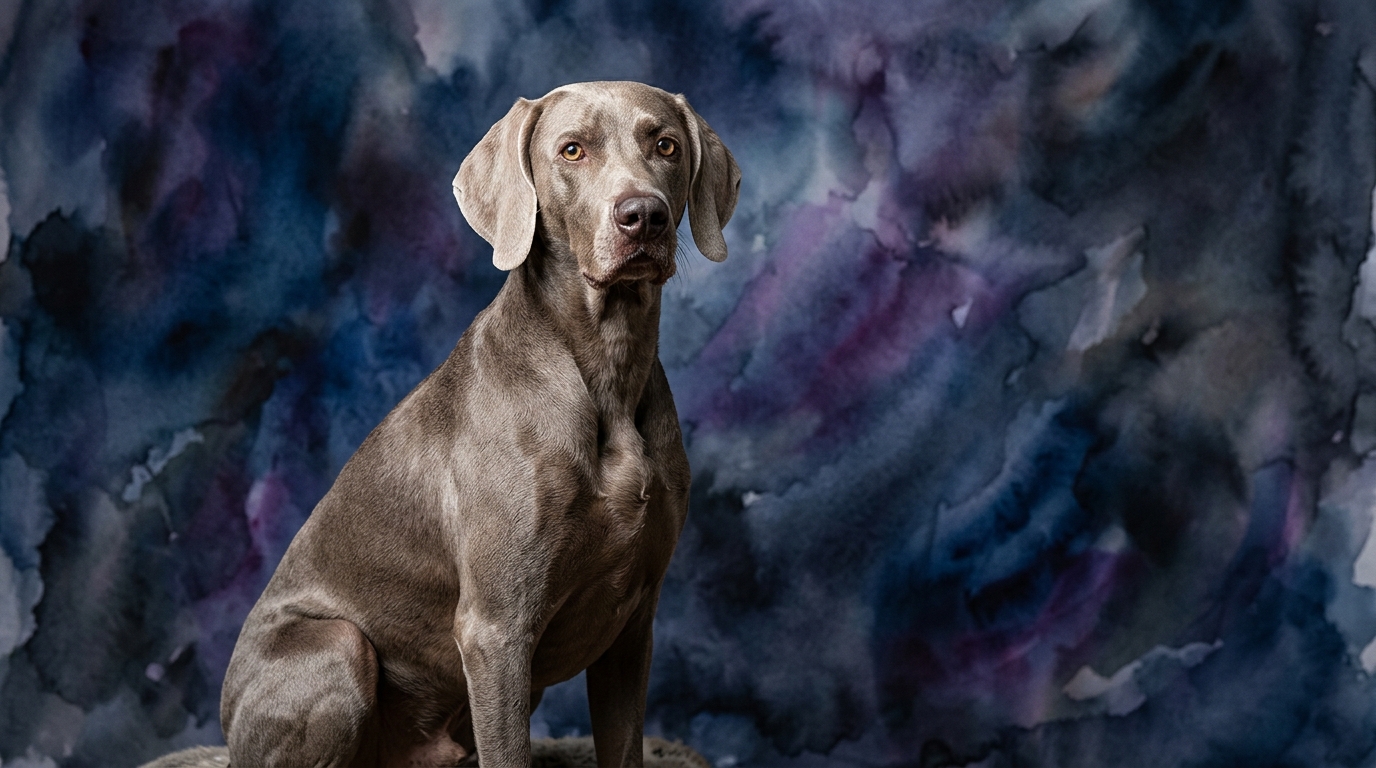
Side-by-Side IQ Profile: Papillon vs. Weimaraner
At The Cosmic Pet Pet IQ Lab, we assess canine intelligence across five key dimensions, offering a nuanced view beyond simple rankings. The Papillon, ranking #8 on Coren's scale, presents a profile geared towards rapid learning and intricate mental agility. Their Problem Solving is rated 5/5, indicating a remarkable capacity to navigate complex cognitive challenges, quickly deciphering novel situations or intricate puzzle toys with minimal guidance. Training Speed also earns a perfect 5/5, with owners frequently reporting an almost instantaneous grasp of new commands, often requiring only a handful of repetitions before a behavior is solidified. Social Intelligence stands at 4/5, as Papillons are attuned to human emotions and cues, often anticipating desires or reacting appropriately to subtle shifts in mood, fostering deep bonds. Their Instinctive Drive is 3/5; while they possess natural curiosity, their drive for traditional “work” like hunting or herding is moderate, primarily expressed through play and interaction rather than intense focus on a task. Finally, Memory is 5/5, reflecting an exceptional ability to retain information, remembering complex sequences of tricks, past experiences, and routines over extended periods.
The Weimaraner, ranking #21 on Coren's scale, demonstrates a cognitive profile optimized for purpose and endurance. Their Problem Solving is 4/5; Weimaraners approach challenges with a practical, goal-oriented mindset, often employing physical solutions to overcome obstacles, particularly when pursuing a desired outcome. Training Speed is 4/5; they learn commands efficiently, though their strong independent streak might require more consistent reinforcement and clear motivation compared to breeds with higher scores. Social Intelligence matches the Papillon at 4/5, as Weimaraners form deep connections, demonstrating an awareness of their handler's intentions and a cooperative spirit in shared activities. Their Instinctive Drive is a powerful 5/5; this breed possesses a profound, inherent drive for hunting, tracking, and retrieving, manifesting as intense focus, stamina, and an unwavering desire to complete a task. Memory is 4/5; Weimaraners have a solid recall for training cues, routines, and the locations of desired objects, which serves them well in their working roles.
Where the Papillon Wins Cognitively
The Papillon, with its Coren rank of #8, demonstrates a distinct cognitive edge in several key areas. Their Problem Solving score of 5/5, compared to the Weimaraner's 4/5, indicates a superior ability to tackle abstract or novel challenges, often figuring out complex sequences or multi-step puzzles faster and with less trial-and-error. This quick cognitive processing extends to their Training Speed, where a perfect 5/5 means they typically grasp new commands or behaviors in significantly fewer repetitions than the Weimaraner's still commendable 4/5. Owners often describe them as 'sponges' for information, eager to absorb and execute new instructions. Furthermore, the Papillon's Memory, also rated 5/5, allows them to retain intricate sequences of tricks, elaborate agility courses, and even long-past events with remarkable clarity. This contributes to their adaptability and their capacity to excel in canine sports demanding precise, remembered routines, showcasing a mental agility that prioritizes rapid learning and recall.
Where the Weimaraner Wins Cognitively
Conversely, the Weimaraner, a breed originally developed for hunting, showcases its distinct cognitive strengths, particularly in areas related to its ancestral purpose. Their Instinctive Drive, rated a perfect 5/5 against the Papillon's 3/5, is a defining characteristic. This isn't just about a desire to chase; it's a deep-seated motivation for purpose-driven tasks, manifesting as unwavering focus, endurance, and a relentless pursuit of a goal, whether it's tracking scent or retrieving game. While their Problem Solving is rated 4/5, slightly lower than the Papillon, it often manifests as practical, physically-oriented solutions to real-world challenges, such as navigating complex terrain or strategizing to flush prey. Their Social Intelligence, matching the Papillon at 4/5, is often expressed through a profound partnership with their handler in cooperative tasks, understanding subtle body language during a hunt or tracking exercise. This breed's cognitive architecture is geared towards sustained, focused effort and a deep, working bond with its human counterpart, excelling where stamina and directed purpose are paramount.
Which is Easier to Train and Why
Evaluating ease of training requires understanding both a breed's cognitive processing and its inherent motivations. The Papillon, with its top scores in Training Speed (5/5) and Problem Solving (5/5), generally presents a more straightforward training experience. They possess an innate eagerness to please and a rapid capacity for association, meaning they quickly connect a command with an action and its reward. Their lower Instinctive Drive (3/5) means they are less likely to be distracted by strong prey urges or independent exploration during training sessions, allowing for more focused learning. They thrive on positive reinforcement and mental challenges, quickly picking up complex tricks, obedience commands, and agility sequences. In contrast, the Weimaraner, while possessing good Training Speed (4/5), presents a different set of considerations. Their powerful Instinctive Drive (5/5) means they require an owner who understands how to channel this energy constructively. Without consistent, engaging training and ample physical outlets, a Weimaraner might become easily bored or redirect its drive into less desirable behaviors, such as independent exploration or counter-surfing. Their training benefits from clear, firm guidance and tasks that engage their natural working instincts, like retrieving or scent work, rather than purely abstract commands. Therefore, while both breeds can be trained to a high standard, the Papillon's cognitive profile makes the initial learning phase generally quicker and smoother for a wider range of owners, whereas the Weimaraner demands a more experienced handler adept at managing and motivating a working breed.
Which Suits Active Owners vs. Relaxed Owners
The lifestyle compatibility for these two breeds diverges significantly based on their cognitive and physical needs. A Papillon can certainly be a companion for active owners, excelling in dog sports like agility, rally, and obedience due to their quickness, memory, and eagerness to learn. However, they can also adapt to a more relaxed household, provided their acute mental needs are met with puzzle toys, trick training, and regular interactive play. While they enjoy walks, they don't demand hours of strenuous physical activity; their energy is often more concentrated on mental engagement. Conversely, the Weimaraner is unequivocally suited for highly active owners. Their profound Instinctive Drive (5/5) and robust physical build mean they require substantial daily exercise – often several hours of intense activity like running, hiking, or swimming. A relaxed owner who cannot provide this outlet will likely find themselves with a bored, potentially destructive, and restless companion. Weimaraners thrive when given a 'job' to do, whether it's participating in hunting trials, competitive obedience, or acting as a running partner. Their cognitive strengths are intertwined with their physical stamina, making them ideal for individuals who integrate their dog into an active, outdoor-oriented lifestyle.
The Verdict
Choose a Papillon if you seek a highly trainable, mentally agile companion eager to learn complex tricks and excel in precision-based dog sports, thriving on intellectual engagement within a smaller, adaptable package.
Opt for a Weimaraner if you lead a very active lifestyle and are prepared to provide extensive physical exercise and consistent, purpose-driven training to channel their powerful working instincts and form a deep, cooperative bond.
🧠 Find Your Pet's IQ Score
Our Pet IQ Lab assessment covers 25+ tests across 5 cognitive dimensions — personalized to your breed.
Take the Full IQ Test →Frequently Asked Questions
Are Papillons good for first-time dog owners?
Yes, Papillons can be excellent for first-time dog owners due to their high trainability and eagerness to please. Their quick learning curve often makes the training process rewarding and less frustrating, provided owners are committed to consistent positive reinforcement and mental stimulation.
What kind of activities excel Weimaraners in?
Weimaraners excel in activities that engage their strong instinctive drive and stamina, such as hunting, tracking, competitive obedience, agility, and dock diving. They are also superb running, hiking, or cycling partners, thriving on tasks that require sustained physical and mental effort.
How do their social intelligence scores compare despite different temperaments?
Both breeds score 4/5 in social intelligence, indicating a strong capacity to understand human cues and form bonds. For Papillons, this often manifests as being highly attuned to family dynamics and emotions, while for Weimaraners, it typically translates into a deep, cooperative partnership with their primary handler, especially in working contexts.