Side-by-Side Cognitive Profiles
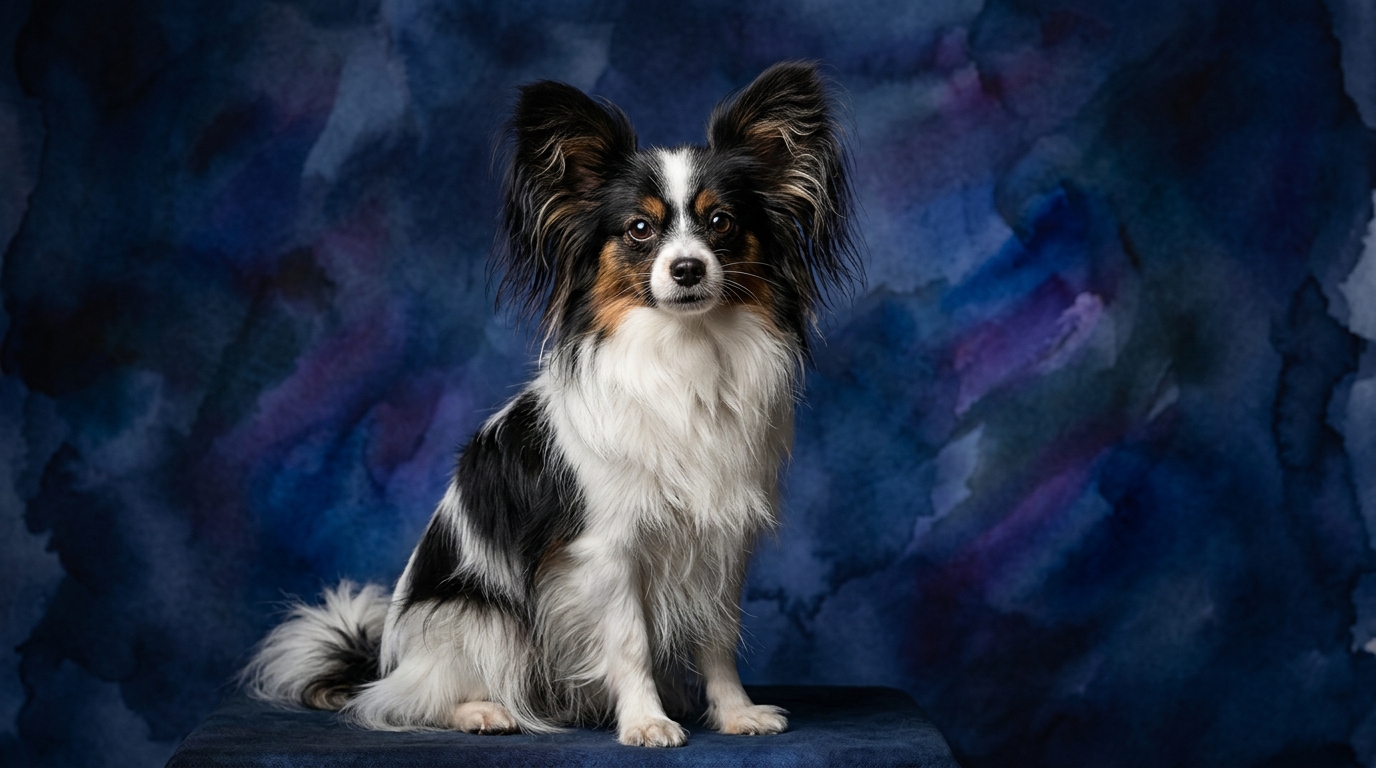
The Cosmic Pet Pet IQ Lab categorizes canine intelligence across five key dimensions, providing a nuanced view beyond simple rankings. For the Papillon, a breed recognized for its mental agility and ranked #8 by Coren, its profile is strikingly high across several domains. It boasts a 5/5 in Problem Solving, indicating an exceptional capacity to navigate novel situations and figure out complex puzzles. Its Training Speed also achieves a perfect 5/5, reflecting a rapid acquisition of commands and new behaviors. Social Intelligence is rated 4/5, suggesting a keen awareness and responsiveness to human cues and emotional states. Instinctive Drive stands at a moderate 3/5, meaning while they possess natural curiosities and playfulness, they are not overwhelmingly driven by primal urges like hunting. Finally, Memory is an outstanding 5/5, ensuring long-term retention of learned behaviors and experiences.
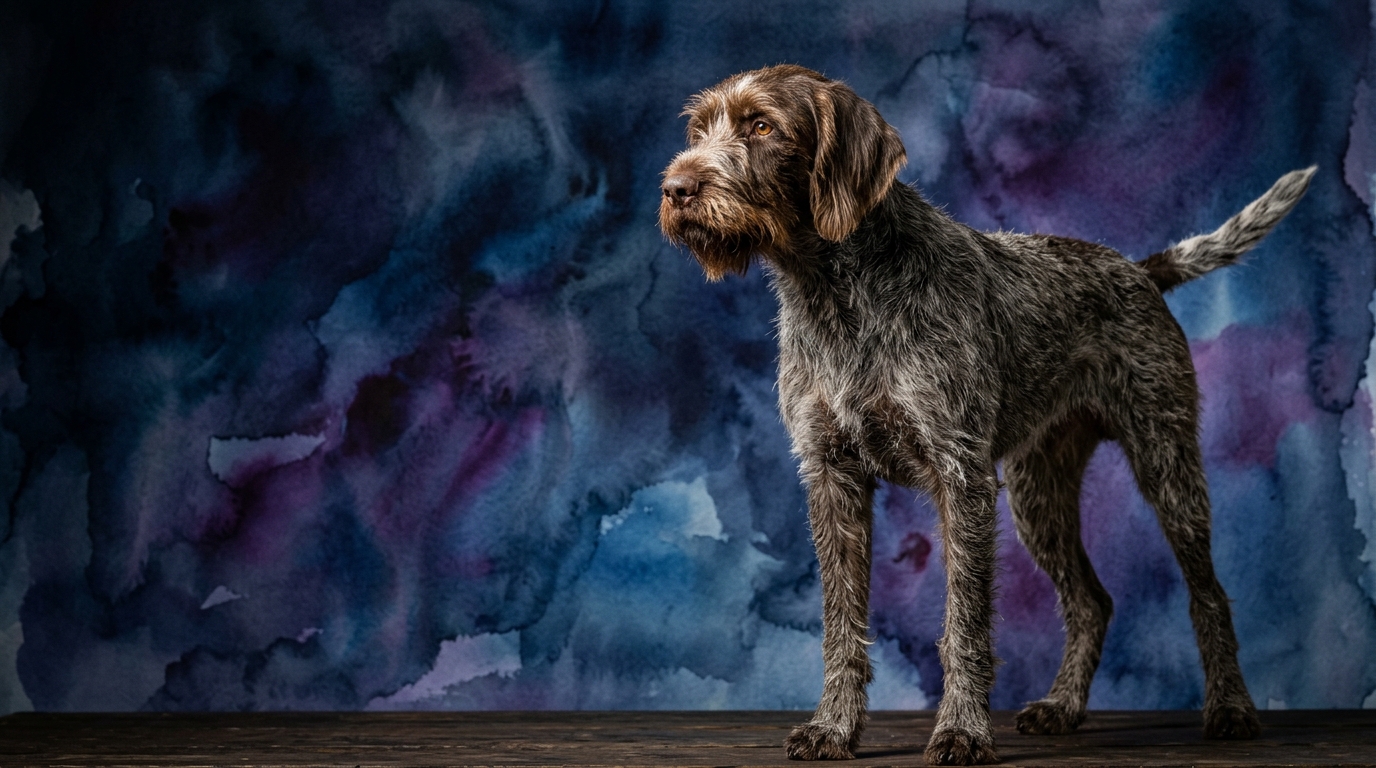
In contrast, the Wirehaired Pointing Griffon, a dedicated sporting breed, presents a profile of balanced, practical intelligence, with all five dimensions rated at 3/5. Its Problem Solving at 3/5 indicates effective decision-making within its working context, though perhaps less inclined towards abstract or novel puzzles. Training Speed at 3/5 suggests a steady, consistent learner who benefits from repetition and clear instruction, rather than instant comprehension. Social Intelligence also at 3/5 means they are reliable and responsive companions, understanding direct commands but perhaps less attuned to subtle human emotional nuances compared to the Papillon. Instinctive Drive at 3/5 is perfectly aligned for its purpose, signifying a manageable yet potent drive for pointing and retrieving. Memory, rated 3/5, implies a solid retention of field training and routines, but perhaps less capacity for recalling extraneous details or complex, non-functional sequences.
Where the Papillon Wins Cognitively
The Papillon’s cognitive strengths are undeniably rooted in its superior capacity for rapid learning, adaptive problem-solving, and exceptional memory. Its 5/5 problem-solving score means these dogs often demonstrate a remarkable capacity for abstraction, quickly grasping novel concepts and applying solutions in unfamiliar contexts. For instance, they might swiftly figure out how to manipulate a complex puzzle feeder or devise a new strategy to retrieve a toy from an inaccessible spot, not merely through trial and error but often with insightful observation.
This swift comprehension, coupled with their 5/5 training speed, makes them exceptionally quick studies in obedience, agility, and even intricate trick sequences. Owners frequently report needing fewer repetitions for new commands to stick, freeing up time for more advanced learning and complex behavioral chains. Their capacity to pick up on subtle cues and respond with precision is a hallmark of their training prowess. Moreover, their 5/5 memory score ensures that once a lesson is learned or an experience is cataloged, it remains readily accessible, contributing significantly to their reliability and consistency in performance, whether remembering specific agility routes or complex routines.
Where the Wirehaired Pointing Griffon Wins Cognitively
While the Papillon excels in rapid, adaptive learning, the Wirehaired Pointing Griffon’s cognitive strengths lie in its balanced, practical intelligence, perfectly calibrated for its role as a dedicated hunting companion. Its 3/5 problem-solving isn’t about abstract puzzles; instead, it manifests as effective and calculated decision-making in the field, navigating terrain, and locating game with purposeful efficiency rather than flashy improvisation. Their intelligence is geared towards understanding and executing tasks within their specific working environment.
Their 3/5 training speed, while not breakneck, suggests a steady, reliable learner. Griffs are built for consistency and endurance in their work, absorbing and retaining field commands and protocols with a dependable thoroughness that ensures reliable performance over extended periods. This isn't about speed, but about robust, ingrained understanding that holds up under pressure in challenging outdoor conditions. The 3/5 instinctive drive is a particular strength for a sporting breed; it represents a manageable yet potent drive for their primary function—pointing and retrieving. This drive is strong enough to motivate them through challenging conditions but not so overwhelming that it makes them difficult to control or redirects them excessively from their task, making them highly effective and cooperative partners in the field.
Which is Easier to Train and Why
When assessing ease of training, the Papillon holds a distinct advantage. Their 5/5 training speed means they absorb new commands and behaviors with remarkable alacrity, often requiring only a few repetitions before a concept is cemented. This inherent eagerness to learn, combined with their 5/5 memory, ensures that once a lesson is taught, it sticks, making advanced obedience, agility, and trick training a fluid and rewarding process. Furthermore, their 4/5 social intelligence allows them to keenly interpret human body language and vocal inflections, making them highly responsive to subtle cues from their trainers. They genuinely seem to enjoy the collaborative process of learning, and their moderate 3/5 instinctive drive means they are less prone to being overwhelmingly distracted by prey drive or independent urges during training sessions, allowing for focused engagement.
The Wirehaired Pointing Griffon, while certainly trainable, presents a different journey. Their 3/5 training speed suggests they are steady learners, but they may require more consistent reinforcement and patience to master new tasks. Their 3/5 memory means concepts need to be revisited periodically to ensure long-term retention, particularly if not consistently applied in their working context. Their 3/5 instinctive drive, while crucial for their purpose, can pose a challenge in a non-working context. The scent of game or the sight of moving objects can be powerful distractions, demanding a trainer who understands how to channel and redirect this innate drive rather than suppress it. Training a Griff often involves leveraging their natural inclinations in a structured manner, whereas training a Papillon is more about introducing novel concepts and behaviors.
Active Owners vs. Relaxed Owners
For owners seeking a highly engaged and mentally stimulating companion, the Papillon fits well into both active and moderately relaxed lifestyles, provided their acute cognitive needs are met. While physically capable of agility and long walks, their primary requirement is consistent mental challenge through puzzle toys, trick training, or learning new routines. A relaxed owner who enjoys intellectual engagement with their dog will find the Papillon thrives, even if daily physical exertion is moderate, as long as their sharp mind is put to use.
Conversely, the Wirehaired Pointing Griffon is unequivocally suited for active owners. Their sporting background means they possess a sustained energy level and a drive to work that demands regular, vigorous physical exercise and mental engagement centered around their instincts. Owners who enjoy hiking, hunting, long-distance walks, or structured scent work will find a Griff a fulfilling partner. A relaxed owner, unable to provide ample outlets for their physical and instinctive drives, would likely find a Griff challenging, as their moderate but persistent energy and mental needs could manifest as restlessness or unwanted behaviors. Their intelligence is geared towards purposeful action, not sedentary contemplation.
The Verdict
Choose a Papillon if you value rapid learning, adaptability, and mental agility in a smaller package, and enjoy teaching complex tricks or participating in dog sports like agility with a keenly responsive partner.
Choose a Wirehaired Pointing Griffon if you are an active individual or family, particularly those involved in outdoor activities or hunting, who values a steady, purposeful companion with a balanced drive for work and family life, and are prepared to provide consistent physical and mental engagement tailored to their sporting instincts.
🧠 Find Your Pet's IQ Score
Our Pet IQ Lab assessment covers 25+ tests across 5 cognitive dimensions — personalized to your breed.
Take the Full IQ Test →Frequently Asked Questions
Are Papillons good for first-time dog owners?
Yes, their high trainability and eagerness to please make them excellent for first-timers who are committed to providing mental stimulation. They are responsive and adapt well to consistent guidance, quickly picking up on house rules and commands.
Do Wirehaired Pointing Griffons need a lot of grooming?
Their distinctive wiry coat requires regular brushing to prevent matting and occasional hand-stripping to maintain its texture and protective qualities. This helps manage shedding and keeps their coat healthy, reflecting their outdoor working heritage.
Can a Papillon live with other pets?
Generally, yes, Papillons with their 4/5 social intelligence often get along well with other pets, especially if introduced properly and socialized early. Their small size means careful supervision is needed with much larger dogs to ensure safe interactions.