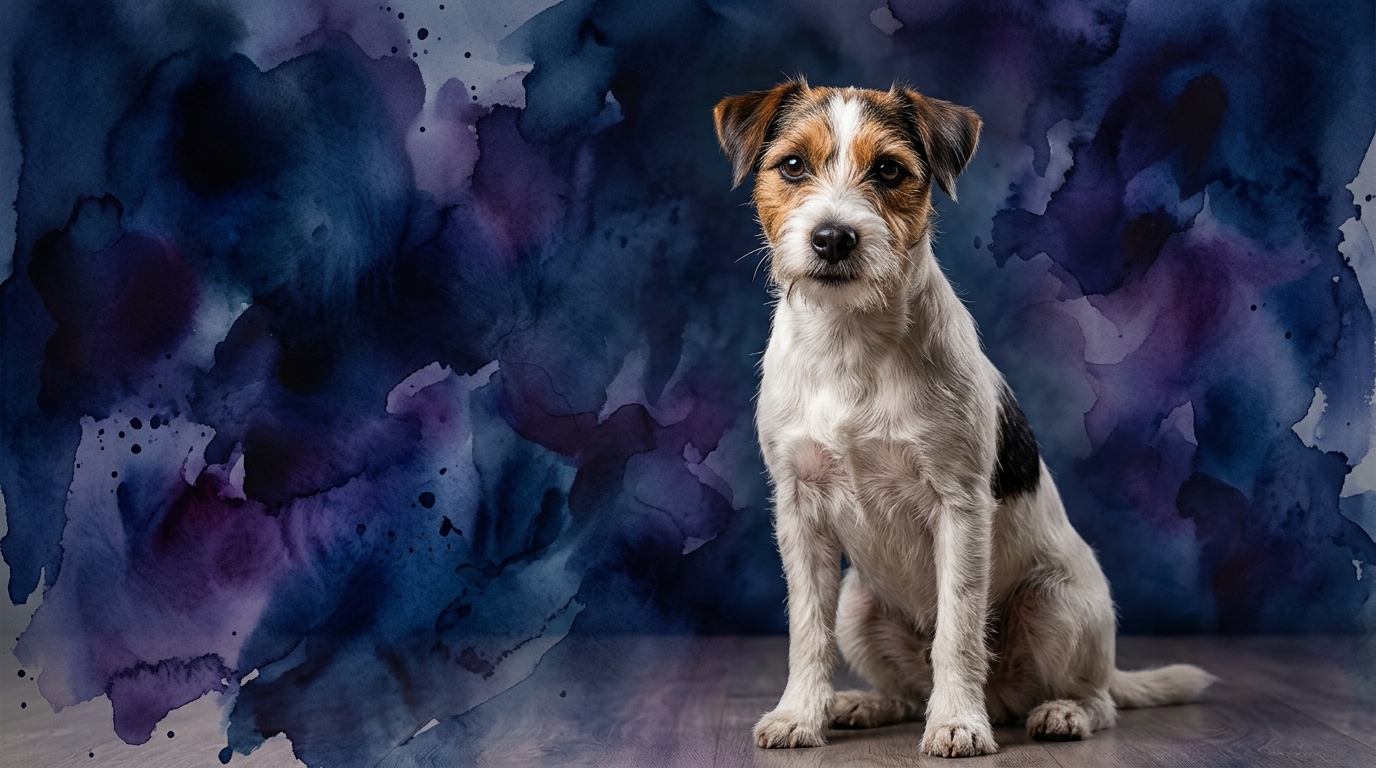
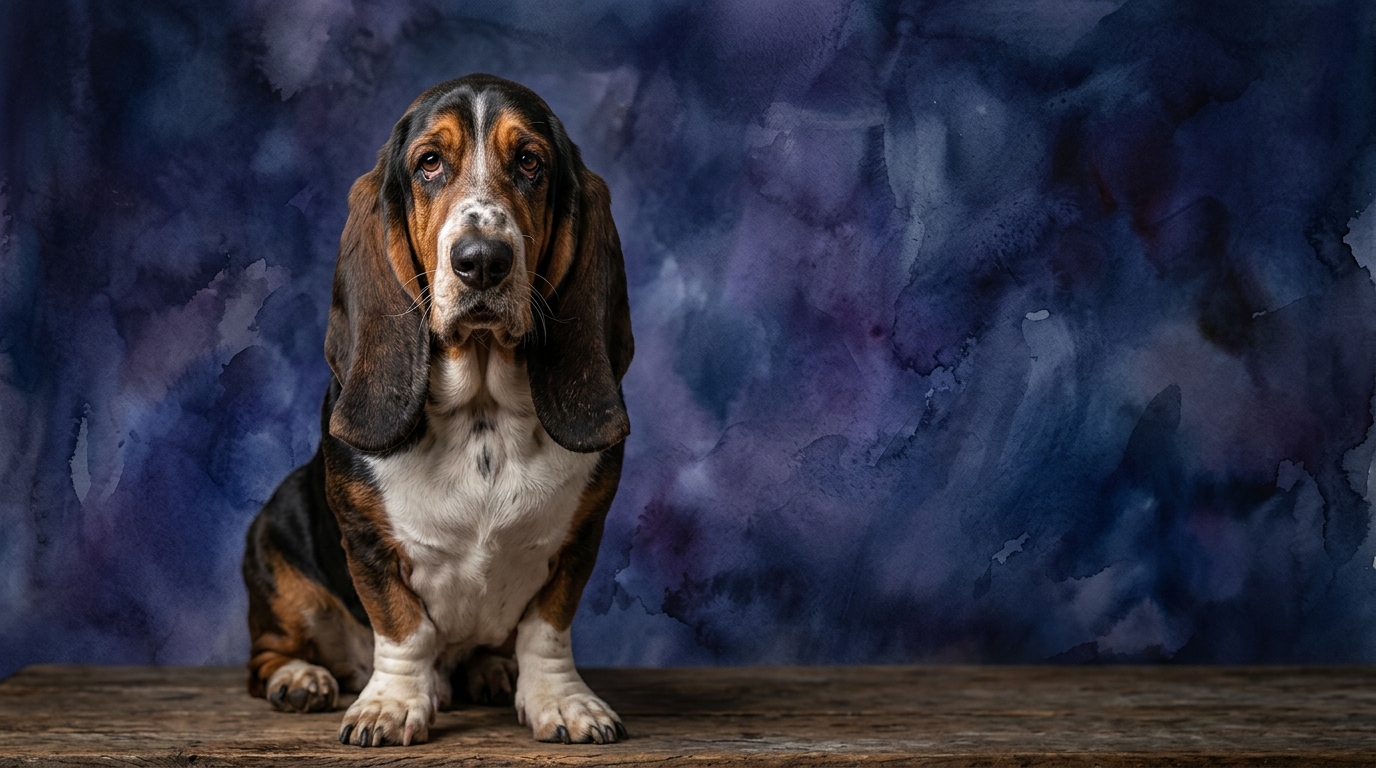
Side-by-Side Cognitive Profile: Identical Scores, Distinct Minds
Our Cosmic Pet Pet IQ Lab assesses canine intelligence across five critical dimensions: Problem Solving, Training Speed, Social Intelligence, Instinctive Drive, and Memory. Intriguingly, both the Parson Russell Terrier and the Basset Hound achieve a consistent score of 3/5 in every category, indicating a moderate level of cognitive capacity. This parity, however, doesn't suggest identical mental operations; rather, it highlights how similar capacities manifest through vastly different breed-specific lenses.
For Problem Solving (3/5), the Parson Russell Terrier demonstrates a quick, often physical, approach to overcoming obstacles, typical of a breed designed to navigate complex underground tunnels and flush out quarry. Their solutions are frequently reactive and require agile thinking. The Basset Hound, conversely, applies its 3/5 problem-solving capacity methodically, primarily through its nose, meticulously unraveling scent puzzles with unwavering persistence rather than speed. Their approach is sensory-driven and deliberate.
In Training Speed (3/5), the Parson Russell Terrier can grasp new commands with commendable swiftness, often eager to engage in interactive learning sessions. However, their independent nature means consistent compliance requires strong motivation and an understanding that their focus can easily shift if a more compelling 'job' presents itself. The Basset Hound, while capable of learning, operates at a more measured pace. Their 3/5 score reflects a steady learning curve, but their profound scent drive often means training sessions are punctuated by moments where their nose takes precedence over human directives.
Social Intelligence (3/5) in the Parson Russell Terrier often manifests as a desire for partnership in activities, discerning human intentions related to tasks, games, or exploration. They engage with their human companions as equals in their shared world. The Basset Hound's 3/5 social intelligence is characterized by a gentle, amiable disposition and a deep, affectionate bond with family members, often understanding emotional cues through quiet companionship rather than active participation in complex tasks. Their social interactions are generally calm and centered on comfort.
Finally, for Instinctive Drive (3/5) and Memory (3/5), both breeds again show their inherent predispositions. The PRT's drive is powerful and directed towards chasing, digging, and exploring, fueling their engagement with the environment. Their memory is practical, retaining learned commands and locations relevant to their active pursuits. The Basset Hound's instinctive drive is overwhelmingly olfactory, compelling them to track and follow scent trails above all else. Their memory is exceptional for scent patterns, routines, and positive associations, particularly those involving food or comforting interactions.
Where the Parson Russell Terrier Excels Cognitively
While sharing a 3/5 score in problem-solving, the Parson Russell Terrier’s cognitive strengths lean towards rapid decision-making and the agile application of learned behaviors in dynamic, unpredictable environments. Their ability to quickly assess a situation and react, often independently, is a hallmark of their terrier heritage. For instance, a PRT might excel at quickly figuring out how to retrieve a toy from a complex obstacle, employing a trial-and-error approach with gusto. Their focused intensity, driven by their instinctive urge to work, means they can quickly pivot between tasks or adapt strategies when a primary approach fails, making them adept at varied, fast-paced challenges that demand ingenuity and physical coordination.
Where the Basset Hound Excels Cognitively
The Basset Hound, despite the same 3/5 problem-solving score, shines in cognitive tasks demanding sustained focus and a methodical, sensory-driven approach. Their unparalleled olfactory processing allows them to unravel intricate scent puzzles that would overwhelm most other breeds. A Basset's cognitive 'win' is in their unwavering persistence; once a scent trail is engaged, their brain meticulously processes every nuance, allowing them to follow it for extended periods without distraction, demonstrating a profound, specialized form of intelligence. This isn't about speed, but about thoroughness and an almost meditative dedication to their primary sensory input, making them masters of their olfactory world.
Training Dynamics: Nuances Behind the 3/5 Score
Despite both breeds scoring 3/5 in training speed, the *experience* of training them can differ significantly due to their inherent behavioral drivers. The Parson Russell Terrier, with its high energy and desire for engagement, often learns commands rapidly, but their independent spirit means consistency and proofing in varied environments are crucial. They might quickly grasp what you want but choose to prioritize a rustling bush over your recall. Effective training for a PRT often involves making tasks feel like a game or a 'job,' leveraging their prey drive and agility to keep them engaged and channeling their cognitive energy into productive outlets.
The Basset Hound, while capable of learning, moves at a more deliberate pace. Their primary cognitive distraction is their nose; once a scent is detected, their ability to focus on human commands diminishes dramatically. Training a Basset requires immense patience, positive reinforcement, and understanding that their internal world is often dominated by olfactory information. While they can learn, their compliance is often dictated by their current sensory environment, making consistent, 'on-demand' training more challenging than with a terrier who is looking for the next interaction with their human partner.
Matching Canine Minds to Lifestyles
For owners who thrive on high-energy engagement and desire a canine partner for dynamic activities, the Parson Russell Terrier is an ideal match. Their cognitive profile, marked by quick problem-solving and an enduring instinctive drive, means they flourish with owners who can provide consistent mental and physical stimulation, such as agility, earthdog trials, or extensive hiking. They require an owner who understands their independent streak and can channel their cognitive energy into productive outlets, enjoying a dog that is always ready for the next adventure.
Conversely, the Basset Hound's deliberate pace and profound contentment with a calm home environment make them better suited for relaxed owners. While they require daily walks to satisfy their sniffing instincts, their cognitive needs are often met by exploring a scent-rich environment at their own speed, followed by ample rest. An owner who appreciates their gentle companionship and understands their deep-seated desire to follow their nose will find a rewarding bond with a Basset, accepting that their cognitive engagement is often internally driven rather than constantly seeking human direction.
The Verdict
Choose the Parson Russell Terrier if you seek a quick-thinking, independent partner for active pursuits and enjoy engaging with a dog that approaches challenges with energetic enthusiasm.
Opt for the Basset Hound if you appreciate a calm, affectionate companion with a profound sensory intelligence, and are prepared to indulge their methodical, scent-driven explorations.
🧠 Find Your Pet's IQ Score
Our Pet IQ Lab assessment covers 25+ tests across 5 cognitive dimensions — personalized to your breed.
Take the Full IQ Test →Frequently Asked Questions
Are Parson Russell Terriers good family dogs?
Parson Russell Terriers can be excellent family dogs for active households that can meet their significant exercise and mental stimulation needs. Their spirited nature means they thrive with consistent engagement and clear boundaries, often forming strong bonds with their human family.
Do Basset Hounds require a lot of exercise?
Basset Hounds require moderate daily exercise, primarily focusing on walks that allow them ample opportunity to explore scents. While not high-energy, regular physical activity is important to maintain their health and satisfy their innate desire to follow a trail, preventing boredom.
What's the biggest challenge in training a Parson Russell Terrier or Basset Hound?
The biggest challenge for Parson Russell Terriers often lies in managing their independent spirit and strong prey drive, requiring consistent motivation and varied training to maintain focus. For Basset Hounds, their profound scent drive is the primary hurdle, as their nose can easily override human commands, demanding immense patience and creativity in training methods.