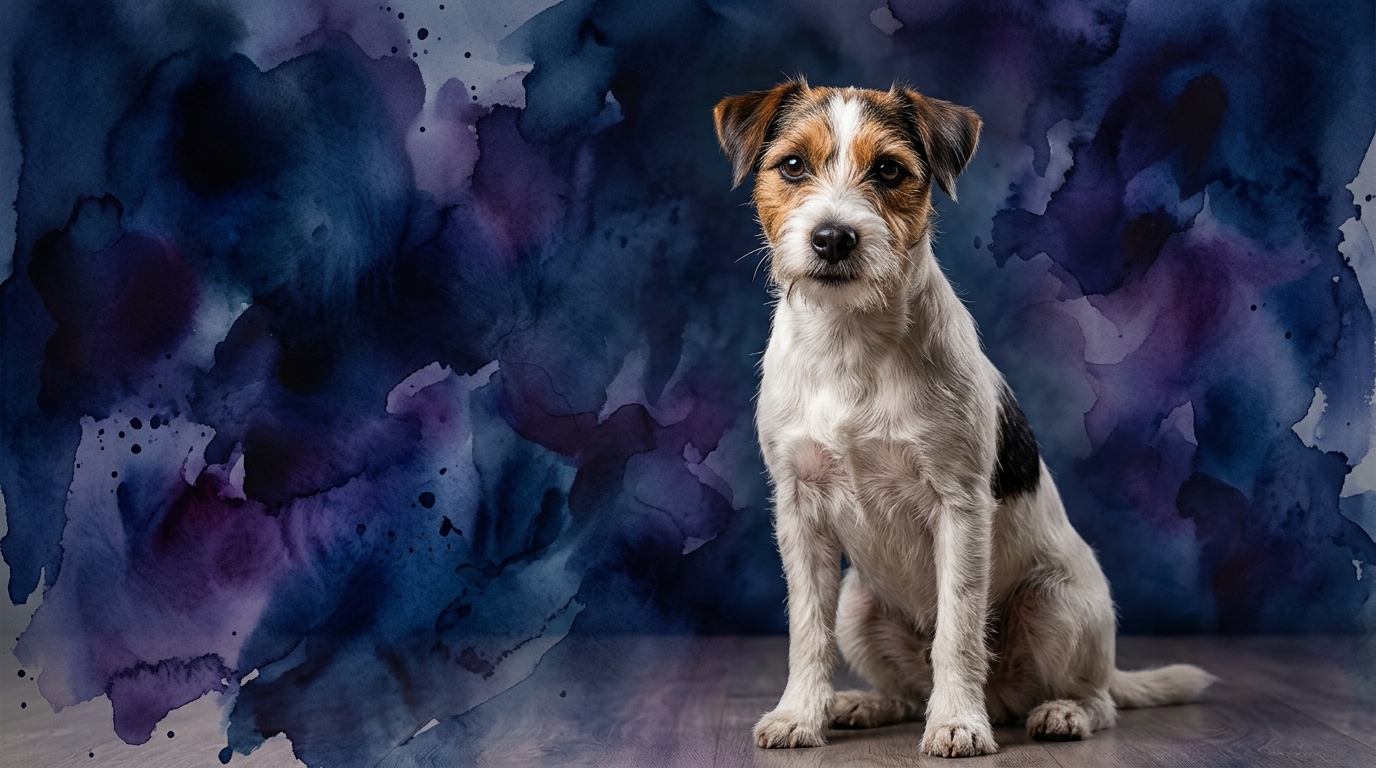
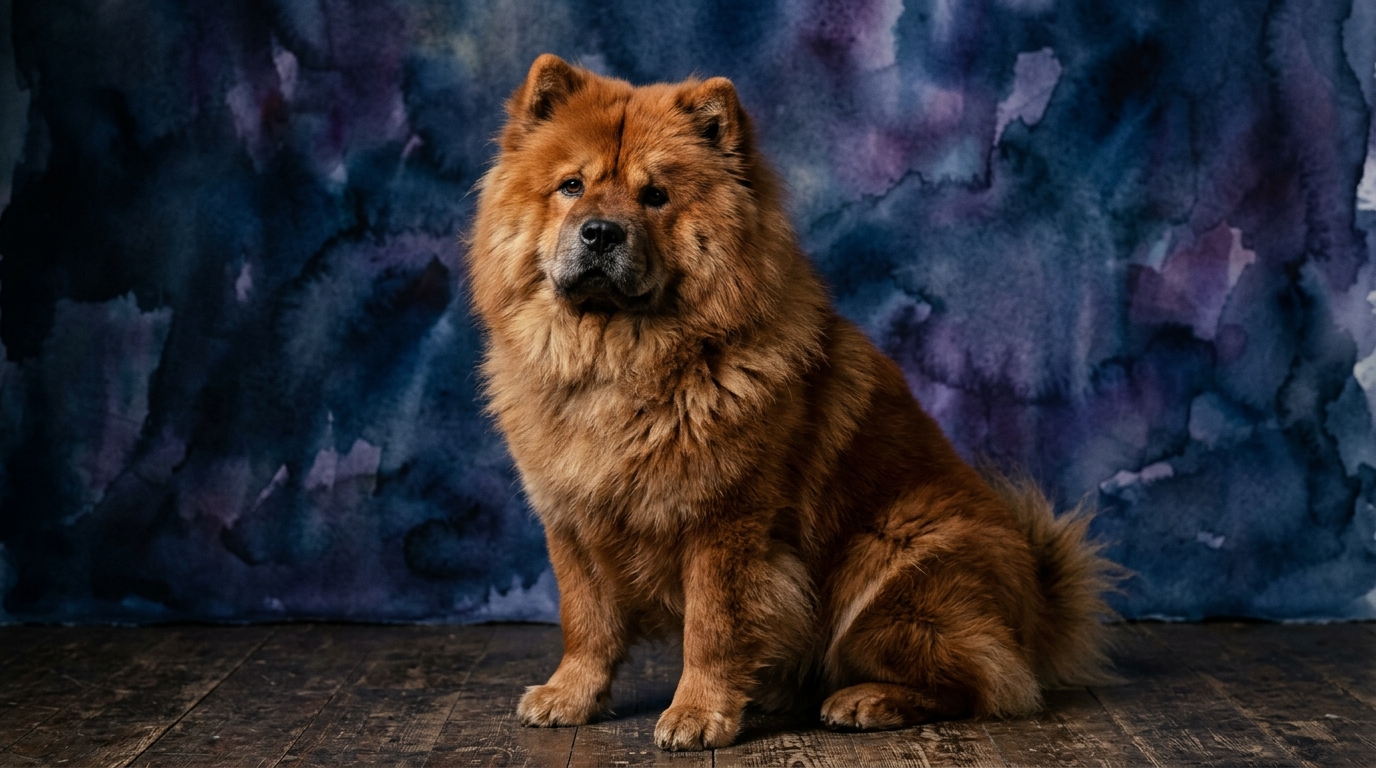
Side-by-Side Cognitive Profiles: Parson Russell Terrier vs. Chow Chow
Delving into The Cosmic Pet Pet IQ Lab data, both the Parson Russell Terrier and the Chow Chow register a consistent 3/5 across all five measured cognitive dimensions. While these scores appear identical on the surface, understanding the unique behavioral context of each breed illuminates how these numerical values translate into distinct mental approaches and capabilities.
For the Parson Russell Terrier, a Problem Solving score of 3/5 reflects a keen, persistent intellect often applied to their environment; they are adept at figuring out how to access interesting spaces or manipulate objects to achieve a goal, driven by their inherent curiosity. Their Training Speed of 3/5 means they are generally responsive and learn new commands at a moderate pace, especially when engaged with stimulating, reward-based methods. Social Intelligence at 3/5 indicates they are typically attuned to human cues and enjoy interactive engagement, thriving on family participation. An Instinctive Drive of 3/5 highlights their strong prey drive, digging tendencies, and a natural inclination for exploration, which significantly shapes their cognitive world. Finally, their Memory at 3/5 ensures they retain commands, routines, and the locations of past exciting discoveries with reliable consistency.
The Chow Chow, despite identical numerical scores, presents a different cognitive tapestry. Their Problem Solving at 3/5 manifests as independent decision-making; they assess situations from their own perspective, often prioritizing comfort or territorial integrity, and may not always seek human input for solutions. A Training Speed of 3/5 suggests they are capable of learning, but often require significant patience, consistency, and motivation tailored to their self-sufficient nature, making the process more deliberate. Their Social Intelligence at 3/5 is characterized by a reserved yet observant demeanor; they form deep bonds with a select few but are selective in their interactions, processing social cues subtly rather than overtly. An Instinctive Drive of 3/5 points to strong guarding instincts and a territorial nature, rather than a high prey drive, influencing how they perceive and interact with their surroundings. Their Memory at 3/5 is robust, particularly for established routines, boundaries, and past experiences, contributing to their predictable and dignified nature.
Where the Parson Russell Terrier Excels Cognitively
The Parson Russell Terrier's cognitive strengths truly shine in scenarios demanding active engagement and quick adaptation. Their 3/5 Problem Solving, combined with a high-energy disposition, makes them exceptionally adept at navigating new environments or deciphering complex puzzle toys that require physical manipulation and sustained effort. They demonstrate a particular knack for tasks that involve tracking scents or finding hidden objects, leveraging their instinctive drives to excel in human-devised games or sports. This breed's cognitive wins are often seen in their enthusiastic pursuit of challenges and their capacity for rapid, practical decision-making in dynamic situations, making them excellent partners for activities like agility or earthdog trials.
Their social intelligence, while rated similarly, translates into a more overt eagerness to participate in human-led cognitive tasks. A Parson Russell Terrier is more likely to eagerly engage with a new training challenge or a complex command sequence, driven by a desire for interaction and the thrill of accomplishment alongside their person. This willingness to collaborate and their inherent curiosity allow them to explore and master a broader range of human-designed cognitive exercises with a noticeable zest.
Where the Chow Chow's Cognitive Strengths Lie
The Chow Chow's cognitive advantages are rooted in their independent and self-assured nature, manifesting as a deep-seated ability for autonomous decision-making and subtle environmental assessment. Their 3/5 Problem Solving score shines when they are tasked with monitoring their territory or evaluating novel situations without constant human direction; they are often capable of making sound judgments based on their keen observation and memory of established norms. This breed excels in tasks requiring a calm, steady presence and a nuanced understanding of their surroundings, particularly in identifying what belongs and what does not.
Furthermore, the Chow Chow's social intelligence, while reserved, contributes to a distinct cognitive strength: their capacity for discerning loyalty and forming profound, unwavering bonds. They exhibit a remarkable memory for past interactions, both positive and negative, which informs their future behavior and trust levels. This selective social engagement means they are not easily swayed or distracted, allowing them to maintain a focused awareness of their core responsibilities, whether it's guarding the home or simply enjoying quiet companionship with their chosen family members.
Training Dynamics: Parson Russell Terrier vs. Chow Chow
When considering ease of training, the Parson Russell Terrier generally presents a more straightforward path for most owners. Their 3/5 Training Speed is often bolstered by a natural enthusiasm for interaction and a strong desire to participate in activities with their human companions. They respond well to positive reinforcement, play, and food rewards, quickly grasping new concepts when the training is engaging and consistent. While their inherent terrier drive can sometimes lead to independent thinking or distraction, their underlying eagerness to please and energetic disposition make them quite receptive to learning a wide array of commands and tricks, often enjoying the mental stimulation of a training session.
The Chow Chow, conversely, can pose a greater challenge in training, despite their matching 3/5 Training Speed. Their independence and reserved social nature mean they are less inherently motivated by a desire to please and may not see the inherent value in performing certain tasks. Training a Chow Chow requires immense patience, consistency, and a deep understanding of their motivations, often relying on high-value rewards and a respectful, non-confrontational approach. They are capable of learning, but the process is typically slower and more deliberate, with the owner needing to earn their cooperation rather than expecting immediate compliance. Their social intelligence means they observe and learn, but their reserved temperament dictates *when* and *if* they choose to demonstrate that learning.
Matching Breeds to Lifestyles: Active vs. Relaxed Owners
For the active owner seeking a canine partner for adventures and consistent engagement, the Parson Russell Terrier is an ideal match. Their high energy levels and instinctive drive demand regular physical exercise and mental stimulation, making them excellent companions for hiking, running, dog sports, or extensive play sessions. Owners who thrive on daily outdoor activities and enjoy teaching new skills will find a Parson Russell Terrier to be an enthusiastic and tireless partner, eager to explore the world alongside them. This breed flourishes in an environment where their cognitive and physical needs are consistently met through interactive challenges and a dynamic lifestyle.
Conversely, the Chow Chow is better suited for owners who appreciate a more relaxed, dignified companion and a less demanding daily routine. While they still require regular walks and mental enrichment, their independence and reserved nature mean they are generally content with moderate activity and quiet companionship. Owners who enjoy a calm household, value a watchful presence, and are prepared to respect a dog's self-sufficient temperament will find the Chow Chow a loyal and devoted friend. This breed thrives with owners who understand their need for personal space and consistent, respectful guidance, offering a serene yet profound companionship.
The Verdict
Choose a Parson Russell Terrier if you seek an energetic, curious, and highly interactive companion eager to participate in an active lifestyle and engage in continuous learning alongside you.
Opt for a Chow Chow if you appreciate an independent, dignified, and loyal companion who thrives on respectful guidance, a calm routine, and offers a watchful, reserved presence in your home.
🧠 Find Your Pet's IQ Score
Our Pet IQ Lab assessment covers 25+ tests across 5 cognitive dimensions — personalized to your breed.
Take the Full IQ Test →Frequently Asked Questions
Are Parson Russell Terriers suitable for apartment living?
While their size is compact, Parson Russell Terriers possess significant energy and a strong drive that demands ample exercise and mental stimulation. They can adapt to apartment living if their owners commit to providing daily rigorous activity, extensive walks, and engaging play sessions to satisfy their cognitive and physical needs.
How does the Chow Chow's temperament affect its problem-solving approach?
The Chow Chow's reserved and independent temperament means their problem-solving often involves careful observation and self-directed decisions rather than seeking human intervention. They prefer to assess situations on their own terms, particularly concerning territory or comfort, and may take a more deliberate, less impulsive approach to challenges.
Can both breeds excel in dog sports or activities?
Yes, but in different capacities. Parson Russell Terriers often excel in high-energy sports like agility, earthdog trials, or obedience due to their drive and eagerness. Chow Chows, while less inclined towards high-octane activities, can do well in less physically demanding sports like rally, conformation, or even some forms of obedience, provided the training method respects their independent nature and motivates them appropriately.