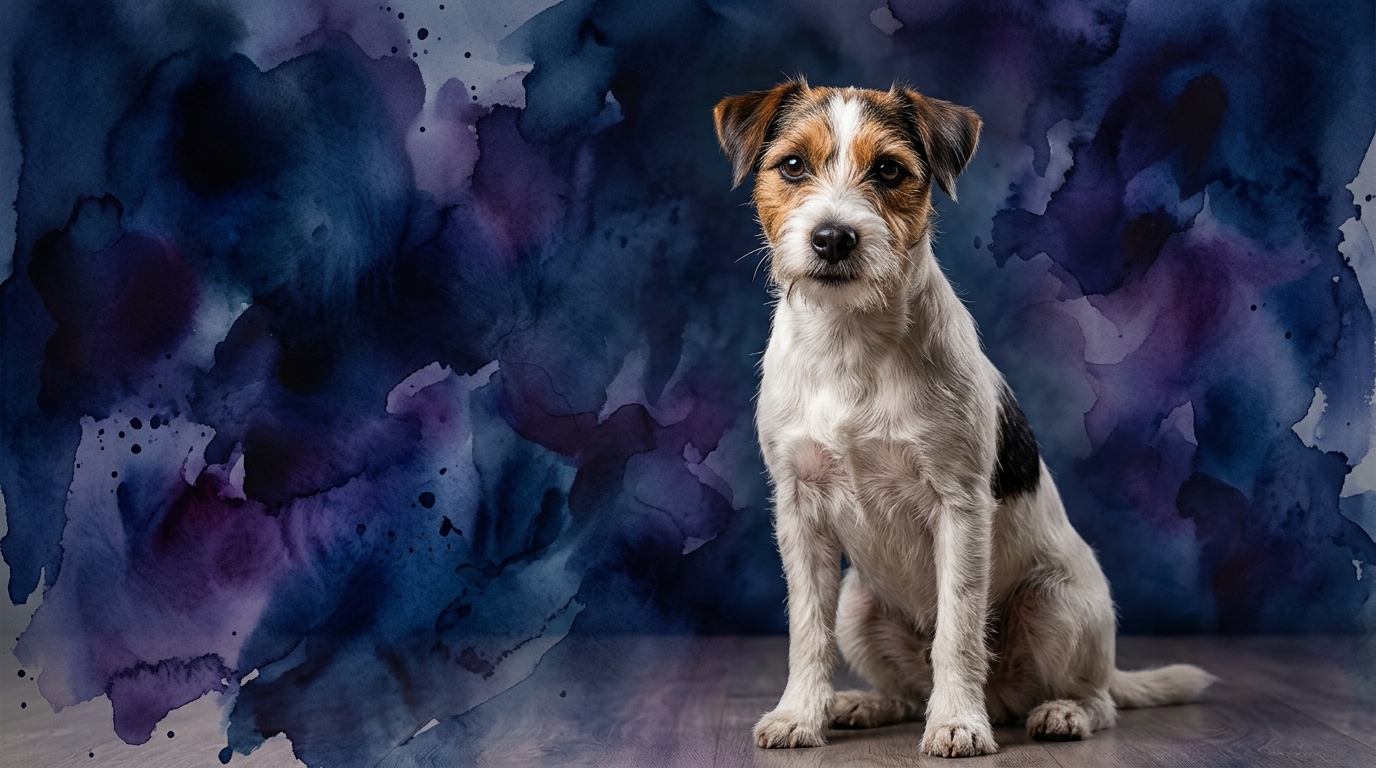
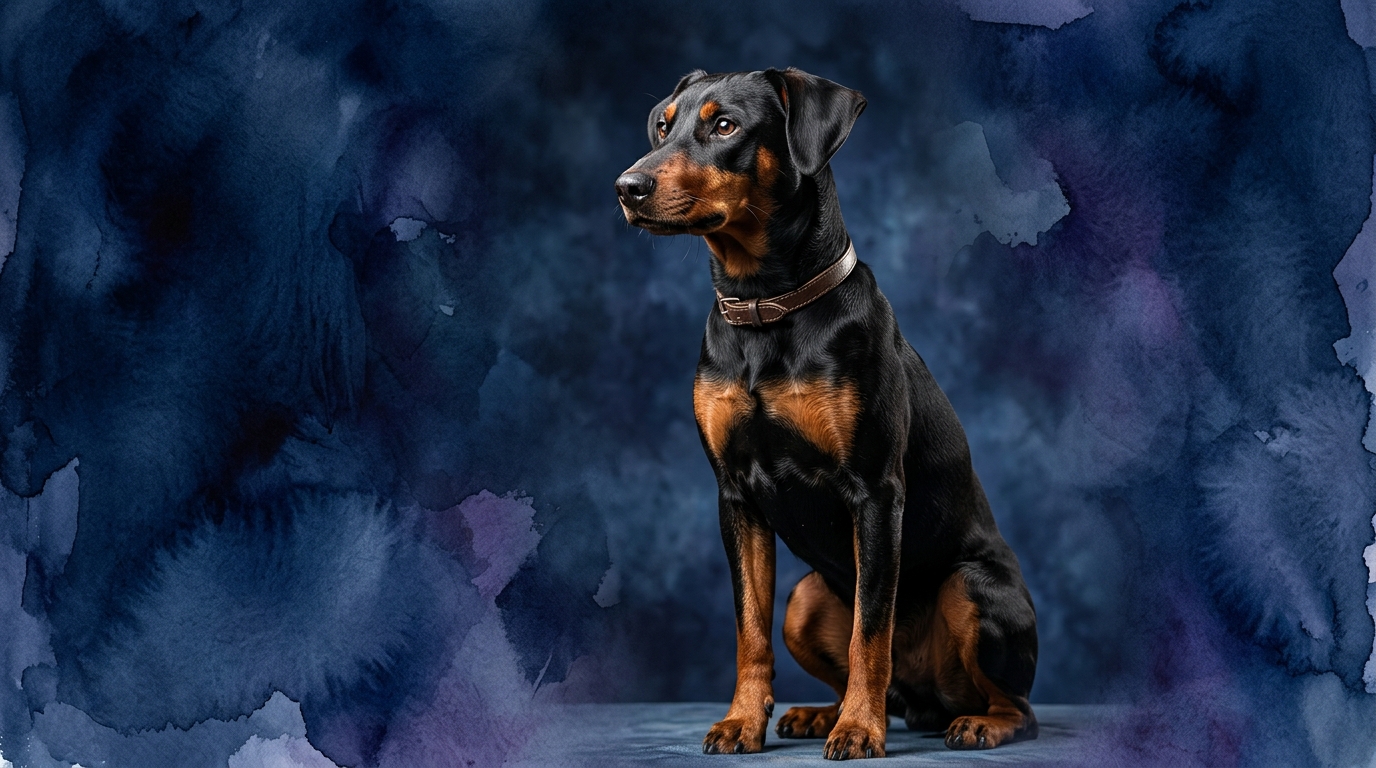
Side-by-Side IQ Profile: Parson Russell Terrier vs. German Pinscher
At first glance, the Parson Russell Terrier and the German Pinscher appear to possess an identical cognitive blueprint according to The Cosmic Pet Pet IQ Lab's assessment, with both scoring 3/5 in problem-solving, training speed, social intelligence, instinctive drive, and memory. However, these scores represent a baseline, and the practical manifestation of these cognitive traits varies significantly due to their distinct breed groups and historical roles.
For the **Parson Russell Terrier**, a member of the Terrier group, **Problem Solving (3/5)** often manifests as tenacious ingenuity in overcoming physical barriers or outmaneuvering small prey; they are adept at figuring out how to get to what they want, even if it requires persistent digging or clever manipulation. Their **Training Speed (3/5)** reflects a capacity for learning, yet this is often balanced by an independent streak and a strong will, meaning they learn quickly but might not always choose to comply immediately. **Social Intelligence (3/5)** for the Parson Russell Terrier involves understanding pack dynamics and human intentions, though they can be assertive and discerning about who they trust. Their **Instinctive Drive (3/5)** is profoundly shaped by their hunting heritage, showcasing a powerful prey drive, a desire to explore, and a tireless energy. Finally, their **Memory (3/5)** is robust, allowing them to recall routines, commands, and past experiences, especially those related to hunting or escape routes.
The **German Pinscher**, belonging to the Working group, expresses its **Problem Solving (3/5)** through observational learning and strategic thinking, often assessing situations involving territory or family protection before acting; they excel at understanding sequences and anticipating events. Their **Training Speed (3/5)** benefits from a strong desire to please and a focused work ethic, making them generally receptive to structured learning, although they possess a confident and sometimes stubborn nature. **Social Intelligence (3/5)** in the German Pinscher involves keen awareness of their human companions' moods and intentions, often leading to a devoted, protective bond, though they can be reserved with strangers. Their **Instinctive Drive (3/5)** is characterized by a strong guarding instinct, a propensity for vigilance, and a desire for purpose-driven activity, reflecting their historical role as farm guardians. Their **Memory (3/5)** is excellent, enabling them to retain complex commands, boundaries, and the faces of friends and perceived threats over long periods.
Where the Parson Russell Terrier Wins Cognitively
While both breeds share identical scores, the Parson Russell Terrier often demonstrates a unique edge in independent problem-solving and adaptive resourcefulness. Their terrier heritage imbues them with an exceptional ability to think on their paws and find solutions to immediate, often physical, challenges without direct human instruction. This translates to an impressive capacity for navigating complex environments, escaping enclosures, or devising novel ways to retrieve a hidden toy, driven by an inherent tenacity and a 'never give up' attitude. Their cognitive strength lies in their self-directed ingenuity, making them particularly adept at tasks requiring clever manipulation and persistent effort in the face of obstacles, often showing a creative, albeit sometimes mischievous, approach to achieving their goals.
Where the German Pinscher Wins Cognitively
The German Pinscher, with its working background, typically excels in areas requiring focused attention, observational learning, and a nuanced understanding of social cues within a family unit. Their cognitive strength is evident in their capacity for structured learning and their ability to internalize complex routines and expectations, making them highly effective in tasks that demand precision and consistency. They often demonstrate superior social intelligence in terms of their protective instincts, accurately reading situations to discern potential threats or changes in their human companions' emotional states. This allows them to act as vigilant guardians, relying on their sharp memory to differentiate between familiar and unfamiliar, friend and perceived foe, showcasing a more analytical and deliberate cognitive process compared to the PRT's spontaneous drive.
Which is Easier to Train and Why
Determining which breed is 'easier' to train depends heavily on an owner's approach and expectations. The German Pinscher generally presents a more straightforward training experience for owners who appreciate a dog that thrives on structure and purpose. Their working breed disposition means they are often eager to please and respond well to consistent, positive reinforcement methods, quickly grasping commands and routines. While they possess a confident will, their focus on their handler and their desire for a 'job' make them highly biddable for obedience and specialized tasks, provided training is engaging and firm.
The Parson Russell Terrier, on the other hand, can be more challenging for the novice owner due to their independent nature and high prey drive. While they learn quickly (Training Speed 3/5), their strong instinctive drive (3/5) to hunt and explore can make them easily distracted and less inclined to follow commands if something more stimulating catches their attention. Training a Parson Russell requires immense patience, creativity, and a deep understanding of terrier psychology, often needing to make training feel like a game or a challenge rather than a rote exercise. Their problem-solving skills (3/5) might even be turned towards figuring out how to get around a command, rather than complying, demanding a trainer who is always one step ahead.
Which Suits Active Owners vs. Relaxed Owners
Neither the Parson Russell Terrier nor the German Pinscher are suited for truly 'relaxed' owners in the sense of minimal daily engagement. Both are energetic breeds requiring significant physical and mental stimulation. However, the *type* of activity they thrive on differs.
The Parson Russell Terrier is ideal for highly active owners who enjoy outdoor adventures, dog sports like agility or earthdog trials, and can provide consistent outlets for their formidable energy and prey drive. They need owners who appreciate their spirited independence and can channel it into constructive activities, understanding that a bored Parson Russell Terrier will invent its own, often destructive, entertainment. Their cognitive needs are met through varied challenges that allow them to use their problem-solving and instinctive drives, such as scent work or complex puzzle toys.
The German Pinscher also requires active owners, but ones who can offer a more structured and purpose-driven lifestyle. They excel with consistent training, daily vigorous exercise, and mental tasks that engage their observational skills and guarding instincts. Owners who enjoy long walks, jogging, or dog sports like obedience and protection work will find a German Pinscher a rewarding companion. Their need for a 'job' and their devotion to their family make them thrive in environments where they feel included in daily activities and have clear boundaries, benefiting from cognitive engagement that reinforces their role as a watchful and capable companion.
The Verdict
Choose the Parson Russell Terrier if you are an experienced, highly active owner who values a dog's independent spirit and can provide rigorous mental and physical challenges to satisfy their tenacious terrier drive.
Opt for the German Pinscher if you seek a devoted, vigilant companion for an active, structured household, appreciating a dog that thrives on purpose-driven activities and consistent guidance.
🧠 Find Your Pet's IQ Score
Our Pet IQ Lab assessment covers 25+ tests across 5 cognitive dimensions — personalized to your breed.
Take the Full IQ Test →Frequently Asked Questions
Do Parson Russell Terriers make good family pets?
Parson Russell Terriers can be excellent family pets for active families who understand their energetic nature and need for consistent training. They do best with older children who understand how to interact with a spirited dog, and their strong prey drive means they might not be ideal for homes with small, non-canine pets.
Are German Pinschers good with children and other pets?
German Pinschers can be very devoted to their families, including children, often displaying a protective instinct. Early socialization is crucial for them to be comfortable around other pets, and their strong guarding tendencies mean they may need careful introduction to new animals and people.
Which breed is more prone to barking?
Both breeds have a tendency to be vocal, but for different reasons. Parson Russell Terriers might bark out of excitement, boredom, or when tracking a scent, while German Pinschers are more likely to bark as an alert or warning, reflecting their guarding instincts. Consistent training can help manage barking in both.