Side-by-side IQ profile
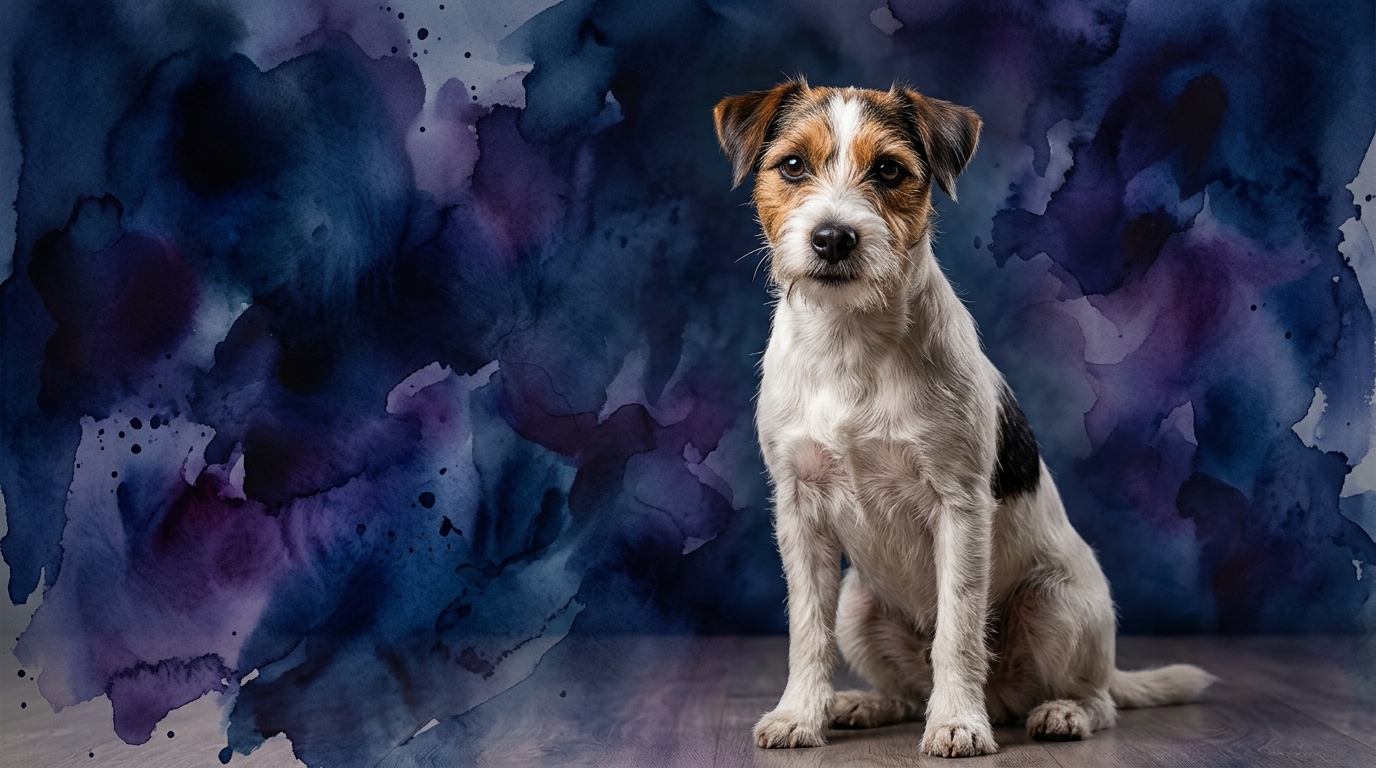
**Parson Russell Terrier (PRT):** With a problem-solving score of 3/5, the Parson Russell Terrier demonstrates a commendable ability to navigate complex situations, often relying on quick assessments and agile execution, a trait honed by generations of fox hunting where outsmarting quarry was paramount. Their 3/5 training speed reflects a capacity to learn new commands and routines efficiently, though their independent spirit means engagement and consistency are key to maintaining focus. A social intelligence score of 3/5 indicates they are perceptive to human cues and environmental changes, often forming strong bonds but retaining a certain self-reliance. Their instinctive drive, also 3/5, manifests as a vigorous prey drive and a relentless pursuit of interesting scents, indicative of their working roots. Finally, their memory at 3/5 supports their ability to recall complex sequences and locations, crucial for navigating varied terrain during a hunt.
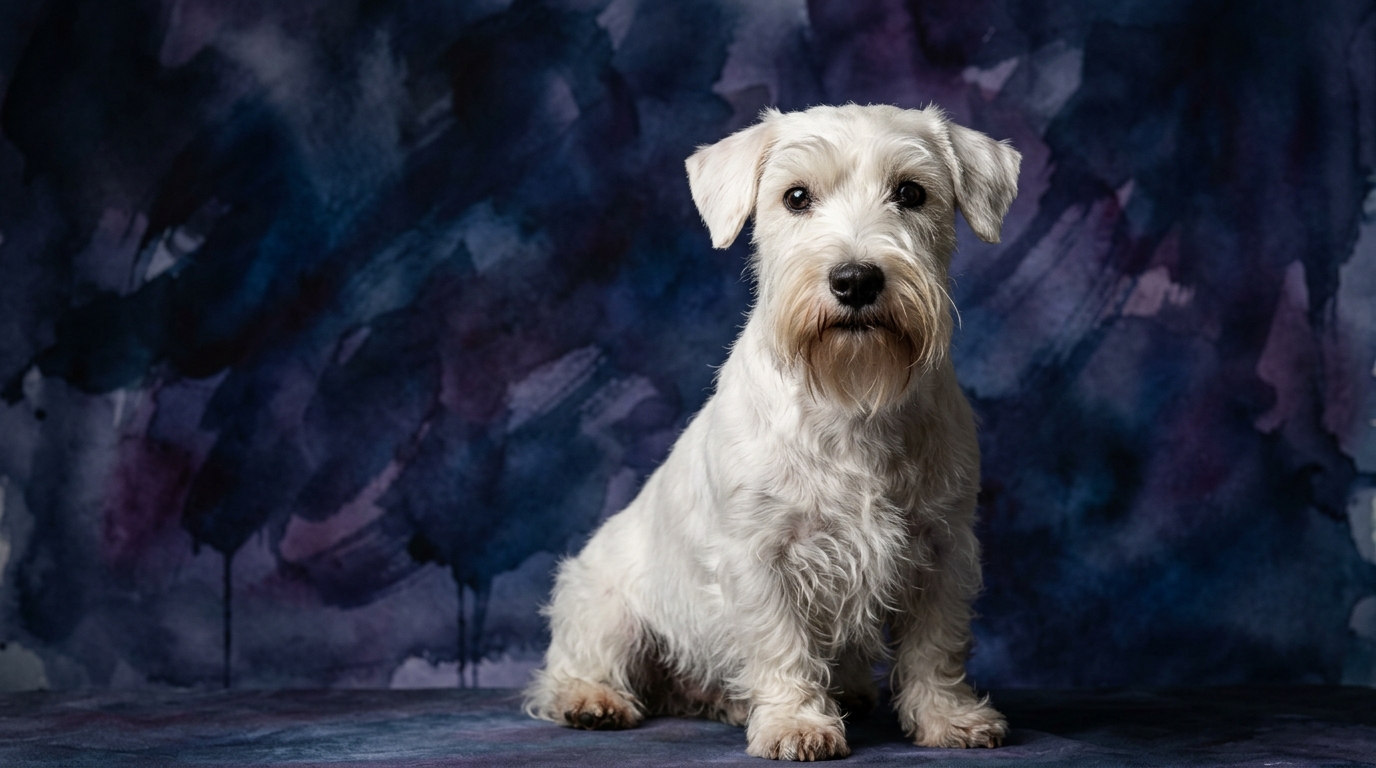
**Sealyham Terrier:** The Sealyham Terrier, also scoring 3/5 in problem-solving, approaches challenges with a distinct persistence and methodical determination, often focusing on intricate details rather than rapid action, reflecting their role in flushing badgers and otters from dense cover. Their training speed, likewise 3/5, suggests they are capable learners, though their more stoic and independent nature often requires patient, positive reinforcement to build motivation and sustain attention. A social intelligence score of 3/5 means they are observant and can read their environment and human companions well, though they might express their understanding in a more reserved manner compared to some other terriers. Their instinctive drive, 3/5, is strongly geared towards digging, scent work, and tenacity in pursuit, embodying their historical function of working underground. A memory score of 3/5 allows them to retain intricate scent patterns and recall specific locations, essential for their specialized working tasks.
Where Parson Russell Terrier wins cognitively
Despite identical numerical scores, the Parson Russell Terrier’s cognitive strengths often shine in scenarios demanding rapid, adaptive problem-solving within dynamic environments. Their historical role as a swift, agile hunter above ground means they excel at quickly assessing and reacting to changing circumstances, such as navigating an unpredictable obstacle course or executing complex agility sequences with precision. This breed’s 3/5 problem-solving often manifests as an ability to "think on their feet," making split-second decisions that leverage their athleticism and keen observational skills. Their high energy and sustained focus on a perceived "task" (like chasing a ball or following a scent) allow for prolonged engagement in mentally stimulating activities that require continuous adjustment and strategic thinking. Owners will observe a Parson Russell’s aptitude for quickly understanding spatial relationships and devising efficient routes to a desired object or location, demonstrating a practical, results-oriented intelligence.
Where Sealyham Terrier wins cognitively
The Sealyham Terrier, while equally capable, demonstrates a distinct cognitive advantage in situations requiring profound persistence, meticulous focus, and independent decision-making in confined or challenging spaces. Their 3/5 problem-solving frequently translates into an unwavering determination to solve a puzzle, especially if it involves intricate scent work or extracting a hidden object, reflecting their badger-hunting heritage. This breed’s cognitive strength lies in their ability to concentrate intensely on a specific task, often ignoring external distractions, and employing a methodical approach to overcome obstacles. Their memory, also 3/5, appears particularly robust for retaining detailed sensory information, such as complex scent trails or the exact location of a buried item, allowing them to return to and complete tasks over time. A Sealyham’s intelligence is often characterized by a tenacious, unyielding drive to achieve their goal, making them adept at tasks that demand sustained effort and precise execution rather than speed.
Which is easier to train and why
When evaluating ease of training, both breeds score 3/5 in training speed, implying trainability is certainly achievable but requires specific approaches tailored to their temperaments. The Parson Russell Terrier, with its high energy and zest for life, can pick up new commands quickly due to its alertness and desire for engagement. However, their strong prey drive and independent streak mean training sessions must be kept dynamic, varied, and short to prevent boredom or distraction. They thrive on positive reinforcement and will enthusiastically engage in activities that channel their natural instincts, like fetch or agility, but might test boundaries if consistency isn't maintained. Their quickness can sometimes be mistaken for an eagerness to please, but it's often an eagerness to *do something interesting*, requiring the trainer to be more engaging than the distractions around them.
The Sealyham Terrier, while equally trainable at 3/5, often presents a different set of challenges rooted in its more stoic and sometimes stubborn nature. They may not be as outwardly enthusiastic as the Parson Russell, requiring more patience and consistent motivation to initiate new behaviors. Once a Sealyham understands a command and sees the value in complying, their inherent persistence means they tend to be very reliable. Training needs to be calm, clear, and highly rewarding, focusing on building a strong bond and mutual respect. They are less likely to be distracted by external stimuli once engaged in a task, but getting them engaged in the first place might take more effort. Their intelligence shines when they are given a purpose and allowed to work through a task methodically, making them excellent candidates for scent work or detailed obedience.
Which suits active owners vs relaxed owners
Choosing between these two terriers often comes down to an owner's lifestyle and energy levels. The Parson Russell Terrier is undeniably suited for active owners who can match their boundless energy and inquisitive minds. These dogs require substantial daily physical exercise—think long runs, extensive fetch sessions, or engaging dog sports like agility or flyball—to prevent boredom and destructive behaviors. Beyond physical activity, they thrive on mental challenges, making them ideal companions for owners who enjoy teaching complex tricks, participating in obedience trials, or engaging in extensive scent work. A Parson Russell needs an owner who views activity as a partnership, ready to explore and engage with their dog's vibrant personality.
The Sealyham Terrier, while still requiring regular exercise and mental stimulation, presents a more adaptable option for owners who might describe themselves as "relaxed" in comparison to the high-octane demands of a Parson Russell. They certainly enjoy their daily walks and play sessions, but they are often content with a good hour of focused activity rather than continuous, high-intensity exertion. Their mental stimulation can come from puzzle toys, scent games within the home or yard, and consistent, calm training sessions. A Sealyham can be a wonderful companion for an owner who appreciates a dog with a strong, independent personality that enjoys quiet companionship as much as outdoor adventures, as long as their need for purposeful activity and thoughtful engagement is met. They are not couch potatoes, but their energy is more contained and their demands for constant motion are less intense than their Parson Russell counterparts.
The Verdict
Choose the Parson Russell Terrier if you are an active, adventurous owner seeking a quick-thinking, dynamic companion eager for fast-paced activities and complex training challenges that harness their boundless energy and keen intellect.
Opt for the Sealyham Terrier if you appreciate a steadfast, persistent companion who excels at methodical problem-solving and intricate tasks, and you are prepared to offer patient, consistent guidance alongside regular, purposeful activity.
🧠 Find Your Pet's IQ Score
Our Pet IQ Lab assessment covers 25+ tests across 5 cognitive dimensions — personalized to your breed.
Take the Full IQ Test →Frequently Asked Questions
Are Parson Russell Terriers good with children?
Parson Russell Terriers can be excellent family dogs, especially with active children who understand how to interact respectfully with a dog. Their high energy and playful nature often make them fun companions, but supervision is crucial to ensure neither the dog nor child oversteps boundaries, given the breed's spirited temperament.
Do Sealyham Terriers bark a lot?
Sealyham Terriers, like many terriers, can be prone to barking, especially if they are bored, feel protective, or are alerting their owners to something. Consistent training and early socialization can help manage excessive barking, but owners should expect a certain level of vocal communication from this alert and observant breed.
How much grooming do these terriers require?
Both breeds require regular grooming. Parson Russell Terriers need weekly brushing and occasional hand-stripping or professional grooming to maintain their wiry coat. Sealyham Terriers, with their dense, weather-resistant double coat, also need frequent brushing and professional grooming or hand-stripping every few months to prevent matting and keep their coat healthy, particularly around their distinctive facial hair.