Side-by-Side Cognitive Profile: Unpacking Identical Scores
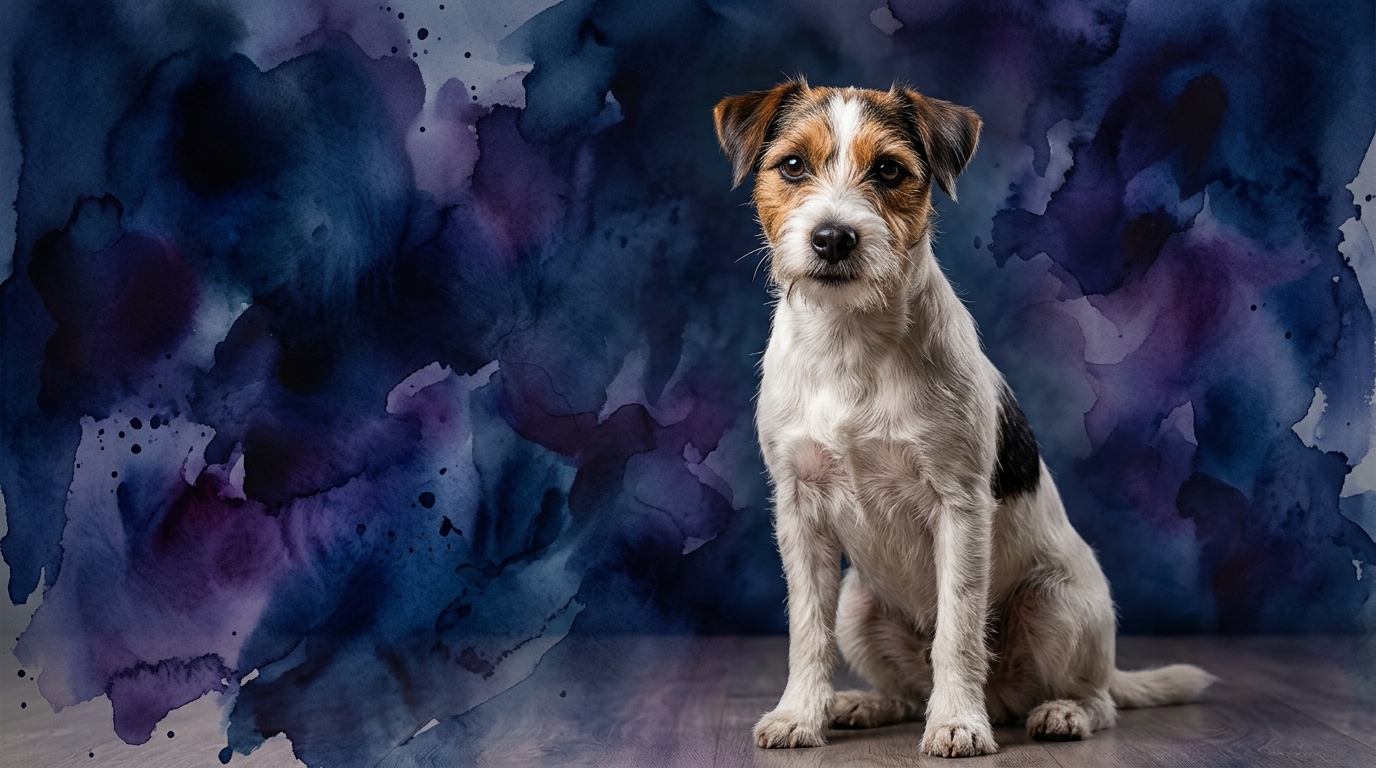
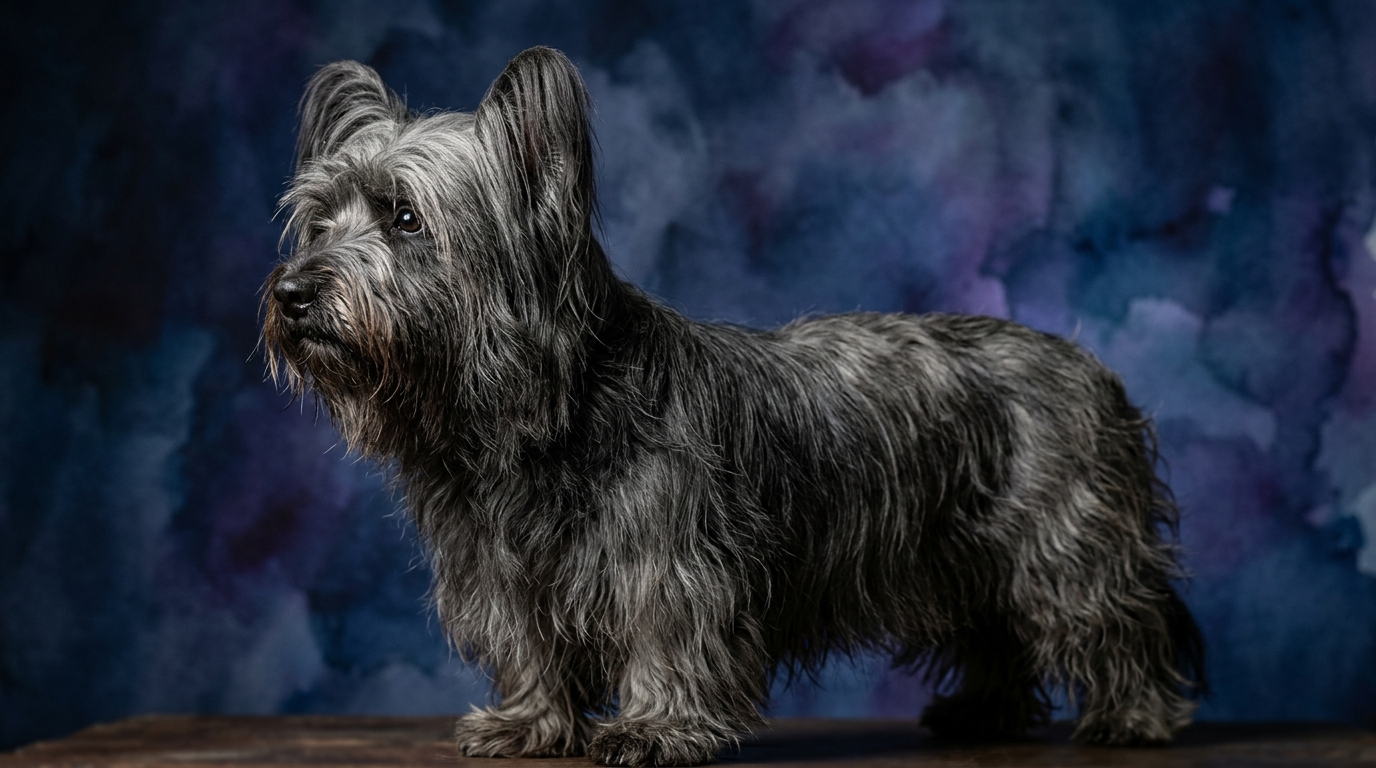
At first glance, the Cosmic Pet Pet IQ Lab data presents an intriguing parity: both the Parson Russell Terrier and the Skye Terrier register a 3/5 across all five measured cognitive dimensions. This identical scoring doesn't suggest a lack of distinction, but rather highlights how a similar underlying capacity can manifest in profoundly different behavioral expressions due to breed-specific histories and temperaments. Let's explore how their 3/5 scores play out.
For the **Parson Russell Terrier**, their 3/5 in **Problem Solving** is characterized by a tenacious, often physically dynamic approach to overcoming obstacles. Whether it's finding a hidden toy or navigating a complex environment, they will employ multiple strategies, often involving digging, jumping, or squeezing, reflecting their heritage as agile fox hunters. This isn't about abstract puzzles, but practical, driven physical solutions. Their **Training Speed** at 3/5 indicates a quick grasp of commands, yet also underscores their independent spirit; they learn rapidly when motivated and the task aligns with their instincts, but consistent, engaging methods are required to solidify reliable obedience amidst distractions. Their **Social Intelligence** (3/5) allows them to read human cues adequately and form strong bonds, though their independent and sometimes boisterous nature means they might prioritize their own perceived 'mission' over subtle human directives. The 3/5 in **Instinctive Drive** is a defining trait, manifesting as a powerful prey drive, a strong desire to dig, and persistent vocalization, which are fundamental to their cognitive makeup. Finally, their **Memory** (3/5) is excellent for routines, learned commands, and particularly for the locations of interesting scents or past 'finds,' quickly recalling successful strategies.
The **Skye Terrier**, while also scoring 3/5, expresses these dimensions differently. Their **Problem Solving** (3/5) tends to be more deliberate and strategic. A Skye might observe a situation longer before acting, then execute a plan with a composed tenacity, perhaps reflecting their original role in hunting badgers and otters where careful approach was key. Their 3/5 in **Training Speed** means they absorb commands at a reasonable pace, but their reserved nature can translate into a slower *willingness* to perform. They require consistent, gentle, and positive reinforcement, valuing fairness and trust in their human partner, and are not quick to offer behaviors for just any reward. **Social Intelligence** (3/5) for a Skye often means deep loyalty and sensitivity to their immediate family, yet a reserved or even aloof demeanor with strangers. They are acute observers of their inner circle's moods and routines, forming profound bonds, but are less universally gregarious, making their social intelligence more selective. Their **Instinctive Drive** (3/5) is present but often expressed with more controlled intensity; they possess a strong prey drive and a desire to patrol, but their expression might be less overtly boisterous than a Parson Russell's. Their **Memory** (3/5) is strong for routines, preferred people, and can extend to recalling past injustices or perceived slights, contributing to their steadfast loyalty and consistent behavior patterns.
Where the Parson Russell Terrier Excels Cognitively
The Parson Russell Terrier's cognitive strengths lean towards active engagement and rapid response. Their problem-solving is often quicker and more physically dynamic, enabling them to adapt swiftly to changing environmental stimuli and devise new physical strategies to reach a goal or overcome a barrier. This breed also demonstrates a spontaneous enthusiasm for novel tasks, especially those involving physical activity or 'hunting' games, driven by their high curiosity and intrinsic motivation. Furthermore, their environmental awareness is exceptionally acute; they are finely tuned to their surroundings, often spotting minute movements or detecting subtle scents that other breeds might miss, a direct legacy of their field work.
Where the Skye Terrier Shows Unique Cognitive Strengths
The Skye Terrier's cognitive advantages often manifest in a more measured and profound manner. Their problem-solving, while not as quick, can be more deliberate and considered, potentially leading to fewer impulsive errors; they might strategize more before committing to an action. The Skye's social intelligence, though reserved, fosters deep, unwavering loyalty and a remarkable sensitivity to their chosen family's emotional landscape, demonstrating a profound understanding of their inner circle. They also possess a notable selective focus: when engaged in a task or interaction with their trusted human, they can display remarkable concentration, less easily distracted by external clamor than a Parson Russell, especially if the task is perceived as valuable and meaningful.
Training Nuances: Which Breed Responds Best?
Given their identical 3/5 scores in training speed, neither the Parson Russell Terrier nor the Skye Terrier is 'easy' to train in the conventional sense, largely due to their inherent terrier independence. However, their training approaches differ significantly. The Parson Russell Terrier can grasp commands quickly due to their alertness and desire to engage, responding well to high-value rewards and varied training sessions that feel like a game. Yet, their high instinctive drive and distractibility mean solidifying reliable obedience requires consistent, engaging, and often creative methods to maintain their attention, as their independent streak can lead to 'selective hearing' if something more interesting presents itself.
The Skye Terrier, conversely, learns at a similar pace but their reserved nature and independence mean they need a trainer who builds profound trust and respect. They can be more sensitive to harsh corrections and may withdraw if handled roughly. Consistency, patience, and positive reinforcement are paramount, with training sessions that are calm and fair. While they might not be as overtly enthusiastic to perform tricks on command, once they understand and trust the process, their learned behaviors are often deeply ingrained. Their strong loyalty, once earned, can become a powerful motivator in their training.
Ideal Companionship: Active vs. Relaxed Lifestyles
The cognitive profiles of these terriers align them with different owner lifestyles. The **Parson Russell Terrier**, with their high instinctive drive and physically dynamic problem-solving, demands an owner who can channel their boundless energy and curiosity into structured activities, dog sports, or extensive outdoor adventures. They thrive on consistent mental and physical challenges and will become restless without adequate outlets for their drive. An active owner who enjoys hiking, agility, or engaging in scent work will find a fulfilling partnership with a Parson Russell.
The **Skye Terrier**, while certainly not a sedentary breed, exhibits a more deliberate pace and, though still present, a lower overall energy level compared to the Parson Russell. This makes them a better fit for owners who appreciate a dignified companion. They enjoy regular, moderate walks and prefer quiet companionship and comfort to constant high-octane action, though they still require mental engagement and enrichment through consistent, gentle interaction and training. A relaxed owner who values deep, calm companionship and is committed to regular, but not extreme, activity will find the Skye Terrier a wonderful match.
The Verdict
Choose the Parson Russell Terrier if you seek an energetic, tenacious partner for outdoor adventures, dog sports, or a lively home that embraces a constantly curious and physically driven companion.
Choose the Skye Terrier if you prefer a loyal, dignified, and somewhat reserved companion who thrives on deep bonds and appreciates a calm home with consistent, gentle engagement.
🧠 Find Your Pet's IQ Score
Our Pet IQ Lab assessment covers 25+ tests across 5 cognitive dimensions — personalized to your breed.
Take the Full IQ Test →Frequently Asked Questions
Are Parson Russell Terriers good with children?
Parson Russell Terriers can be excellent with older, respectful children who understand how to interact with an energetic dog. Their playful nature can be overwhelming for very young children, and their strong prey drive means supervision is always essential, especially with other small pets.
Do Skye Terriers require a lot of grooming?
Yes, Skye Terriers have a long, double coat that requires regular grooming to prevent mats and keep them healthy. Weekly brushing is essential, along with occasional professional grooming or trimming, to maintain their distinctive appearance.
Which breed is more prone to barking?
Both breeds can be vocal, but for different reasons. Parson Russell Terriers might bark more frequently due to their alertness and high instinctive drive, often alerting to novel sounds or expressing excitement. Skye Terriers can also be vocal, particularly when guarding their territory or expressing displeasure, but their barking might be more measured and less incessant than a Parson Russell's.