Side-by-Side IQ Profile: Digging Deeper into the 3/5 Score
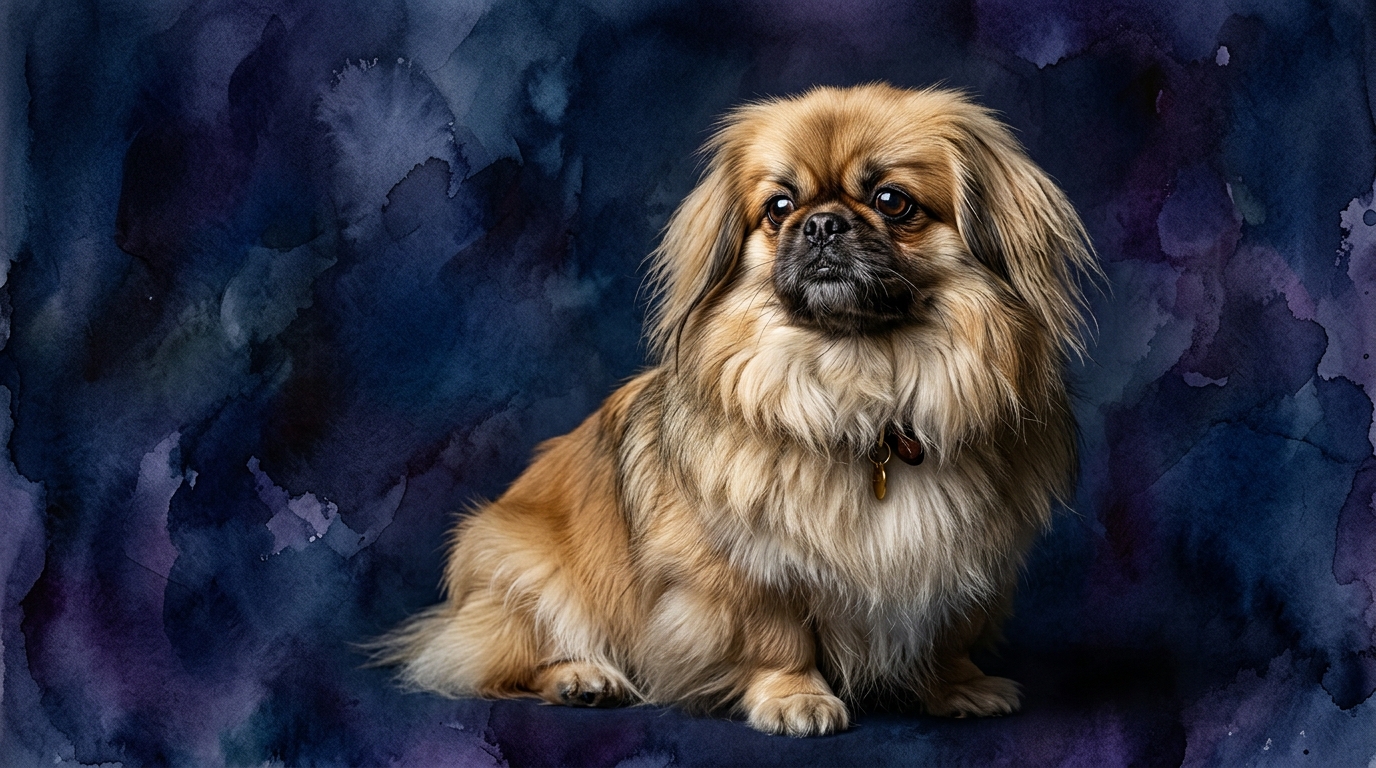
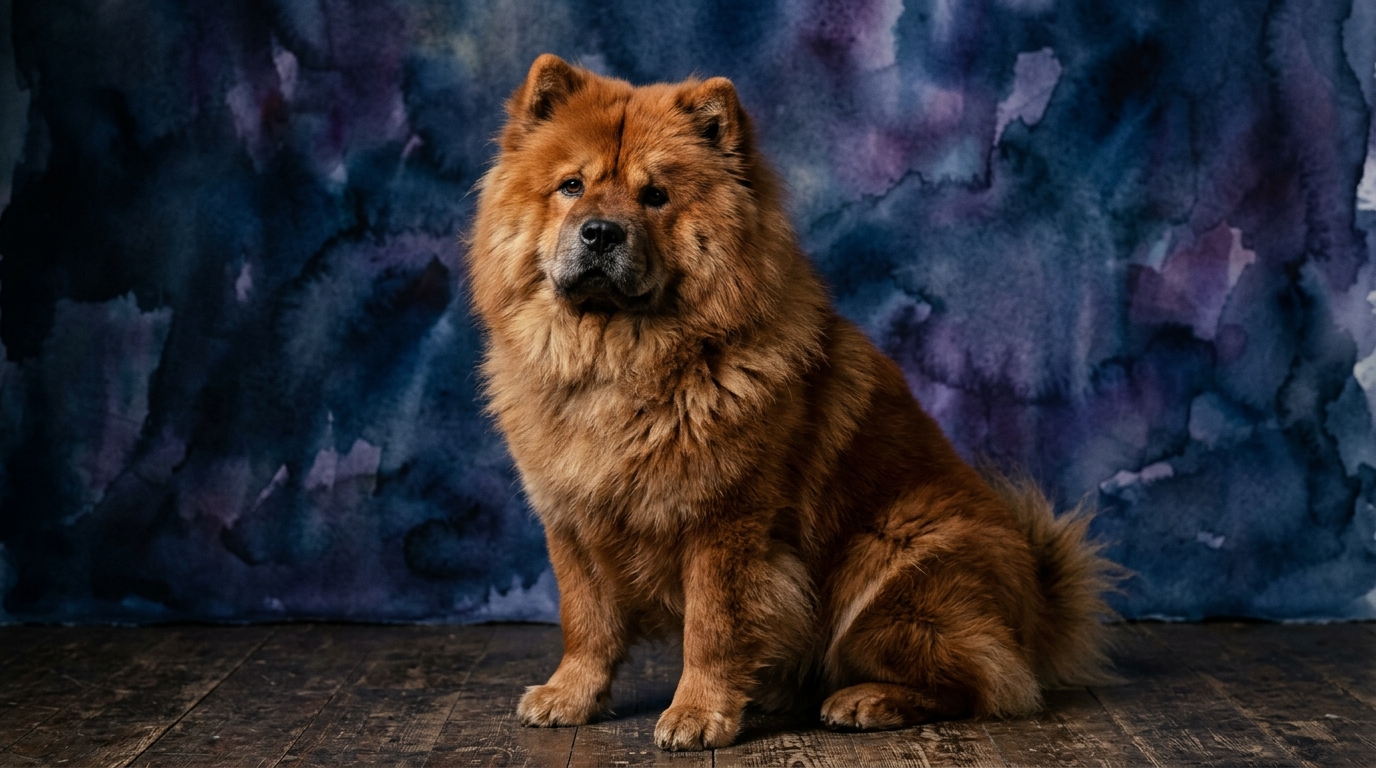
The Cosmic Pet Pet IQ Lab assigns both the Pekingese and the Chow Chow an identical 3/5 across all five cognitive dimensions: Problem Solving, Training Speed, Social Intelligence, Instinctive Drive, and Memory. While these scores suggest a moderate capacity in each area, the *manifestation* of these capabilities differs significantly due to their distinct histories and temperaments.
For the Pekingese, a 3/5 in Problem Solving indicates they can navigate complex home layouts or figure out how to access desired items like a favorite toy or a comfy spot, often requiring moderate persistence. Their Training Speed of 3/5 means they learn basic commands and routines at a steady pace, though their occasional independent streak might make them seem slower if not properly motivated. Social Intelligence at 3/5 suggests they read human moods and intentions adequately, forming strong, discerning bonds rather than being universally friendly. Instinctive Drive, also 3/5, could manifest as a protective streak over their preferred lap or person, or a moderate prey drive for small critters. Memory at 3/5 ensures they recall learned behaviors, routines, and experiences, making them reliable once a pattern is established.
The Chow Chow, with the same 3/5 scores, presents a different picture. Their 3/5 in Problem Solving implies they can assess situations and find solutions, often with a methodical, independent approach, such as figuring out how to get to a vantage point or bypass an obstacle. Training Speed at 3/5 means they absorb information, but their strong will dictates *when* they choose to apply it, demanding a patient and consistent trainer. Social Intelligence at 3/5 reflects their keen observational skills and ability to gauge intentions, but their aloof nature means they offer affection selectively and on their own terms. Their Instinctive Drive, rated 3/5, is often pronounced, particularly related to guarding territory or resources, requiring careful management and socialization. Memory at 3/5 ensures they remember training, positive and negative experiences, and the routines of their household, contributing to their consistent character.
Where the Pekingese Wins Cognitively
Despite identical numerical scores, the Pekingese often demonstrates a subtle cognitive advantage in areas related to companion living. Their centuries-long role as lapdogs means they might exhibit a slightly more refined ability in *subtle communication with their primary caregiver*, using nuanced body language or vocalizations to convey needs or desires within an intimate setting. Their smaller stature also means they are adept at *navigating complex indoor environments with precision*, perhaps finding hidden nooks or manipulating smaller household items.
Their social intelligence, while rated 3/5, may manifest as a more *nuanced understanding of human emotional states* within their small, intimate circle, allowing them to offer comfort or solicit attention with an almost intuitive timing. This capacity for finely tuned interaction, honed over generations of close human companionship, provides a distinct cognitive edge in the realm of domestic harmony.
Where the Chow Chow Wins Cognitively
The Chow Chow's historical roles as guardian and working dog lend itself to a different set of cognitive strengths. Their 3/5 in instinctive drive and problem-solving often coalesce into superior *observational awareness of their surroundings*, making them exceptionally good at detecting changes in their environment or identifying potential intruders. This vigilance is a cognitive strength rooted in their protective nature, allowing them to process sensory input with a specific purpose.
Their problem-solving might lean towards *strategic assessment of perceived threats or territorial boundaries*, rather than playful puzzles, demonstrating a practical application of their mental faculties. The Chow Chow's memory, while 3/5, is often exceptionally good for remembering past interactions and perceived slights, which contributes to their discerning and sometimes wary nature towards strangers. This capacity for long-term recall of social experiences provides a cognitive advantage for a breed that values consistency and clear boundaries.
Training: Patience is Key for Both, But for Different Reasons
Both breeds score 3/5 in training speed, suggesting they are not the quickest learners, but the underlying reasons for this moderate pace differ significantly. The Pekingese, while capable of learning, can be stubborn due to their dignified and independent nature. They often weigh commands against their own comfort or perceived benefit, meaning training requires consistent positive reinforcement and making the desired action appealing to them. They can form strong attachments, and their desire for interaction with their chosen people can be a powerful motivator.
The Chow Chow presents a more formidable training challenge due to their profound independence and strong will. They are not dogs that seek to please; rather, they evaluate commands based on their own internal logic. A 3/5 training speed for a Chow Chow means they *can* learn, but they require immense patience, unwavering consistency, and a deep understanding of their motivations. They will often understand a command but choose not to comply if they don't see the point or if it conflicts with their strong innate drives. Early socialization and consistent, fair, and engaging methods are absolutely critical to channel their cognitive abilities productively.
Lifestyle Match: Active Engagement vs. Quiet Confidence
When considering an owner's lifestyle, these two breeds diverge in their ideal match. The Pekingese generally suits relaxed owners who appreciate a dignified, affectionate companion content with a predominantly indoor lifestyle. They enjoy short, leisurely strolls and interactive play sessions, but their cognitive needs are primarily met through consistent routines, interactive toys, and quiet companionship within the home. An owner seeking a constant shadow or a dog eager for strenuous outdoor adventures may find the Pekingese's energy levels and preferences less aligned with their expectations.
The Chow Chow, conversely, suits owners who are calm, confident, and consistent, rather than necessarily 'active' in a high-energy physical sense. They require mental stimulation and structured training to thrive, but their exercise needs are moderate. They do best with owners who understand and respect their independent nature, providing clear boundaries and consistent, quiet leadership. They are not for owners seeking an overtly playful or highly obedient dog, but rather for those who appreciate a discerning, watchful companion who forms deep, private bonds on their own terms.
The Verdict
Choose the Pekingese when seeking a charming, affectionate companion content with a relaxed indoor lifestyle, and an owner who appreciates a dog with a subtle wit and a loving bond formed on their terms.
Choose the Chow Chow when an owner is prepared for a dog of immense dignity and independence, requiring consistent, patient training and a quiet, confident presence, appreciating their discerning loyalty and watchful nature.
🧠 Find Your Pet's IQ Score
Our Pet IQ Lab assessment covers 25+ tests across 5 cognitive dimensions — personalized to your breed.
Take the Full IQ Test →Frequently Asked Questions
Are Pekingese and Chow Chows difficult to train?
Both breeds are rated 3/5 for training speed, indicating moderate learning. Their primary challenge stems from their independent and strong-willed temperaments, requiring consistent positive reinforcement and patience rather than a lack of cognitive capacity. Success lies in understanding their unique motivations.
Do Pekingese or Chow Chows enjoy puzzles?
Both breeds, with a 3/5 in problem-solving, can engage with puzzles. Pekingese might prefer puzzles that offer a food reward or lead to comfort, while Chow Chows might approach them with a more deliberate, independent assessment, choosing to engage if they see value in the outcome.
How do their social skills compare?
Both have a 3/5 in social intelligence, but it manifests differently. Pekingese tend to be more openly affectionate with their chosen few, while Chow Chows are more reserved, observing and forming deep, private bonds with a select group, exhibiting their social understanding through quiet loyalty and discernment.