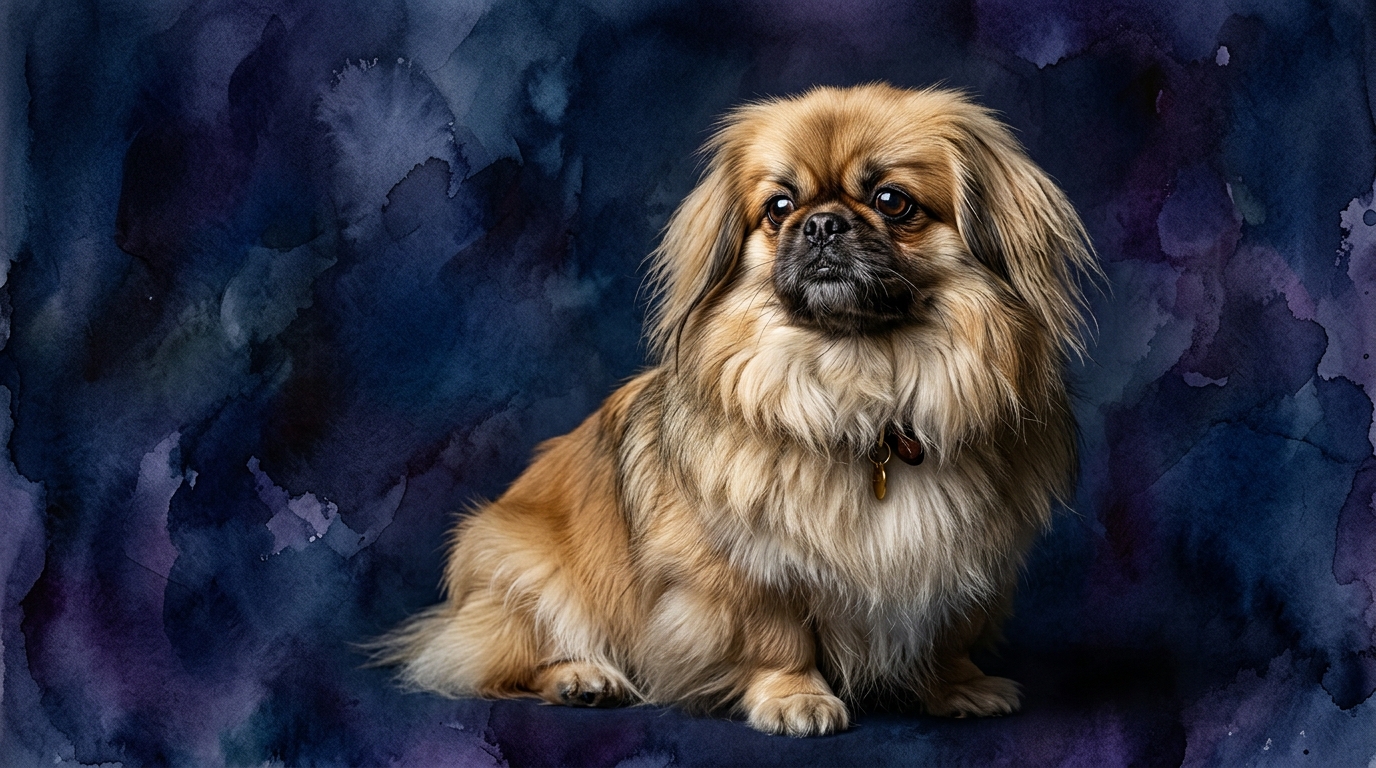
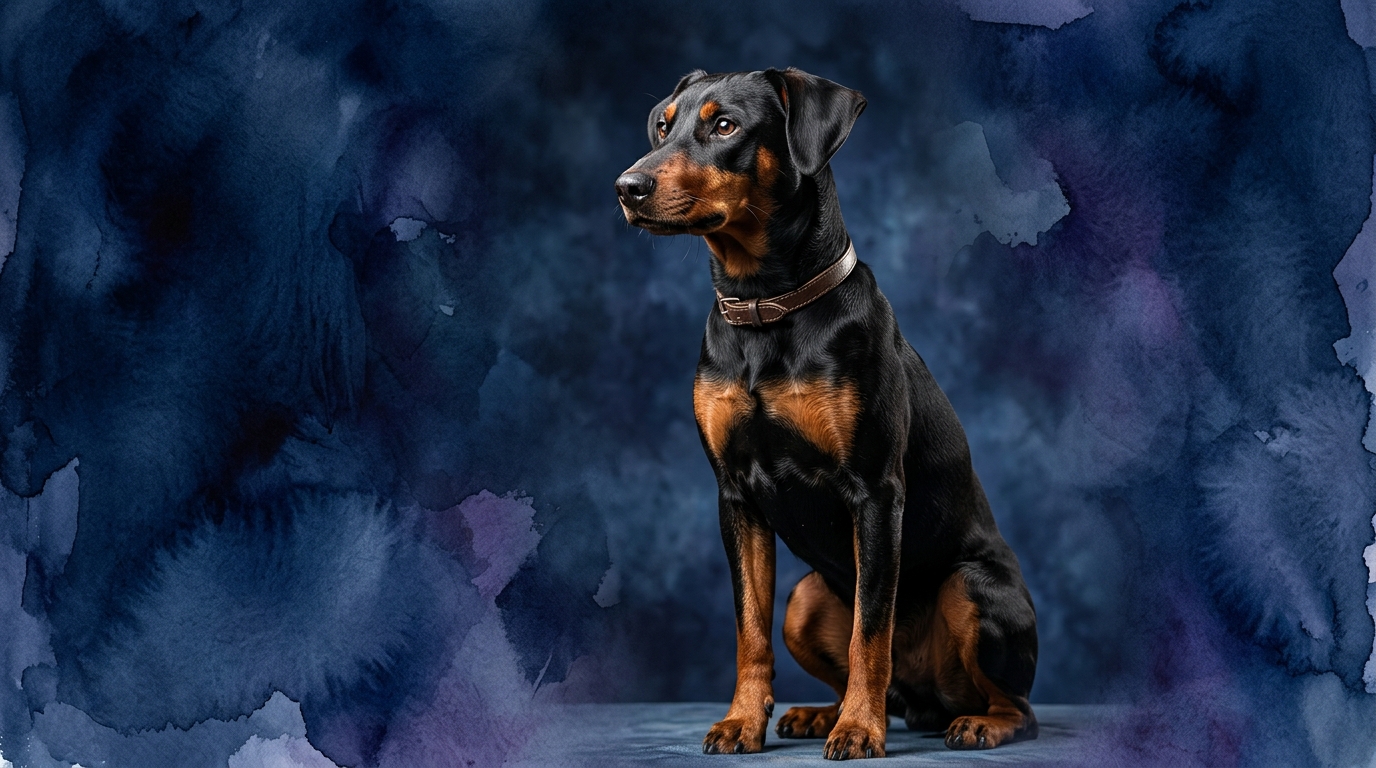
Side-by-Side Cognitive Profiles: Decoding Identical Scores
At first glance, the IQ Lab scores for the Pekingese and the German Pinscher present an intriguing puzzle: both breeds achieve a consistent 3/5 across all five measured dimensions. This numerical equality, however, belies significant differences in how these cognitive traits manifest within each breed, shaped by their distinct ancestral roles and inherent temperaments. Understanding these nuances is key to appreciating their unique forms of intelligence.
For Problem Solving (3/5), the Pekingese displays a pragmatic approach, adept at navigating their home environment to secure comfort, manipulate human attention, or avoid undesirable situations. Their cleverness is often self-serving and focused on achieving personal contentment. In contrast, the German Pinscher’s 3/5 in problem-solving reflects a resourceful and investigative nature, allowing them to figure out how to access new areas, manipulate objects, or overcome physical obstacles through persistent exploration. Their intelligence is geared towards practical, often physical, challenges.
When it comes to Training Speed (3/5), the Pekingese is capable of learning but their independent and sometimes stubborn disposition means compliance is often contingent on personal motivation, typically involving comfort, affection, or treats. Training requires patience and positive reinforcement, with short, engaging sessions. The German Pinscher, also scoring 3/5, grasps new commands quickly and often enjoys the process of learning. However, their high energy and spirited nature demand consistent, varied training to prevent boredom, responding best to clear guidance and mental challenges.
Social Intelligence (3/5) in the Pekingese is profoundly focused on their immediate human family, where they exhibit a nuanced understanding of routines and moods, forming deep, loyal bonds. They are discerning with strangers but excel at reading their trusted caregivers, often using their charm to solicit attention. The German Pinscher’s 3/5 social intelligence is characterized by a keen awareness of their family unit and surroundings, often acting as vigilant observers. They integrate well into family structures while maintaining a degree of independence, making them responsive partners in various social settings.
The Instinctive Drive (3/5) of a Pekingese is channeled primarily into companionship, comfort-seeking, and a territorial vigilance over their personal space and people, often expressed through alert barking. It’s a drive for devotion and protection of their immediate world. Conversely, the German Pinscher’s 3/5 instinctive drive is robust, manifesting as a strong prey drive, a need for purposeful activity, and a natural inclination for vigilance. This drive requires consistent outlets through structured exercise, training, and mental challenges to prevent restless or unwanted behaviors.
Finally, Memory (3/5) for the Pekingese involves a strong recall for routines, favored people, and specific locations within their home, contributing to their consistent behaviors and appreciation for predictability. The German Pinscher also exhibits excellent memory for learned commands, boundaries, and past experiences, retaining training well over time. This strong recall underscores the importance of early positive socialization to shape their responses to novel situations and people.
Cognitive Strengths: Where the Pekingese Shines
Despite sharing numerical scores, the Pekingese possesses distinct cognitive strengths rooted in its heritage as a companion breed. Their ability to read and subtly influence human emotions is remarkable; they are masters of charming their way into desired situations, whether it’s securing a prime lap spot or demanding a treat. This isn't just a learned behavior but a refined social intelligence that allows them to navigate complex household dynamics with finesse. They excel at resourcefulness when it comes to comfort and attention, often finding ingenious ways to make their preferences known and met.
Furthermore, their problem-solving, while not about complex puzzles, is acutely honed for personal gain. A Pekingese might not retrieve a dropped item on command, but they will expertly maneuver around obstacles to reach a discarded crumb or a favored toy. Their memory for routines and who provides the best cuddles or the most comfortable nap spot is impeccable, making them consistent in their affections and expectations. This breed demonstrates a unique, self-assured intelligence centered on their personal well-being and their bond with their chosen humans.
Cognitive Edge: German Pinscher's Intellectual Prowess
The German Pinscher, with its working heritage, demonstrates cognitive strengths that lean towards adaptability, vigilance, and sustained engagement. Their problem-solving is often practical and action-oriented; they can quickly assess a situation and devise a method to achieve a goal, whether it's figuring out a new game or navigating a novel environment. This breed's observational learning is a significant asset, allowing them to pick up on cues and patterns in their surroundings with speed, often anticipating events before they occur.
Their instinctive drive, while numerically similar, manifests as a powerful desire for purposeful activity, giving them an edge in sustained focus on tasks once engaged. Unlike the Pekingese's comfort-driven motivations, the German Pinscher thrives on mental stimulation and physical challenges, making them quick to learn complex sequences and versatile in various activities. Their memory for commands and boundaries is robust, contributing to their reliability and making them capable partners for owners who appreciate a dog that is always ready for the next adventure or learning opportunity.
Training Dynamics: Pekingese vs. German Pinscher
When evaluating ease of training, the identical 3/5 training speed scores require a deeper look into behavioral differences. The Pekingese, while capable of learning, often presents a challenge due to their independent and sometimes aloof nature. They are not inherently driven to please in the same way some other breeds are; their motivation typically stems from personal comfort or reward. This means training sessions must be kept short, positive, and engaging, with a focus on high-value treats or affection. Consistency is vital, but patience is paramount, as they can be quite stubborn when not in the mood.
The German Pinscher, on the other hand, often learns commands rapidly and enjoys the mental stimulation that training provides. However, their high energy and strong-willed personality mean that training requires an owner who is consistent, firm, and fair. Without clear boundaries and engaging activities, their intelligence and drive can lead to boredom, destructive behaviors, or a tendency to test limits. They thrive with varied training methods that challenge both their minds and bodies, making them responsive to an owner who can channel their spirited energy effectively. Therefore, while both learn, the *approach* and *owner commitment* required differ significantly.
Lifestyle Fit: Active Owners vs. Relaxed Companionship
The stark contrast in lifestyle suitability between these two breeds is where their identical IQ scores diverge most clearly in practical application. The Pekingese is an ideal match for relaxed owners or those living in smaller spaces. Their moderate instinctive drive of 3/5 is primarily satisfied through close companionship, short, leisurely walks, and a comfortable, predictable home environment. They are content to be lapdogs, observing the world from a secure vantage point, making them excellent companions for individuals seeking a devoted, low-key presence.
Conversely, the German Pinscher is unequivocally suited for active owners who can provide substantial daily exercise and consistent mental engagement. Their 3/5 instinctive drive translates into a need for purposeful activity, whether it's extended walks, running, agility training, or engaging in dog sports. They thrive when given a 'job' and require an owner who can commit to channeling their energy and intelligence productively. Without sufficient outlets, a German Pinscher can become restless, bored, and potentially destructive, making them a poor fit for sedentary lifestyles.
The Verdict
Choose the Pekingese if you desire a devoted, charming companion who thrives on close human interaction, values comfort, and fits seamlessly into a calm, predictable home environment.
Opt for the German Pinscher if you are an active owner or family prepared to provide consistent mental and physical challenges, appreciating a spirited, intelligent, and versatile partner for various activities.
🧠 Find Your Pet's IQ Score
Our Pet IQ Lab assessment covers 25+ tests across 5 cognitive dimensions — personalized to your breed.
Take the Full IQ Test →Frequently Asked Questions
Do the identical IQ scores mean Pekingese and German Pinschers learn exactly the same way?
While both breeds score 3/5 across cognitive dimensions, their learning styles and motivations differ significantly due to their distinct breed histories. Pekingese often learn through association with comfort and reward, while German Pinschers respond well to structured, engaging tasks that satisfy their working drives.
What are the main challenges when training a Pekingese?
The primary challenge with Pekingese training stems from their independent spirit and preference for comfort over strict obedience. They can be stubborn, requiring patient, positive reinforcement methods and short, fun sessions to maintain their interest and willingness to cooperate.
How does a German Pinscher's instinctive drive influence their behavior?
A German Pinscher's 3/5 instinctive drive translates into a strong need for mental and physical stimulation, manifesting as vigilance and a desire for purposeful activity. Without adequate outlets, this drive can lead to boredom, destructive behaviors, or excessive alertness, making consistent engagement crucial.