Side-by-Side IQ Profile: Unpacking the 3/5 Scores
The Cosmic Pet Pet IQ Lab employs a five-dimensional cognitive assessment to gauge canine intellect, providing a granular view beyond simple rankings. For both the Pekingese (Coren rank #77) and the Lhasa Apso (Coren rank #68), each of the five dimensions registers a consistent 3/5 score, indicating a moderate, capable level of cognitive function. However, the expression of these scores varies significantly between the breeds, reflecting their distinct historical roles and inherent temperaments.
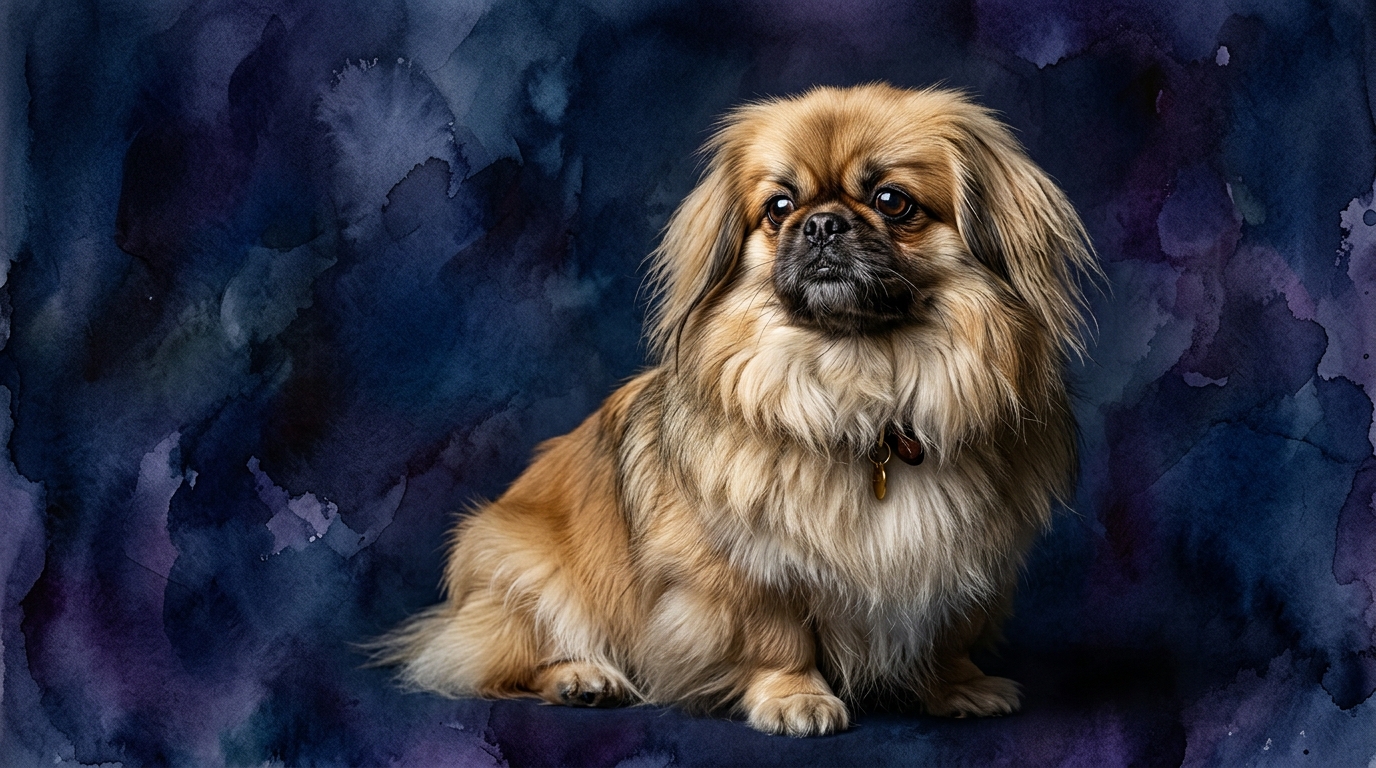
For the **Pekingese**, their 3/5 in **Problem Solving** suggests they are not typically quick to innovate novel solutions, often preferring established routines. Faced with new challenges, they may require patient, repeated guidance, or they might independently choose to ignore the task if it doesn't align with their immediate comfort or perceived benefit. Their **Training Speed** also at 3/5 means they are capable of learning, but often at their own unhurried pace. Their ancient role as revered companions meant they were rarely pressured to perform, contributing to a self-assured, sometimes stubborn, learning style. A 3/5 in **Social Intelligence** indicates an understanding of human cues and household dynamics, yet often on their own terms; they form deep bonds but can be selective with their affections and reserved with strangers. Their **Instinctive Drive** at 3/5 is moderate, often manifesting as a desire for comfort, attention from their chosen people, and a mild territoriality befitting a pampered guardian. Finally, their **Memory** (3/5) is solid for routines, familiar faces, and preferred spots, contributing to their consistent and predictable nature once they settle into a home.
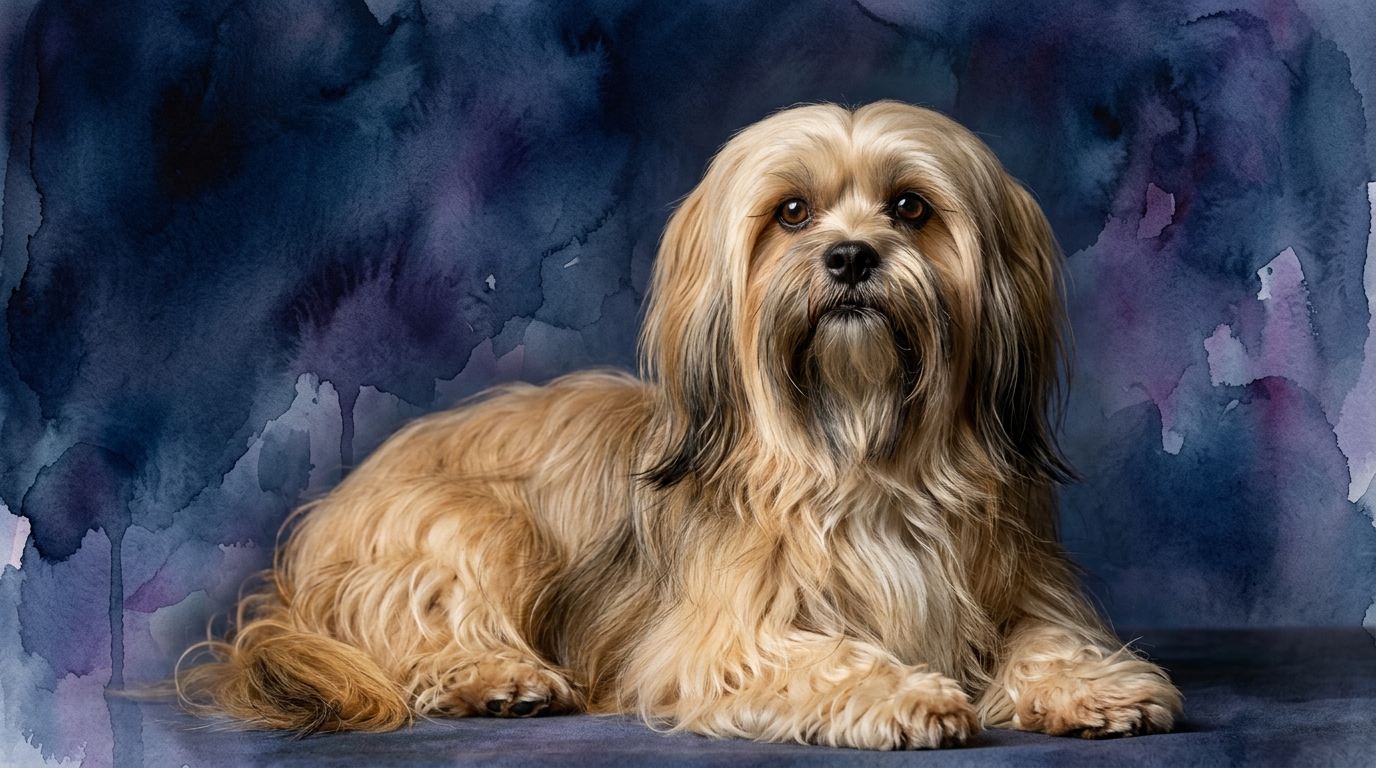
The **Lhasa Apso**, with their equally consistent 3/5 scores across the board, presents a different cognitive flavor. Their **Problem Solving** (3/5) is often driven by their independent nature; they are capable of figuring things out, especially if it involves securing their territory or achieving a desired outcome, even if it means devising their own method rather than following a human-prescribed one. Their **Training Speed** (3/5) is moderate, but their strong will means they might learn quickly but choose whether or not to comply based on their own assessment of the situation, often requiring consistent, positive motivation. A 3/5 in **Social Intelligence** means they are highly attuned to their family's emotions and intentions, but their historical role as watchful sentinels makes them reserved, even aloof, with outsiders, focusing their social acumen on their inner circle. Their **Instinctive Drive** (3/5) is notably channeled into their guardian instincts, manifesting as sharp vigilance, a quick alert bark, and a strong desire to protect their perceived domain. Their **Memory** (3/5) is excellent, particularly for territorial boundaries, family members, and any past interactions (positive or negative), contributing to their consistent watchfulness and loyal, if discerning, attachments.
Where the Pekingese Cognitively Excels
The Pekingese, despite its moderate scores, excels in areas reflecting its long history as a royal companion. Their cognitive strength lies in their ability to seamlessly integrate into a quiet, predictable household environment, often anticipating their owner's desire for peaceful companionship. They demonstrate a remarkable capacity for contentment within small, defined spaces, requiring less external mental stimulation in the form of complex tasks or extensive outdoor adventures. Their problem-solving, while not geared towards complex puzzles, is adept at navigating intricate social dynamics within their immediate family, understanding subtle cues for affection or personal space. This allows them to be incredibly self-sufficient in their emotional regulation, requiring less explicit direction than many breeds to find their happy place.
Where the Lhasa Apso Cognitively Excels
The Lhasa Apso's cognitive strengths are deeply rooted in its heritage as a sentinel in Tibetan monasteries. They exhibit a superior situational awareness, processing environmental stimuli with a keenness that surpasses many breeds of similar size. Their problem-solving is often applied to their perceived duty of protecting their domain, whether that means identifying unusual sounds, assessing new visitors, or finding the most strategic vantage point in a room. Their social intelligence, while selective, is profoundly focused on their inner circle, allowing them to discern subtle shifts in family dynamics and potential threats. This independent, watchful intellect means they are often one step ahead in monitoring their surroundings, making them exceptional alarm systems and discerning companions who take their role seriously.
Training Dynamics: A Battle of Wills?
When it comes to training, neither the Pekingese nor the Lhasa Apso offers a path of immediate, eager compliance, both holding a 3/5 rating for training speed. The Pekingese's moderate trainability is often tempered by their independent, somewhat regal demeanor. They learn, but often need to understand the personal benefit or be convinced that a command is worth their effort, rather than being driven by an intense desire to please. Their historical role as pampered lapdogs means they might resist tasks that disrupt their comfort or require excessive exertion, viewing training as an optional suggestion rather than a command. Patience, positive reinforcement, and making training feel like a game or a comfortable routine are essential.
The Lhasa Apso, while also at 3/5 for training speed, presents a different kind of challenge. Their independence is more rooted in their ancient guardian instincts, leading them to question commands and prefer to assess situations on their own terms. They are not unintelligent, but they are discerning and self-assured, often requiring an owner to demonstrate consistent, calm leadership and to prove the value of a command. They might learn a command quickly but then choose not to perform it if they don't see the immediate relevance or if they're preoccupied with their watchful duties. Training a Lhasa Apso demands unwavering consistency, clear boundaries, and appealing to their desire for structure and security rather than expecting blind obedience. Neither breed is for the faint of heart in training, but understanding their distinct motivations is key to success.
Ideal Owners: Active Minds vs. Relaxed Lifestyles
Matching a dog's cognitive needs to an owner's lifestyle is paramount for a harmonious relationship. The Pekingese is undeniably more suited for relaxed owners who appreciate a dignified, serene companion. Their mental stimulation comes primarily from observing their household, interacting with their chosen few, and enjoying predictable routines. While they enjoy short, leisurely strolls, they are not dogs that require extensive physical activity or complex mental challenges like agility courses. They thrive in quiet environments where they can be the center of gentle attention, content to be a cherished presence on a lap or nearby cushion. Their independent problem-solving is more about navigating the nuances of home life than tackling external puzzles.
The Lhasa Apso, while not requiring intense physical exercise, suits owners who can appreciate and manage a dog with a more active, watchful mind. Their cognitive needs are geared towards vigilance and monitoring their environment, a constant mental engagement rooted in their guardian heritage. They enjoy walks that allow them to survey their territory and investigate new scents, and they benefit from consistent routines that reinforce their sense of security. Owners who understand and respect their independent, discerning nature, and who can provide consistent, calm leadership, will find a deeply loyal, if opinionated, companion. They are not 'active' in a sporting sense, but their minds are perpetually engaged in their role as household sentinels, making them a good fit for owners who enjoy a dog with strong opinions and a keen awareness of its surroundings.
The Verdict
Choose the Pekingese if you desire a devoted, serene companion content with a quiet home life, appreciating subtle affection and a predictable routine, thriving on being pampered.
Choose the Lhasa Apso if you seek a vigilant, independent companion with a strong sense of loyalty and a watchful nature, suitable for an owner who provides consistent guidance and appreciates a dog with strong opinions and keen environmental awareness.
🧠 Find Your Pet's IQ Score
Our Pet IQ Lab assessment covers 25+ tests across 5 cognitive dimensions — personalized to your breed.
Take the Full IQ Test →Frequently Asked Questions
Are Pekingese and Lhasa Apso good with children?
Both breeds can be good with older, respectful children who understand how to interact gently. Their small size and independent nature mean they might not tolerate rough play, so supervision and teaching children appropriate interaction are crucial to a positive relationship.
Do these breeds require a lot of grooming?
Yes, both the Pekingese and Lhasa Apso possess long, flowing double coats that require significant grooming. Daily brushing is often necessary to prevent mats and tangles, and regular professional grooming can help maintain their luxurious fur and skin health.
What are the primary differences in their temperament?
The Pekingese tends to be more regal and independent, often described as having a 'cat-like' detachment, though deeply affectionate with their chosen family. The Lhasa Apso is also independent but possesses a stronger guardian instinct, making them more watchful, vocal, and potentially reserved or suspicious with strangers.