Side-by-Side IQ Profile: Pekingese vs. Xoloitzcuintli
The Cosmic Pet Pet IQ Lab assesses five key cognitive dimensions, and both the Pekingese and Xoloitzcuintli register a consistent 3 out of 5 across the board. This numerical parity, however, belies significant differences in how these breeds approach and interact with their world, rooted in their ancient lineages and divergent roles.
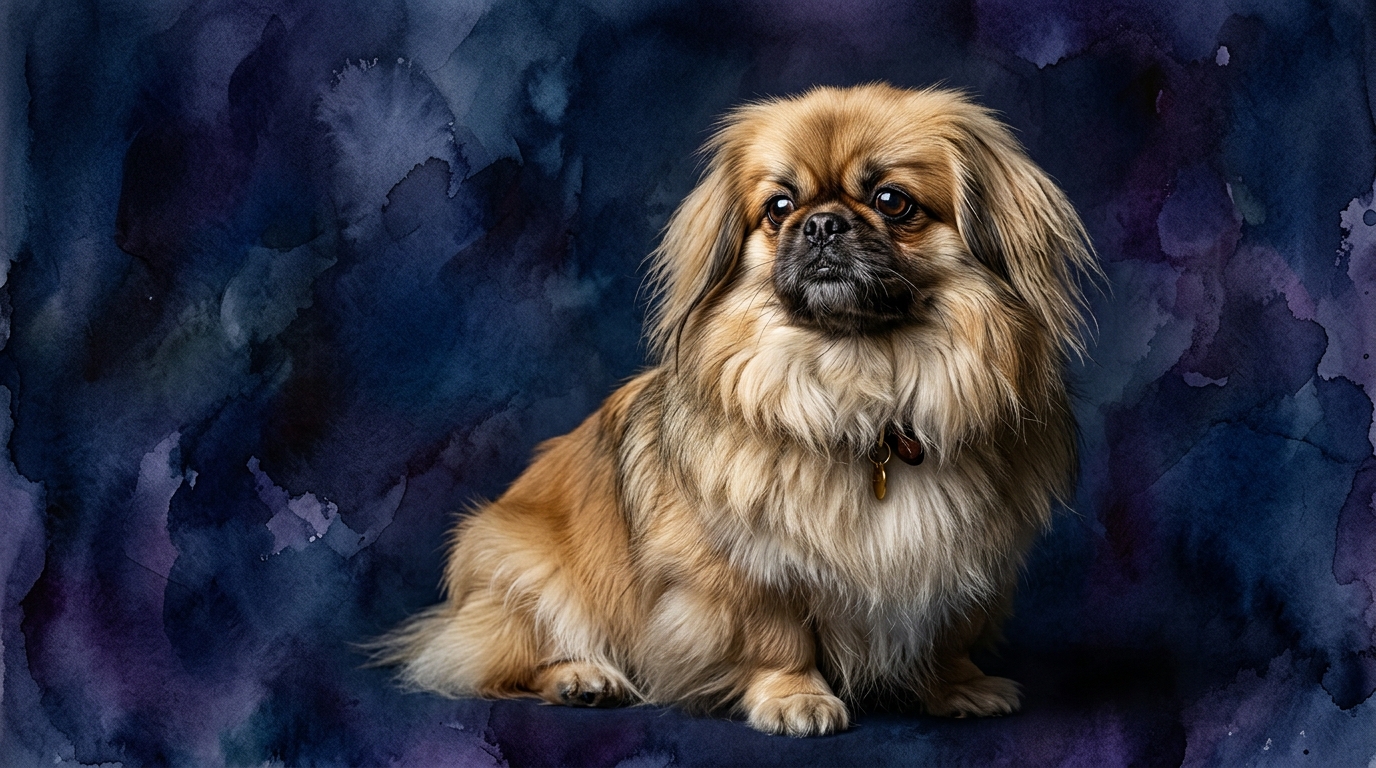
The Pekingese, a member of the Toy group and ranked #77 by Coren's studies, exhibits a Problem Solving score of 3/5. For this breed, problem-solving often involves navigating their human environment to secure comfort, attention, or preferred outcomes, using charm or a well-placed bark rather than complex spatial reasoning. Their Training Speed, also 3/5, indicates they are capable learners, but their independent spirit and a desire to operate on their own terms mean that consistency and motivation are paramount. Social Intelligence at 3/5 means they are highly attuned to their chosen human’s moods and routines, forming deep, companionate bonds, though they can be reserved with strangers. Their Instinctive Drive, 3/5, is largely focused on guarding their person and territory with surprising tenacity for their size, rather than traditional hunting or herding. Finally, their Memory, 3/5, allows them to retain routines, preferred interactions, and past experiences with a good degree of recall, particularly those linked to comfort or displeasure.
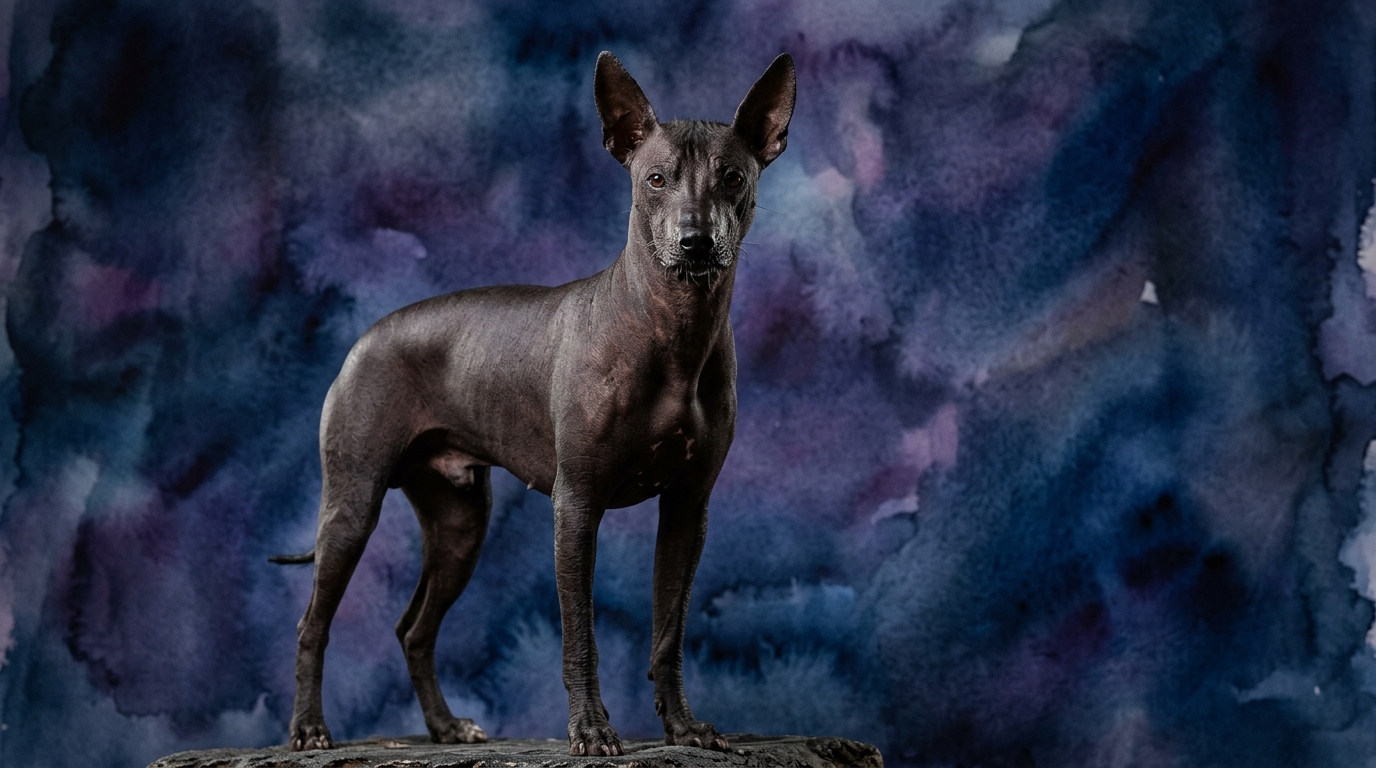
The Xoloitzcuintli, a Non-Sporting breed not specifically ranked by Coren, also scores 3/5 in all cognitive dimensions. Their Problem Solving at 3/5 is often expressed through quiet observation and independent assessment of new situations or environments. They might figure out how to access a desired area through trial and error, relying on their own judgment. Training Speed, 3/5, highlights their ability to learn efficiently, but their inherent sensitivity and independent nature mean that positive reinforcement and a gentle, consistent approach yield the best results. Social Intelligence, 3/5, manifests as profound loyalty and protectiveness towards their family, often displaying a discerning nature with strangers; they form strong, deep bonds within their trusted circle. Their Instinctive Drive, 3/5, is more primitive, encompassing strong guarding tendencies, an alert nature, and sometimes a moderate prey drive, reflecting their historical role as companion, hunter, and protector. Their Memory, 3/5, allows them to recall people, places, and experiences with good accuracy, learning from their environment and past interactions, especially those related to safety or comfort.
Where Pekingese Wins Cognitively
While both breeds share identical numerical scores, the Pekingese excels in certain cognitive applications relevant to their historical role as a pampered companion. Their 3/5 social intelligence often translates into a superior ability to subtly manipulate their human environment for personal gain. A Pekingese might master the art of the 'pout' or the perfectly timed nudge to secure a desired treat or lap access, showcasing a nuanced understanding of human behavior to achieve their objectives.
Their problem-solving at 3/5, though not geared towards complex puzzles, is highly effective in navigating the intricate social dynamics of a household. They are adept at figuring out precisely which family member is most susceptible to their charms at any given moment, or identifying the quickest route to a sunny spot or a comfortable bed. This social agility, combined with their persistent nature, allows them to consistently meet their own comfort-driven needs within a domestic setting more readily than many other breeds.
Furthermore, their memory at 3/5 is particularly strong for routines and the specific preferences of their favored humans. This allows them to anticipate events like meal times or walks, and to remember which actions typically elicit positive responses (or avoid negative ones), making them highly predictable and integrated companions in a structured home environment.
Where Xoloitzcuintli Wins Cognitively
The Xoloitzcuintli's 3/5 cognitive scores shine in areas reflecting their ancient, more primitive heritage. Their problem-solving ability, while numerically equal, often manifests as a more independent and environmentally aware approach. A Xolo is more likely to assess a novel situation or an unfamiliar object with quiet observation, formulating their own solution without immediate human direction, which can be invaluable in less structured or outdoor environments.
Their instinctive drive, also 3/5, gives them a distinct edge in environmental awareness and discernment. This breed possesses a natural vigilance, making them keenly attuned to changes in their surroundings and quick to identify potential anomalies. This isn't just about barking at strangers; it's about a subtle, internal processing of sensory information that allows them to act as effective, understated guardians, relying on their primitive instincts to evaluate situations.
Furthermore, their social intelligence at 3/5, while leading to reservation with strangers, fosters an intense, almost telepathic bond with their core family. This deep connection allows them to anticipate their owner's needs or moods with remarkable accuracy, often acting as a comforting presence or an alert companion without needing explicit commands. Their memory at 3/5 supports this, as they recall past interactions and perceived threats, contributing to their discerning and protective nature.
Which is Easier to Train and Why
Given that both breeds score 3/5 in training speed, neither is inherently 'easier' in a universal sense; rather, the ease of training depends significantly on the owner's approach and understanding of each breed's temperament. The Pekingese, despite its capacity to learn, often presents a challenge due to its independent and sometimes stubborn nature. They understand commands but may choose to comply only if it aligns with their immediate desires or perceived benefit. Training a Pekingese requires immense patience, consistent positive reinforcement, and a talent for making training sessions feel like their idea, often leveraging their love for comfort and food.
The Xoloitzcuintli, while equally capable of learning, requires a different training philosophy. Their inherent sensitivity means they thrive on gentle, positive reinforcement methods and can shut down or become resistant if training is harsh or inconsistent. They are observant and can learn quickly, but their independent spirit means they may question commands rather than blindly obey. A Xolo will excel with an owner who builds trust, uses clear communication, and respects their thoughtful, sometimes reserved, nature, making training a collaborative process rather than a directive one.
Ultimately, neither breed is suited for a novice trainer expecting immediate, unquestioning obedience. Both require an owner who understands their unique motivations and sensitivities. The 'ease' of training is less about raw speed and more about the owner's adaptability and willingness to engage with their specific cognitive and emotional landscape.
Which Suits Active Owners vs. Relaxed Owners
The choice between a Pekingese and a Xoloitzcuintli largely hinges on an owner's lifestyle regarding activity levels and desired companionship. The Pekingese is an ideal match for relaxed owners who appreciate a sedentary, indoor companion. Their minimal exercise requirements mean they are content with short strolls and ample indoor lounging. They thrive on close proximity to their humans and are perfectly satisfied being a lap warmer or a charming presence in a quiet home. Their cognitive needs are largely met through social interaction, comfort-seeking, and the occasional low-stakes 'problem' of getting attention or a treat, making them a low-physical-maintenance, high-affection companion.
Conversely, the Xoloitzcuintli, despite its calm demeanor indoors, is better suited for moderately active owners. As a primitive breed, they possess a need for regular physical exercise and mental engagement beyond just cuddling. Daily walks, opportunities to explore, and perhaps even participation in dog sports like agility or obedience can help satisfy their instinctive drives and prevent boredom. Their alert nature and independent problem-solving benefit from varied environments and consistent mental stimulation. Owners who enjoy outdoor activities and are prepared to provide structured engagement will find a Xolo to be a loyal and fulfilling companion, but they are not typically content to be purely decorative lapdogs.
The Verdict: When to Choose Each
The Verdict
Choose the Pekingese if you desire a charming, low-energy companion content with a relaxed, indoor lifestyle and are prepared to engage with a delightfully independent personality. They thrive in homes where their subtle social manipulations for comfort and attention are appreciated.
Opt for the Xoloitzcuintli if you seek a loyal, discerning, and moderately active companion that benefits from consistent mental and physical engagement. This breed suits owners who appreciate a thoughtful, sensitive, and protective presence and are prepared for a dog with primitive instincts and an independent streak.
🧠 Find Your Pet's IQ Score
Our Pet IQ Lab assessment covers 25+ tests across 5 cognitive dimensions — personalized to your breed.
Take the Full IQ Test →Frequently Asked Questions
Are Pekingese truly stubborn during training?
Pekingese have a 3/5 training speed, indicating they are capable learners but possess an independent streak. Their 'stubbornness' often stems from a strong will and a preference for doing things on their own terms, requiring patient and highly motivating training methods.
Do Xoloitzcuintli make good guard dogs?
Yes, Xoloitzcuintli possess a 3/5 instinctive drive and discerning social intelligence, making them excellent natural guardians. They are alert and protective of their family and home, often reserved with strangers, and quick to notice anything out of place.
How do their distinct histories influence their cognitive expressions?
The Pekingese's history as a pampered imperial companion shaped its social intelligence towards charming manipulation for comfort, while the Xoloitzcuintli's primitive background as a companion, hunter, and guardian fostered independent problem-solving and keen environmental awareness. Both manifest their 3/5 IQ scores through these distinct lenses.