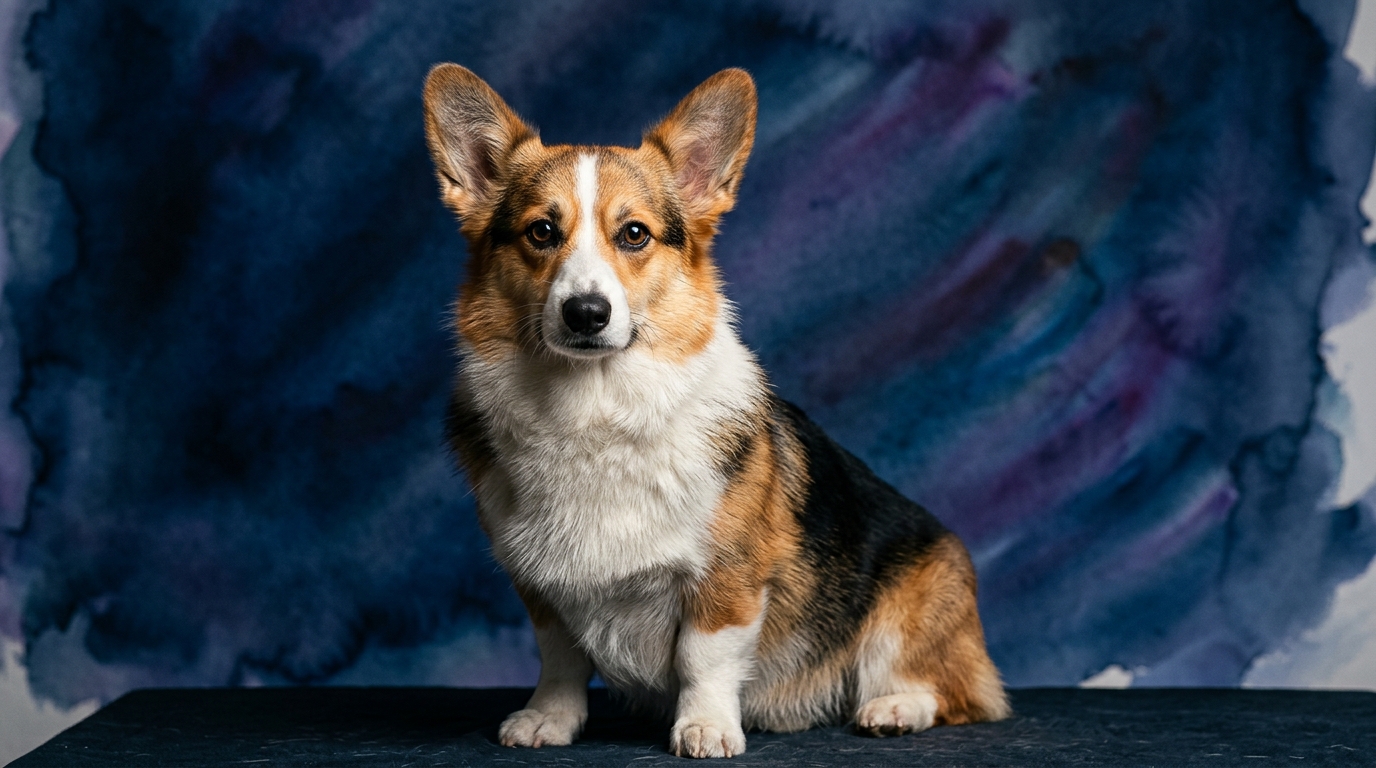
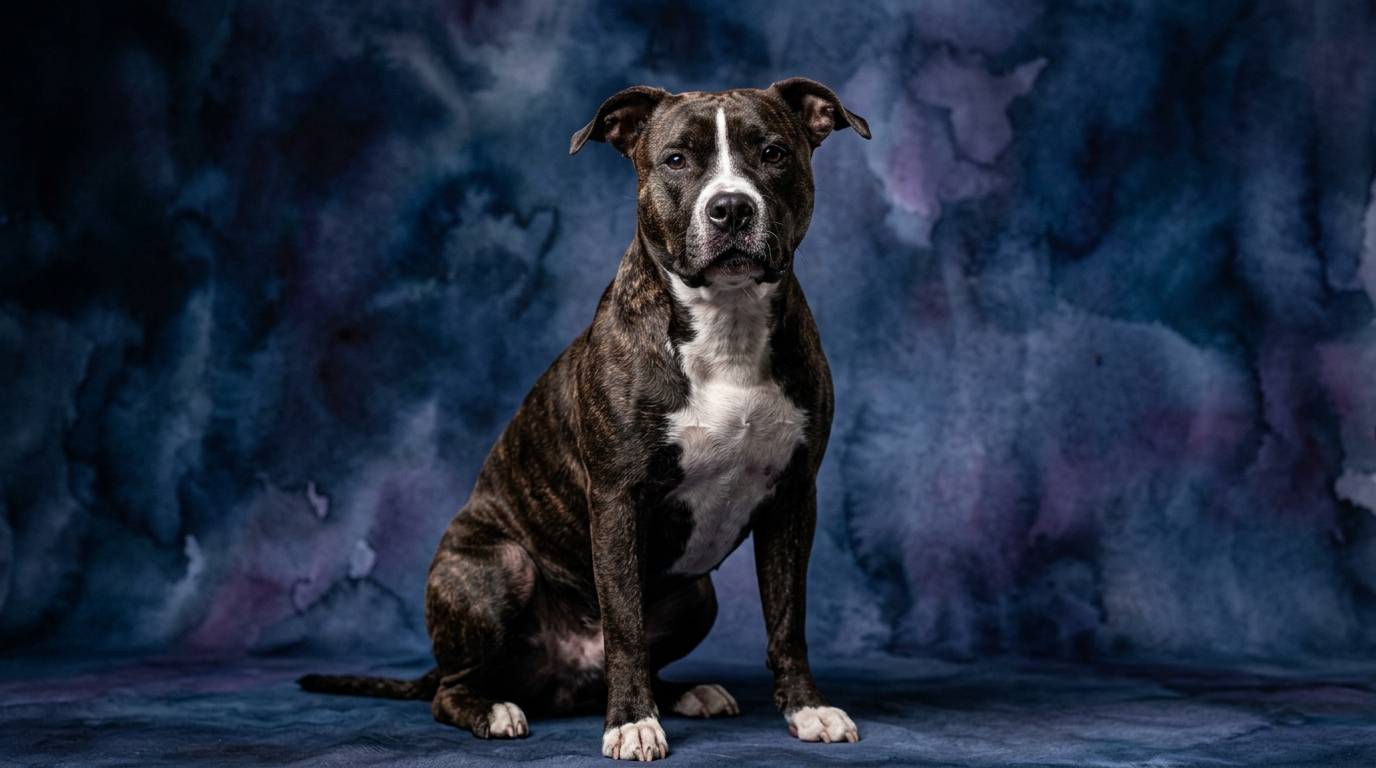
Side-by-Side Cognitive Profile: Corgi vs. AmStaff
The Pembroke Welsh Corgi, a breed rooted in herding, demonstrates a robust cognitive makeup across several dimensions. Their Problem Solving is rated 4/5, indicating a strong capacity to analyze situations and devise solutions, often independently. With a Training Speed of 5/5, Corgis are exceptionally quick learners, absorbing new commands and routines with impressive alacrity. Their Social Intelligence, at 4/5, points to a keen awareness of human emotional states and social cues, fostering deep bonds. A dominant Instinctive Drive of 5/5 means these dogs possess an inherent, powerful urge to work and direct, often manifesting as a desire to 'manage' their environment or family members. Finally, their Memory is rated 4/5, suggesting a solid ability to retain learned behaviors and past experiences, contributing to their consistent performance.
In contrast, the American Staffordshire Terrier, a breed known for its tenacity and loyalty, presents a different cognitive signature. Their Problem Solving is marked at 3/5, signifying a capable but perhaps less independently innovative approach to new challenges, often preferring to follow established patterns. A Training Speed of 3/5 indicates they are steady learners, requiring consistent and clear instruction but capable of mastering commands over time. Their Social Intelligence also stands at 3/5, suggesting a strong bond with their immediate family but potentially a more reserved or discerning approach to new people or social situations. The AmStaff's Instinctive Drive is 3/5, reflecting a moderate inherent drive, often expressed as a desire for companionship or structured activity rather than a persistent urge to herd or control. Their Memory, matching the Corgi at 4/5, highlights their ability to reliably recall training and experiences, making them consistent companions once trained.
Where the Pembroke Welsh Corgi Excels Cognitively
The Corgi's cognitive strengths are particularly evident in their rapid acquisition of new skills and their proactive approach to environmental challenges. With a Training Speed of 5/5, they are remarkably receptive to instruction, often picking up complex command sequences after only a few repetitions. This makes them adept candidates for obedience, agility, and even herding trials, where quick comprehension is paramount. Their Problem Solving score of 4/5 complements this, enabling them to apply learned behaviors to novel situations or independently figure out how to achieve a desired outcome, such as opening a gate or retrieving a specific toy. This cognitive agility allows them to adapt quickly to changing environments and learn from varied experiences, making them highly versatile companions.
Furthermore, the Corgi's high Instinctive Drive (5/5) means they possess a strong intrinsic motivation to engage and work, a cognitive trait that translates into eagerness to participate in training and activities. This drive, combined with their strong Social Intelligence (4/5), enables them to read human intentions and respond appropriately, making them highly cooperative partners. They are wired to anticipate and react, a legacy of their herding ancestry, where split-second decisions and precise movements were essential. This cognitive wiring makes them particularly responsive to handler cues and nuanced communication, often appearing to understand unspoken commands.
Cognitive Strengths Unique to the American Staffordshire Terrier
While the AmStaff's overall IQ scores are generally lower than the Corgi's, their cognitive profile reveals specific strengths rooted in their breed purpose and temperament. Their Memory score of 4/5, matching the Corgi, is a significant asset, ensuring that once a task or rule is learned, it is retained reliably. This consistency is invaluable for long-term training and establishing predictable routines, fostering a secure and confident companion. While their Training Speed is 3/5, this doesn't imply inability; rather, it suggests a need for clear, consistent, and patient instruction, which, once provided, leads to deeply embedded understanding and execution.
The AmStaff's Social Intelligence, rated 3/5, manifests as profound loyalty and dedication to their immediate family unit. This cognitive trait means they are highly attuned to the emotional states and needs of their core human companions, forming exceptionally strong bonds. Their Problem Solving at 3/5, while not as spontaneous as a Corgi's, often translates into a tenacious focus on a task once they understand it. They may not independently devise novel solutions as readily, but they will apply learned methods with great determination and persistence, which is a valuable cognitive attribute for tasks requiring sustained effort and concentration. Their moderate Instinctive Drive (3/5) can also be seen as a strength for owners seeking a companion less prone to constant 'busy work' and more content with structured engagement and downtime.
Which Breed is Easier to Train and Why?
Based on their cognitive profiles, the Pembroke Welsh Corgi is generally considered easier to train than the American Staffordshire Terrier. The Corgi's Training Speed of 5/5 signifies an exceptional ability to grasp new commands quickly, often requiring fewer repetitions to achieve mastery. Their high Problem Solving (4/5) further assists in training, as they are adept at understanding the 'why' behind a command and adapting their responses. For instance, a Corgi might quickly understand that nudging a specific lever releases a treat, generalizing this concept to other puzzle toys.
Conversely, the American Staffordshire Terrier's Training Speed of 3/5 means they learn steadily but may require more patience and consistency. While they are certainly trainable, they might not pick up complex sequences as rapidly as a Corgi. Their Problem Solving at 3/5 suggests they thrive on clear, step-by-step guidance rather than being left to figure things out independently. For example, an AmStaff might need more structured repetitions to learn a multi-step retrieve, whereas a Corgi might 'connect the dots' faster. AmStaffs can also exhibit a degree of stubbornness inherent to many terrier breeds, requiring a firm yet positive training approach that builds trust and motivation, making the process a bit more involved than with their Corgi counterparts.
Matching Cognitive Profiles to Owner Lifestyles
The Pembroke Welsh Corgi's cognitive profile makes them an excellent fit for active owners who enjoy engaging in mental and physical activities with their dogs. Their high Instinctive Drive (5/5) means they thrive when given a 'job' or regular opportunities to use their problem-solving skills, such as advanced obedience, agility, herding games, or complex puzzle toys. Owners who appreciate a dog that is always eager to learn and participate in varied activities will find the Corgi's cognitive agility and quick training speed deeply rewarding. They need consistent mental stimulation to prevent boredom and channel their innate herding tendencies constructively, making them less suitable for purely relaxed, sedentary lifestyles.
The American Staffordshire Terrier, with its more moderate Instinctive Drive (3/5) and steady Training Speed (3/5), can suit owners who are moderately active and appreciate a devoted, steadfast companion. While they benefit greatly from structured exercise and consistent training, they don't possess the same relentless drive for 'work' as a Corgi. Their strong Memory (4/5) and social intelligence (3/5, focused on family) mean they excel in environments where routines are clear and family bonds are paramount. They are well-suited for owners who enjoy daily walks, playtime, and dedicated training sessions, but also value a dog content to relax by their side. Their cognitive profile makes them adaptable to a variety of home environments, provided they receive consistent leadership and affectionate companionship.
The Verdict
Choose the Pembroke Welsh Corgi if you seek a highly trainable, mentally agile companion eager for complex tasks and dog sports, thriving on constant mental engagement and quick learning. Their quick wit and strong drive make them ideal for owners prepared to provide consistent stimulation.
Opt for the American Staffordshire Terrier if you desire a profoundly loyal, steadfast companion who thrives on consistent training, clear routines, and deep family bonds. Their tenacity and reliable memory make them excellent partners for dedicated owners willing to invest patience.
🧠 Find Your Pet's IQ Score
Our Pet IQ Lab assessment covers 25+ tests across 5 cognitive dimensions — personalized to your breed.
Take the Full IQ Test →Frequently Asked Questions
Are Pembroke Welsh Corgis prone to behavioral issues if not mentally stimulated?
Yes, due to their high Instinctive Drive (5/5) and Problem Solving ability (4/5), Corgis require significant mental engagement. Without adequate stimulation, they may develop undesirable behaviors like excessive barking, nipping at heels (herding instinct), or destructive chewing as they seek to entertain themselves and fulfill their inherent drive to 'work'.
How does the AmStaff's memory score impact their trainability?
The AmStaff's Memory score of 4/5 means that once they learn a command or routine, they retain it reliably. While their Training Speed is 3/5, suggesting a slower initial learning curve, their strong memory ensures that consistent training efforts pay off in long-term retention and predictable behavior, making them dependable companions.
Can an American Staffordshire Terrier excel in dog sports despite a lower Coren rank?
Absolutely. While their Coren rank of #48 and scores suggest a different cognitive style than a Corgi, AmStaffs can excel in various dog sports, particularly those valuing strength, agility, and focus, like weight pull, dock diving, or even obedience once trained. Their tenacity and loyalty, combined with a 4/5 memory, allow them to master tasks with dedicated, consistent training.