Side-by-Side Cognitive Profiles
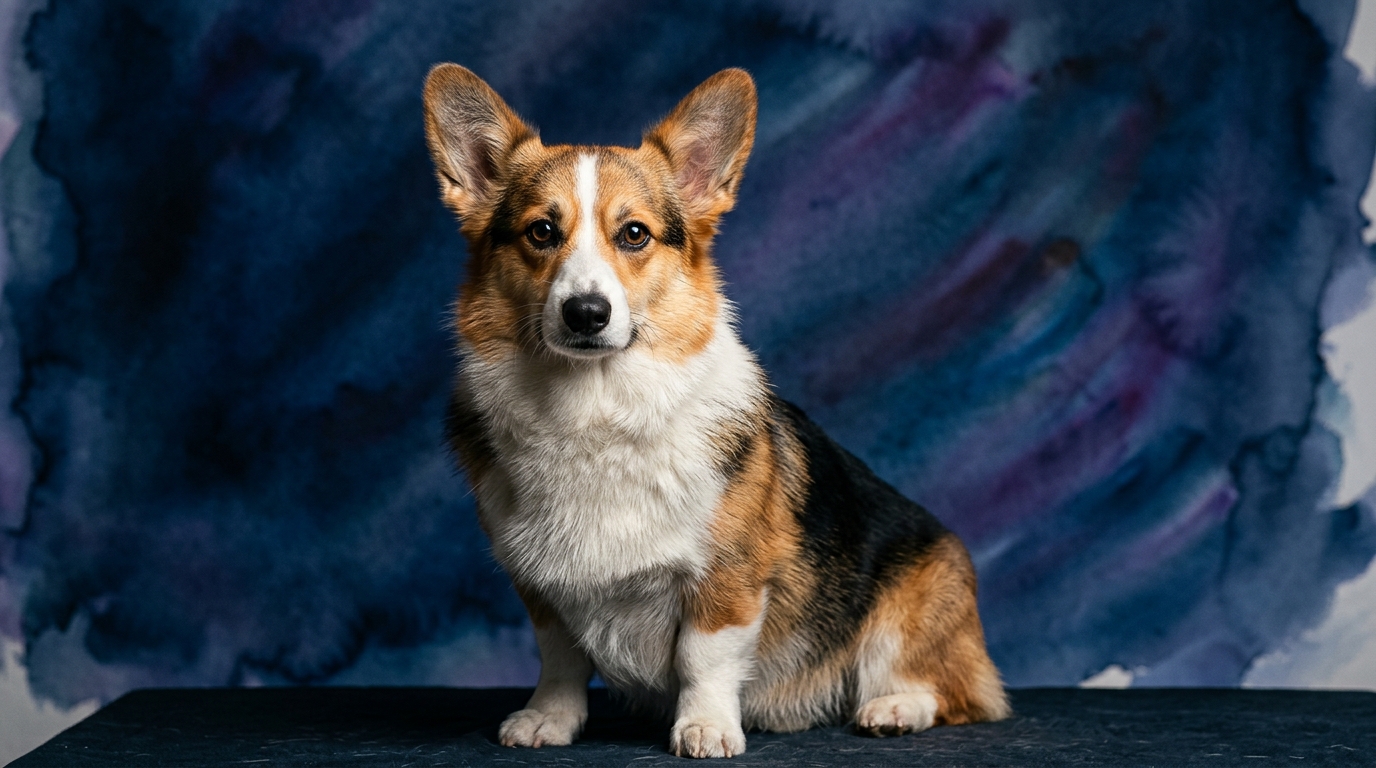
To understand the distinct mental landscapes of these two breeds, The Cosmic Pet Pet IQ Lab employs a five-dimensional framework. For the Pembroke Welsh Corgi, a Herding breed ranked #11 by Coren, their profile reflects a sharp, engaged mind. Their problem Solving is rated 4/5, indicating an adeptness at figuring out puzzles and devising creative solutions to perceived obstacles, often displaying proactive analytical thinking. Training Speed is a remarkable 5/5, meaning they are quick to grasp new commands and routines, showing a strong desire to learn and respond to human guidance, making them highly receptive. Social Intelligence stands at 4/5, as they are skilled at interpreting human cues and intentions, adapting behavior to social contexts, and forming strong bonds, though their herding instincts can sometimes manifest as bossiness. An Instinctive Drive of 5/5 means they possess a robust herding drive, desiring to gather and direct, alongside a keen alertness to surroundings and environmental changes. Finally, their Memory is 4/5, exhibiting strong recall for learned commands, routines, and experiences, aiding in consistent behavior and adaptability.
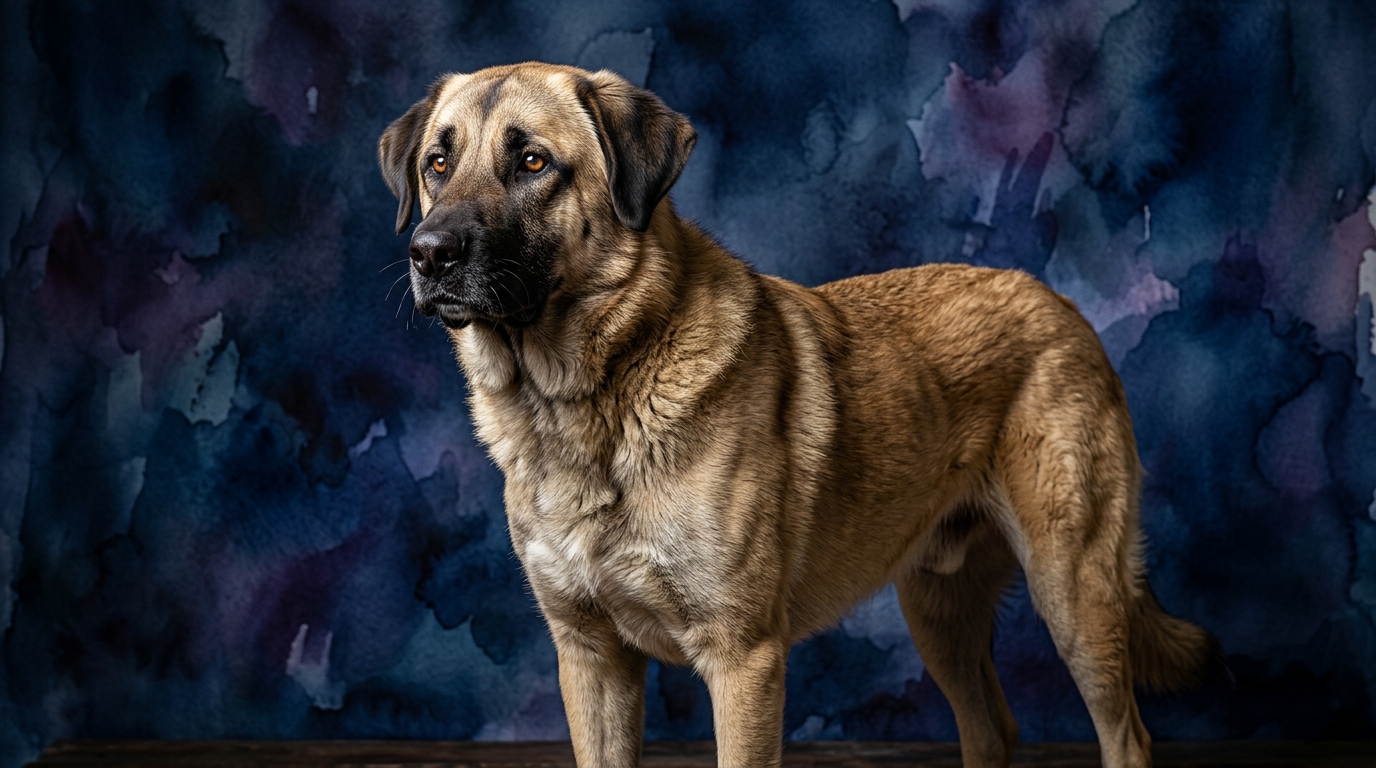
The Anatolian Shepherd Dog, a Working breed not ranked by Coren, presents a cognitive profile tailored to their independent guardian role. Their problem Solving is rated 3/5, indicating they are capable of independent thought and decision-making, particularly in their guardian role, often seeking task-oriented solutions rather than human-directed puzzles. Training Speed is 3/5, meaning they learn at a moderate pace, requiring patience and consistency due to their independence; they may choose to execute commands based on their own assessment. Social Intelligence is 3/5; they are observant of their family and discerning with strangers, forming deep loyalties but not always seeking constant human interaction or interpreting subtle cues widely. Their Instinctive Drive is 3/5, possessing a deep-seated guardian instinct for protection, expressed as watchful vigilance and measured response rather than high-energy engagement. Their Memory is 3/5, as they retain important information related to territory, family, and perceived threats, but recall for repetitive, non-essential commands may need more reinforcement.
Where the Pembroke Welsh Corgi Excels Cognitively
The Pembroke Welsh Corgi demonstrates superior cognitive agility in several key areas. Their Coren ranking of #11 positions them among breeds with a remarkable capacity for understanding new commands quickly, often with minimal repetitions. This rapid assimilation of information is reflected in their 5/5 training speed score, indicating an exceptional ability to link actions with consequences and respond promptly. Furthermore, their problem-solving score of 4/5 highlights a propensity for analytical thinking and creative strategizing, whether for a treat puzzle or an agility course. This cognitive flexibility allows them to adapt swiftly to new situations and learn from experiences. Their robust instinctive drive (5/5) translates into an alert awareness and a natural inclination to engage, a powerful asset in learning. This drive, combined with strong social intelligence (4/5), enables them to not only understand human directives but also anticipate them, making them highly cooperative. Their memory (4/5) ensures lessons are retained effectively, contributing to consistent performance.
Where the Anatolian Shepherd Dog Excels Cognitively
While the Anatolian Shepherd Dog's IQ scores may appear lower, their cognitive strengths are uniquely tailored to their ancient purpose. Their problem-solving (3/5) and instinctive drive (3/5) scores reflect a profound capacity for independent decision-making and autonomous action, crucial for a livestock guardian. This independent thought is a sophisticated form of problem-solving, not in puzzles, but in real-world scenarios requiring vigilance and judgment without direct human input. Their social intelligence (3/5) is finely tuned to their protective role, allowing them to accurately distinguish between threats and non-threats, forming deep, discerning bonds with family while maintaining wariness of strangers. Their memory (3/5) is particularly strong for territorial boundaries, charges, and environmental routines, enabling consistent vigilance. The Anatolian's cognitive profile is less about quick obedience and more about steady, reliable judgment and unwavering dedication to protective duties, demonstrating a different, valuable form of working intellect.
Training Dynamics: Corgi vs. Anatolian
When considering ease of training, the Pembroke Welsh Corgi distinctly holds the advantage. Their exceptional training speed (5/5) means they typically pick up new commands with minimal repetition, possessing a strong desire to please and responding well to positive reinforcement. Their herding background instills a natural inclination to work in partnership and respond to direction, making them highly receptive. A Corgi's cognitive makeup allows them to quickly form associations between commands and actions, making them a rewarding breed for those who enjoy structured training sessions and canine sports. They thrive on mental engagement that challenges their problem-solving abilities and instinctive drives, viewing training as a cooperative venture.
Conversely, the Anatolian Shepherd Dog, with a training speed of 3/5, presents a more significant challenge. Their deep-rooted independence, a hallmark of their guardian heritage, means they are bred to think for themselves rather than blindly obey. While capable of learning, they require consistent, patient, and firm guidance, and may question a command's necessity if it doesn't align with their perceived duties or priorities. They are self-reliant; their recall might be excellent for a perceived threat, but less so for a 'frivolous' game of fetch if they deem it unimportant. Training an Anatolian requires understanding their inherent drive and building respect and trust, rather than demanding immediate compliance. Their cognitive strengths lie in their ability to make independent judgments in complex, real-world scenarios, which often means they prioritize their own assessment over a human's command if a conflict arises.
Lifestyle Suitability: Active vs. Relaxed Owners
For active owners seeking a canine companion for various adventures, the Pembroke Welsh Corgi is often more suitable. Their high instinctive drive (5/5) and mental agility demand regular engagement, making them excellent partners for obedience, agility, herding games, or extensive daily walks. They thrive on having a 'job,' even learning new tricks, and require consistent physical and mental stimulation to prevent boredom and channel their herding instincts appropriately. A Corgi will happily join a brisk hike or long play session, eager to participate in family activities and mental challenges. Their moderate size and robust constitution make them versatile companions for a range of active lifestyles.
In contrast, the Anatolian Shepherd Dog, while needing significant space and activity, suits owners appreciating a more relaxed, watchful presence rather than a constant playmate. Their energy expenditure is often vigilant patrolling and surveying territory, not high-octane bursts of play. They need ample room to roam and observe, ideal for owners with large, securely fenced properties where they can fulfill their guardian role. While needing regular exercise to maintain physical health, their mental stimulation comes primarily from their guardian duties and assessing their environment. A relaxed owner who understands the Anatolian's independent, protective nature and provides a calm, structured environment with a clear purpose will find a loyal, steadfast companion. They are not typically suited for apartment living or owners who cannot provide a dedicated 'flock' or territory to guard, as their cognitive framework is geared towards autonomous protection.
The Verdict
Choose a Pembroke Welsh Corgi if you seek an eager-to-learn, highly trainable companion for active endeavors and enjoy engaging in varied mental and physical activities with your dog. They thrive on partnership and excel in environments where their quick wits and social intelligence are regularly stimulated.
Opt for an Anatolian Shepherd Dog if you are an experienced owner with a large property, seeking a self-reliant, watchful guardian whose purpose is to protect rather than to constantly entertain or obey immediately. Their deep loyalty and independent judgment make them exceptional working companions for the right environment.
🧠 Find Your Pet's IQ Score
Our Pet IQ Lab assessment covers 25+ tests across 5 cognitive dimensions — personalized to your breed.
Take the Full IQ Test →Frequently Asked Questions
Is the Anatolian Shepherd Dog difficult to train?
The Anatolian Shepherd Dog is not inherently difficult but requires a specific approach due to their independent, guardian nature. They learn at a moderate pace (training speed 3/5) and often need consistent, patient training that respects their self-reliant decision-making. Success comes from building trust and demonstrating why a command is relevant, rather than expecting immediate, unquestioning obedience.
Do Pembroke Welsh Corgis have strong instincts?
Yes, Pembroke Welsh Corgis possess a robust instinctive drive (5/5), primarily their herding instinct. This manifests as a natural inclination to gather, direct, and be acutely aware of their surroundings, which can be channeled into various activities like herding trials or agility, or require management in a home setting to prevent nipping at heels.
Which breed is better for first-time dog owners?
The Pembroke Welsh Corgi is generally a more suitable choice for first-time dog owners due to their higher training speed (5/5), desire to please, and adaptability. The Anatolian Shepherd Dog's strong independent streak and specific guardian needs typically require an owner with experience in handling large, self-thinking breeds and providing a clear role.