Side-by-Side Cognitive Profiles: Pembroke Welsh Corgi vs. Border Terrier
The Cosmic Pet Pet IQ Lab employs five key dimensions to evaluate canine intelligence, offering a granular view beyond general rankings. Let's explore how the Pembroke Welsh Corgi and Border Terrier stack up.
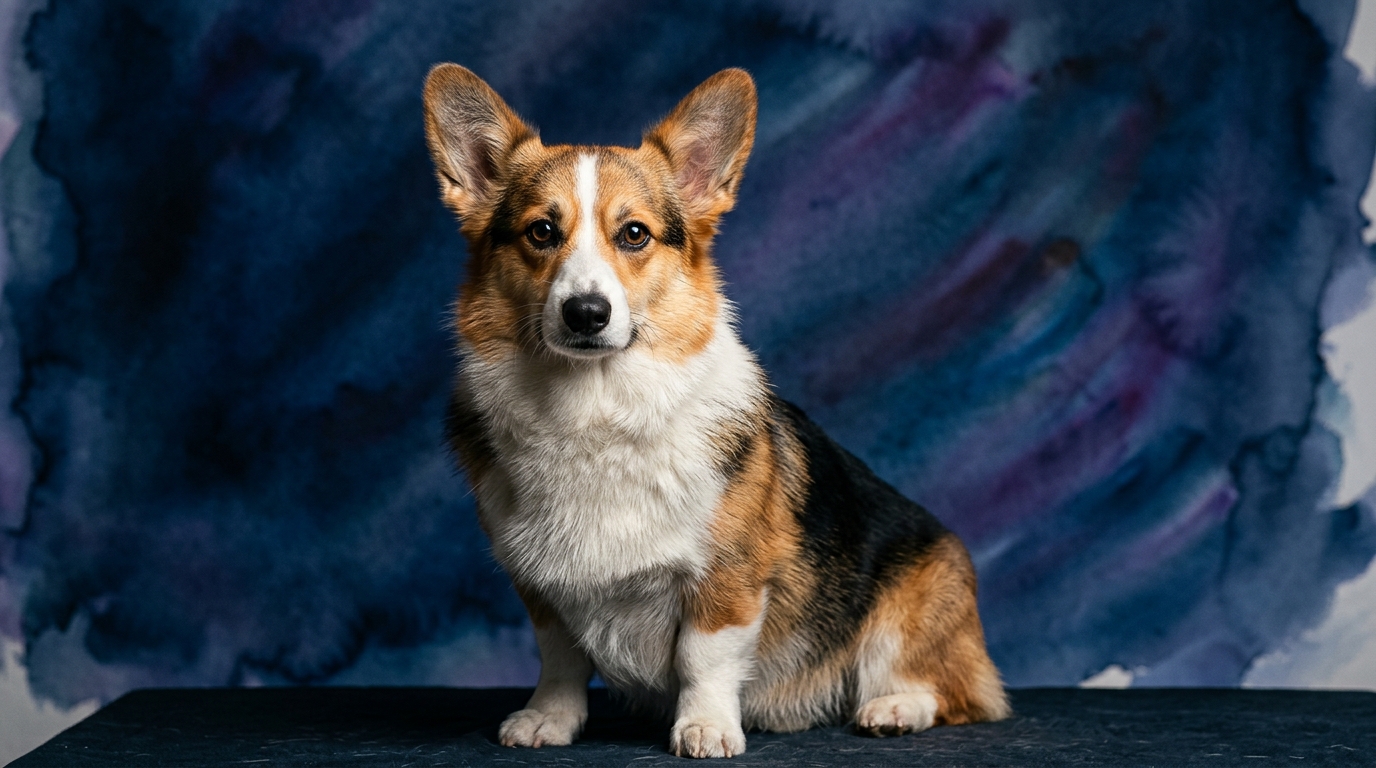
**Pembroke Welsh Corgi (Herding, Coren Rank #11):** This breed showcases a cognitive makeup optimized for cooperative work. Their **Problem Solving** is rated at 4/5, indicating a strong capacity for understanding complex situations and applying learned rules. **Training Speed** stands out at an exceptional 5/5, reflecting their rapid grasp of new commands and routines. **Social Intelligence** is robust at 4/5, enabling them to keenly interpret human cues and intentions, fostering strong bonds. Their **Instinctive Drive** is a powerful 5/5, manifesting as a persistent motivation for engagement and purpose within a structured environment. Finally, their **Memory** is solid at 4/5, allowing them to effectively retain learned information and experiences.
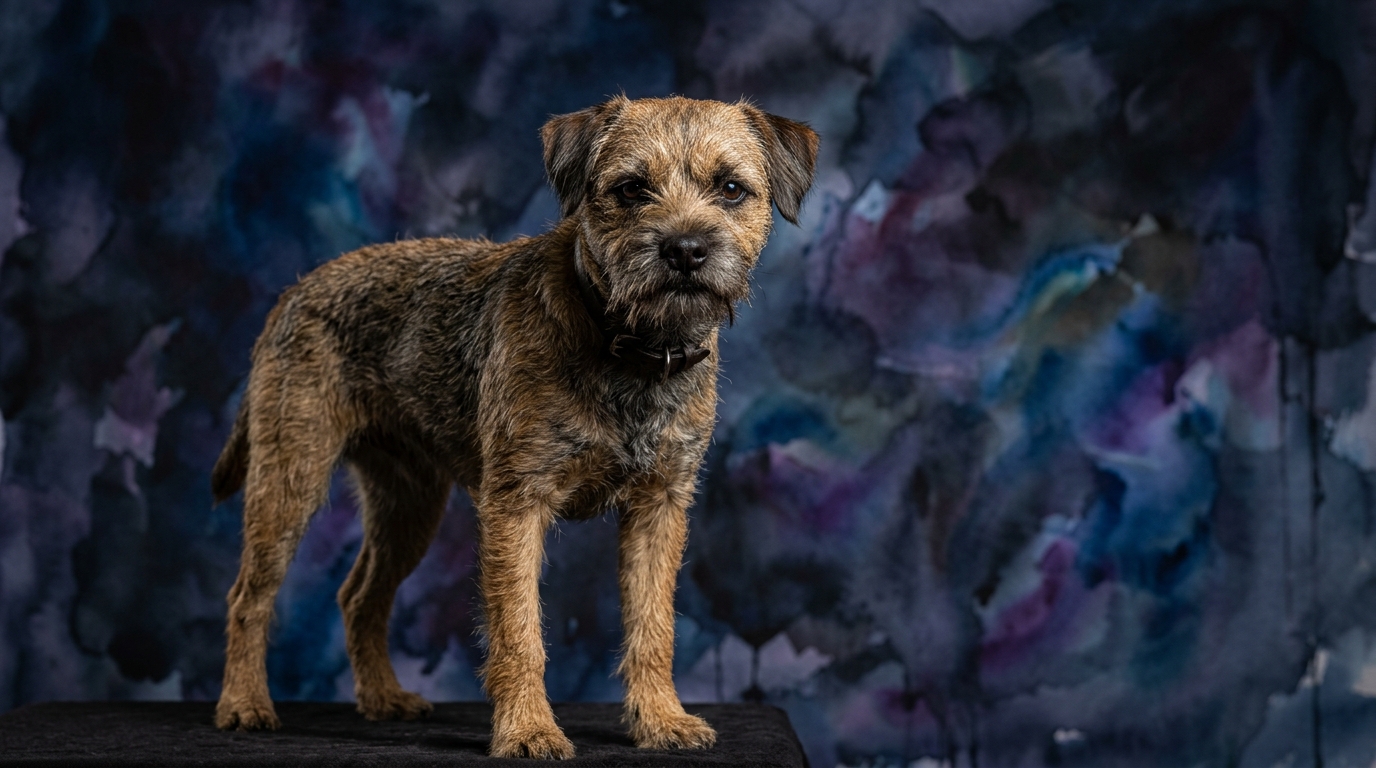
**Border Terrier (Terrier, Coren Rank #30):** The Border Terrier's profile reflects a history of independent, tenacious work. Their **Problem Solving** matches the Corgi at 4/5, but often involves resourceful, self-directed solutions honed by solitary vermin hunting. **Training Speed** is a respectable 4/5, indicating they are capable learners, though perhaps preferring to process information on their own terms. **Social Intelligence** is rated 3/5, suggesting a more functional, independent approach to interactions rather than nuanced emotional reciprocity. Their **Instinctive Drive** is 3/5, primarily focused on their independent hunting instincts rather than a strong compulsion for human-directed tasks. Their **Memory** is also strong at 4/5, enabling them to recall locations, scents, and effective problem-solving strategies over time.
Where the Pembroke Welsh Corgi Cognitively Excels
The Pembroke Welsh Corgi demonstrates distinct cognitive advantages in areas rooted deeply in its herding heritage. Their **Training Speed (5/5)** is particularly noteworthy, indicating an exceptional ability to quickly grasp and execute new commands, making them highly receptive pupils. This rapid learning isn't just about repetition; it's profoundly fueled by a superior **Social Intelligence (4/5)**, allowing them to keenly observe and respond to human cues, intentions, and even subtle shifts in body language. A Corgi's capacity to 'read' its handler means they often anticipate instructions, streamlining the entire learning process and fostering a seamless partnership.
Furthermore, their powerful **Instinctive Drive (5/5)** is primarily directed towards cooperative tasks. This isn't merely an urge to be active, but a profound motivation to work *with* a human partner, embodying a deep-seated desire for purpose and contribution within a structured environment. This drive translates into a persistent willingness to engage in training and perform tasks, often with an enthusiasm that makes them seem tirelessly dedicated. For owners seeking a dog that thrives on collaborative learning and human interaction, the Corgi's cognitive profile offers a compelling partnership, excelling in rapid assimilation of complex, human-directed tasks.
Where the Border Terrier Cognitively Excels
While their Coren rank places them lower, the Border Terrier's cognitive strengths lie in areas distinct from cooperative herding, showcasing a different kind of mental prowess. Both breeds share an equal **Problem Solving (4/5)** and **Memory (4/5)** rating, yet the Border Terrier often applies these capacities with a unique independent flair. Their problem-solving is less about following human direction and more about self-initiated strategy, honed by centuries of solitary vermin hunting. This means they excel at figuring out challenges on their own, whether it's navigating a complex scent trail or devising a way to access a desired object, often through persistent and inventive methods.
Their memory serves this independence well, allowing them to recall successful individual tactics and apply them to new, similar situations without constant human prompting. While their **Social Intelligence (3/5)** is lower, this can be interpreted as a strength in contexts demanding self-reliance; they aren't constantly looking to a human for guidance, making them resilient and capable of autonomous action in novel environments. Their lower **Instinctive Drive (3/5)** for human-directed tasks paradoxically reinforces their capacity for autonomous exploration and determined pursuit of their own interests, a distinct cognitive advantage when a task requires self-motivation rather than collaborative effort, such as tracking or independent investigation.
Trainability: Corgi's Eagerness vs. Border Terrier's Independence
The **Pembroke Welsh Corgi** generally presents as the easier breed to train, a direct reflection of its superior **Training Speed (5/5)** and higher **Social Intelligence (4/5)**. Corgis are inherently motivated by interaction and approval from their human companions, making them exceptionally receptive to positive reinforcement. Their ancestral role as herders required them to respond swiftly and accurately to complex commands, often from a distance, fostering a cognitive makeup that prioritizes understanding and compliance. This means they typically pick up new behaviors and cues with remarkable alacrity, often eager to please and quick to form associations between actions and rewards, making training a highly rewarding and efficient process.
The **Border Terrier**, with its **Training Speed (4/5)**, is certainly capable of learning, but its training journey often requires more patience and a different approach. Their historical function as independent hunters of vermin instilled a strong sense of self-reliance and tenacity. This manifests as a more independent decision-making process, where they might weigh their own inclinations against a human's command. Their lower **Social Intelligence (3/5)** means they aren't as driven by human validation, and their **Instinctive Drive (3/5)** is more internally focused on scent work and pursuit rather than cooperative tasks. Consequently, Border Terriers can sometimes exhibit a stubborn streak, requiring trainers to be consistent, creative, and understand that their 'slower' training speed often stems from a thoughtful, independent nature rather than a lack of cognitive ability. They learn, but often on their own terms and timeline, valuing their autonomy.
Matching Breeds to Lifestyles: Active Engagement Defined Differently
Both the Pembroke Welsh Corgi and the Border Terrier are breeds that benefit from active engagement, but the *nature* of that activity differs significantly, making them suitable for different types of 'active' owners. The **Pembroke Welsh Corgi**, with its powerful **Instinctive Drive (5/5)** and high **Training Speed (5/5)**, is ideal for owners who enjoy structured activities and collaborative work. Corgis thrive when given a 'job,' whether that's advanced obedience, agility, herding trials, or complex trick training. Their mental stimulation requirements are high, often satisfied through engaging training sessions that leverage their problem-solving skills and desire to interact. A Corgi owner should be prepared for daily walks, but more importantly, for regular mental challenges that tap into their cooperative spirit; they need to *think* and *work* with their human.
The **Border Terrier**, while also requiring activity, often prefers a more independent and exploratory form. Their equal **Problem Solving (4/5)** and **Memory (4/5)**, combined with a lower **Instinctive Drive (3/5)** for human-directed tasks, means they excel at activities that mimic their hunting heritage. Long walks or hikes where they can explore scents, dig safely, or engage in earthdog trials would be highly fulfilling. An owner who enjoys outdoor adventures and can provide opportunities for independent investigation will find a compatible companion. They are less about performing for an audience and more about engaging with their environment on their own terms. While both are active, a truly 'relaxed' owner seeking a quiet lapdog would likely find both breeds too demanding in their respective needs for mental and physical engagement; the *type* of stimulation desired by each differentiates them profoundly.
The Verdict
Opt for a Pembroke Welsh Corgi if you seek a highly trainable, socially astute companion eager for cooperative tasks and structured mental challenges. Their dedication to working alongside you makes them excellent partners for obedience, agility, or any activity that leverages their quick learning and strong bond.
Select a Border Terrier if you appreciate an independent, persistent problem-solver who thrives on self-directed exploration and vigorous outdoor activity. They are best suited for owners who can provide opportunities for their innate hunting drives and enjoy a resilient companion with a unique, self-reliant spirit.
🧠 Find Your Pet's IQ Score
Our Pet IQ Lab assessment covers 25+ tests across 5 cognitive dimensions — personalized to your breed.
Take the Full IQ Test →Frequently Asked Questions
Are Corgis better at learning new tricks than Border Terriers?
Yes, generally. Corgis possess a Training Speed of 5/5 and high Social Intelligence, making them exceptionally quick to grasp and perform new tricks, driven by their desire to cooperate with their human. Border Terriers, at 4/5 Training Speed, can learn, but their independent nature means they might take longer and require more patient, consistent methods.
Which breed is more likely to entertain itself independently?
The Border Terrier is more inclined to entertain itself independently. With an Instinctive Drive of 3/5 focused on self-motivated exploration and problem-solving, they are adept at finding their own amusements, often related to scent work or investigating their surroundings, without constant human direction.
Do Corgis and Border Terriers have similar memory capabilities?
Yes, according to their profiles, both Pembroke Welsh Corgis and Border Terriers share a Memory rating of 4/5. This indicates both breeds have a strong capacity to retain learned information, commands, and experiences over time, aiding their respective problem-solving and training endeavors.