Side-by-Side IQ Profile: Corgi vs. Boston Terrier
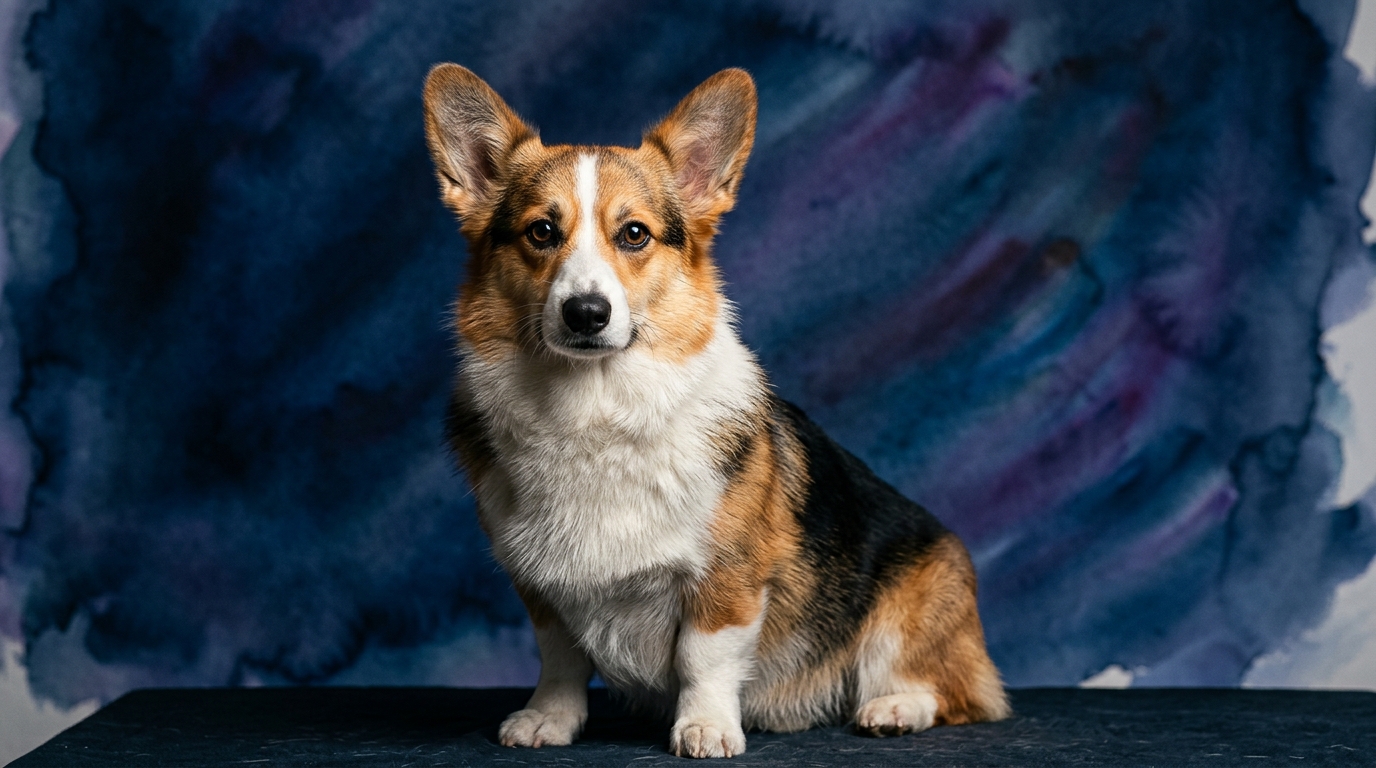
The Pembroke Welsh Corgi, a member of the Herding group, boasts an impressive Coren rank of #11, signaling a quick and capable mind. Its IQ dimensions include Problem Solving at 4/5, indicating a strong capacity for independent thought and resolution. Training Speed is a perfect 5/5, reflecting rapid learning and retention, while Social Intelligence stands at 4/5, showing an aptitude for understanding complex social cues. A powerful Instinctive Drive of 5/5 underscores its working heritage, complemented by a Memory score of 4/5, ensuring consistent recall of learned behaviors.
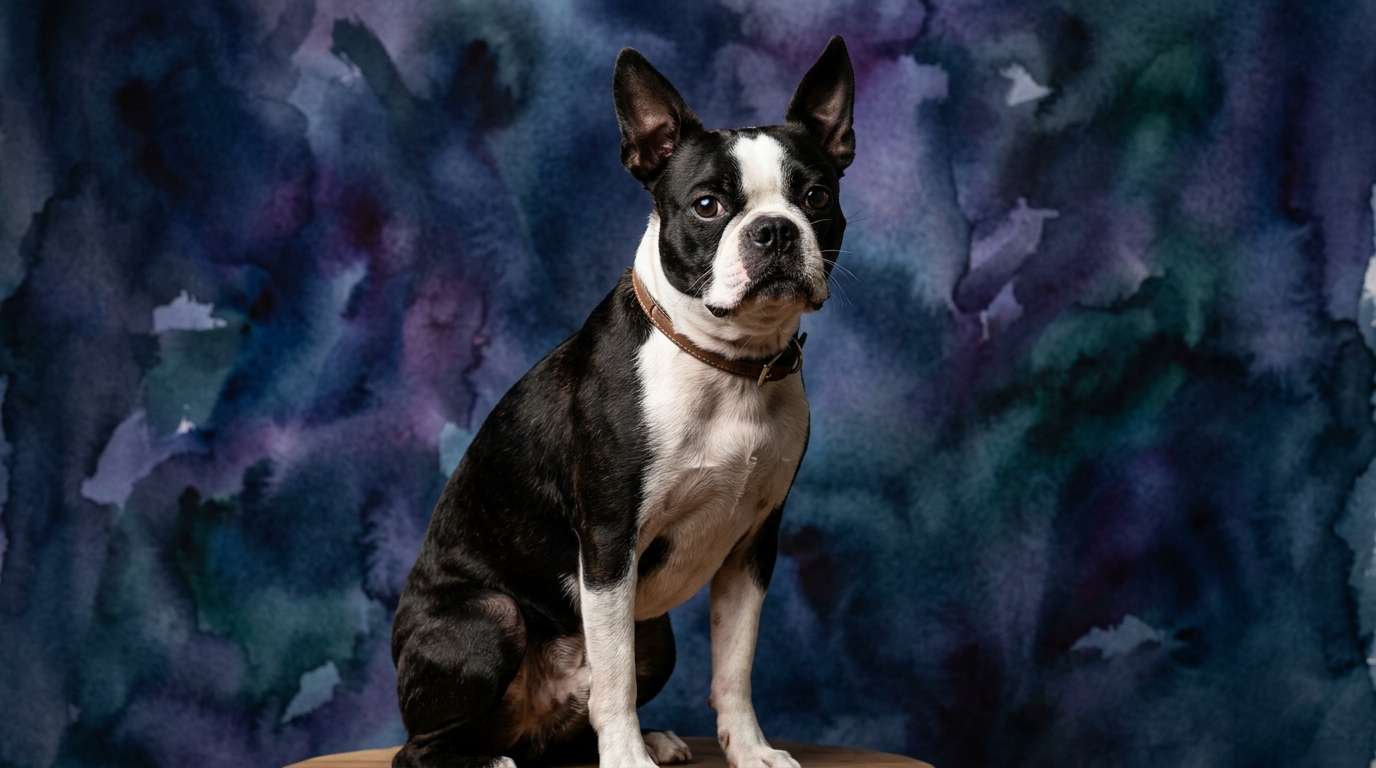
In contrast, the Boston Terrier, from the Non-Sporting group, holds a Coren rank of #54, suggesting a more moderate learning pace. Its Problem Solving is rated 3/5, indicating competence in familiar challenges but less inclination for novel solutions. Training Speed is 3/5, meaning it is certainly trainable but benefits from more repetition and patience. Interestingly, its Social Intelligence matches the Corgi at 4/5, highlighting its strong bond-forming capabilities. A lower Instinctive Drive of 2/5 reflects its companion role, and its Memory is rated 3/5, sufficient for daily routines but perhaps requiring occasional refreshers for less frequent commands.
Where the Pembroke Welsh Corgi Wins Cognitively
The Pembroke Welsh Corgi's cognitive strengths are particularly pronounced in areas demanding active mental engagement and purpose-driven action. Their superior Problem Solving (4/5) allows them to independently assess situations and devise solutions, a trait honed by their historical role in managing livestock, where quick, autonomous decisions were crucial. This translates to an aptitude for complex puzzle toys or scent work, where they excel at figuring out multi-step challenges. Furthermore, their perfect Training Speed (5/5) means they grasp new commands with remarkable alacrity, often showing proficiency after just a few repetitions, making them highly responsive to advanced obedience or trick training.
Their formidable Instinctive Drive (5/5) provides a deep wellspring of motivation, fueling their desire to work and learn, whether it's herding ducks or mastering agility courses. This intrinsic motivation, combined with a strong Memory (4/5), enables them to build an extensive repertoire of skills and recall them reliably, even after periods of inactivity. Owners seeking a canine partner for demanding mental tasks will find the Corgi's cognitive profile exceptionally rewarding.
Where the Boston Terrier Wins Cognitively
While the Boston Terrier's cognitive profile might appear less intense in certain 'working' metrics, their strengths lie in their nuanced adaptability and social acumen, making them superb companions. Their Social Intelligence, matching the Corgi at 4/5, is a significant win in the context of a family pet, indicating a keen ability to read human emotions, understand household routines, and integrate seamlessly into diverse social settings. This high social intelligence, coupled with a lower Instinctive Drive (2/5), means they are generally less prone to independent, task-oriented behaviors that might conflict with companion living, like intense herding urges or excessive digging.
Instead, their cognitive energy is often directed towards interaction and comfort, making them highly attuned to their owners' moods and desires. Their moderate Problem Solving (3/5) and Memory (3/5) mean they are capable learners for typical household commands and routines, but without the intense mental demand that some high-drive breeds require, making them more relaxed and less prone to destructive behaviors born from boredom if their mental needs are met through companionship rather than complex work.
Which is Easier to Train and Why?
The Pembroke Welsh Corgi is demonstrably easier to train for obedience and complex tasks due to their exceptional Training Speed (5/5) and strong Instinctive Drive (5/5). Their herding heritage instilled a deep desire to work collaboratively with humans, making them highly receptive to instruction and eager to please. They process new commands rapidly and often require fewer repetitions to achieve mastery, viewing training as a stimulating activity rather than a chore. This inherent drive also translates into a greater persistence in problem-solving during training sessions, allowing them to push through initial difficulties.
In contrast, the Boston Terrier, with a Training Speed of 3/5, requires a more patient and consistent approach. While certainly trainable, their learning curve is more gradual, and they may need more repetitions and positive reinforcement to solidify new behaviors. Their lower Instinctive Drive (2/5) means they might not possess the same intrinsic motivation for structured work, sometimes preferring to engage in play or simply relax, making training more about building a fun, rewarding interaction than tapping into an inherent work ethic. Real behavioral differences include the Corgi's natural inclination to gather and direct, which can be channeled into obedience, versus the Boston Terrier's focus on reciprocal companionship, which means training must be primarily relationship-based and engaging.
Which Suits Active Owners vs. Relaxed Owners?
The Pembroke Welsh Corgi, with its high Instinctive Drive (5/5) and Problem Solving (4/5), is better suited for active owners who relish engaging their dog in mentally stimulating activities. These owners might enjoy participating in dog sports like agility, obedience trials, or herding activities, or simply love incorporating extensive puzzle games and training sessions into their daily routine. Corgis thrive when given a 'job' and can become bored or mischievous if their sharp minds and energetic bodies are not adequately challenged. Their robust memory and quick learning mean they can handle complex routines and benefit from consistent mental workouts.
Conversely, the Boston Terrier, characterized by a lower Instinctive Drive (2/5) and moderate Problem Solving (3/5), is an excellent match for more relaxed owners. While they still enjoy walks and playtime, their primary cognitive and emotional needs are met through companionship and social interaction rather than demanding physical or mental tasks. They are content with moderate exercise and thrive in a home environment where they can be close to their human family, making them ideal for individuals or families seeking a sociable, adaptable, and less intensely driven canine companion.
The Verdict
Opt for a Pembroke Welsh Corgi if you are an engaged owner seeking a highly trainable, mentally sharp companion eager to participate in advanced obedience, dog sports, or complex problem-solving activities.
Select a Boston Terrier if you prefer a charming, adaptable companion whose primary joy comes from social interaction and moderate activity, thriving in a home environment focused on relaxed companionship.
🧠 Find Your Pet's IQ Score
Our Pet IQ Lab assessment covers 25+ tests across 5 cognitive dimensions — personalized to your breed.
Take the Full IQ Test →Frequently Asked Questions
How does the Coren rank of #11 for the Corgi compare to #54 for the Boston Terrier in practical terms?
A Coren rank of #11 means a Corgi typically understands new commands in 5-15 repetitions and obeys the first command 85% of the time or better, signifying exceptional working intelligence. A Boston Terrier at #54 usually requires 25-40 repetitions to learn new commands and obeys the first command 50% of the time, indicating a capable but more deliberate learner.
Does the difference in Herding vs. Non-Sporting group background significantly impact their IQ profiles?
Absolutely; the Corgi's Herding background directly correlates with its high instinctive drive, problem-solving, and training speed, as these traits were essential for managing livestock. The Boston Terrier, as a Non-Sporting companion breed, exhibits a lower instinctive drive and more moderate cognitive scores, prioritizing adaptability and social interaction over specialized working abilities.
Despite both having 4/5 Social Intelligence, how might their social interactions differ in practice?
While both are adept at reading cues, a Corgi's social intelligence might manifest as a desire to 'herd' family members or integrate into a perceived pack structure with a job, reflecting their working roots. A Boston Terrier's social intelligence is more purely companion-focused, often expressed as a desire for close proximity, play, and reciprocal affection, seamlessly blending into the family dynamic without a strong 'working' agenda.