Side-by-Side IQ Profile: Pembroke Welsh Corgi vs. Boxer
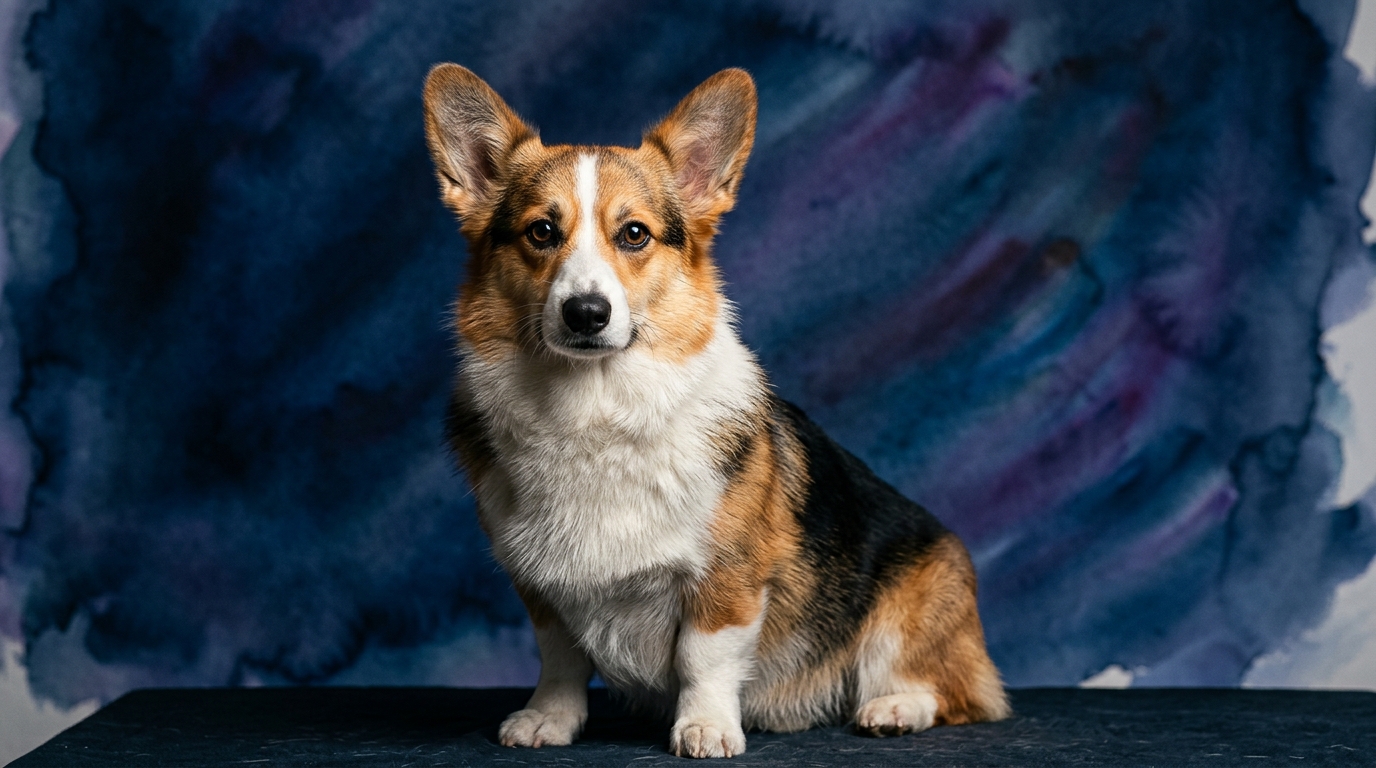
At The Cosmic Pet Pet IQ Lab, we evaluate canine intelligence across five key dimensions. For the Pembroke Welsh Corgi, a Herding breed ranking #11 on Coren's scale, we see a profile geared towards independent action and rapid learning. Their Problem Solving is rated 4/5, indicating a strong capacity for figuring out novel situations and adapting. Training Speed is an exceptional 5/5, meaning they grasp new commands with remarkable swiftness. Social Intelligence stands at 4/5, reflecting their awareness of group dynamics and human moods. An Instinctive Drive of 5/5 highlights their profound herding impulses, while their Memory is a solid 4/5, ensuring retention of learned behaviors and routines.
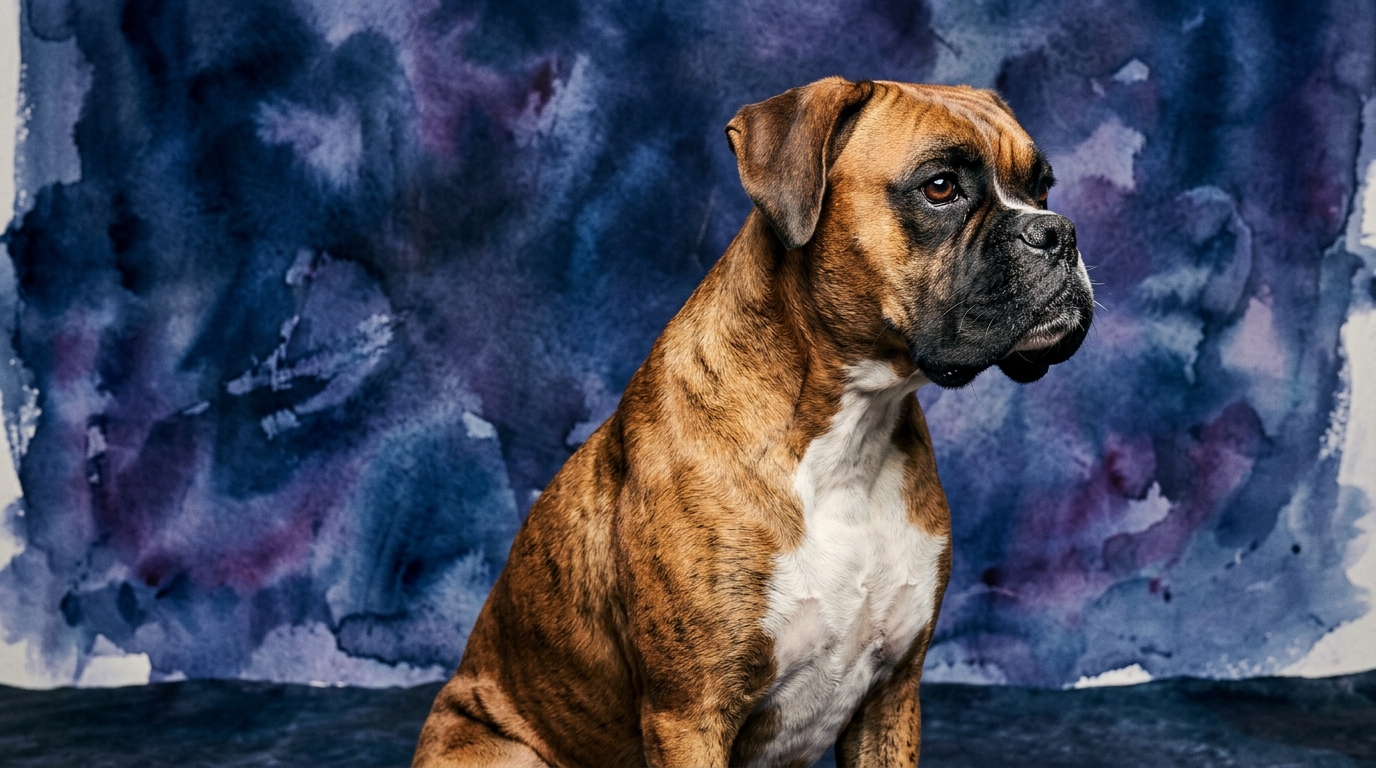
The Boxer, a Working breed with a Coren rank of #48, presents a different, yet equally compelling, cognitive blueprint. Their Problem Solving is rated 3/5, suggesting a more trial-and-error approach to challenges, often coupled with persistence. Training Speed is 3/5, indicating a moderate pace for acquiring new skills, requiring consistent effort. Where Boxers truly shine is in Social Intelligence, scoring a perfect 5/5, demonstrating an extraordinary ability to connect with and understand human emotions. Their Instinctive Drive is 4/5, reflecting a strong desire for engagement and purpose, while Memory is 3/5, sufficient for routines but occasionally needing refreshers for less practiced commands.
Where the Pembroke Welsh Corgi Wins Cognitively
The Corgi's cognitive edge becomes apparent in scenarios demanding quick, independent thought and rapid skill acquisition. Their problem-solving score of 4/5 indicates a capacity for devising solutions, whether it's navigating a complex puzzle toy or figuring out how to retrieve a dropped item. This isn't just about following instructions; it's about active mental engagement and strategic thinking, honed by generations of managing livestock.
Their superior training speed (5/5) means Corgis often pick up new commands in fewer repetitions compared to many other breeds. This makes them particularly responsive to advanced obedience, agility, or trick training, where a rapid understanding of sequences and cues is paramount. Furthermore, the Corgi's intense instinctive drive (5/5), rooted in their herding heritage, provides a powerful internal motivation. This drive translates into a focused determination when given a 'job,' making them eager participants in structured activities and less prone to distraction when their instincts are channeled productively. Their robust memory (4/5) reinforces this, allowing them to build upon learned behaviors and recall complex sequences with reliability, making them consistently dependable in their tasks.
Where the Boxer Wins Cognitively
The Boxer's standout cognitive strength lies in their exceptional social intelligence, scoring a perfect 5/5. This isn't merely friendliness; it's a profound ability to read and respond to human emotions and social cues. Boxers are masters of empathy, often sensing when their human companions need comfort or a playful distraction, making them deeply intuitive and comforting family members. Their connection to people is a core part of their cognitive makeup.
While their problem-solving (3/5) may not be as direct as a Corgi's, the Boxer's approach is characterized by joyful persistence. They might try several methods to achieve a goal, learning through trial and error, often with an endearing, clownish enthusiasm that makes them a delight to watch. This resilience, coupled with their strong instinctive drive (4/5) to engage and be part of the action, means they rarely give up on interaction or play. Their moderate training speed (3/5) is balanced by their intense desire to please and connect, meaning that with positive reinforcement and patience, they form strong associations with commands. This social bond is a powerful motivator for the Boxer, often outweighing a purely intellectual drive to learn.
Which is Easier to Train and Why
When evaluating ease of training, the Pembroke Welsh Corgi generally presents a more straightforward experience for the average owner. Their remarkable training speed (5/5) means they absorb new commands with impressive rapidity, often needing only a few repetitions before demonstrating proficiency. This quick uptake is supported by their strong problem-solving abilities (4/5), allowing them to grasp the 'why' behind a command and adapt to variations. Moreover, their inherent instinctive drive (5/5) to herd and work provides a natural inclination towards structured tasks, making them highly receptive to direction and eager to engage in training sessions that tap into this desire. They are often self-motivated by the challenge of learning and excel in environments where their minds are consistently engaged.
The Boxer, while trainable and eager to please, requires a different approach. Their training speed (3/5) suggests they will need more consistent repetition and patience to solidify commands. Their problem-solving (3/5) is more about joyful experimentation than strategic planning, which can sometimes lead to delightful detours during training. Boxers are also prone to bouts of exuberant playfulness, which, while charming, can make keeping their focus a challenge in a structured setting. Their high social intelligence (5/5) means they thrive on positive reinforcement and strong bonds with their trainers, making the emotional connection a critical component of their learning success. Consistency, clear communication, and making training fun are key with a Boxer, whereas a Corgi might simply excel due to their inherent cognitive wiring for rapid, independent learning.
Which Suits Active Owners vs. Relaxed Owners
For owners seeking a highly engaged and mentally stimulated companion, the Pembroke Welsh Corgi is an excellent fit. Their profound instinctive drive (5/5) and problem-solving capacity (4/5) mean they thrive with activities that challenge their minds and bodies, such as agility, herding trials, or complex puzzle games. They require consistent mental engagement to prevent boredom, making them ideal for active owners who enjoy structured training, canine sports, and daily interactive play sessions. A relaxed owner might find a Corgi's need for mental 'work' overwhelming, potentially leading to undesirable behaviors if their sharp minds aren't adequately occupied, as their strong drive needs an outlet.
Conversely, the Boxer, with their high social intelligence (5/5) and robust, playful nature, suits owners who value deep companionship and enjoy spirited, yet often spontaneous, interactions. While Boxers certainly need physical exercise to maintain their muscular physique and manage their energy, their primary drive is often social connection and being an integral part of family life. They are wonderful for active owners who want a dog for walks, runs, and playful romps, but they are equally content to cuddle on the couch after a good play session, soaking up human affection. A relaxed owner who enjoys a dog's warm presence and a good amount of playful interaction, without the intense demand for constant mental 'work' that a Corgi might present, would find a Boxer's temperament very rewarding.
The Verdict
When you prioritize rapid learning, independent problem-solving, and a dog eager for structured mental tasks, the Pembroke Welsh Corgi's sharp intellect and strong work ethic make them an ideal choice.
If your priority is an exceptionally social, emotionally intuitive companion who thrives on deep family bonds and joyful, persistent engagement, the Boxer's heart and playful spirit will be a perfect match.
🧠 Find Your Pet's IQ Score
Our Pet IQ Lab assessment covers 25+ tests across 5 cognitive dimensions — personalized to your breed.
Take the Full IQ Test →Frequently Asked Questions
Are Corgis good at learning tricks?
Yes, Corgis excel at learning tricks due to their exceptional training speed (5/5) and strong memory (4/5). They enjoy the mental challenge and quickly pick up new behaviors, often surprising owners with their capacity for complex sequences and routines.
Do Boxers need a lot of mental stimulation?
Boxers benefit greatly from mental stimulation, but it often manifests through social interaction and engaging play with their human companions rather than intricate solitary puzzle-solving. Their high social intelligence (5/5) means interactive games and training sessions with their owner are highly stimulating, though puzzle toys can also be enjoyed.
Which breed is more adaptable to different living situations?
Both breeds can adapt well, but in different ways. Corgis, with their strong problem-solving and instinctive drive, adapt best when their need for consistent mental engagement and a 'job' is met. Boxers, with their superior social intelligence, adapt well to environments where they feel deeply connected to their human family, prioritizing companionship and interaction above all else.