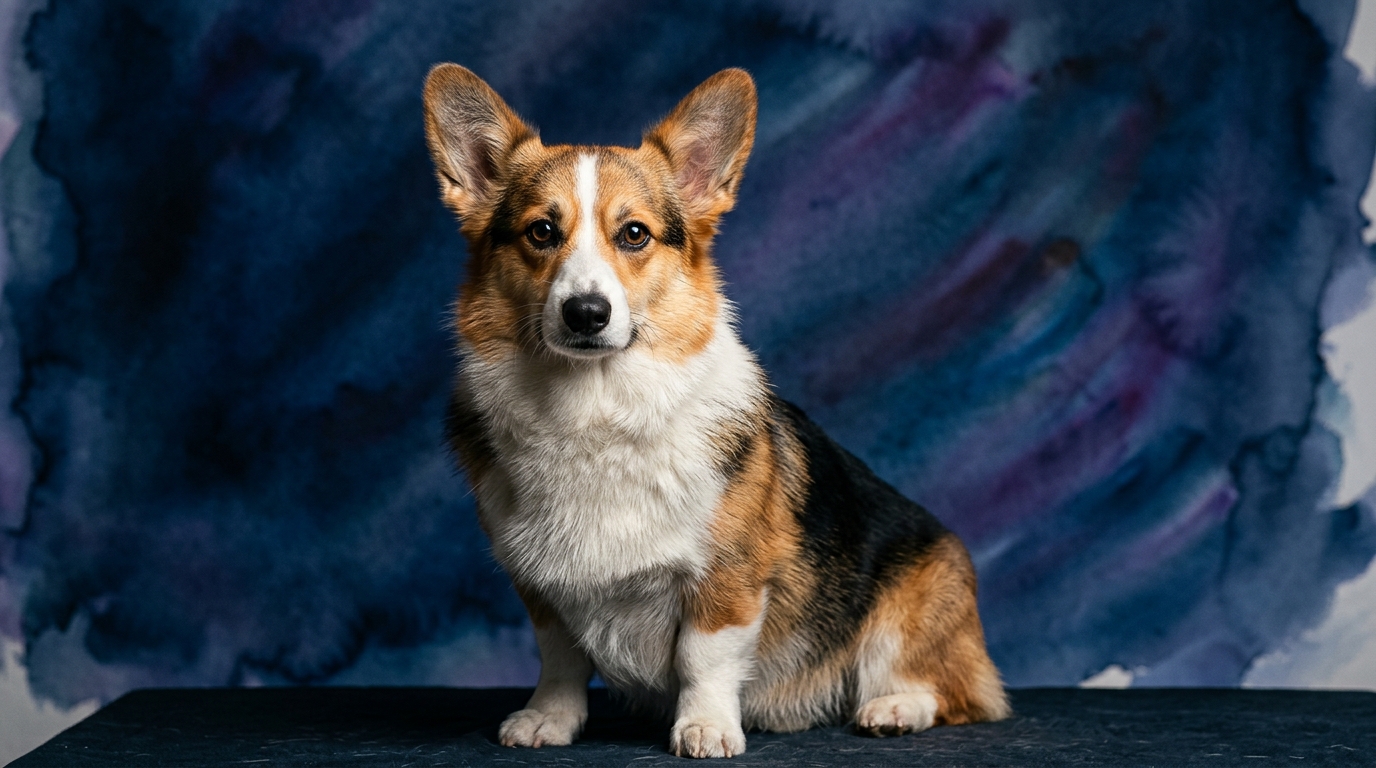
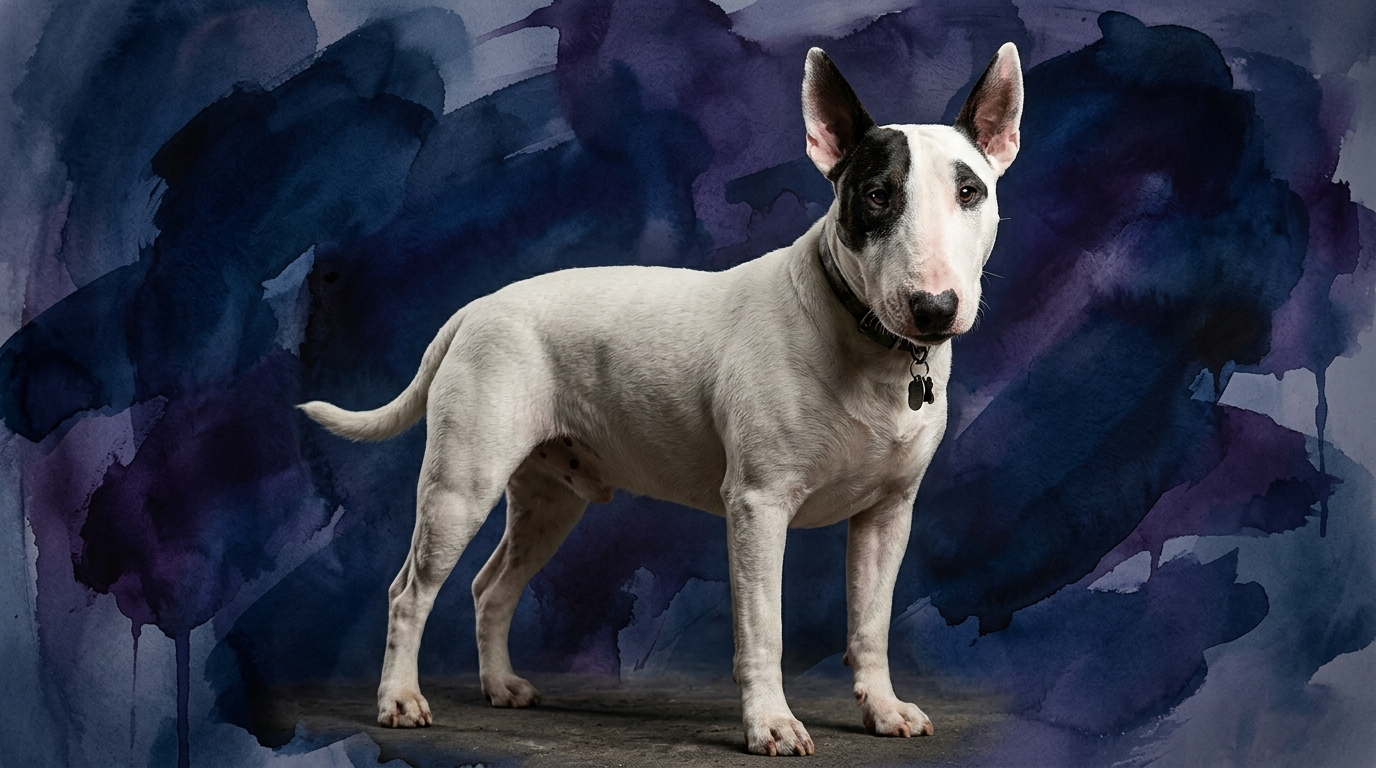
Side-by-Side IQ Profile: Pembroke Welsh Corgi vs. Bull Terrier
The Pembroke Welsh Corgi, a Herding breed ranking #11 on the Coren intelligence scale, exhibits a robust cognitive profile. Their problem-solving ability, rated 4/5, indicates a capacity for navigating complex situations, often tied to their historical role. Training speed, an impressive 5/5, reflects their eagerness to learn and retain commands, making them highly receptive to instruction. Social intelligence, at 4/5, suggests a strong awareness of human cues and pack dynamics. An instinctive drive of 5/5 highlights their pronounced herding instincts and inherent motivation for purposeful activity. Finally, their memory at 4/5 ensures retention of learned behaviors and experiences.
In contrast, the Bull Terrier, a Terrier breed with a Coren rank of #66, presents a different cognitive makeup. Their problem-solving score of 3/5 suggests a moderate capacity for independent reasoning, often preferring direct action. Training speed, also 3/5, implies learning may require more repetition and patience, often due to their independent streak. Social intelligence, rated 3/5, indicates a general awareness of their environment, though they might exhibit a more self-reliant approach. Their instinctive drive, at 3/5, reflects a terrier's characteristic tenacity and prey drive, which can be channeled. A memory score of 3/5 means they retain information, but consistent reinforcement is key.
Where Pembroke Welsh Corgi Wins Cognitively
The Pembroke Welsh Corgi clearly excels in areas demanding swift comprehension and adaptive learning. Their 5/5 training speed means they grasp new commands and routines with remarkable efficiency, often requiring fewer repetitions. This rapid uptake is underpinned by their 4/5 memory, allowing them to recall a vast repertoire of cues and experiences, making advanced obedience or trick training highly rewarding. Furthermore, their 4/5 social intelligence, combined with a 4/5 problem-solving ability, positions them to interpret human intentions and environmental changes adeptly. For instance, a Corgi might quickly learn the sequence of events leading to a walk or dinner, demonstrating a predictive understanding of their environment based on social cues and prior experiences.
Where Bull Terrier Wins Cognitively
While the Bull Terrier's cognitive scores are generally lower, their unique strengths lie in specific domains shaped by their heritage. Their 3/5 instinctive drive, though moderate, manifests as remarkable tenacity and single-minded focus when engaged in a task aligning with their innate motivations, such as scent work or certain physical challenges. This drive allows them to persevere where other breeds might give up, showcasing a distinct form of mental resilience. Their moderate problem-solving (3/5) and social intelligence (3/5) can translate into an independent spirit; they are not easily swayed, which can be an advantage in situations requiring self-reliance rather than strict adherence to human direction. For example, a Bull Terrier might exhibit unwavering determination to retrieve a favorite toy from a difficult spot, demonstrating a persistent, albeit sometimes stubborn, approach to objectives.
Which is Easier to Train and Why
Comparing training ease, the Pembroke Welsh Corgi holds a distinct advantage due to its exceptional 5/5 training speed and 5/5 instinctive drive, often manifesting as a strong desire to please and engage in structured activity. Corgis typically respond quickly to positive reinforcement, eager to perform tasks and learn new commands. Their herding background means they are accustomed to working in partnership with humans, readily absorbing instructions and exhibiting strong impulse control when properly guided. In contrast, the Bull Terrier's 3/5 training speed and 3/5 instinctive drive mean training often requires more patience, consistency, and a deeper understanding of their independent terrier nature. Bull Terriers can be easily distracted or follow their own impulses, requiring trainers to be highly engaging and persistent. For instance, teaching a Corgi a 'stay' command might involve a few repetitions, while a Bull Terrier might test boundaries more frequently, requiring extended consistent reinforcement.
Suitability for Active vs. Relaxed Owners
The Pembroke Welsh Corgi, with its 5/5 instinctive drive, is better suited for moderately active owners who can provide consistent mental and physical engagement. They thrive on regular walks, puzzle toys, and training sessions that tap into their problem-solving and herding instincts. Owners who enjoy structured activities and can channel the Corgi's energy into productive outlets will find them rewarding companions. The Bull Terrier, despite its moderate 3/5 instinctive drive, still possesses significant energy and a need for physical exertion, often in bursts. They are best suited for active owners who appreciate a robust companion and can provide consistent, vigorous exercise, such as long walks, energetic play sessions, or dog sports. Their independent nature means they might not always initiate activity but will enthusiastically participate once engaged. A truly relaxed owner might struggle with either breed's energy requirements, but the Corgi's cooperative nature makes their exercise management slightly less demanding.
The Verdict
Choose a Pembroke Welsh Corgi if you seek a highly trainable companion eager to engage in structured activities and capable of quickly learning complex tasks, making them ideal for active families or those interested in dog sports.
Opt for a Bull Terrier if you appreciate an independent, tenacious companion with a unique personality, and are prepared to invest consistent effort in training and providing ample physical outlets for their robust energy.
🧠 Find Your Pet's IQ Score
Our Pet IQ Lab assessment covers 25+ tests across 5 cognitive dimensions — personalized to your breed.
Take the Full IQ Test →Frequently Asked Questions
Does a Corgi's herding instinct affect its behavior in a family setting?
Yes, a Corgi's 5/5 instinctive drive for herding can manifest as nipping at heels or attempting to 'herd' children or other pets. This behavior stems from their genetic predisposition and can be managed through early training and redirection to appropriate outlets like herding balls or structured play.
Are Bull Terriers difficult to train due to their lower training speed score?
While their 3/5 training speed suggests they may require more patience and consistency than some other breeds, Bull Terriers are certainly trainable. Their independent nature responds best to positive reinforcement and engaging methods from a trainer who understands their specific motivations.
How do their social intelligence scores impact their interactions with strangers or other animals?
A Corgi's 4/5 social intelligence often translates to a keen awareness of surroundings and a generally friendly approach to new people and animals with proper socialization. A Bull Terrier's 3/5 social intelligence, combined with their independent streak, means they might be more selective with strangers and require extensive early socialization to ensure polite interactions with other animals.