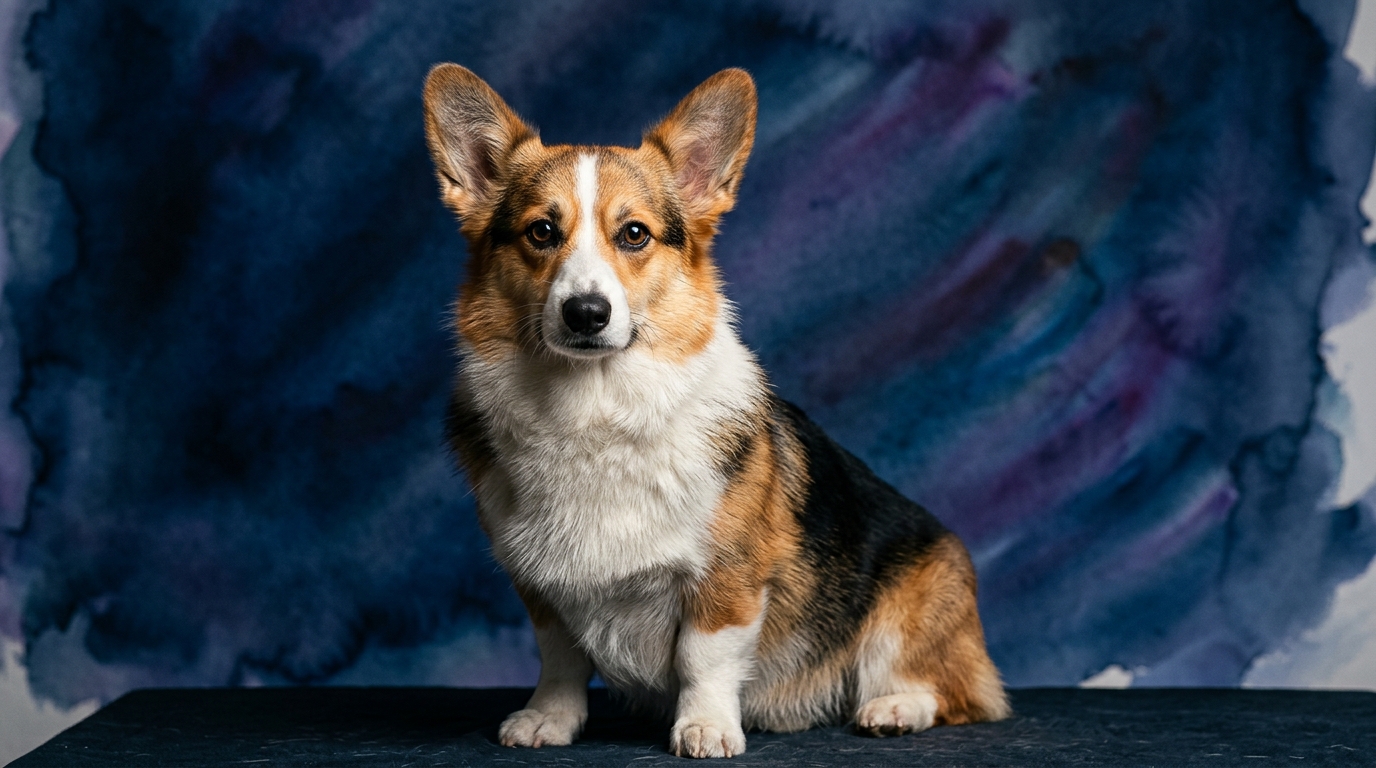

Side-by-Side IQ Profile: Corgi vs. Bulldog
The Cosmic Pet Pet IQ Lab's comprehensive assessment offers a clear view into the cognitive architecture of the Pembroke Welsh Corgi and the English Bulldog. Starting with problem-solving, the Corgi, scoring a strong 4 out of 5, demonstrates a notable capacity for navigating novel situations and figuring out solutions independently, a trait rooted in its herding lineage. In contrast, the English Bulldog, with a 2 out of 5, tends to approach challenges with less spontaneous innovation, often preferring familiar routines over complex mental gymnastics to overcome obstacles.
When it comes to training speed, the Corgi truly shines with a perfect 5 out of 5, indicating a rapid ability to grasp and execute new commands, making them exceptionally responsive learners. The Bulldog, however, registers a 2 out of 5, suggesting a more deliberate pace in absorbing new information and requiring greater patience and repetition during training sessions. Both breeds share a commendable 4 out of 5 in social intelligence, highlighting their capacity to understand and respond to human cues and social dynamics, making them perceptive companions despite their other differences.
Delving into instinctive drive, the Corgi's herding heritage is unmistakable with a 5 out of 5, reflecting a powerful innate inclination to manage and direct, often manifesting in chasing or gathering behaviors. The Bulldog, while possessing a respectable 3 out of 5, shows a more moderate intrinsic motivation, often geared towards companionship or comfort rather than intense task engagement. Finally, memory scores reveal another disparity: the Corgi's 4 out of 5 points to a robust recall of past experiences and learned behaviors, while the Bulldog's 2 out of 5 suggests a shorter retention span for specific lessons or events, influencing their long-term learning curve.
Where the Pembroke Welsh Corgi Excels Cognitively
The Pembroke Welsh Corgi's cognitive strengths are deeply intertwined with its history as a compact, agile herder of cattle and sheep. Their 4/5 problem-solving score means they are adept at strategizing, whether it's figuring out how to retrieve a toy from under furniture or navigating complex environments. This isn't just about brute force; it's about evaluating a situation and adapting their approach, a trait invaluable for a dog tasked with guiding livestock with precision and foresight.
The Corgi's exceptional 5/5 training speed is a direct reflection of their innate desire to work alongside humans and their keen observational skills. They don't just learn commands; they often anticipate what's expected, absorbing new routines and cues with remarkable alacrity. This quick uptake, combined with their 4/5 memory, allows them to build a vast repertoire of learned behaviors and retain them over time, making them highly versatile in various canine activities, from obedience to agility. Their 5/5 instinctive drive translates into a persistent focus on tasks, channeling their herding impulses into constructive engagement when properly directed.
Where the English Bulldog Shines Cognitively
While the English Bulldog doesn't match the Corgi in rapid learning or problem-solving, their cognitive profile shines in other, equally valuable ways, particularly in their robust social intelligence. Scoring a 4 out of 5, identical to the Corgi, Bulldogs possess a profound understanding of human emotions and social dynamics, making them incredibly empathetic and attuned companions. This isn't about performing complex tricks; it's about sensing a mood, offering comfort, or simply enjoying shared quiet presence, a nuanced form of intelligence that fosters deep bonds.
The Bulldog's moderate 3/5 instinctive drive, while lower than the Corgi's, contributes to their generally calm and unhurried demeanor, which many owners find profoundly appealing. Their cognitive strengths lean into their role as companion animals, where a strong drive to herd or solve complex puzzles isn't necessarily a primary requirement. Instead, their cognitive focus supports their ability to be content and present, thriving in environments that prioritize comfort and affectionate interaction over constant mental stimulation or rigorous task completion.
Training Dynamics: Which Breed is Easier?
Deciphering which breed is “easier to train” becomes remarkably clear when comparing their respective IQ profiles. The Pembroke Welsh Corgi, with its 5/5 training speed, 4/5 problem-solving, and 4/5 memory, is unequivocally the more straightforward candidate for formal training. Their Coren rank of #11 among working dogs further solidifies this, indicating a breed that can understand new commands with fewer repetitions and obey the first command a high percentage of the time. This rapid learning curve stems from their historical role requiring quick, precise responses to human direction in a dynamic environment.
In contrast, the English Bulldog, ranked #77 by Coren, presents a different training experience. Their 2/5 training speed and 2/5 memory mean that new concepts often require significantly more repetition and patience. While their social intelligence (4/5) allows them to understand human intent, their cognitive processing speed and retention for specific tasks are simply not as geared for rapid acquisition. Their moderate 3/5 instinctive drive also means they may not possess the same inherent eagerness to perform complex tasks, often preferring comfort and leisure over structured work, necessitating highly motivating rewards and consistent, short training sessions to maintain engagement.
Matching Lifestyles: Active vs. Relaxed Owners
For owners who lead an active lifestyle and seek a canine partner for adventures, the Pembroke Welsh Corgi is an ideal match. Their 5/5 instinctive drive translates into a dog that thrives on engagement, whether it's participating in agility, obedience, or long hikes. Their 4/5 problem-solving ability means they enjoy mental challenges and are less likely to become bored or destructive when their minds are actively stimulated. These are dogs that genuinely enjoy having a "job" to do, channeling their herding intelligence into various activities that keep both their bodies and minds occupied.
Conversely, the English Bulldog is perfectly suited for owners who appreciate a more relaxed, unhurried pace of life. Their moderate 3/5 instinctive drive and lower problem-solving score (2/5) mean they are content with shorter, leisurely strolls and plenty of time for napping and snuggling. While they enjoy interaction, their cognitive makeup doesn't demand constant mental puzzles or strenuous physical exertion. They are the quintessential "couch potato" companion, finding immense satisfaction in shared quiet moments and a comfortable routine, making them wonderful pets for those seeking a calm, affectionate presence without high demands for activity or complex training.
The Verdict
The Pembroke Welsh Corgi is the clear choice for owners seeking an intellectually agile, highly trainable companion eager for mental and physical engagement, thriving in structured activities and rapid learning.
The English Bulldog is best suited for individuals who prioritize a calm, affectionate, and low-key companion, appreciating a dog whose cognitive strengths lie in social connection and contentment rather than complex tasks or intense activity.
🧠 Find Your Pet's IQ Score
Our Pet IQ Lab assessment covers 25+ tests across 5 cognitive dimensions — personalized to your breed.
Take the Full IQ Test →Frequently Asked Questions
Is a Corgi too smart for a first-time owner?
Corgis are intelligent and quick learners, making them responsive to training, which can be a boon for first-time owners. However, their strong instinctive drive and problem-solving skills mean they require consistent mental stimulation and clear boundaries to prevent them from becoming bored or developing their own "jobs."
Do Bulldogs have a low IQ?
The English Bulldog's IQ profile shows lower scores in problem-solving, training speed, and memory compared to some breeds, but this doesn't mean they lack intelligence. Their cognitive strengths are centered around social intelligence and contentment, making them perceptive and affectionate companions, though they learn at a more deliberate pace.
Can an English Bulldog be trained for complex tasks?
While English Bulldogs can learn commands and basic obedience, their 2/5 training speed and memory scores suggest they may not excel in complex tasks or advanced training requiring rapid acquisition and retention. Success requires significant patience, consistent positive reinforcement, and a focus on short, engaging sessions.