
Side-by-Side IQ Profile: Herder vs. Guardian
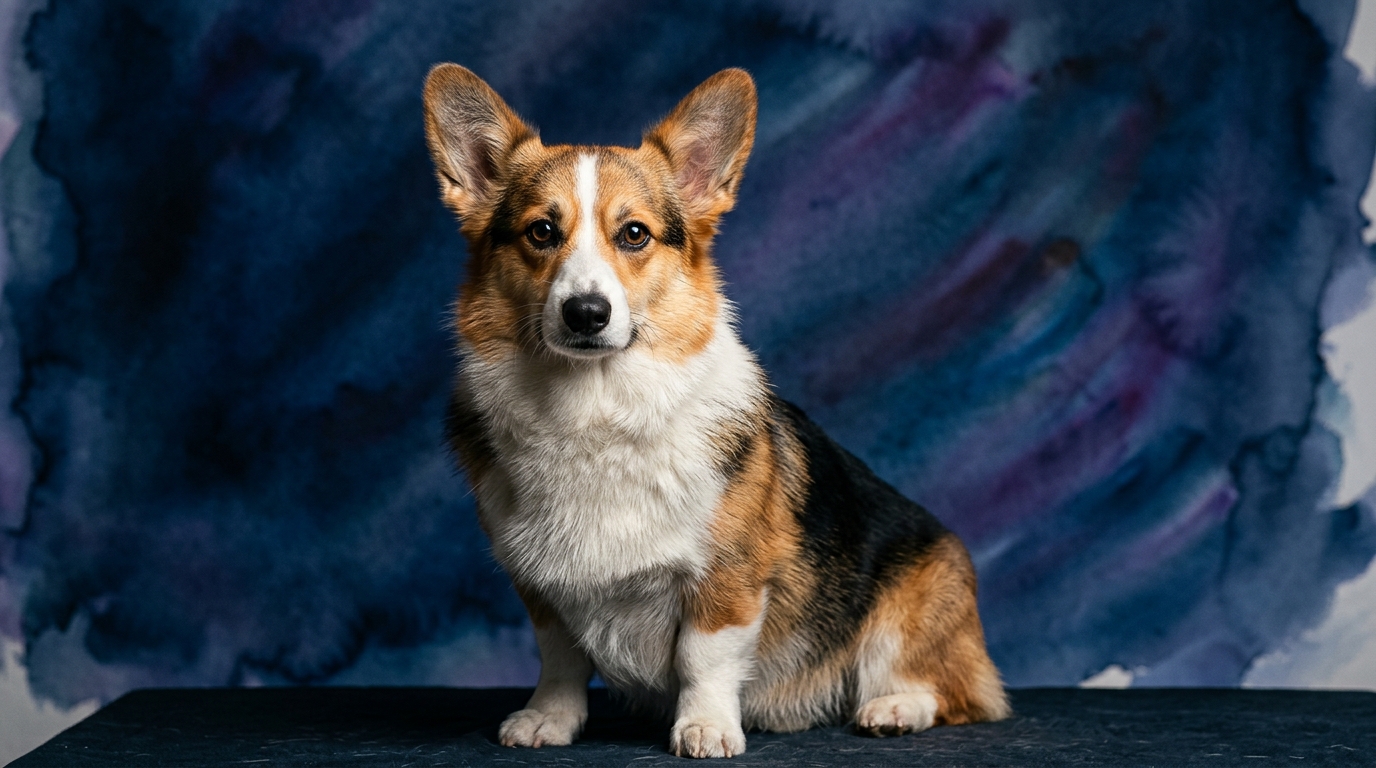
The Cosmic Pet Pet IQ Lab employs a five-dimensional framework to assess canine intelligence, offering a nuanced view beyond simplistic labels. For the Pembroke Welsh Corgi, a breed historically dedicated to herding, their cognitive profile reflects their need for quick thinking and dynamic interaction. Their Problem Solving is rated at 4/5, indicating a strong capacity to navigate complex situations and adapt to new challenges, a trait vital for managing livestock. Training Speed shines at an exceptional 5/5, suggesting they grasp new commands and routines with remarkable alacrity, making them highly receptive learners. Social Intelligence stands at 4/5, enabling them to interpret human cues and interact effectively within a social structure, crucial for cooperative work. Their Instinctive Drive, a robust 5/5, is channeled through their herding impulses, manifesting as a persistent desire to organize and control, even if it's just family members. Memory, at 4/5, allows them to retain intricate sequences and learned behaviors over time, essential for their demanding tasks. The Corgi's placement at #11 on the Coren ranking further underscores their significant cognitive aptitude.
In contrast, the Cane Corso, a formidable working breed with a heritage rooted in protection and guardianship, presents a different cognitive blueprint. Their Problem Solving is rated 3/5, indicating a practical, task-oriented approach to challenges, often relying on strength and resolve rather than intricate maneuvers. Training Speed is 3/5, suggesting they learn new commands steadily but may require more repetition and consistent motivation compared to their herding counterpart. Social Intelligence also scores 3/5, reflecting a more reserved and discerning nature; they are observant and loyal but less overtly effusive in their social interactions. Their Instinctive Drive, at 3/5, is primarily expressed through their protective instincts, a strong territorial awareness, and a desire to guard their family and property. Memory, also 3/5, supports their ability to recall routines, boundaries, and specific individuals, contributing to their role as vigilant guardians. The Cane Corso is not represented on the Coren ranking, which often highlights breeds with a high degree of obedience and adaptive intelligence, a distinction that speaks to their specialized working focus rather than a general cognitive deficit.
Where Pembroke Welsh Corgi Wins Cognitively
The Pembroke Welsh Corgi demonstrates clear cognitive advantages, particularly in areas demanding agility of thought and rapid learning. Their superior Training Speed (5/5) means they form associations between commands and actions with remarkable efficiency; a Corgi often picks up a new trick in a handful of repetitions where other breeds might take many more sessions. This quick uptake is invaluable for owners seeking to teach a broad repertoire of behaviors. Furthermore, their high Problem Solving (4/5) and Instinctive Drive (5/5) combine to create a dog that actively seeks engagement and mental challenges, often devising clever solutions to access desired objects or navigate household obstacles. This isn't just about obedience; it's about a proactive, inquisitive mind that enjoys the process of figuring things out, whether it's opening a cabinet or finding a hidden toy. Their social intelligence also allows them to quickly discern human moods and intentions, making them exceptionally responsive companions in daily interactions.
Where Cane Corso Wins Cognitively
While the Cane Corso's overall scores might appear lower, their cognitive strengths are uniquely tailored to their guardian role, emphasizing steadfastness and situational awareness. Their Instinctive Drive (3/5), though numerically lower than the Corgi's, translates into a profound, unwavering commitment to their protective duties. This isn't about broad problem-solving but specific, task-oriented vigilance; they excel at identifying and responding appropriately to perceived threats, often with a calm, discerning assessment rather than reactive panic. Their Social Intelligence (3/5) manifests as a deep, loyal bond with their immediate family, coupled with a cautious, analytical approach to strangers. They remember who belongs and who doesn't, and their memory (3/5) is particularly strong for established routines, boundaries, and the specific dynamics of their home environment. This specialized cognitive focus allows them to be exceptionally reliable and consistent in their protective functions, prioritizing stability and security over playful mental gymnastics.
Which is Easier to Train and Why
Based on our IQ Lab scores, the Pembroke Welsh Corgi is generally easier to train, primarily due to their exceptional Training Speed (5/5) and high Problem Solving (4/5). Corgis possess an innate eagerness to learn and a strong desire to please, coupled with the cognitive agility to quickly understand what is being asked of them. Their herding background ingrained a need for cooperation with humans and responsiveness to commands, making them highly receptive to positive reinforcement methods. Behavioral differences are evident: a Corgi might offer multiple behaviors to figure out what earns a reward, demonstrating their active problem-solving. In contrast, the Cane Corso, with a Training Speed of 3/5, requires more patience and consistency. Their training is often about establishing clear boundaries and trust, and while they are capable learners, their independent working dog nature means they might evaluate a command before complying, especially if it doesn't align with their perceived purpose. They respond best to a confident, consistent leader who earns their respect, rather than simply offering treats for quick tricks. Their training is a marathon of consistency, building on their memory for routines and their loyalty, rather than a sprint of rapid acquisition.
Which Suits Active Owners vs. Relaxed Owners
The Pembroke Welsh Corgi, with its vigorous Instinctive Drive (5/5) and high Problem Solving (4/5), is better suited for active owners who can provide consistent mental stimulation and physical activity. Their herding heritage means they thrive on having a 'job' to do, whether it's participating in dog sports like agility or rally obedience, or simply engaging in complex puzzle toys and regular training sessions. A Corgi requires an owner who understands their need for engagement and can channel their cognitive energy constructively, preventing boredom-induced mischief. Conversely, the Cane Corso, while requiring physical exercise to maintain their powerful physique, aligns more with owners who appreciate a calm, watchful presence and prioritize security and structured routines. Their Instinctive Drive (3/5) is geared towards protection rather than constant activity, making them excellent companions for relaxed owners who still provide ample space and opportunities for moderate exercise, but who don't seek a dog constantly demanding mental games or intricate training. Their cognitive strength lies in their steady, discerning nature, fitting a lifestyle that values a composed guardian.
The Verdict
Choose a Pembroke Welsh Corgi if you seek a highly trainable, mentally agile companion eager to engage in diverse activities and thrive on consistent cognitive challenges. They are ideal for owners who enjoy an interactive, responsive dog and can provide ample mental and physical stimulation.
Opt for a Cane Corso if you desire a loyal, protective companion who excels in a guardian role and values a composed, discerning presence. They are best for owners who appreciate a steadfast, strong-willed dog and are committed to consistent, firm training with a focus on establishing clear boundaries and trust.
🧠 Find Your Pet's IQ Score
Our Pet IQ Lab assessment covers 25+ tests across 5 cognitive dimensions — personalized to your breed.
Take the Full IQ Test →Frequently Asked Questions
Do Pembroke Welsh Corgis bark a lot due to their intelligence?
Corgis, with their strong instinctive drive and social intelligence, often use barking as a communication tool, a remnant of their herding days to move livestock. While not directly tied to 'intelligence,' their active minds and desire to alert can contribute to vocal tendencies if not appropriately managed through training and mental stimulation.
Is a Cane Corso difficult to train for a first-time dog owner?
A Cane Corso's training speed and social intelligence scores suggest they require a confident, consistent owner. While a first-time owner can succeed, they must be committed to extensive socialization, firm positive reinforcement, and potentially professional guidance to manage their protective instincts and strong will effectively.
Which breed is better for apartment living, considering their cognitive needs?
The Pembroke Welsh Corgi, despite its smaller size, often has higher cognitive demands for stimulation and activity, which can be challenging in an apartment without diligent owner effort. The Cane Corso, while large, can adapt to apartment living if given sufficient outdoor exercise and mental engagement focused on routines and guarding, as their drive is less about constant movement and more about watchful presence.