Side-by-Side Cognitive Profiles
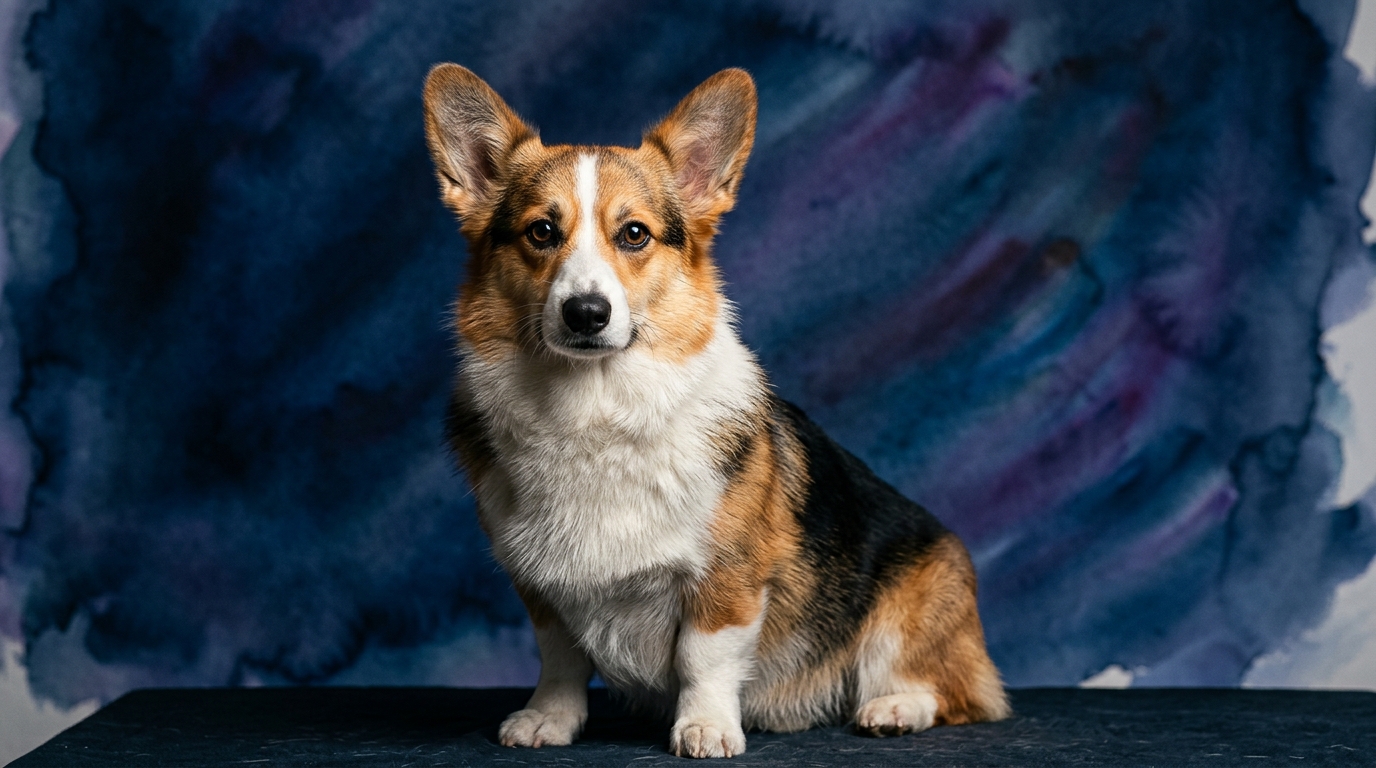
The Pembroke Welsh Corgi, a compact herding dog holding a notable Coren rank of #11, demonstrates a sophisticated cognitive blueprint across several dimensions. Their problem-solving capacity sits at a strong 4/5, indicating an aptitude for navigating complex situations, while an exceptional 5/5 training speed allows for rapid acquisition of new commands. Social intelligence also scores 4/5, reflecting their ability to interpret and respond to human cues, complemented by a powerful instinctive drive of 5/5 for herding tasks and a solid memory of 4/5 for retaining learned behaviors.
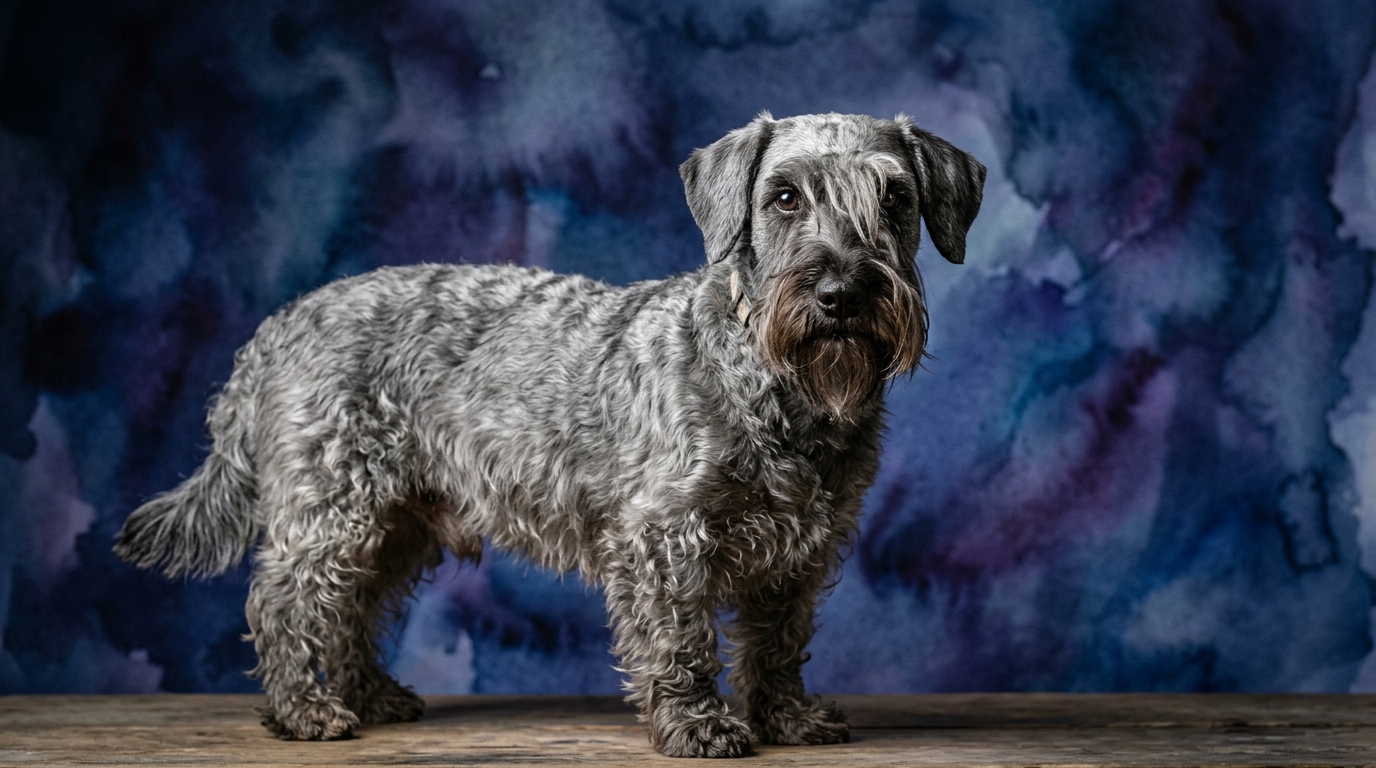
In contrast, the Cesky Terrier, a sturdy member of the Terrier group and not included in Coren's traditional ranking, presents a different cognitive landscape. Their problem-solving ability registers at 3/5, indicating a practical, task-oriented approach. Training speed is moderate at 3/5, suggesting a need for patience, and social intelligence also scores 3/5, implying a more independent interaction style. An instinctive drive of 3/5 reflects their terrier heritage of independent hunting, supported by a memory score of 3/5, sufficient for practical applications.
Where the Pembroke Welsh Corgi Excels Cognitively
The Pembroke Welsh Corgi's cognitive strengths are deeply rooted in its herding lineage. Their 4/5 problem-solving score reflects an ability to adapt strategies in dynamic environments, like maneuvering livestock, anticipating movements, and understanding spatial relationships. This requires flexible thinking and quick adjustments. Their 4/5 social intelligence further enhances this, allowing effective collaboration with handlers by interpreting subtle body language and vocal cues for intricate herding patterns.
The Corgi’s exceptional 5/5 training speed is a direct asset, enabling them to rapidly acquire and refine commands essential for intricate herding tasks. This rapid learning, coupled with their 4/5 memory, ensures that once a command or sequence is learned, it is retained effectively, leading to reliable performance. This combination allows for a sophisticated level of communication and responsiveness, vital for precision and quick reactions.
Where the Cesky Terrier Shows Unique Strengths
While the Cesky Terrier's overall scores are lower, their cognitive profile is perfectly tailored for their original purpose. Their 3/5 instinctive drive, though not as high as the Corgi's, is channeled into tenacious, independent pursuit of quarry. This drive fuels their 3/5 problem-solving, which manifests as persistent, practical approaches to immediate challenges, such as digging out vermin or navigating tight spaces, often through sheer determination and physical effort.
The Cesky’s 3/5 social intelligence suggests a more self-reliant nature, capable of forming bonds but perhaps less inclined towards constant collaboration. This independence is a strength for a terrier expected to work alone underground, making decisions without direct human guidance. Their 3/5 memory, while not photographic, is sufficient for remembering key hunting locations, successful strategies, and the routines of their human companions, allowing them to operate effectively within their defined world.
Training Dynamics: Corgi's Responsiveness vs. Cesky's Resolve
When it comes to training, the Corgi's 5/5 training speed and 4/5 social intelligence make them generally more straightforward to teach. They are eager to please and quick to pick up new commands, often finding joy in the training process itself. Their responsiveness means they quickly associate actions with rewards and corrections, making positive reinforcement highly effective for rapid acquisition of basic obedience and potential for advanced activities.
The Cesky Terrier, with a 3/5 training speed and 3/5 social intelligence, requires a different approach. Their inherent independence, stemming from their instinctive drive for hunting, means they may question commands or prioritize their own interests. Training a Cesky demands patience, consistency, and highly engaging methods to overcome their natural self-sufficiency. They respond best to clear, firm, positive reinforcement that respects their terrier resolve, often needing more repetition.
Lifestyle Compatibility: Active Engagement vs. Focused Independence
For active owners seeking a highly engaged companion, the Pembroke Welsh Corgi is often a better fit. Their high instinctive drive (5/5) translates into a need for regular mental and physical stimulation, whether through structured play, herding games, or obedience training. Owners who enjoy teaching new skills and participating in dog sports will find the Corgi's quick learning and social intelligence rewarding, as they thrive in environments where their cognitive abilities are regularly challenged.
Conversely, the Cesky Terrier might appeal to owners who prefer a more relaxed companion but are prepared to channel specific cognitive needs. While their overall energy might appear lower than a Corgi's, their 3/5 instinctive drive necessitates outlets for terrier instincts, such as scent work or digging. They don't demand constant social interaction to the same degree as a Corgi, making them suitable for individuals who appreciate a dog with a strong sense of self, provided their need for focused mental engagement is met.
The Verdict
Choose the Pembroke Welsh Corgi if you desire a highly trainable, socially responsive companion eager for collaborative activities and mental challenges. Their quick learning and strong social bond make them ideal for active families or individuals passionate about dog sports and extensive training.
Opt for the Cesky Terrier if you appreciate an independent, resolute companion with a practical problem-solving approach, suited for owners who understand and can channel their terrier instincts. They thrive with consistent, patient training and focused activities that satisfy their self-sufficient nature.
🧠 Find Your Pet's IQ Score
Our Pet IQ Lab assessment covers 25+ tests across 5 cognitive dimensions — personalized to your breed.
Take the Full IQ Test →Frequently Asked Questions
Does the Coren ranking indicate overall intelligence?
The Coren ranking primarily measures 'working and obedience intelligence,' reflecting a dog's ability to learn and respond to human commands. It doesn't encompass all aspects of cognitive function, such as problem-solving in natural environments or social cognition, which are broader measures of a dog's intellect.
Why is the Cesky Terrier not Coren-ranked?
The Coren ranking primarily focused on breeds with sufficient data from obedience trial judges. The Cesky Terrier, being a rarer breed with a specific working history, likely did not have enough widespread participation in such trials to be included in the original study.
How does 'instinctive drive' differ between these two breeds?
The Corgi's 5/5 instinctive drive is primarily for herding, involving control and movement of livestock, requiring collaboration and strategic thinking. The Cesky's 3/5 instinctive drive is focused on independent hunting and pursuit of small prey, emphasizing tenacity, digging, and self-reliance rather than teamwork.