Side-by-Side IQ Profile: Corgi vs. Cirneco
To understand the nuanced cognitive strengths of each breed, The Cosmic Pet Pet IQ Lab employs a five-dimensional assessment. These dimensions reveal how each dog processes information, learns, and interacts with its environment and people.
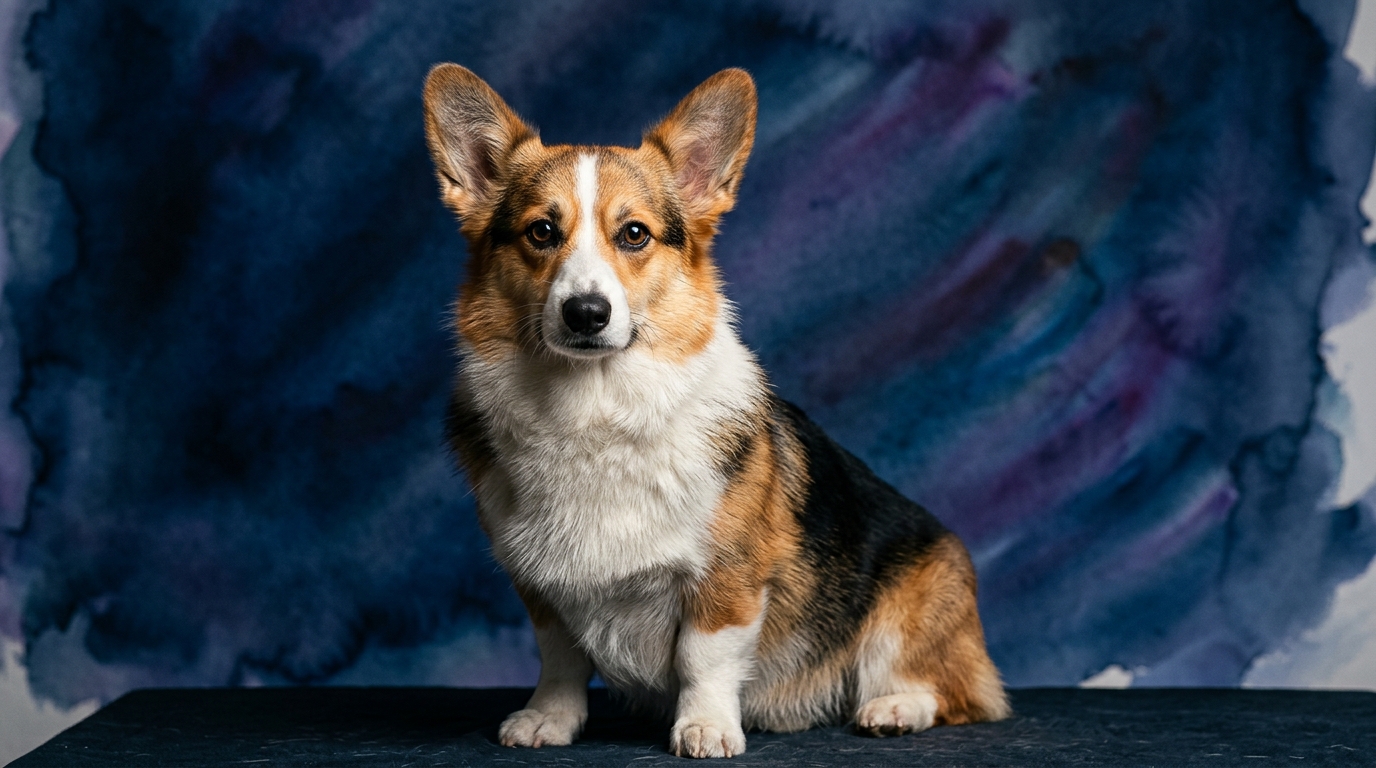
The Pembroke Welsh Corgi, a Herding Group member with a notable Coren rank of #11, demonstrates a profile optimized for collaborative work and quick adaptation. Their Problem Solving is rated 4/5, indicating a strong capacity for situational awareness and figuring out how to achieve desired outcomes, often involving manipulating their environment. Training Speed is an impressive 5/5, reflecting their rapid acquisition of new commands and routines, driven by an eagerness to engage. Social Intelligence stands at 4/5, highlighting their attunement to human cues and ability to form deep, responsive bonds. Their Instinctive Drive, rated 5/5, is a powerful herding impulse, translating into a persistent desire to 'gather' or direct, providing strong internal motivation. Memory is also high at 4/5, ensuring consistent retention of learned behaviors and routines.
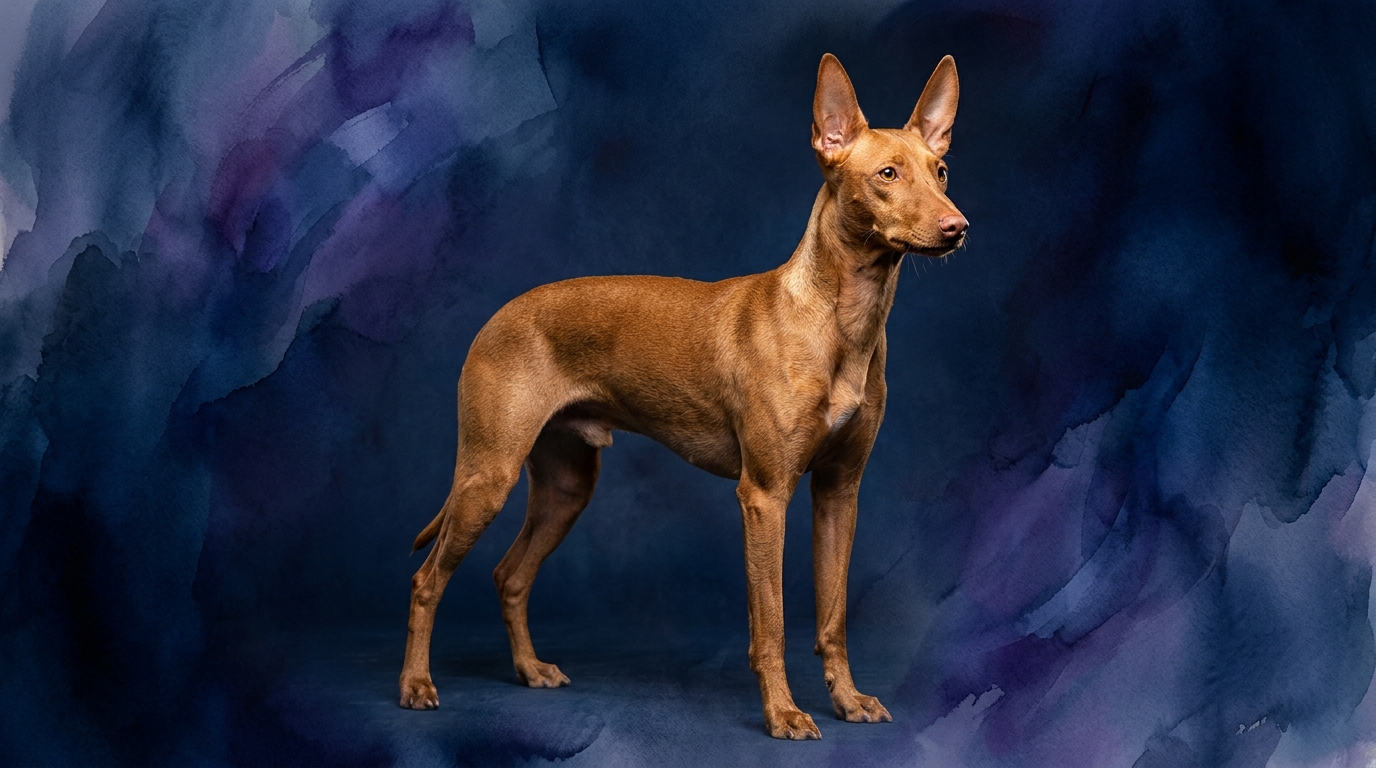
In contrast, the Cirneco dell'Etna, a Hound Group member not featured in Coren's ranking, presents a cognitive profile built for independent hunting and resourcefulness. Their Problem Solving is 3/5, manifesting as practical intelligence for tracking prey and navigating natural terrains, rather than abstract, human-designed puzzles. Training Speed is 3/5; while capable of learning, their independent nature often requires more patience and consistency to solidify commands. Social Intelligence is 3/5, indicating loyalty to family but often a reserved demeanor with strangers, with less emphasis on eager participation in human-led games. Instinctive Drive is 3/5, primarily focused on sight-hunting, an intense pursuit of movement that prioritizes autonomous action over collaborative tasks. Memory is 3/5, reliable for established routines and familiar environments, though their recall for specific commands might require ongoing reinforcement, especially when their prey drive is engaged.
Where the Pembroke Welsh Corgi Wins Cognitively
The Pembroke Welsh Corgi's cognitive profile shines in areas demanding collaborative effort and quick comprehension. Their exceptional training speed, rated 5/5, means they can grasp new concepts and commands with remarkable alacrity, making them a joy for owners interested in structured activities like obedience or agility. This swift learning is underpinned by a robust problem-solving ability (4/5), allowing them to navigate complex tasks, from figuring out puzzle toys to understanding multi-step routines. Furthermore, their high social intelligence (4/5) enables them to interpret human intentions and cues effectively, fostering a deep, responsive partnership. The strong instinctive drive (5/5) rooted in their herding background provides intrinsic motivation, driving them to complete tasks with persistence and focus, particularly when given a 'job' to do. This combination makes them particularly adept at tasks requiring sustained attention and a desire to work alongside their human, excelling in environments where clear direction and mental engagement are provided.
Where the Cirneco dell'Etna Wins Cognitively
While not ranked by Coren, the Cirneco dell'Etna possesses a distinct cognitive advantage rooted in its ancient sighthound heritage, optimized for independent hunting. Their problem-solving (3/5) manifests as a keen ability to assess and react to dynamic environmental stimuli, making rapid decisions when pursuing prey. This isn't about human-centric puzzles, but about resourcefulness in natural settings, utilizing their acute senses to overcome obstacles or locate targets. Their instinctive drive (3/5) is highly specialized for sight-hunting, granting them unparalleled focus and determination when spotting movement. This intrinsic motivation allows them to operate autonomously, making quick judgments about speed, trajectory, and escape routes without direct human command. While their social intelligence (3/5) may not translate to eager collaboration in formal obedience, it allows them to form sensitive, if sometimes reserved, bonds, appreciating calm companionship rather than constant direction. Their memory (3/5) is reliable for crucial elements like home boundaries and familiar people, essential for a breed designed to roam and return, remembering safe zones and familiar faces effectively.
Training Ease: Corgi's Cooperation vs. Cirneco's Independence
Between these two, the Pembroke Welsh Corgi is generally considered the easier breed to train, largely due to its inherent cognitive wiring for cooperation and responsiveness. Their training speed of 5/5 means they pick up new commands and routines quickly, often with fewer repetitions. This efficiency stems from their strong social intelligence (4/5), which makes them eager to engage with their human partners and attuned to their cues. A Corgi's powerful instinctive drive (5/5) to herd also translates into a desire for purpose and direction, making them highly motivated by tasks and structured activities. They thrive on clear communication and positive reinforcement, often demonstrating a clear understanding of what is expected of them, and their herding background makes them naturally attentive to direction, though they can be quite vocal in their opinions.
In contrast, the Cirneco dell'Etna, with a training speed of 3/5 and social intelligence of 3/5, presents a different training challenge. Their sighthound heritage imbues them with a strong sense of independence and a powerful prey drive that can override human commands, especially in distracting environments. Training a Cirneco requires immense patience, consistency, and an understanding that their primary motivation often comes from their instincts rather than a desire to please. While capable of learning, their attention may be more fleeting, and solidifying commands requires more effort to compete with their natural inclinations, particularly the urge to chase. They respond best to positive reinforcement and short, engaging sessions that respect their independent spirit, rather than prolonged, repetitive drills.
Matching Breeds to Lifestyles: Active vs. Relaxed Owners
Both breeds require significant engagement, but the nature of that engagement differs, influencing suitability for active versus relaxed owners. Active owners who enjoy structured activities, dog sports, and a highly interactive canine companion will likely find the Pembroke Welsh Corgi a rewarding match. Corgis thrive on mental stimulation and physical activity that involves working alongside their owner, such as agility, obedience trials, or even complex trick training. Their high instinctive drive and problem-solving skills mean they can become bored and develop undesirable behaviors if not adequately challenged with interactive play or 'jobs' to do. They are companions who integrate deeply into family activities and expect to be included in the action, often initiating play themselves.
For owners whose activity leans towards independent exploration or bursts of high-intensity exercise, the Cirneco dell'Etna might be more suitable. While they appreciate a calm home environment, Cirnecos possess a profound need to express their natural hunting instincts. This translates to a requirement for secure areas where they can run at full speed, engage in lure coursing, or explore with their keen senses. A 'relaxed' owner for a Cirneco might be someone who enjoys long, meandering walks or providing opportunities for independent bursts of running, rather than constant, structured interaction. Neither breed is suited to a truly sedentary lifestyle, but the Corgi demands more collaborative, human-directed activity, while the Cirneco needs outlets for its autonomous, instinctual pursuits, often content to observe and explore on its own terms after sufficient exercise.
The Verdict
Choose the Pembroke Welsh Corgi if you seek a highly trainable, collaborative companion who thrives on structured activities, quick learning, and a close partnership in daily life and dog sports.
Opt for the Cirneco dell'Etna if you appreciate an independent, resourceful companion with unique hunting instincts, and are prepared to provide outlets for their autonomous exploration and high-speed exercise.
🧠 Find Your Pet's IQ Score
Our Pet IQ Lab assessment covers 25+ tests across 5 cognitive dimensions — personalized to your breed.
Take the Full IQ Test →Frequently Asked Questions
Is a Pembroke Welsh Corgi good for first-time dog owners?
Yes, a Corgi can be an excellent choice for first-time owners due to their high trainability and eagerness to please. Their strong social intelligence makes them responsive to guidance, though their herding instincts mean they require consistent training and mental stimulation to prevent nipping or bossy behaviors.
Do Cirneco dell'Etna dogs need a lot of exercise?
While calm indoors, Cirnecos do need regular, intense bursts of exercise to satisfy their sighthound instincts. This often means access to a securely fenced area where they can run freely and express their chase drive, alongside daily walks and mental enrichment.
How do Corgi and Cirneco problem-solving skills differ in daily life?
Corgis often apply their problem-solving to human-centric tasks like figuring out how to get a treat or open a door, showing foresight and manipulation. Cirnecos typically demonstrate problem-solving through independent resourcefulness in their environment, such as navigating complex terrain during a walk or locating a hidden toy by scent.