Side-by-Side IQ Profile: Corgi vs. Jack Russell Terrier
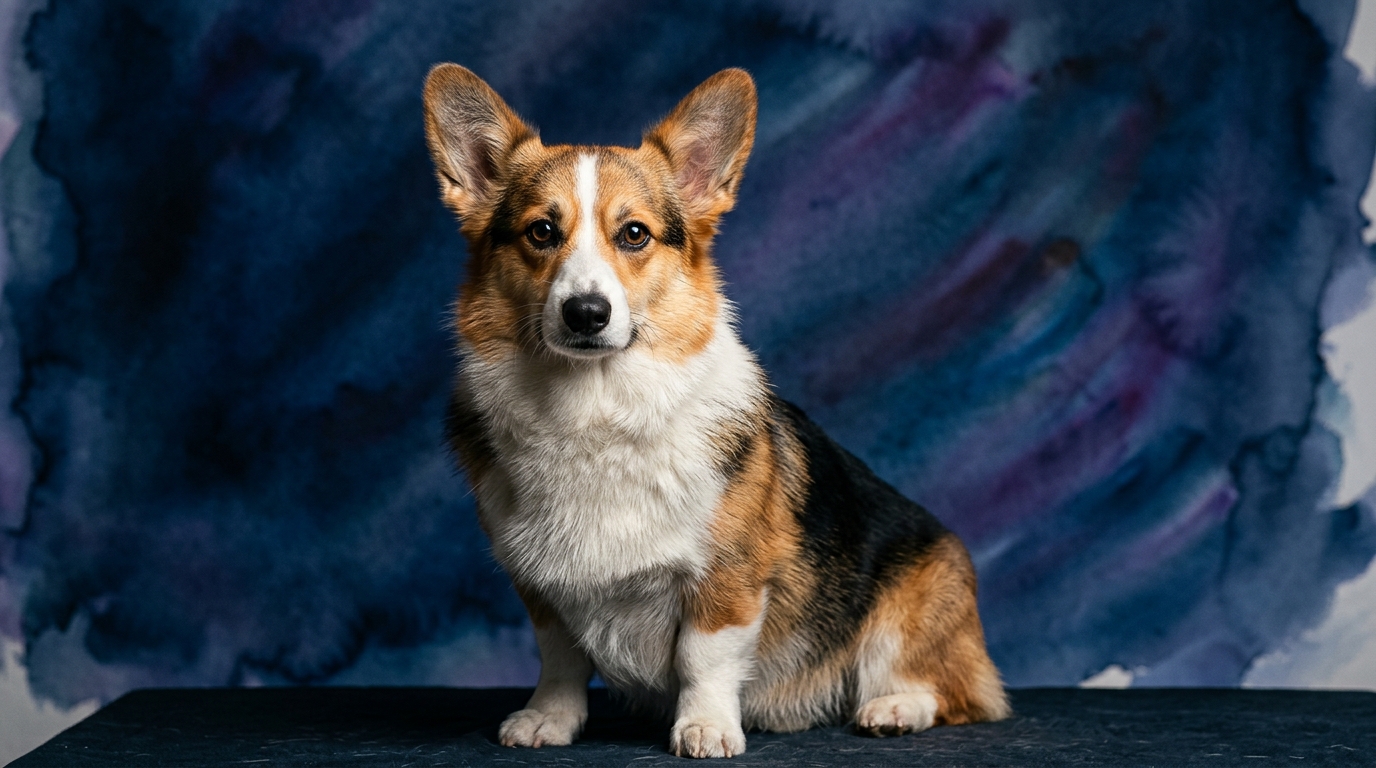
The Cosmic Pet Pet IQ Lab offers a unique lens through which to compare the Pembroke Welsh Corgi and the Jack Russell Terrier. The Pembroke Welsh Corgi, a Herding group member, boasts a Coren rank of #11, indicating a strong capacity for obedience and working tasks. Its IQ profile shows Problem Solving at 4/5, an impressive Training Speed at 5/5, Social Intelligence at 4/5, a potent Instinctive Drive at 5/5, and Memory at 4/5. This paints a picture of a dog that is not only quick to learn but also deeply connected to its environment and human companions.
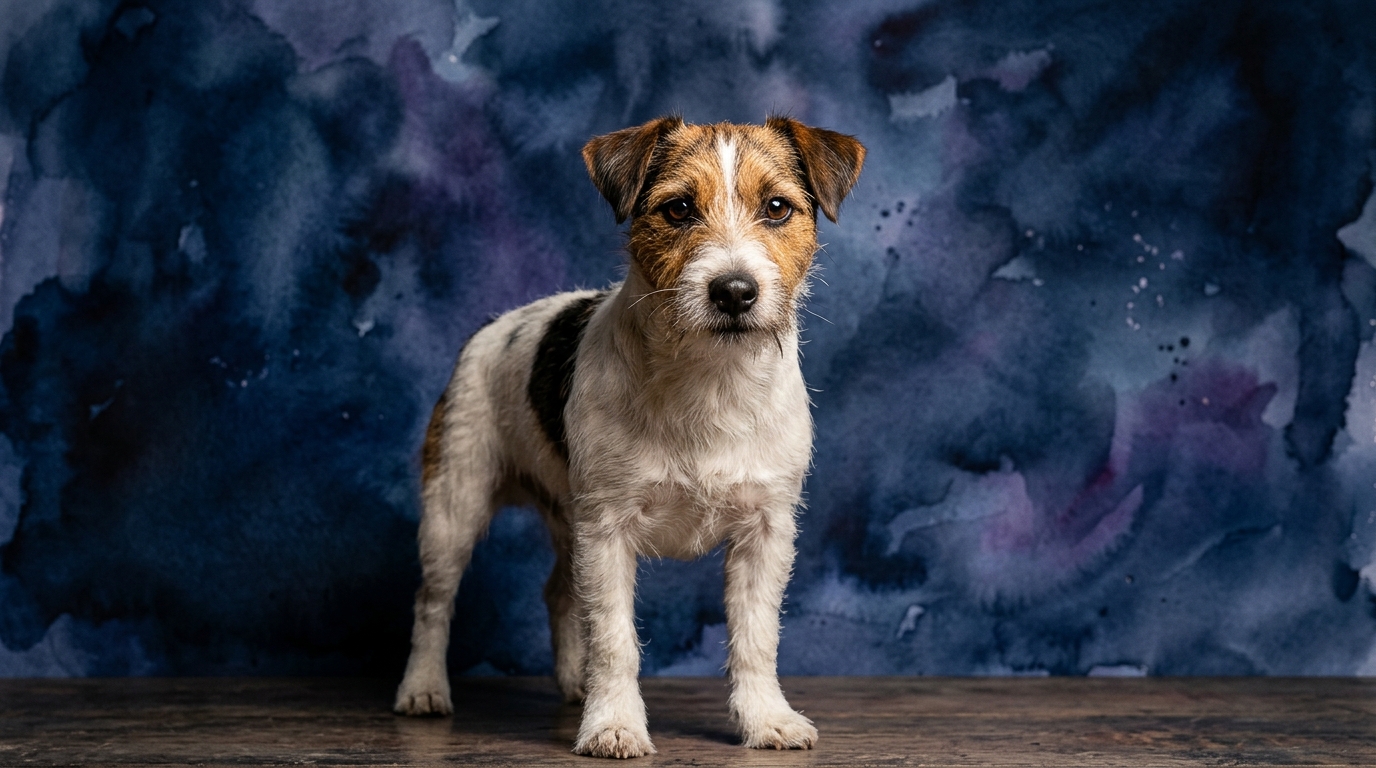
In contrast, the Jack Russell Terrier, a tenacious Terrier, is not Coren-ranked, which speaks more to its independent working style than any lack of cognitive ability. Its IQ breakdown highlights an exceptional Problem Solving at 5/5, a more moderate Training Speed at 3/5, Social Intelligence at 3/5, an intense Instinctive Drive at 5/5, and Memory at 4/5. This profile suggests a highly resourceful and driven canine, perhaps less inclined towards conventional obedience but incredibly adept at independent thought and action.
Where the Pembroke Welsh Corgi Wins Cognitively
The Pembroke Welsh Corgi demonstrates a clear cognitive advantage in structured learning environments and social attunement. Their Training Speed, rated at an exceptional 5/5, far surpasses the Jack Russell Terrier's 3/5. This means Corgis grasp new commands and routines with remarkable alacrity, often requiring fewer repetitions to solidify a behavior. Their high Coren ranking (#11) directly reflects this responsiveness, making them highly receptive to obedience training, agility, or learning complex tricks. This rapid absorption of information stems from their historical role as herding dogs, where quick reactions to handler cues were paramount for effective livestock management.
Furthermore, the Corgi's Social Intelligence, scored at 4/5 compared to the Jack Russell's 3/5, indicates a more nuanced understanding of human cues and household dynamics. Corgis often exhibit a deeper sensitivity to their owners' moods and intentions, using this awareness to navigate social interactions and integrate seamlessly into family life. They tend to be more attuned to their human companions, often seeking interaction and comfort, which contributes to a harmonious living situation and a strong partnership in activities that require cooperative effort.
Where the Jack Russell Terrier Wins Cognitively
The Jack Russell Terrier truly shines in its capacity for independent problem-solving and the application of its intense instinctive drive. With a Problem Solving score of 5/5, superior to the Corgi's 4/5, Jack Russells demonstrate an almost relentless ingenuity. These dogs are natural strategists, tirelessly figuring out how to overcome obstacles, whether it's navigating complex puzzle toys, escaping a seemingly secure yard, or outsmarting a small critter. Their intelligence is less about following direction and more about autonomous critical thinking, a trait honed by generations of working independently to flush out quarry from dens.
Moreover, while both breeds possess an Instinctive Drive of 5/5, the Jack Russell Terrier's drive is often applied with greater independent initiative and tenacity. A Corgi's herding drive is typically directed by a handler, but a JRT's hunting drive is about autonomous pursuit and resolution of a task. This translates into an impressive ability to focus single-mindedly on a goal, demonstrating incredible persistence and resourcefulness without constant human guidance. This self-directed application of instinct requires significant cognitive effort, from planning to execution, in challenging and often unpredictable environments.
Which is Easier to Train and Why
Based on their IQ profiles, the Pembroke Welsh Corgi is generally considered easier to train for standard obedience and household manners. Their exceptional Training Speed (5/5) means they grasp new commands quickly and consistently. Corgis are motivated by pleasing their human companions and thrive on positive reinforcement and clear, consistent direction. Their strong Social Intelligence (4/5) further enhances their trainability, as they are adept at reading their owner's cues and intentions, making them highly responsive partners in a training session. The Corgi's Coren rank of #11 underscores their inherent capacity for structured working intelligence and their eagerness to engage in cooperative learning.
The Jack Russell Terrier, while possessing superior Problem Solving (5/5), presents a different training challenge due to its moderate Training Speed (3/5) and powerful independent streak. They understand commands but are more likely to weigh compliance against their own strong Instinctive Drives (5/5), such as the irresistible urge to chase a squirrel or investigate a captivating scent. Training a JRT requires immense patience, unwavering consistency, and highly motivating rewards to channel their independent spirit. Owners must be creative in making training more engaging than external distractions, recognizing that a Jack Russell's intelligence is often geared towards self-directed tasks rather than immediate, compliant responses to human instruction.
Which Suits Active Owners vs. Relaxed Owners
The Pembroke Welsh Corgi suits owners who are moderately active and enjoy consistent engagement with their canine companion. While they possess a high Instinctive Drive (5/5) from their herding background, their physical exercise needs are substantial but manageable. Corgis thrive on structured activities like obedience training, moderate agility, or regular walks and playtime that provide both mental stimulation and physical exertion. They are often content with a balance of daily routines and interactive sessions, making them adaptable to owners who appreciate active daily life but might not be seeking an extreme adventure partner. Their Social Intelligence (4/5) means they genuinely appreciate being included in family activities and thrive on companionship.
Conversely, the Jack Russell Terrier is unequivocally suited for highly active and dedicated owners. Their immense Instinctive Drive (5/5) and superior Problem Solving (5/5) demand constant physical and mental engagement. These dogs require extensive daily exercise, often involving running, digging, or challenging games that tap into their innate prey drive. Owners who enjoy high-energy outdoor sports, long hikes, or structured dog sports like earthdog trials or advanced agility will find a JRT an unparalleled companion. A more relaxed owner will quickly discover themselves overwhelmed by a Jack Russell Terrier's boundless energy, independent nature, and persistent need for productive outlets for their powerful intellect and physical stamina.
The Verdict
Choose a Pembroke Welsh Corgi if you value a highly trainable companion who is eager to please, excels in structured learning, and exhibits strong social attunement within a family setting. They are a good fit for owners seeking a responsive partner for obedience and moderate activity.
Opt for a Jack Russell Terrier if you are a highly active individual or family prepared to provide extensive daily physical and mental challenges to satisfy a relentless, independent problem-solver with a powerful prey drive. They thrive with owners who embrace their tenacious spirit and provide outlets for their innate instincts.
🧠 Find Your Pet's IQ Score
Our Pet IQ Lab assessment covers 25+ tests across 5 cognitive dimensions — personalized to your breed.
Take the Full IQ Test →Frequently Asked Questions
Are Corgis good at dog sports like agility?
Yes, Pembroke Welsh Corgis often excel in dog sports like agility, rally, and obedience. Their high training speed and instinctive drive, combined with their sturdy build, make them quick learners who enjoy the challenge and mental stimulation of these activities.
Do Jack Russell Terriers ever calm down?
While Jack Russell Terriers retain their spirited nature throughout life, consistent training, ample physical exercise, and mental enrichment can help channel their energy productively. Without sufficient outlets, their intensity can manifest as destructive behaviors or excessive barking.
How do Corgi's herding instincts manifest in a home environment?
Corgi herding instincts often appear as gentle 'nipping' at heels, particularly of children or other pets, or attempts to 'round up' family members. This isn't aggression but an innate desire to control movement, which can be managed with redirection and consistent training.